
Table of Contents
Guide to Bush & Safari Jackets for Men
Some people go on safari thinking that Africa’s weather is always hot, so a good jacket is not really necessary. This is not true. Winters can be very, very cold in many safari destinations, and even during the summer months, temperatures can drop significantly during early-morning game drives, night drives, or in the evenings while sitting around the boma enjoying your dinner.
I have owned a number of safari and bush jackets over the years, some very good and others not so much. In this article, I will go through some of the features I have found particularly useful and point you in the right direction to help you find the ideal safari jacket for your trip.

Origins
The style of the jacket is similar to that of the main image in this article and was made popular around the beginning of the 20th century by the early European adventurers who came to Africa.
Safari & Travel Jacket
You must remember that a true safari or bush jacket is designed specifically for going on safari in the African bush, so function and comfort are far more important than style. However, before you reach the bush, you will also be doing quite a bit of travelling. To save valuable luggage space, it makes sense to use the same jacket for both travel and safari. Therefore, make sure it is comfortable, practical, and at least a little stylish!
Colour
As with most of your safari clothing, it is best to stay away from bright or shiny colours. When you are on safari, you want to blend in with your surroundings as much as possible. Therefore, stick to natural colours such as green, brown, beige, and khaki when choosing your jacket.
It is also best to avoid jackets with camouflage patterns. While camouflage may seem ideal for safari and has become popular as urban wear in many Western countries, in Africa it is generally associated with the military. In some African countries, wearing camouflage clothing can even result in arrest, so it is better to avoid it altogether.
Materials
Many jackets are made from waterproof materials, but some can make a noticeable noise as they rub against other surfaces. This is perfectly fine when camping in a wet environment, but if you are trying to approach skittish animals such as antelope, the noise made by your clothing can easily frighten them away.
Cotton drill-type materials work particularly well for safari jackets because they are quiet, durable, and comfortable. If you need your jacket to be waterproof, look for one with a waxed or wax-coated finish, which provides added protection from rain without creating excessive noise.
Pockets
Pockets are, in my opinion, extremely important and should not be underestimated! Look for a jacket with plenty of practical, easily accessible pockets that make it convenient to carry your camera, binoculars, guidebooks, and other small essentials while on safari.
Buy Buy Safari & Bush Jackets
Below are a few examples of ideal jackets to travel with and take on safari.
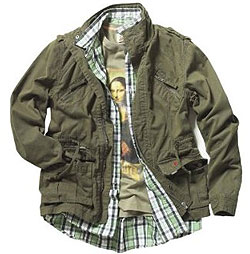
Joe Browns Forces Bush Jacket
Stylish as well as durable, this bush jacket from Joe Browns features a retro military-inspired design and makes a great, laid-back jacket that will stay with you through thick and thin. It has plenty of large pockets, making it ideal for carrying binoculars, a compact digital camera, or a safari guidebook.
The outer is made from 100% cotton, while the lining is 65% polyester and 35% cotton. Please note that the shirt and T-shirt are sold separately.
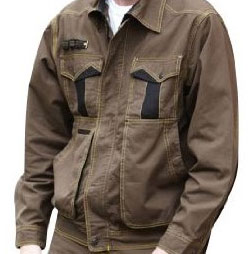
Mens Workwear Safari Jacket
Made from 100% cotton canvas, the Workwear Safari Jacket features two bellows hand-warmer pockets, a front placket with stud fastening, two chest pockets with stud fastenings, and studded cuffs on the sleeves.
Mens Jack Pyke Hunter Jacket
Waterproof – Breathable – Noiseless. The ideal safari jacket.
Outer shell: 100% Polyester brushed tricot with laminated membrane. Lining: 100% Polyester brushed mesh & taffeta.
Details: Full length double opening zip, Concealed hood in pocket, 2 lower front bellow pockets with cartridge holders, 2 hand-warmer pockets 1 internal chest pocket, Fold-down waterproof seat flap, Elasticated weather shrouds on wrist, Available in olive green or english oak.

Safari Gilet / Safari Vest
As an alternative to a long-sleeved jacket, a safari gilet or vest is ideal for warmer weather. Good options, such as the Result Adventure Safari Gilet pictured on the left, come with plenty of pockets and are particularly useful for photographers or anyone on safari. The pockets provide convenient storage for binoculars, guidebooks, cameras, and other small essentials.
Frequently Asked Questions
What is a men’s safari jacket and why is it useful for an African safari?
A men’s safari jacket, often called a bush jacket, is a lightweight and practical jacket designed for outdoor adventures like safaris. It usually features multiple pockets, breathable fabric, and a comfortable fit that makes it ideal for long game drives and walking safaris. The pockets are useful for carrying small essentials such as binoculars, a phone, sunscreen, or a camera lens cap. These jackets are also designed to protect you from the sun, wind, and occasional cool mornings in the bush. Because of their functionality and classic style, safari jackets have become a popular choice for travelers exploring Africa.
What materials are best for safari and bush jackets?
The best safari jackets are usually made from breathable and durable materials such as cotton, canvas, or cotton blends. These fabrics help keep you cool during hot afternoons while still providing enough protection in the early morning or evening. Lightweight materials are especially important because safari destinations can be warm and dusty. Some modern safari jackets also include moisture, wicking or quick, dry fabrics, which are helpful during active days outdoors. Choosing the right material ensures comfort while exploring wildlife areas for long periods.
What colors are recommended for safari jackets?
Neutral and natural colors are the best choice for safari jackets because they blend well with the environment. Colors like khaki, olive green, beige, and light brown are commonly recommended for safaris. These shades help avoid attracting insects and also make it easier to blend into the landscape when observing wildlife. Bright colors are generally discouraged because they may disturb animals or stand out too much in nature. Wearing earthy tones helps create a more authentic and practical safari experience.
When should you wear a safari jacket during a safari trip?
Safari jackets are most useful during early morning and evening game drives when temperatures are cooler. Even in warm destinations, mornings in national parks can feel chilly, especially when riding in an open safari vehicle. The jacket provides light warmth without feeling heavy or uncomfortable. It is also helpful during walking safaris where you may want extra pockets and sun protection. Many travelers keep their safari jacket nearby so they can easily put it on whenever the weather changes.
Can safari jackets be worn for style as well as function?
Yes, safari jackets are not only practical but also known for their timeless and adventurous style. Their classic design has been popular for decades and is often associated with exploration and travel in Africa. Many travelers enjoy wearing them because they combine comfort with a rugged outdoor look. They can be paired with safari shirts, lightweight trousers, or cargo pants for a complete safari outfit. This makes them a great piece of clothing that works both on safari and during casual travel.
Still have questions?
Our local safari experts are happy to help you plan the perfect African safari.





