
Table of Contents
There is a small piece of spice land a few miles from Stone Town. One of the famous day trips. Spice Tour, the most visited area around Zanzibar, there are some fees that have to be paid to the farm owners to get in for the tour.
This kind of tour can be organized by Safari ASAP when you have an extension to Zanzibar after a tour in Tanzania mainland (Kilimanjaro trekking or Safari tour).
You can stay and spend a day there while learning and discovering varieties of spices. The spices excursion prices vary depending on the number of passengers, the number of hours spent, and the comfort of the car transport to and from the farm. Negotiate the prices well before leaving if you want to go with an independent guide or Contact Us for Help
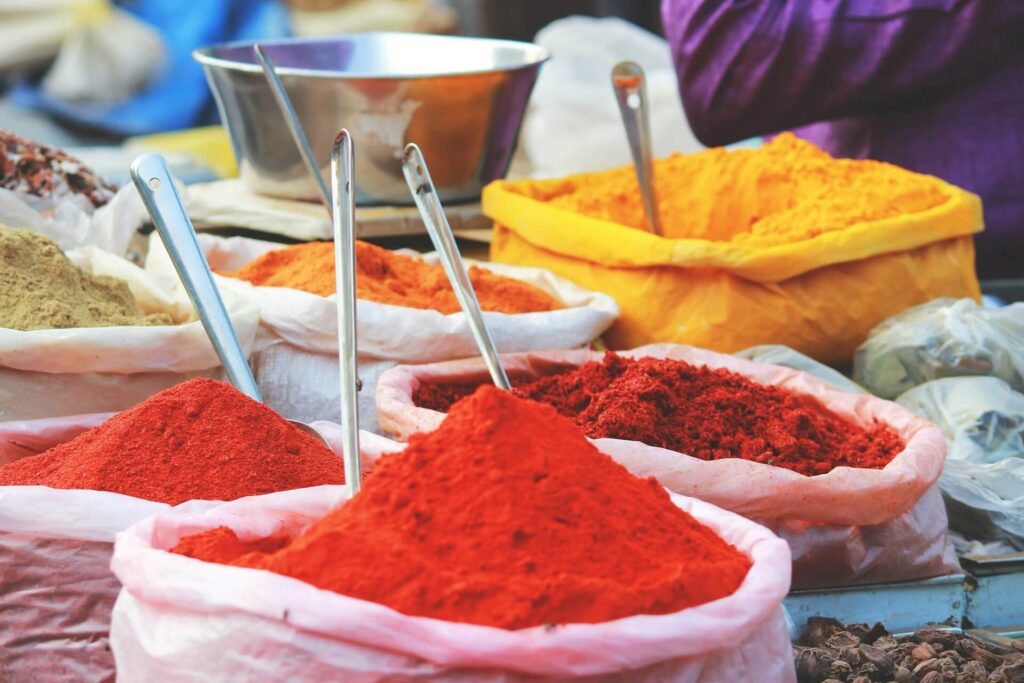
A Typically Spice Tour Trip
You will have all day to learn, explore, and taste one of these tasty spices: pepper, cinnamon, nutmeg, cloves, and many more. But who has ever seen a pepper seed up close on a pepper tree branch, felt the magical scent of the bark of the cinnamon tree, and admired the delicacy of a muscadier?
Did you know that curry, cardamom, coriander, and saffron are not spices but aromatics? Do you know how to distinguish between spices, aromatics, and peppers then Zanzibar Spice Tours can answer all these curious questions for you.
These tours are organized in small groups (usually 4 or 5 people) or private and are offered by most of the travel agencies based in Stone Town. Transportation is by vans or minibusses.
Prices vary according to the number of passengers. A full-day Spice Tour can cost around $ 100 per person. But if you get together (three or more) then it will cost you only $ 80 per person.
Each tour is led by a local guide who speaks English. The Spice Tours have a common goal: to make the general public discover the little-known world of spices, but also the richness of the tropical flora of the island. A tour lasts half a day or a day.
A full-day tour includes the actual Spice Tour and lunch on-site, and plenty of beach in the afternoon. Some agencies also offer to end the day with a trip to Prison Island and dinner. You can choose but in our opinion, it is good to start in the morning. Until noon, you can already have a good approach to the subject.
A typical Spice Tour leaves from most of the places around Zanzibar and returns, you can also see Livingstone’s house in passing (no inside visit), then you can stop to visit the Maruhubi Palace and the Persian Baths.
During the tour the discovery is done at the rhythm of the walk, through the groves of trees, the tropical plantations and the spice fields. The more competent and when motivated the guide, the more he can and should give clear and practical explanations.
You will stop when you meet spice trees or tropical plants. It feels like a green classroom at the end of the world. The guide speaks, asks questions of the group, and answers when there are no correct answers.
Sometimes he picks a seed, tears off a piece of bark, cuts a fruit, slices a leaf, and smells the perfumes spices, and aromatic scents to the members of the group.
Tastings are planned along the way. Small merchants along the way after finishing a tour will be selling sachets and assortments of various spices.
It’s good, cheap, and makes a nice souvenir for friends. If there’s a place to buy spices, it’s in the plantations, during the Spice Tour. In short, this is a lively and exciting excursion.
Do not miss! Contact us if you want to arrange your spice tour in Zanzibar.
y. Many visitors combine a spice tour with other activities like beach visits or exploring Stone Town. Planning the tour early in your trip can also help you better understand the island’s culture and cuisine.
Frequently Asked Questions
What is a spice tour in Zanzibar and why is it famous?
A spice tour in Zanzibar is a guided experience where visitors explore farms that grow some of the island’s most famous spices and tropical fruits. Zanzibar is often called the “Spice Island” because it has produced cloves, nutmeg, cinnamon, and many other spices for centuries. During the tour, guides show you how the spices grow and explain their history and traditional uses. You’ll also get to smell, taste, and sometimes even pick fresh spices directly from the plants. It’s a fun and educational way to understand the island’s culture and agricultural heritage.
What spices and plants can you see on a Zanzibar spice tour?
A typical spice tour introduces visitors to a wide variety of spices and tropical plants grown on the island. You might see cloves, vanilla, cardamom, turmeric, cinnamon, black pepper, and nutmeg growing in their natural environment. Guides often encourage visitors to smell the leaves, taste fresh fruits, and learn how each spice is used in cooking or medicine. You may also see exotic fruits such as jackfruit, starfruit, and passion fruit depending on the season. The experience is interactive and gives you a deeper appreciation of how these everyday spices are produced.
How long does a spice tour in Zanzibar usually take?
Most spice tours in Zanzibar take about two to three hours, making them easy to fit into a day of exploring the island. The tour usually involves a short walk through a spice farm with a knowledgeable local guide. Along the way, the guide explains the history of the spices and demonstrates how they grow and are harvested. Visitors often enjoy tasting fresh fruits and traditional herbal teas during the tour. Some tours also end with a small market where you can buy locally grown spices as souvenirs.
When is the best time to take a spice tour in Zanzibar?
Spice tours can be enjoyed throughout the year because many spices grow in Zanzibar’s tropical climate. However, the experience may be especially colorful during the rainy seasons when the plants are lush and fruits are plentiful. Morning tours are usually the most comfortable because the weather is cooler and more pleasant for walking. Regardless of the season, guides make the experience engaging and informative. It’s a great activity to combine with other Zanzibar attractions like beaches or cultural tours.
What should you bring or wear for a spice tour?
For a spice tour, it’s best to wear comfortable clothing and walking shoes because you will be exploring a farm environment. Light, breathable clothes are ideal due to Zanzibar’s warm tropical weather. Bringing a hat, sunscreen, and a bottle of water can also help you stay comfortable during the walk. A camera or smartphone is useful for capturing photos of the plants and unique experiences along the way. Many visitors also bring some extra cash to buy fresh spices or handmade souvenirs at the end of the tour.
Still have questions?
Our local safari experts are happy to help you plan the perfect African safari.





