Table of Contents
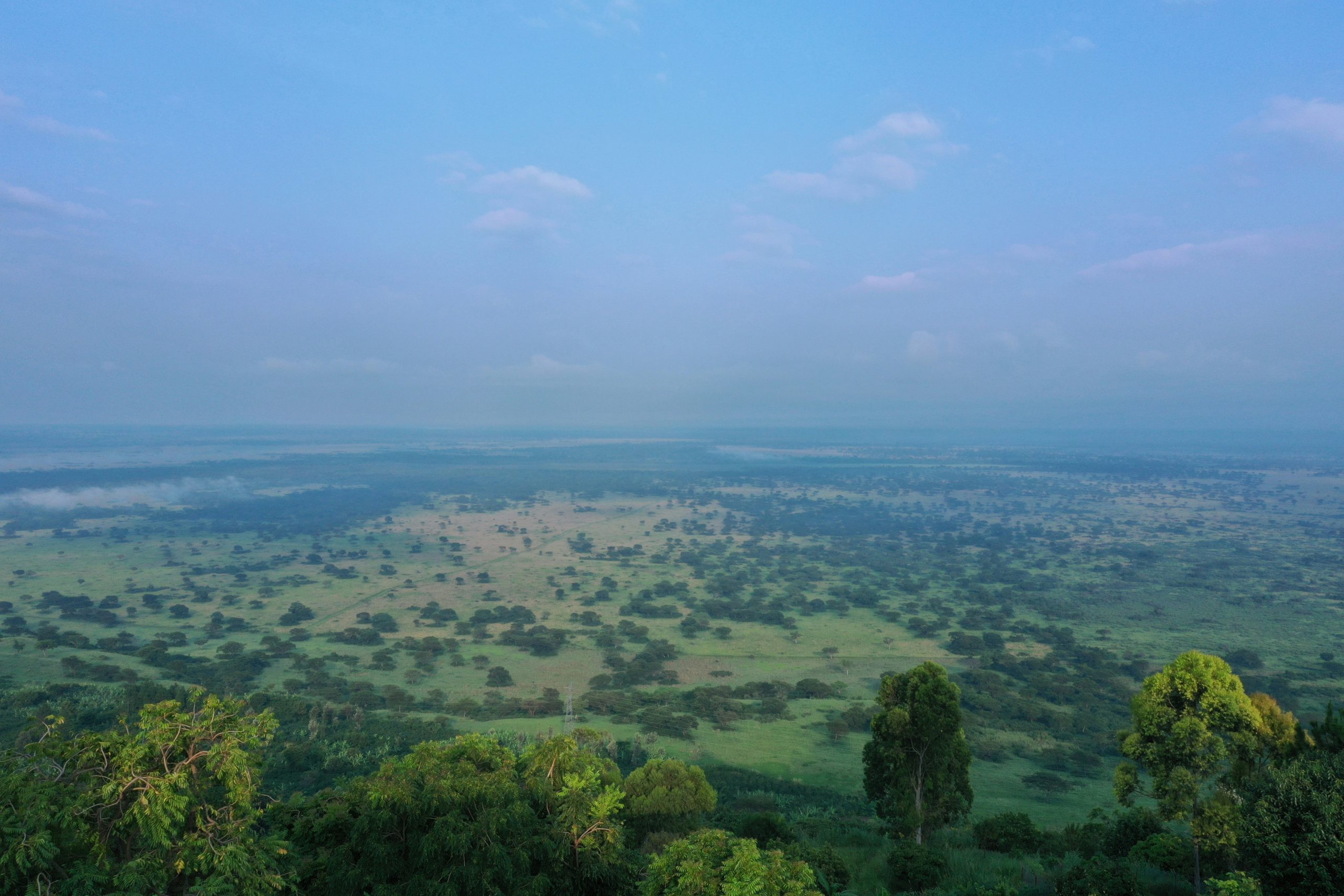
Queen Elizabeth National Park is located on the Rift Valley floor between Lake Edward and Lake George. It occupies an area of 1978 sq km on which over 95 mammals, more than 612 migrant and local birds live, and the various vegetation zones are found. Indeed, it is a diverse feature that leads to its creation, as Douglas Willock described it in 1952. UNESCO supplemented its pride by referring to it as a biosphere reserve because of its unique and incredible content. Scenically, the area has almost everything one would like to see in a short African wildlife and Primate Safari.
The Rwenzori ranges, which provide a breathtaking background to its undulating hills, are the major terrain of this park. The Rwenzori ranges, which are 60 miles long and 40 miles wide, rise out of the plains that appear to be on the verge of touching the skies. The hills guard the Congo; they are blue from a distance, but up close they are steep, green, and forested, and they perfectly capture the essence of true Africa. The serene green escarpment of the western rift valley marked the eastern edge of this potential park. And in between every hill. The limitless savannah is made up of mountains and lakes, and the candelabra euphorbia tree’s branched cactus arms are a recurring motif.
Altitude
The low altitude and its location directly on the equator mean that temperatures can be warm rising from a mean minimum of 18 degrees centigrade to a mean maximum temperature of 28 degrees centigrade. The park receives up to 1250mm of rain especially during March, May and September to November.
Accessibility
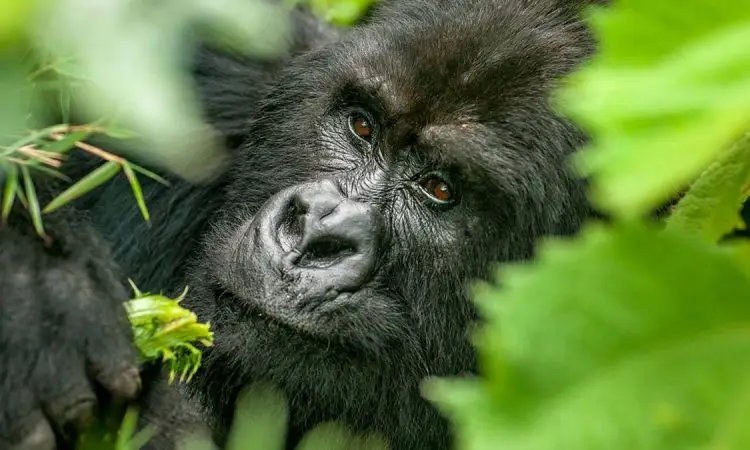
This park can be accessed via the Kampala- Mubende -Fort Portal – Kasese road, or you may pass Kampala-Masaka-Mbarara-Kasese road. On the other hand, these routes can be combined to make a complete and attractive circuit. Via this park, you may access Bwindi National Park, which is home to the remaining mountain gorillas. There is a provision for a charter flight that can be arranged from Entebbe or Kajansi to Kasese airstrip.
Fauna and flora
In this park, there is an impressive rage of habitats where animals spend their time. There are 57 vegetation types that have been identified but five rap up all these. This park has bushy grassland, acacia woodland, lake shore vegetation, forest grassland and swamp vegetation.
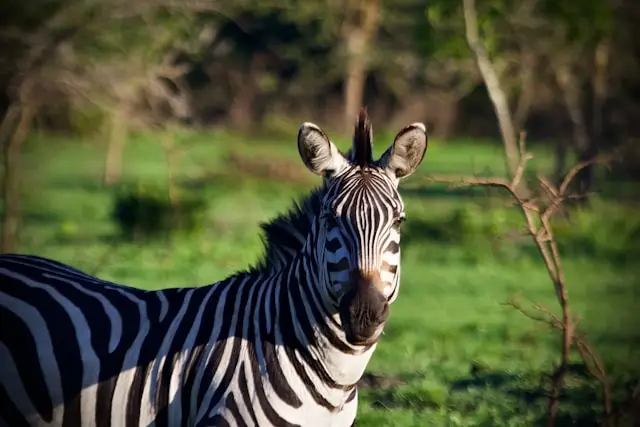
Queen Elizabeth National Park accommodates a variety of animals and birds. Some of the animals include Waterbucks, giant forest hog, leopards, Uganda kobs, elephants, hyenas, lions, topis, baboons, Colobus monkeys, and chimpanzees; the list is endless. This is a haven for various bird species, including migrant birds. These include: African skimmer, papyrus canary, corncrake, lesser and greater flamingos, the rare shoe bill stork, cattle egrets, pink-backed pelicans, white winged warbler, to mention but a few.
Activities
Launch cruise
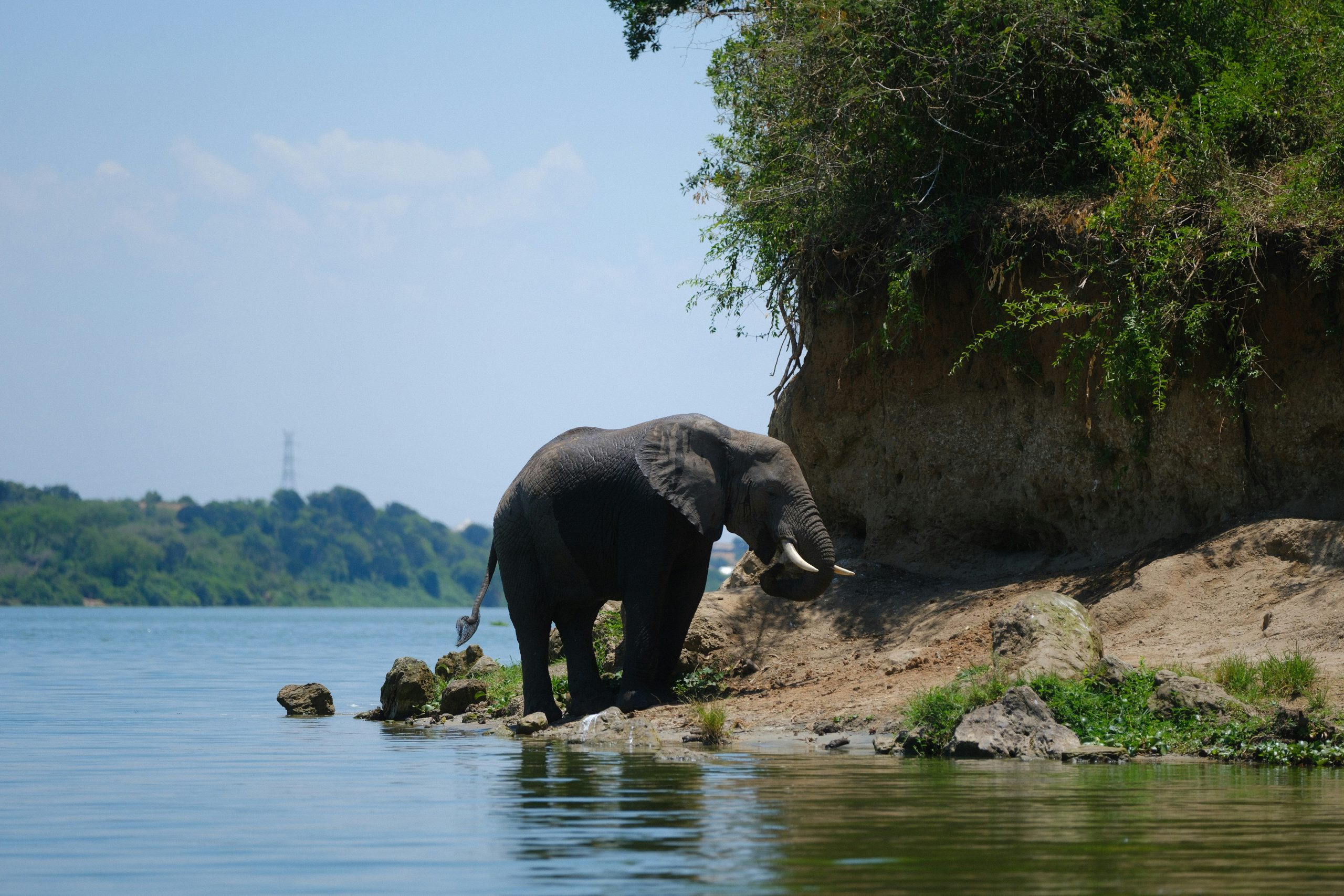
This takes place on the 40km Kazinga channel. Most visitors take this to be the highlight of the Queen Elizabeth safari because of what is displayed. It is a link between Lake George and Lake Edward. It provides the prime wildlife spectacle as you cruise on the boat. The shoreline of this channel attracts large numbers of birds, mammals, and reptiles all year round. This launch runs from 15:00hrs to 17:00hrs
Game drive
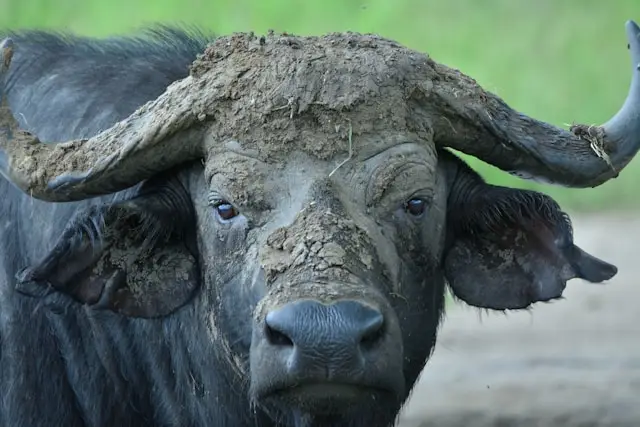
This park is endowed with a variety of animals including the Albertine endemics. They roam around the park premises and others are seen in the wilderness when you embark on a game drive. These eye captivating animals include cape buffalos, water bucks, bush bucks, warthogs; giant forest hogs elephants, topis, lions, hyenas and so many other animals.
Chimpanzee tracking
When you visit Queen Elizabeth national park, you have the chance of seeing a number of primates like chimpanzees man’s closed cousins. These are found in Kyambura gorge. This is a 100m deep gorge carved by the Kyambura River as it flows across the rift valley floor towards the Kazinga channel. Guided walks to look for them start at Kyambura fig tree camp at 0800hrs and 1400hrs.
Forest walks
The park has a luxuriant evergreen forest called Maramagambo forest. It has well-drawn trails that take you to Uganda’s stunning wilderness. The trails with a good network take you to spots like the bat cave, wildlife sightings, and the blue lake rich in copper. It is one of Uganda’s tracts of tropical forest.
Accommodations
Mweya safari lodge,Jacana lodge,Kyambura game lodge,Simba safari camp, Katara lodge, Bush lodge, Mweya hostels, Ihamba lodge, King Fisher camp, Hippo hill camp
Frequently Asked Questions
What makes Queen Elizabeth National Park one of Uganda’s most popular safari destinations?
Queen Elizabeth National Park is one of the most famous and diverse wildlife parks in Uganda. The park is known for its stunning landscapes that include savannah plains, forests, wetlands, and lakes. Visitors are often amazed by the variety of wildlife and the breathtaking views of the Rwenzori Mountains in the distance. Because of its size and biodiversity, the park offers many different safari experiences in one place. This diversity makes it a favorite destination for both first time visitors and experienced travelers.
What animals can visitors see in Queen Elizabeth National Park?
Queen Elizabeth National Park is home to an incredible variety of wildlife. Visitors often see elephants, buffalo, lions, leopards, and many species of antelope across the savannah. The park is also famous for its unique tree climbing lions found in the Ishasha Sector. Hippos and crocodiles are commonly spotted in the rivers and lakes within the park. With more than 600 recorded bird species, it is also considered one of the best birdwatching destinations in Africa.
What activities can tourists enjoy in Queen Elizabeth National Park?
Visitors to Queen Elizabeth National Park can enjoy many exciting safari activities. Game drives are very popular and give travelers the chance to explore the open plains while spotting wildlife. Boat cruises along the Kazinga Channel are another highlight, where visitors can see hippos, elephants, and birds up close along the water’s edge. Nature walks and chimpanzee tracking in nearby forests are also available for adventurous travelers. These activities allow visitors to experience the park from different perspectives.
When is the best time to visit Queen Elizabeth National Park?
Queen Elizabeth National Park can be visited throughout the year, but the dry seasons are usually the best time for wildlife viewing. The months from June to September and December to February are particularly popular with travelers. During these periods, animals gather near water sources, making them easier to spot. The roads are also easier to drive during the dry weather. Clear skies and pleasant temperatures make it a great time for photography and safari adventures.
Where is Queen Elizabeth National Park located and how do visitors reach it?
Queen Elizabeth National Park is located in western Uganda, close to the border with Democratic Republic of the Congo. The park is about a six, to seven hour drive from the capital city, Kampala. Many visitors reach the park by road as part of a longer Uganda safari itinerary. Domestic flights are also available to nearby airstrips for travelers who prefer a quicker journey. Its location makes it easy to combine with other attractions like gorilla trekking in southwestern Uganda.
Still have questions?
Our local safari experts are happy to help you plan the perfect African safari.