Table of Contents
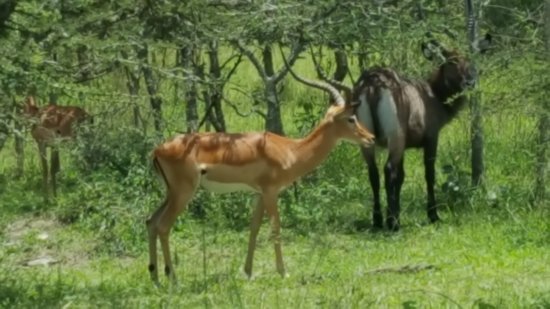
Lake Mburo National Park is situated in the great Mbarara district, at times called the “land of Milk”. It is a gem of a park conveniently located close to the western highway that connects Kampala to the parks of western Uganda. Though the park is just 370 sq km in size, its landscapes are varied and even a short drive is alive with interest and colour. You will pass gallery forest, open savanna, and acacia woodland, rock kopjes, seasonal and permanent swamp, and open water as you search for the wealth of wildlife they support. This includes species such as impala, Burchell’s Zebra, and eland that are not found elsewhere in western Uganda.
Accessibility
To get to Lake Mburo National Park, you have to travel to western Uganda, passing Masaka to the Mbarara district. From the capital of Uganda (Kampala), you expect to take approximately 31/2 hours’ drive.
There is a provision of two gates that lead you into the park. From Kampala, you pass through the Nsara gate, which is 13 km past Lyantonde. The alternative gate is in the Sanga trading center, where the Sanga gate is found.
Flora and fauna
Several habitats surround the open water of Lake Mburo. The lake’s western side is dominated by a grassy escarpment rising above a shoreline fringed with acacia, east, grassy valley floors made seasonally lush and soggy by rain drained between undulating hills. These seep through expanses of wetland into the lake. Rock kopjes are found along the eastern margin of the park.
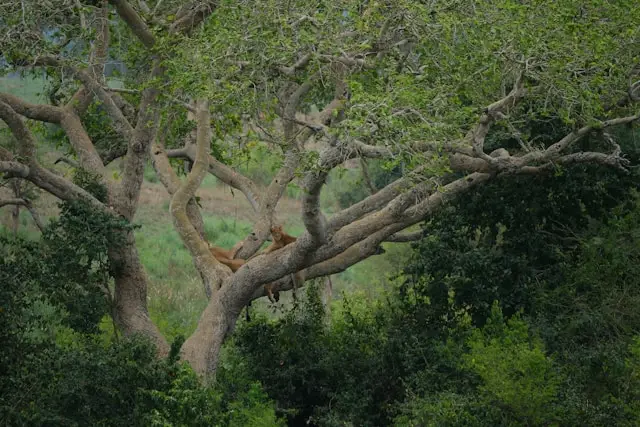
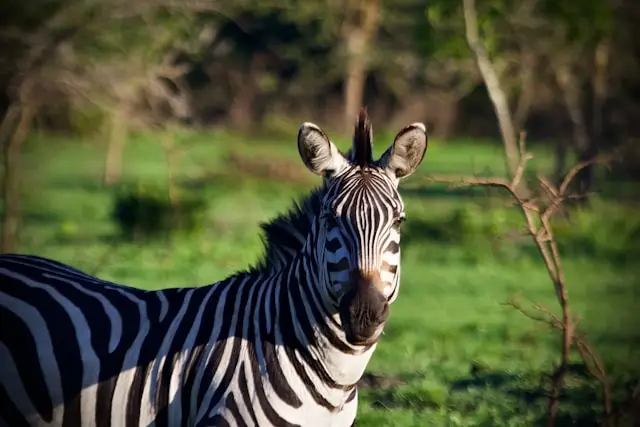
This park is blessed with interesting animals like warthogs, buffalo, Oribi, defassa waterbuck, and reedbuck. What makes this park unique is the presence of the Burchell zebras and the Elands that are found only in this park in Uganda. As for aquatic life, crocodiles and hippos decorate the Mburo waters and shore. The park also hosts a variety of birds like tabora, great snipe, white winged warbler, Abyssinian ground hornbill, and white winged warbler
What to do
Game drive/s
When you embark on a game drive in this lake, you have a variety of things to see. The eastern hinterland of Lake Mburo National park is served by a network of game tracks along which a variety of savanna animals and birds can be sighted. Impala,s from which Kampala acquired its name, are most commonly seen along the impala track, while zebras frequent the grassy valley floors traversed by the zebra track. This connects to the Ruroko track, which passes rock kopjes that are home to the elusive Klipsinger.
In the south of the park, the lake side track passed through dense woodland home to bushbuck and bush duiker to Kigambira hill which provides a panoramic view of lake Mburo this lake and seven more can also be seen from the Kazuma Hill look out close to the Kzuma hill lookout close to the Kazuma Track.
Guided walks
The park has the salt lick area where several animals converge to lick some salty soil. It is frequented by wild animals that is why one takes a walk there. This activity is facilitated by a timber observation platform.
Boat ride
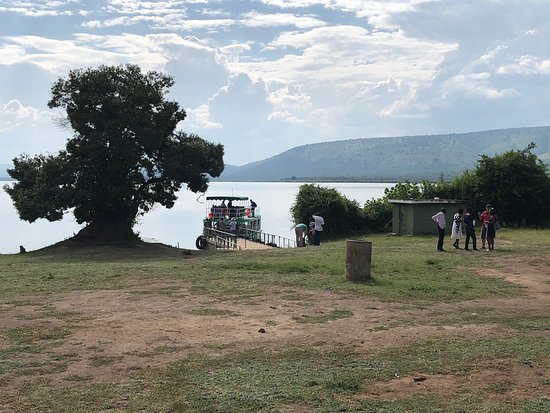
The park is the only one with a lake in its center. During the boat ride, you may get the chance of seeing a variety of birds like cattle egrets, crested cranes, African fin foot, saddle billed stork, tabora cisticola, great snipe, white winged warbler, and others.
Accommodations
Mantana Tented camp, Mihingo lodge, Arcadia cottages, Rwonyo bandas, UWA tents
Frequently Asked Questions
What makes Lake Mburo National Park special for visitors?
Lake Mburo National Park is one of the smallest national parks in Uganda, but it offers a very peaceful and scenic safari experience. The park is known for its beautiful lakes, rolling hills, and open savannah landscapes. At the center of the park lies Lake Mburo, which supports a rich variety of wildlife and birds. Because the park is less crowded than many other safari destinations, visitors can enjoy a calm and relaxing atmosphere. It is a great place for travelers who want a quiet safari close to nature.
What animals can visitors see in Lake Mburo National Park?
Lake Mburo National Park is famous for animals that are not commonly found in other Ugandan parks. Visitors often see large groups of zebras, impalas, and elands grazing across the plains. Buffalo, warthogs, and giraffes are also commonly spotted during game drives. The lakes in the park are home to hippos and crocodiles that can often be seen near the shoreline. With its mix of wildlife and birdlife, the park offers wonderful opportunities for nature lovers.
What activities can visitors enjoy in Lake Mburo National Park?
Lake Mburo National Park offers several unique activities that make it different from many other parks in East Africa. Game drives are popular, allowing visitors to explore the savannah and see wildlife up close. Boat safaris on Lake Mburo are another highlight, offering chances to see hippos, crocodiles, and many bird species along the water. Walking safaris are also allowed in certain areas, giving travelers a chance to experience nature on foot with a guide. Horseback safaris are another special activity that makes the park truly unique.
When is the best time to visit Lake Mburo National Park?
The best time to visit Lake Mburo National Park is during the dry seasons, from June to August and December to February. During these months, animals gather around water sources, making them easier to spot. The roads inside the park are also easier to travel during the dry weather. The sunny conditions are perfect for photography and outdoor activities. However, the park remains beautiful throughout the year thanks to its green landscapes and lakes.
Where is Lake Mburo National Park located and how can visitors reach it?
Lake Mburo National Park is located in western Uganda, along the highway that connects Kampala to Mbarara. The park is about a four hour drive from Kampala, making it one of the most accessible national parks in the country. Many travelers stop here while traveling to other famous destinations like Bwindi Impenetrable National Park for gorilla trekking. Visitors can reach the park by road using private vehicles or guided safari tours. Its convenient location makes it a perfect addition to an Uganda safari itinerary.
Still have questions?
Our local safari experts are happy to help you plan the perfect African safari.