Table of Contents
Egypt has to be one of the most diverse tourist destinations on the entire African continent! The bustling, frenetic city of Cairo stands juxtaposed against the majestic calm of the Giza Pyramids and the Great Sphinx. In Luxor, you should visit the Valley of the Kings and watch the sun set over the gigantic Temple complex of Karnak. Aside from these riches of antiquity, Egypt offers a remarkable desert and a wealth of underwater treasures.
People & Culture
Egypt is extremely diverse, making it difficult to generalize its people and culture. Most Egyptians are of Eastern Hamitic stock, and Nubians, Greeks, Armenians, and other Europeans represent the remainder. In simple terms, four cultural groups populate modern-day Egypt: Fellahin, Copts, Bedouins, and Nubians.
Fellahin are Egyptian peasants who, since the time of the Pharaohs, have populated rural areas and lived off the land. Many Fellahin have moved into cities and transformed their way of life, so this term is somewhat dated.
Copts are Christian adherents of the Eastern Orthodox Church, and are of the same race and culture as other Egyptians.
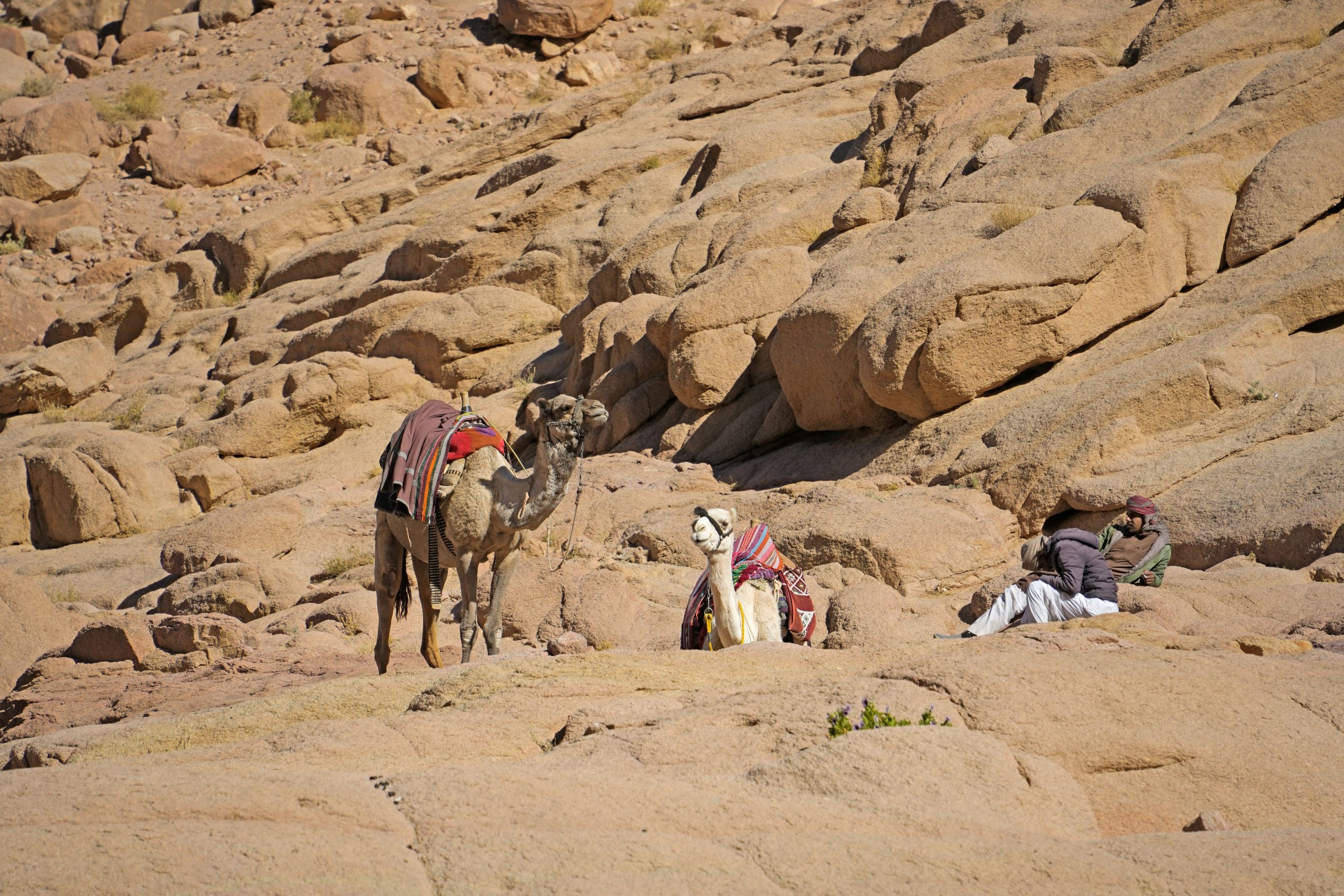
Bedouins are nomads and Egypt’s desert dwellers. Though they traditionally roam, over time, they have begun responding to government efforts to ground their populations and provide childhood education.
Nubians are dark-skinned but have very few cultural, genetic, or other aspects in common with other dark-skinned Africans. Their ancestral lands lie to the south of Aswan, although most Nubians have now migrated to towns in response to changing lifestyles.
Egyptians are generally hospitable and friendly, and are accommodating to visitors. However, Islam is the single most important cultural influence in Egypt, and its religious expectations extend to travellers. Society is conservative. Women, even visitors, are expected to dress and act modestly – no flimsy clothing or loud laughing, for example. Do not proselytize about religion, as this behaviour is illegal.
Arabic is the official language, while English and French are widely used in business and among educated urbanites. The cultural scene is rich, and Egyptians are proud of their literature, film, music, and television. Egyptian cuisine is exquisite, and local specialties include roasted pigeon, grilled aubergines (eggplant), kebab,s and chickpeas. Beer, wine, and other alcoholic drinks are available in bars and restaurants, especially at hotels catering to tourists. During the month of Ramadan, defer to local sensitivities and avoid drinking during daylight hours.
How to Get There
Egypt is an international travel hub, and many airlines fly directly into the country from Europe, Africa, and other points abroad. Ferry boat services connect Egypt to Saudi Arabia, Jordan, and the Sudan. Additionally, some cruise ships stop over in Egypt as part of their African sailing itinerary.
Both Libya and Israel are accessible by road from Egypt. Coach bus service connects Egypt to Israel’s Tel Aviv and Jerusalem; private vehicle services are also available.
Visa
Egypt requires visas from citizens of most countries, including those of the European Union, the United States, and Canada. If you are traveling only to certain areas – e.g. Sharm El Sheikh, Dahab, Nuweiba, and Taba resorts – a visa may not be required. Citizens of the UK, Australia, Canada, New Zealand, and the United States may be able to obtain entry visas at international airports and other points of entry within Egypt. However, this may cause travel delays, so you are advised to secure your visa prior to travel.
To enter Egypt, your passport must be valid for six (6) months from the date of arrival, and must expire no sooner than one (1) week after your expected date of departure. These requirements are subject to change and should be verified prior to travel.
Accommodation
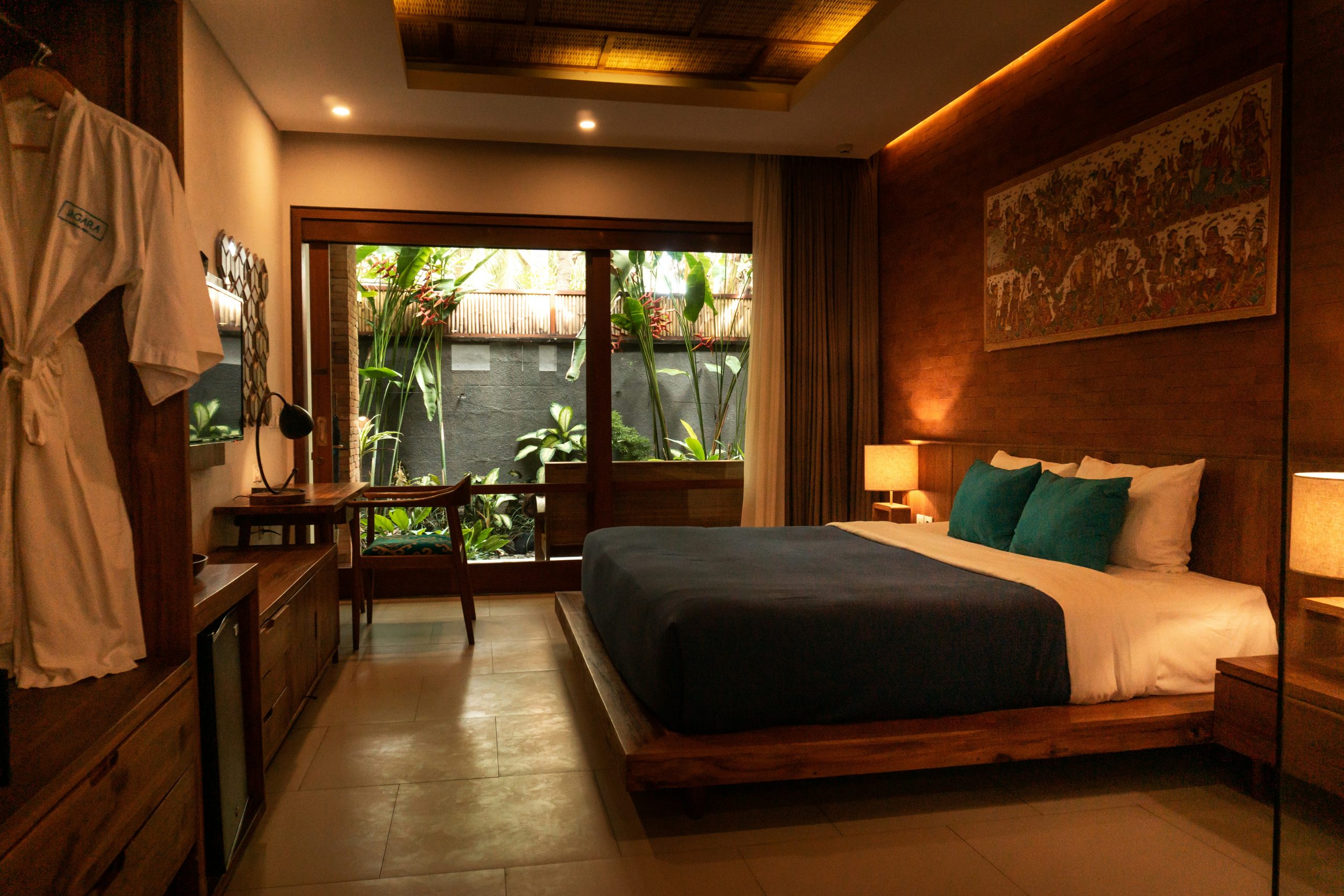
Tourism is a major industry in Egypt, and the nation’s accommodations follow suit with diverse options. Most Egypt tours patronize accommodations that offer Western amenities, which can include everything from budget hotels to 5-star resorts. Generally speaking, hotels in Egypt offer good value. Be sure to book well in advance for stays during the popular winter season.
Getting Around
Local flights are the fastest and most efficient way to get around, making them a popular choice for Egypt tours. However, there are several other comfortable methods of transportation available.
Luxury, air-conditioned trains are a good alternative to air travel. Several major tourism hubs, including Cairo, Luxor, Aswan and Alexandria, are accessible via train. Within Cairo, the local metro is inexpensive and fast for getting around town. Additionally, a luxury ferry service links Aswan and Luxor along the Nile. The adventurous and thrifty can also sail along the Nile by using traditional boats known as feluccas.
Egypt rental cars afford freedom from fixed transportation schedules, but note that driving here is aggressive. If you would like to rent a car, it is best to also hire a driver. Generally, the roads are good along main routes and near major towns and cities. Cars drive on the right.
Local buses are a budget-friendly way to tour Egypt. Buses connect nearly every city and town throughout the country, but be warned that the buses are not luxurious and may be crowded to play loud movies and music. Luxury shuttle services are a more appropriate choice for most Egypt tours, as they better suit Western expectations and connect to many tourist destinations.

Travel Insurance
All travellers to Egypt should have health insurance and travel insurance. Note that your travel insurance should include emergency evacuation.
Climate
Egypt receives very little rain and is too temperate for snow, so seasons are marked by heat. The Egyptian summer, the hottest and driest months, falls between April and October. Winter months are mild with cold nights.
The best time to visit is between November and March, some of the most pleasant months of the year. In April, the khamasin rolls in, bringing with it hot, dry winds from the Sahara. In terms of weather, the Red Sea coast is one of Egypt’s most enjoyable climates and is pleasant year-round. In Cairo, winter temperatures range from 9 °C to 25 °C (48ºF to 77ºF), while summers vary between 9°C and 35°C (48ºF to 95ºF).
Money
The local currency is the Egyptian Pound. There are no restrictions on the import/export of foreign currency, although the export of Egyptian Pounds is prohibited.
Major credit cards, including Visa, MasterCard, American Express, and Diners Club, are widely accepted around Egypt. Travellers’ cheques may also be changed at banks and Forex Bureaus around the country; U.S. Dollars, Euros, and British Pounds Sterling receivethe best exchange rates. Credit and debit cards are also accepted at some local ATMs.
Frequently Asked Questions
Where is Egypt located and what makes its geography unique?
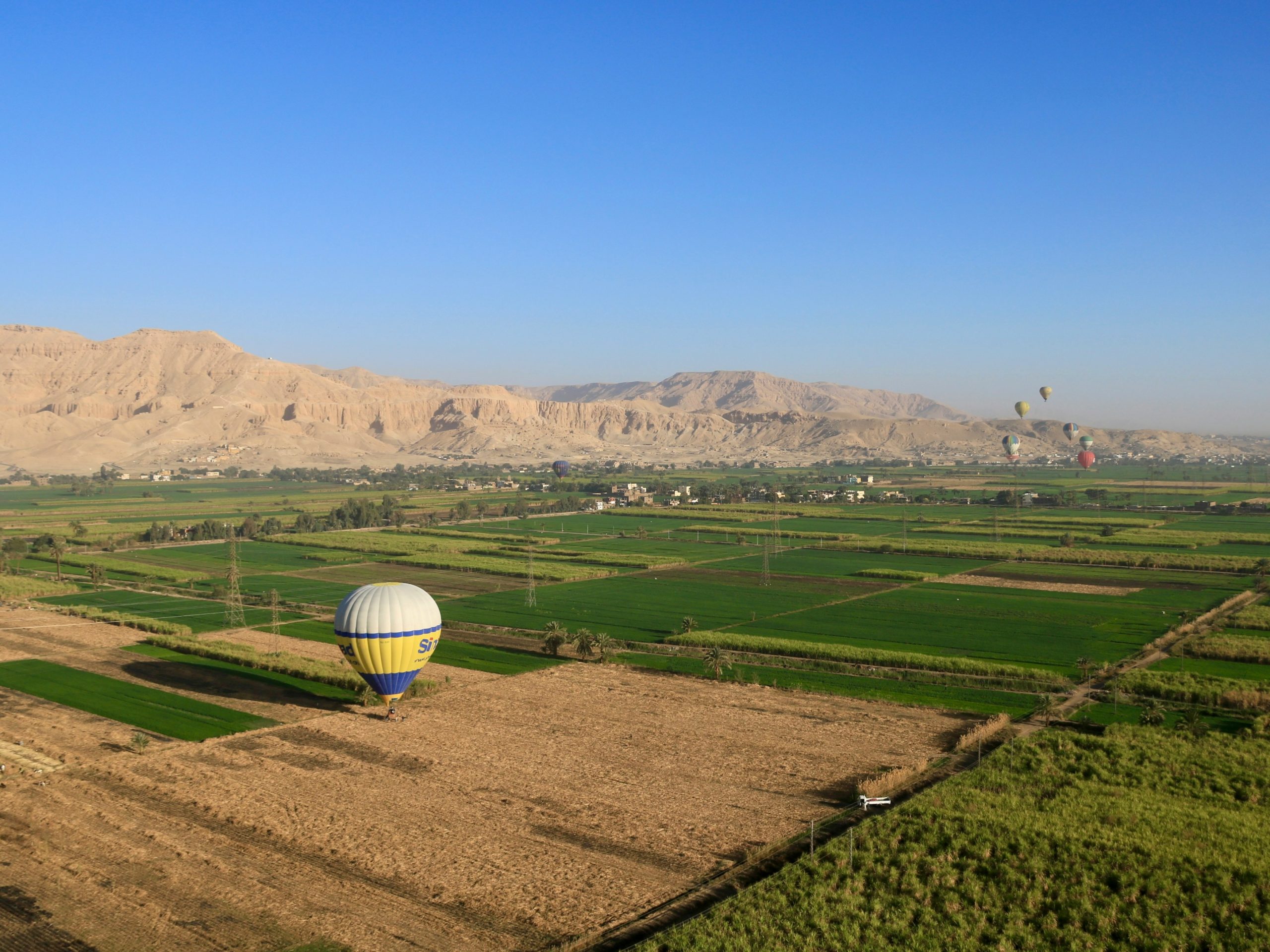
Egypt is located in North Africa with the Mediterranean Sea to the north and the Red Sea to the east making it an important link between Africa and the Middle East. The country is famous for the Nile River which runs from south to north and has supported Egyptian civilization for thousands of years. Most of Egypt is covered by desert particularly the vast Sahara Desert. However the fertile land along the Nile Valley and Nile Delta is where most people live and farm. This contrast between green riverbanks and endless desert landscapes makes Egypt’s geography truly fascinating.
Why is Egypt historically important?
Egypt is one of the world’s oldest civilizations, with a history that goes back more than 5,000 years. It is famous for incredible ancient monuments such as the Pyramids of Giza, the Great Sphinx, and the temples of Luxor and Karnak. Ancient Egyptians developed advanced knowledge in architecture, medicine mathematics and astronomy. They also created a unique writing system called hieroglyphics which can still be seen carved on temple walls today. Because of its remarkable heritage, Egypt remains one of the most historically significant destinations on Earth.
What language and religion are common in Egypt?
The official language of Egypt is Arabic and it is spoken by the vast majority of the population. Many Egyptians working in tourism also speak English and sometimes other languages making communication easier for visitors. The main religion in Egypt is Islam practiced by most of the population. However Egypt is also home to a significant Coptic Christian community one of the oldest Christian groups in the world. This mix of traditions and cultures gives Egypt a rich and diverse social identity.
What are the most popular tourist attractions in Egypt?
Egypt offers a wide range of attractions that appeal to history lovers adventure travelers, and beach tourists. Many visitors come to see the Valley of the Kings, where ancient pharaohs were buried in beautifully decorated tombs. The massive temples of Abu Simbel are another highlight carved directly into rock cliffs along the Nile. Travelers also enjoy Nile River cruises, which allow them to explore historic cities like Luxor and Aswan in a relaxing way. For those who love the sea, the Red Sea coast offers world, class snorkeling and diving with colorful coral reefs.
What should travelers know before visiting Egypt?
Before visiting Egypt, travelers should know that the country has a warm desert climate with very hot summers and mild winters. It’s important to dress comfortably and respectfully, especially when visiting religious sites. Egyptian culture is known for its warm hospitality and locals often welcome visitors with friendliness and curiosity. Popular local foods such as koshari, falafel and fresh flatbread are delicious and affordable. With a little preparation and an open mind, visiting Egypt can be an unforgettable cultural and historical experience.
Still have questions?
Our local safari experts are happy to help you plan the perfect African safari.