Table of Contents
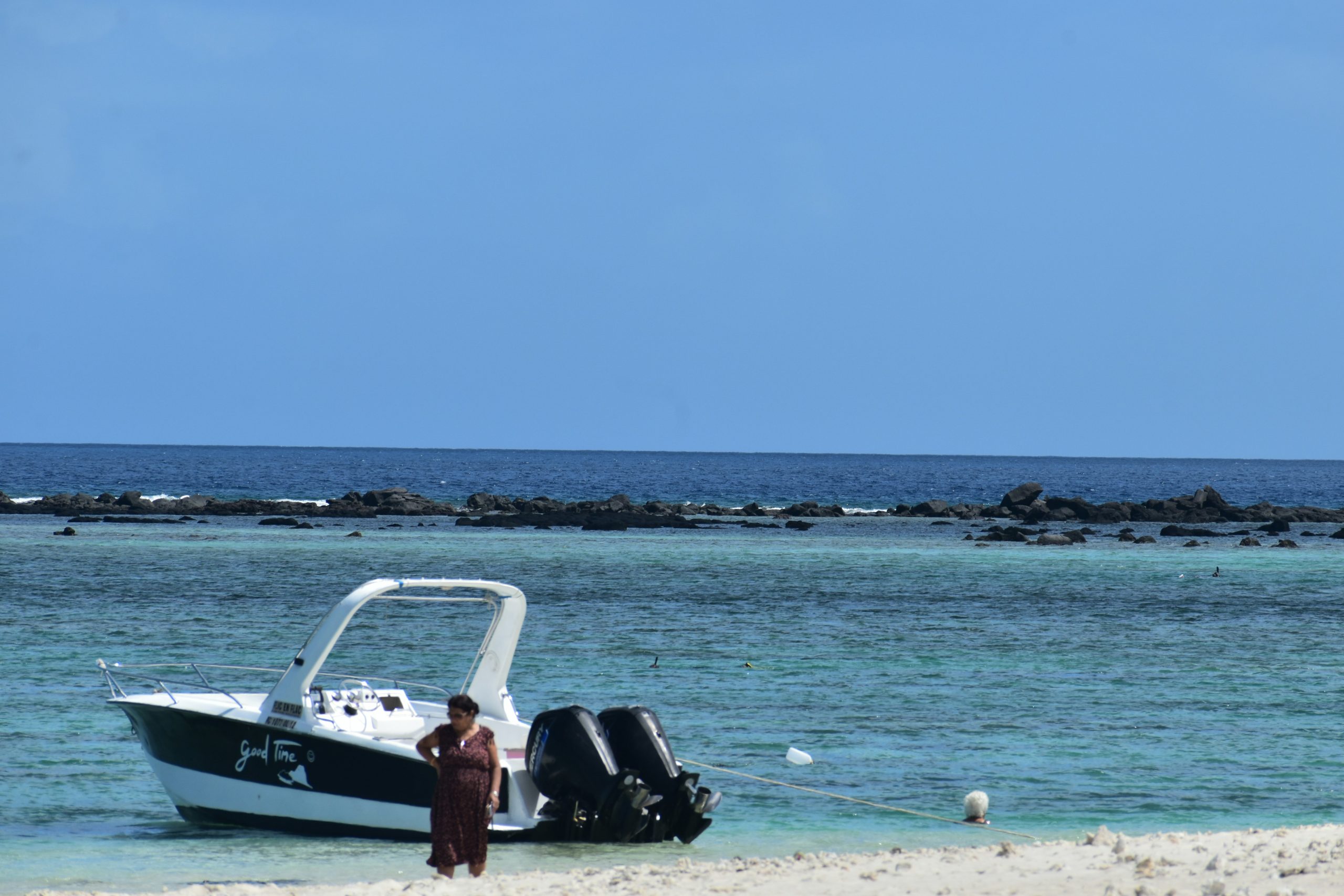
Mauritius is all about fun in the sun! The Island offers year-round warm weather, sumptuous beach resorts and endless kilometres of sandy white beaches. Enjoy a myriad of water sports and sensational Creole food…
People & Culture
Mauritius is an eclectic mix of varied ethnicities and cultures. The largest group, the Indo-Mauritians, are descendants of the Indian labourers who the British brought to work the cane fields. The Chinese (Sino-Mauritians) also immigrated to work the cane, and to start new lives as entrepreneurs. Creoles, the French and the Franco-Mauritians were the island’s original settlers, some of which are descended from African slaves.
European architectural influences are in evidence around Mauritius. Creole houses, which are adapted to the sunny and humid climate, showcase the island’s traditional architecture. Another aspect of Mauritian culture is the colourful festivals; Christmas for Christians, the Spring Festival by the Chinese, Diwali for the Hindus; and Eid-Al-Fitr for the Muslims, are amongst the festive celebrations carried out each year.
Music is an important part of life on Mauritius, as evidenced by the famed sega dance. Rooted in African culture, this exotic dance is also influenced by Latin and Caribbean beats. In recent years, a blend of sega and reggae music has combined to create a new sound of conventional Mauritian local music: Seggae.
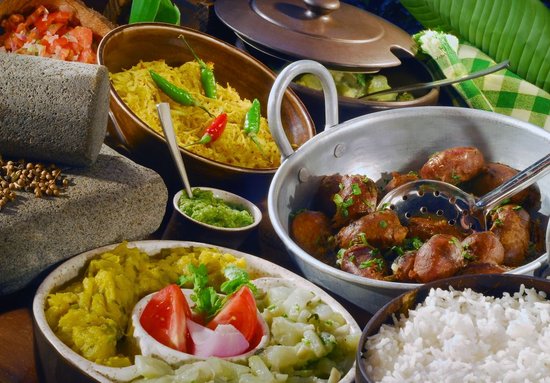
Mauritian cuisine is a mouth-watering offering of French, Creole, Indian, Chinese and English dishes. Seafood is, unsurprisingly, an island specialty: tempt your palate with delights like sounouk (salted fish), octopus stew, oysters, lobster, crabs, prawns and crayfish. Foodies should also indulge in Muslim biryani, Indian chicken curry, French-style veggies, Creole roast beef, and Chinese pork. Local beverages include alooda, a sweet brew of agar, milk and other flavours; and lassi, a yogurt-fruit drink.
How to Get There
Several international airlines offer flights into Mauritius’s two major airports. By far, flying is the fastest, most convenient, and most popular method of transport onto the island. However, limited passenger service is available by boat. There are also private yachts that occasionally make their way to the island.
Note that all travellers must pay a departure tax when they leave Mauritius.
Visa
Citizens of the United States, the European Union, and other nations do not require a visa to enter Mauritius. Be aware that your passport must be valid for at least six months following your arrival in Mauritius. Additionally, you must be able to provide Immigration officials with provide proof of sufficient travel funds and a return ticket home. These requirements are subject to change, and should be verified prior to travel.
Accommodation
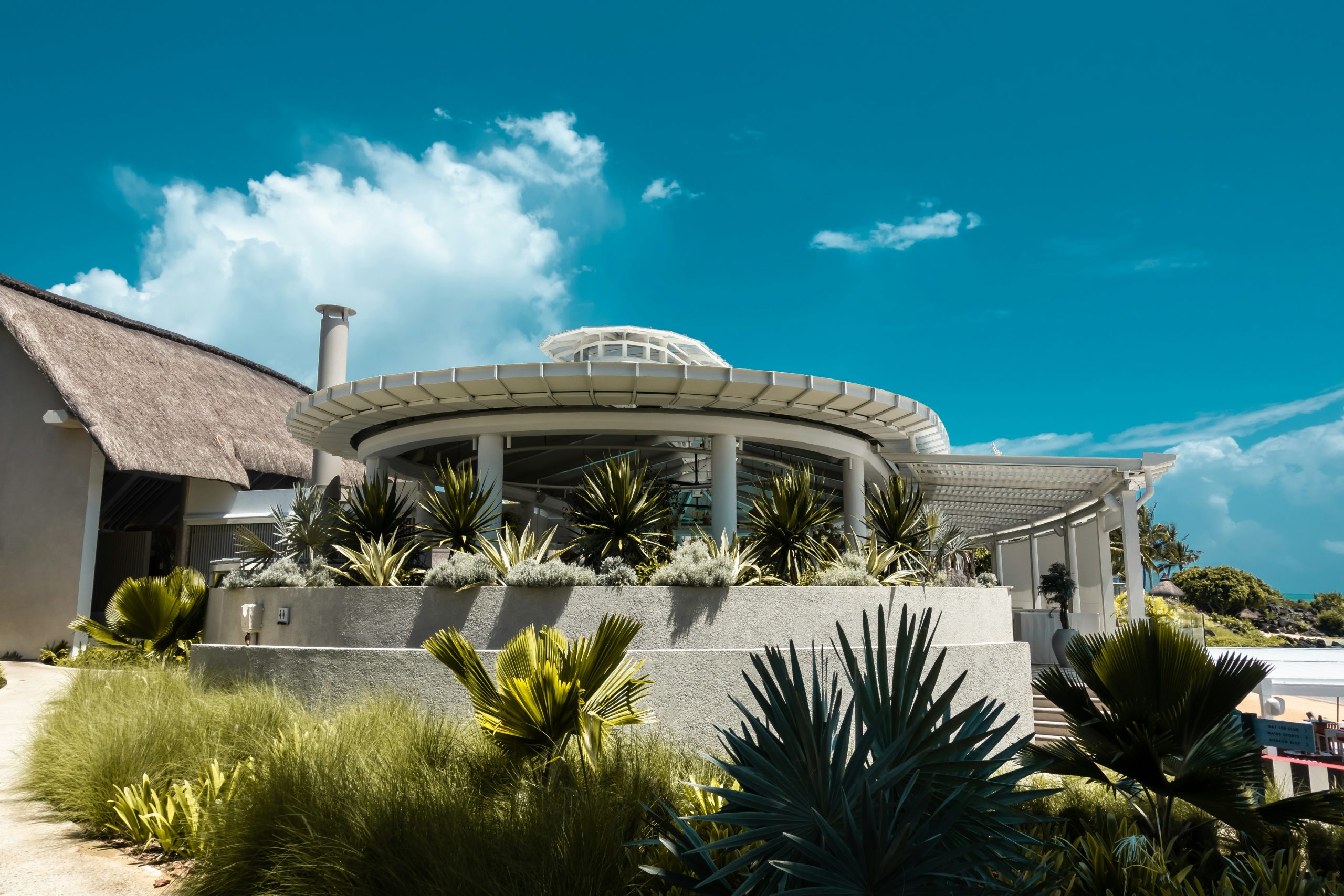
Mauritius hotels and lodges suit all budgets, from thrifty students to travellers accustomed to 5-star luxuries. In the high season (June-September) and over Christmas, hotel reservations should be made in advance, as accommodations tend to book up quickly. Additionally, Immigration officials at the airport expect you to identify where you will stay on your trip – another prudent reason to book in advance.
Getting Around
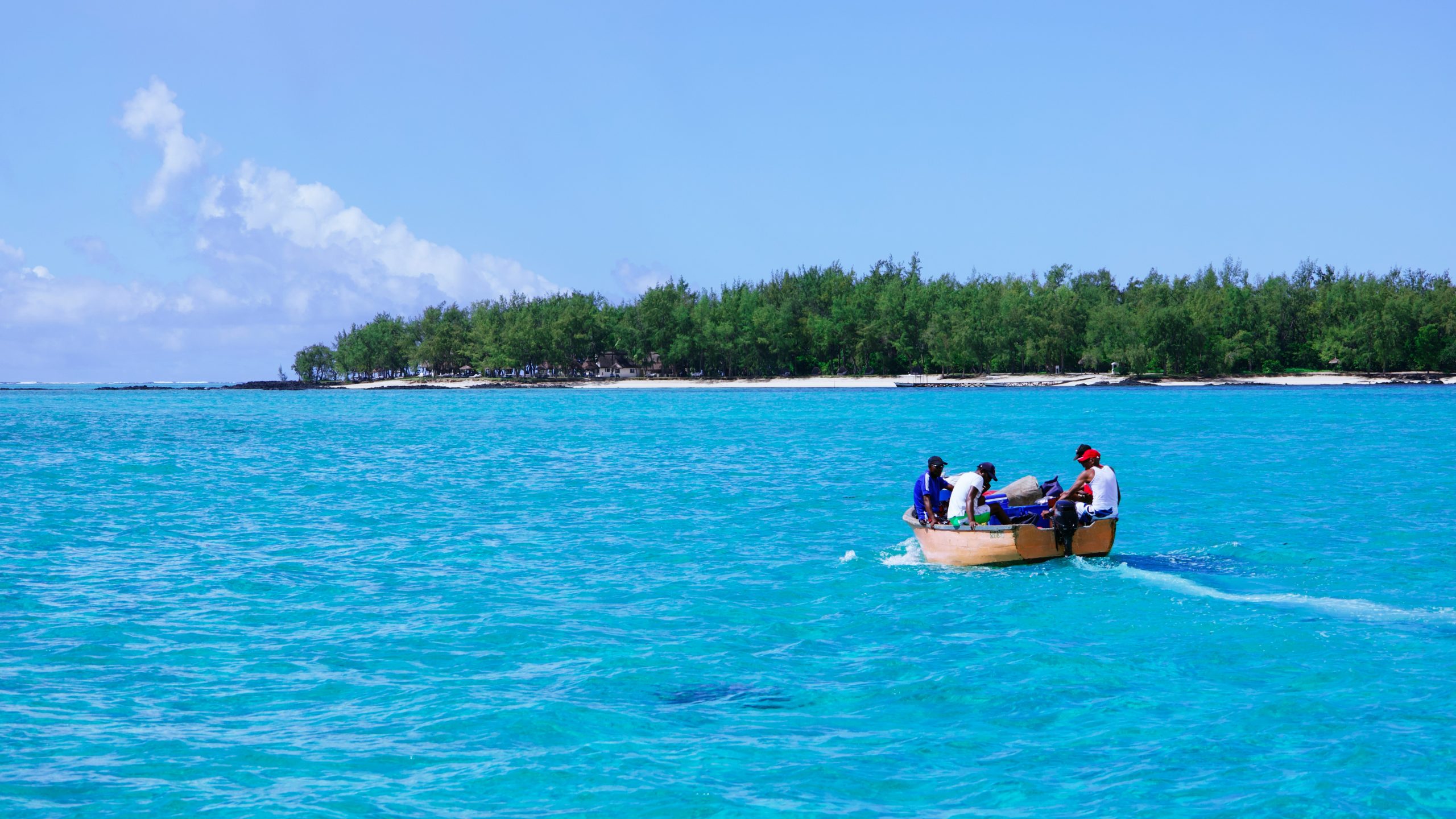
Daily flights and occasional boat service are available to Reunion and Rodrigues Islands. Within Mauritius, the road network is very good, and several bus companies offer reliable service. Taxis are widely available at reasonable rates, but be sure to agree on the fare before beginning your trip. Additionally, Mauritius rental cars are available; note that you will need an international driving license. Traffic drives on the left.
Travel Insurance
Before traveling abroad, ensure that your home health insurance policy covers travel to Mauritius. If not, travel health insurance is available. Additionally, you should secure a travel insurance policy that covers emergency evacuation.
Climate
During the summer months (October-May), the weather on Mauritius is hot, wet and humid; temperatures hover around 27ºC (80ºF) on the coast and 22ºC (72ºF) inland, but can skyrocket to over 35ºC (95ºF) on a hot day. Summer brings frequent rains (heaviest January-March) and cyclones, but take heart: cyclones only pass by about four days a year. Light rains are common throughout the year. During the winter (June-September), the weather is warm and dry, and temperatures cool to about 13º to 19ºC (55º to 66ºF).
Health
Before traveling to Mauritius, verify with your primary care physician that you are current on all standard vaccinations, including measles-mumps-rubella (MMR), diphtheria-tetanus-pertussis, varicella (chickenpox), polio, and the flu shot. You should also discuss whether you should be vaccinated against hepatitis A, hepatitis B, typhoid, and rabies.
Malaria is uncommon, though visitors traveling to rural areas, especially the Rodrigues Islands, may prefer to take anti-malarial medical before their trip. To prevent bites, sleep under mosquito nets and use insect repellent. If applicable, protection against STIs, including HIV-AIDS, should be taken.
There is no risk of yellow fever in Mauritius. To promote healthy travellers, Immigration requires an international certificate of vaccination against yellow fever from any traveller who has visited a yellow fever nation. Citizen of some non-endemic countries – Europe, North America, Australia and New Zealand – may be exempt from this requirement.
Major hospitals, medical facilities and chemists (pharmacies) widely available throughout Mauritius. Nevertheless, if you suffer from serious allergies or a major medical condition, always wear a medical alert bracelet and carry your medications.
Money
The country’s official currency is the Mauritian Rupee. Travellers cheques and foreign currency may be exchanged at local banks, bureaus, and some hotels; cheques in U.S. Dollars and South African Rand receive the best exchange rates. Major credit cards, including Visa, MasterCard, American Express, and Diners Club, are widely accepted throughout the island, especially at hotels and other tourist establishments.
Frequently Asked Questions
Where is Mauritius located and what makes it special?
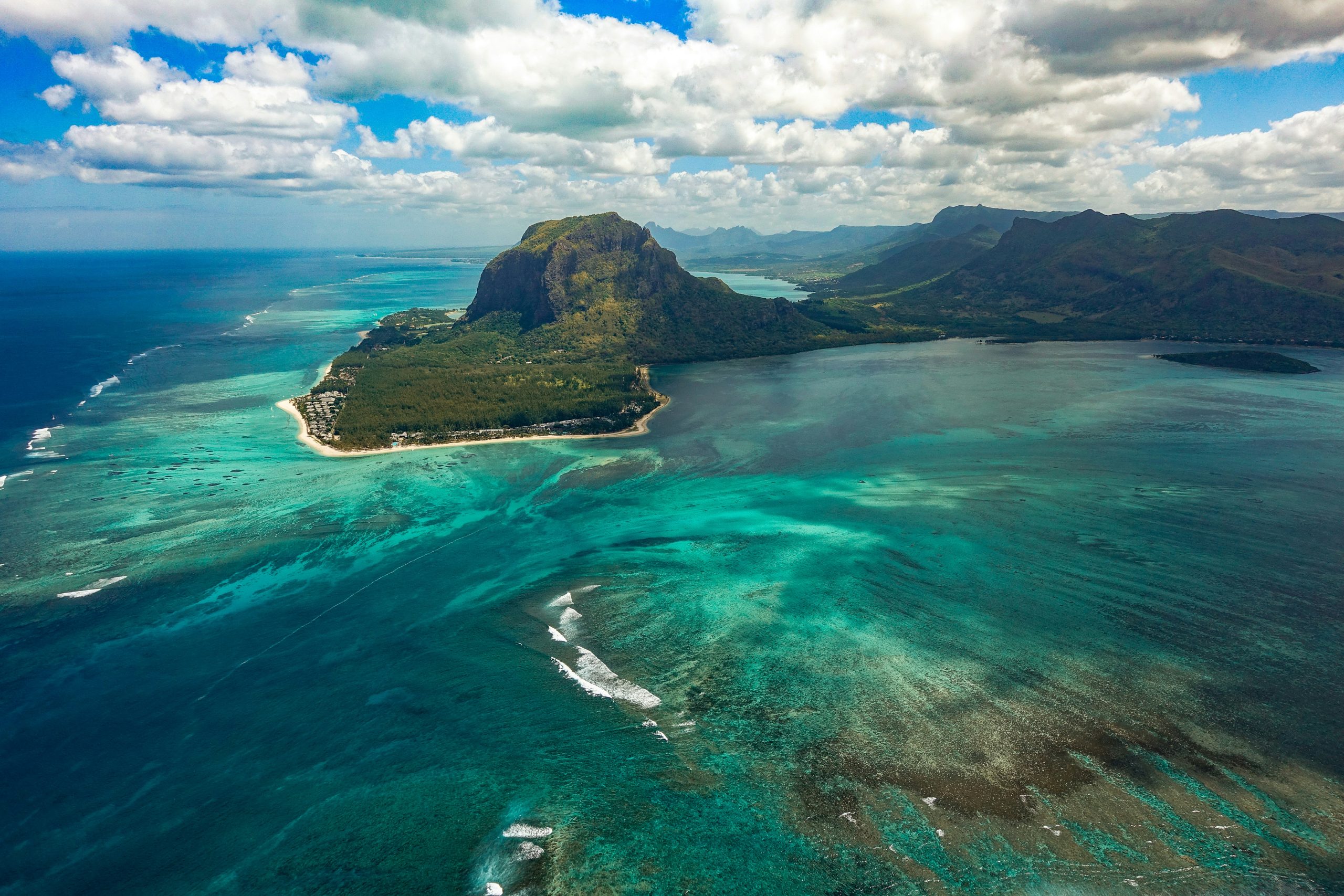
Mauritius is a beautiful island nation located in the Indian Ocean about 2,000 , kilometers off the southeast coast of Africa. The island is known for its turquoise lagoons white sandy beaches and lush green mountains formed by ancient volcanic activity. Although it is relatively small, Mauritius offers a remarkable variety of landscapes including coral reefs waterfalls forests and sugarcane fields. Its tropical climate makes it a popular year, round destination for travelers looking for sunshine and relaxation. Because of its natural beauty and peaceful atmosphere, Mauritius is often considered one of the most stunning islands in the world.
What languages and cultures are found in Mauritius?
Mauritius is famous for its multicultural society shaped by influences from Africa India Europe and China. The official language used in government is English but French and Mauritian Creole are widely spoken in everyday life. Many residents also speak languages such as Hindi, Tamil or Mandarin because of their cultural heritage. Different religions coexist peacefully on the island, including Hinduism, Christianity Islam and Buddhism. This cultural diversity is reflected in the island’s festivals, food, and traditions, making Mauritius a fascinating place to experience many cultures in one destination.
What are the top attractions to visit in Mauritius?
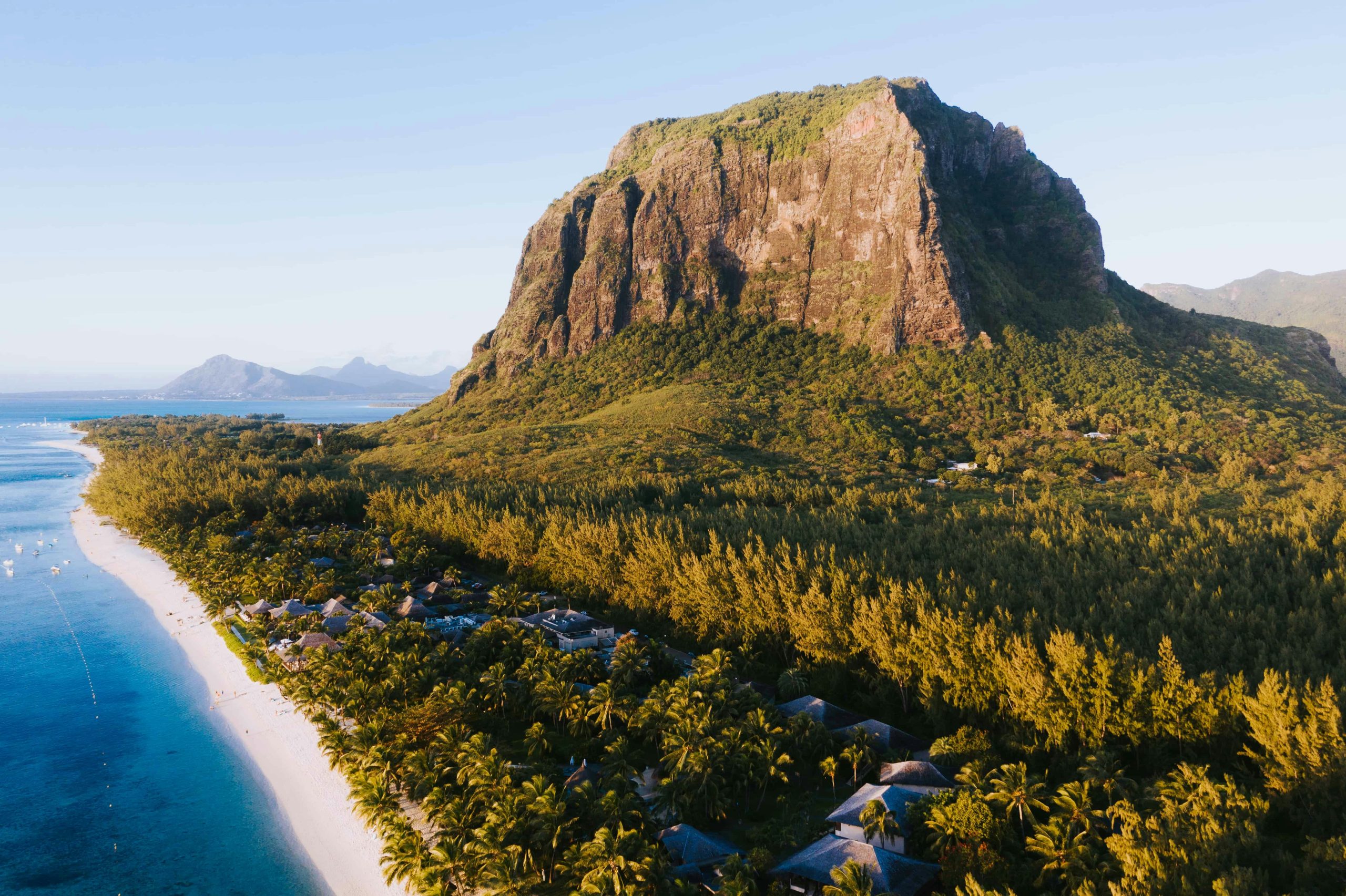
Mauritius offers a wide range of attractions that combine natural beauty and unique experiences. One of the most famous places is Chamarel’s Seven Colored Earth, where sand dunes naturally appear in different shades. Travelers also love visiting Le Morne Brabant, a dramatic mountain and UNESCO World Heritage Site with deep historical significance. Nature lovers often explore Black River Gorges National Park, which protects forests, waterfalls, and rare wildlife. The island is also known for the famous “underwater waterfall” illusion seen from the air near the southwestern coast.
What activities can visitors enjoy in Mauritius?
Mauritius offers plenty of exciting activities for visitors who enjoy both relaxation and adventure. The island is surrounded by coral reefs, making it perfect for snorkeling, scuba diving, and swimming in calm lagoons. Many travelers also enjoy catamaran cruises, where they can explore small islands and enjoy the ocean views. Hiking through forests and visiting waterfalls is another popular activity, especially in the island’s national parks. Some tours even include dolphin watching or deep, sea fishing, giving travelers unforgettable experiences on the water.
What is the food and lifestyle like in Mauritius?
Food in Mauritius reflects the island’s rich cultural mix and is one of the highlights of visiting the country. A popular street food is dholl puri, a soft flatbread filled with ground lentils and served with curry or chutney. Seafood is also widely enjoyed often prepared with flavorful spices and local herbs. Fresh tropical fruits such as mangoes, pineapples, and lychees are easy to find in local markets. Life on the island moves at a relaxed pace, and visitors often appreciate the friendly atmosphere and warm hospitality of the Mauritian people.
Still have questions?
Our local safari experts are happy to help you plan the perfect African safari.