
Table of Contents
Discover the top ten animals you should see on safari in Africa. From the Big Five to the elegant giraffe, this list highlights the must-see wildlife that makes an African safari truly unforgettable. And of course, if you’re lucky enough to go on multiple safaris, rarer species like the pangolin or African wild dog can bring even more excitement than spotting a giraffe or two.
If you have any questions about planning your safari, you can explore more safari articles here. If you’re interested in booking a bespoke luxury safari in Africa, feel free to contact me to discuss your options.
1. Lion
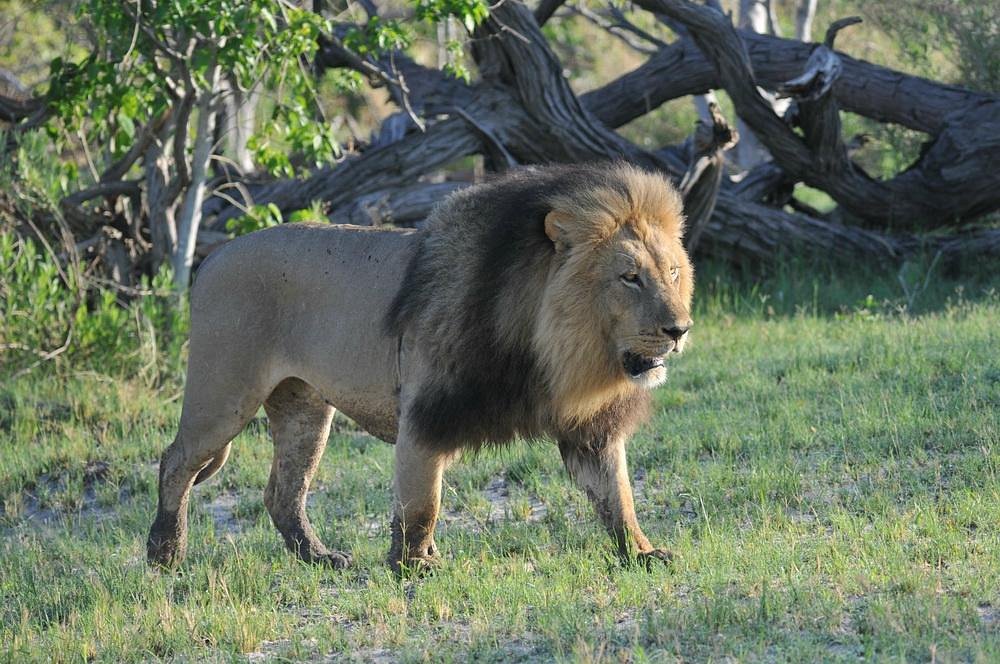
Seeing a lion in its natural habitat is one of the main highlights of a safari in Africa. You are more likely to find one resting than actively hunting, as lions spend up to 20 hours a day sleeping or relaxing.
Although lion populations are declining, they can still be seen in major parks and reserves such as Kruger National Park, the Maasai Mara, and the Serengeti. Unlike most other big cats, lions are highly social and live in prides, which often makes them easier to spot than elusive species like leopards or cheetahs.
Personal Best – Tarangire National Park, Tanzania: After a quiet dusk drive with very few sightings, we were heading back to camp when we nearly drove into the largest, most striking male lion I have ever seen. He stood right on the road, the sun behind his mane, simply staring at us with an expression of pure defiance.
2. Elephant
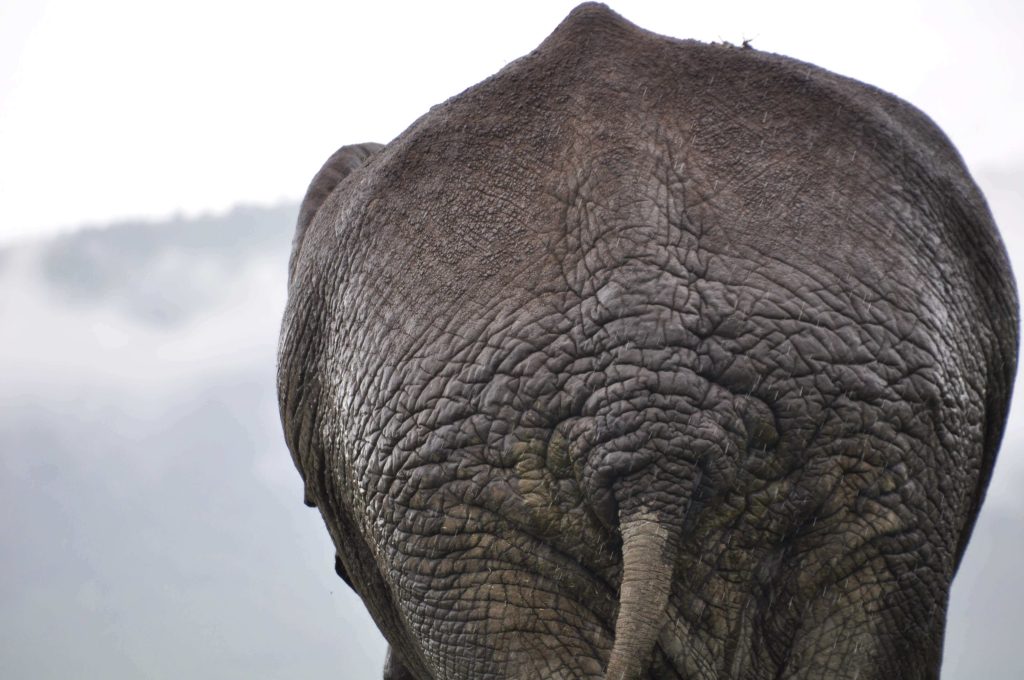
The African elephant is the largest land mammal on Earth, and you’ll be in awe the first time you see one on safari. Elephants live in woodlands, forests, deserts, and savannahs across 37 countries in sub-Saharan Africa.
They are generally peaceful when left alone, but if threatened, they can be extremely dangerous. There’s nothing quite like the experience of being charged by a 12,000-pound animal, ears flapping and trunk trumpeting loudly. Elephants can grow over 14 feet tall and span up to 30 feet in length. They drink around 30–50 gallons of water every day and are strict vegetarians.
Personal Best – Serengeti National Park, Tanzania (2024): I spent a memorable hour watching several elephant families come to a waterhole to drink, splash, and wrestle. They came so close we could have reached out and touched them.
3. Giraffe
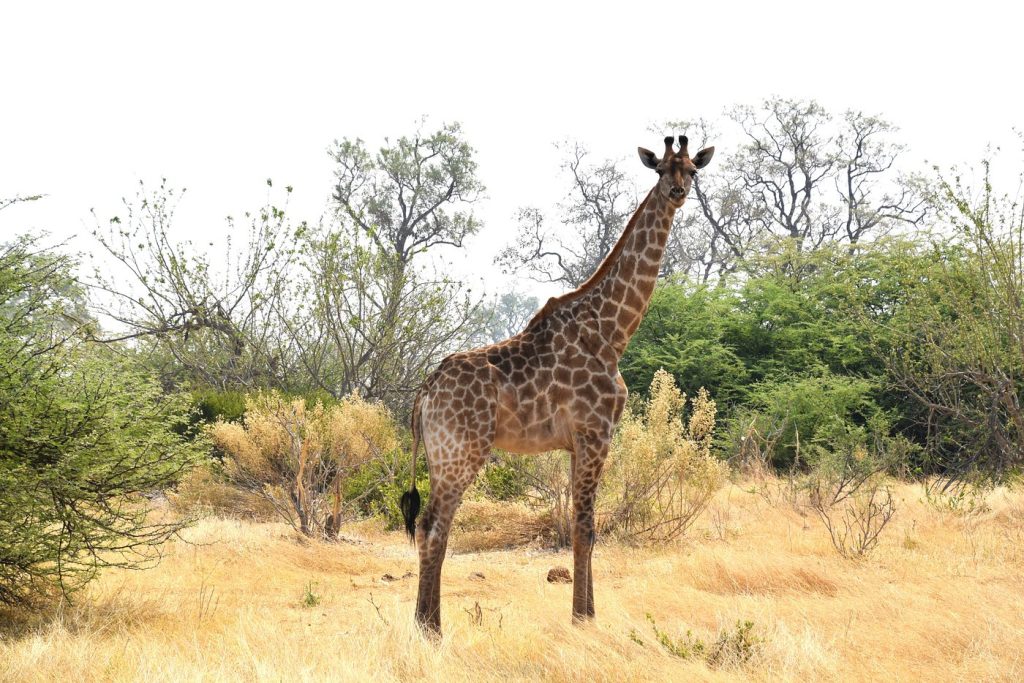
The giraffe is one of the most captivating animals to spot on safari in Africa. They have blue tongues, small five-inch horn-like structures on their heads, and, of course, their famously long necks.
Inside the giraffe’s neck are special veins and blood vessels that help regulate blood pressure, preventing them from fainting when they bend down to drink. As the tallest mammal on Earth, giraffes are relatively easy to spot, which is always a rewarding sight when tall grass or thick bush makes wildlife viewing more challenging.
If you’re camping in the African bush, you’ll notice giraffes are calm and quiet animals. Unlike many other species, they don’t roar or grunt, which makes their presence feel even more peaceful.
Personal Best – Every giraffe I’ve seen has been memorable, especially those in northern Tanzania outside the national parks, where they browse calmly alongside Maasai cattle.
4. Leopard
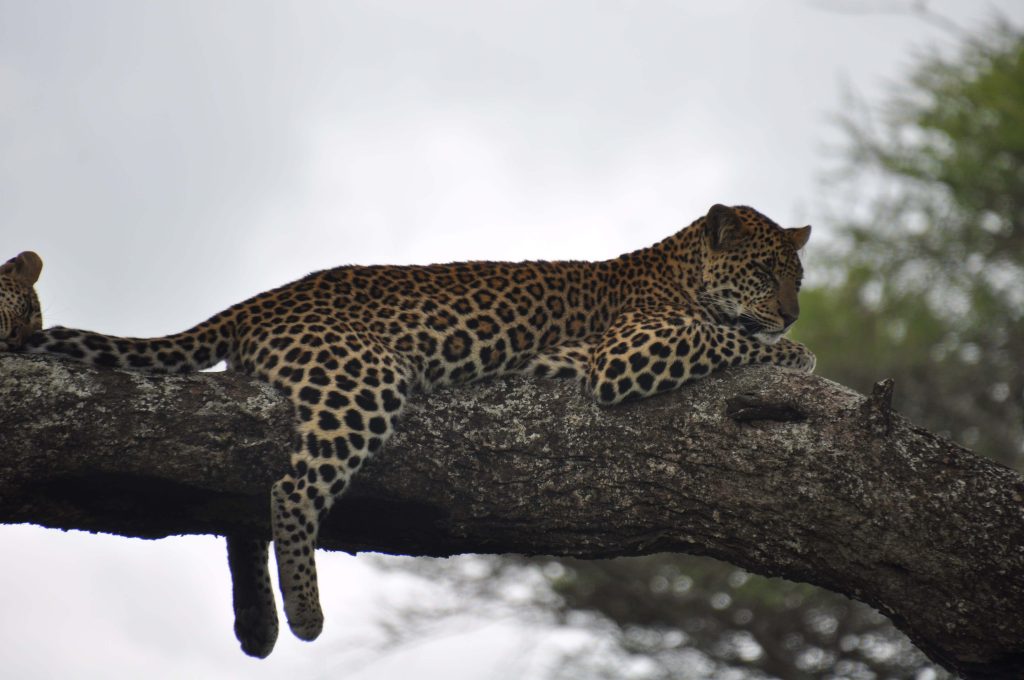
The African leopard (Panthera pardus) is more numerous than the African rhino within the Big Five, yet it remains one of the most difficult animals to spot on safari in Africa.
Leopards often use trees as both observation points and safe resting places, so remembering to look up is essential when searching for this solitary and strikingly beautiful cat. Naturally shy and mostly nocturnal, leopards are surprisingly adaptable and can climb, swim, and survive across a wide range of habitats—more so than many other wild cats.
Personal Best – On my first night drive in Ndutu, Serengeti, Tanzania, I was fortunate enough to spot a leopard quietly drinking at a waterhole, not resting in a tree for once.
5. Rhino
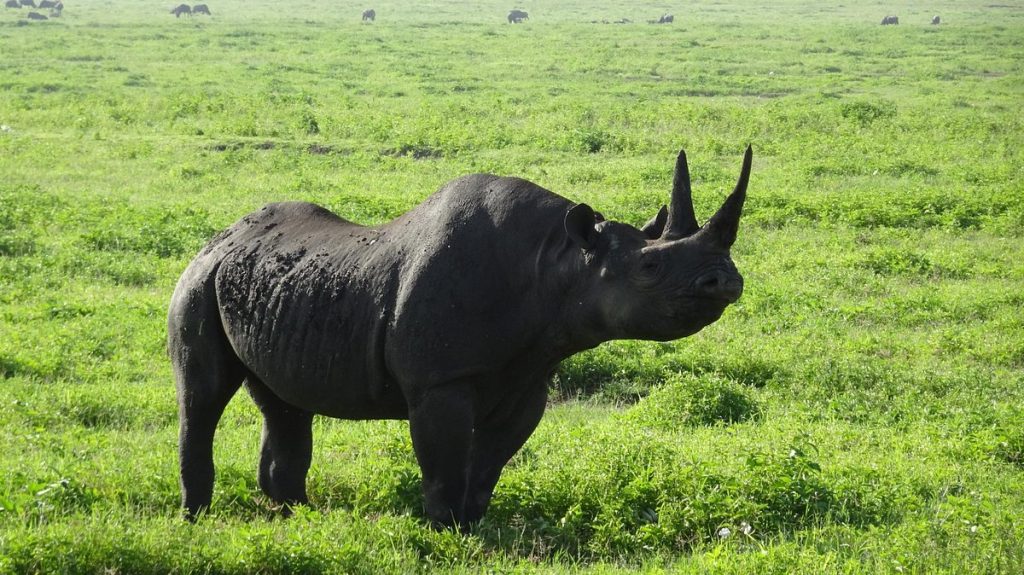
There are two species of rhino in Africa: the Black Rhino (Diceros bicornis) and the White Rhino (Ceratotherium simum).
Black rhinos have suffered the most dramatic population declines over the past two decades, with only around 4,000 remaining in the wild. As a result, they are rarely seen on safari unless you are in conservation areas where they have been reintroduced.
White rhinos are more numerous, with a population of over 17,000, and are mainly concentrated in Southern Africa. They are large and powerful animals—an adult white rhino can weigh up to 6,000 pounds. Rhinos are generally short-sighted and can be a bit temperamental, but they are truly magnificent to observe in the wild.
Personal Best – Racing alongside a family of rhinos in Timbavati, South Africa was an unforgettable experience, although it did feel slightly intrusive at the time.
6. Cheetah
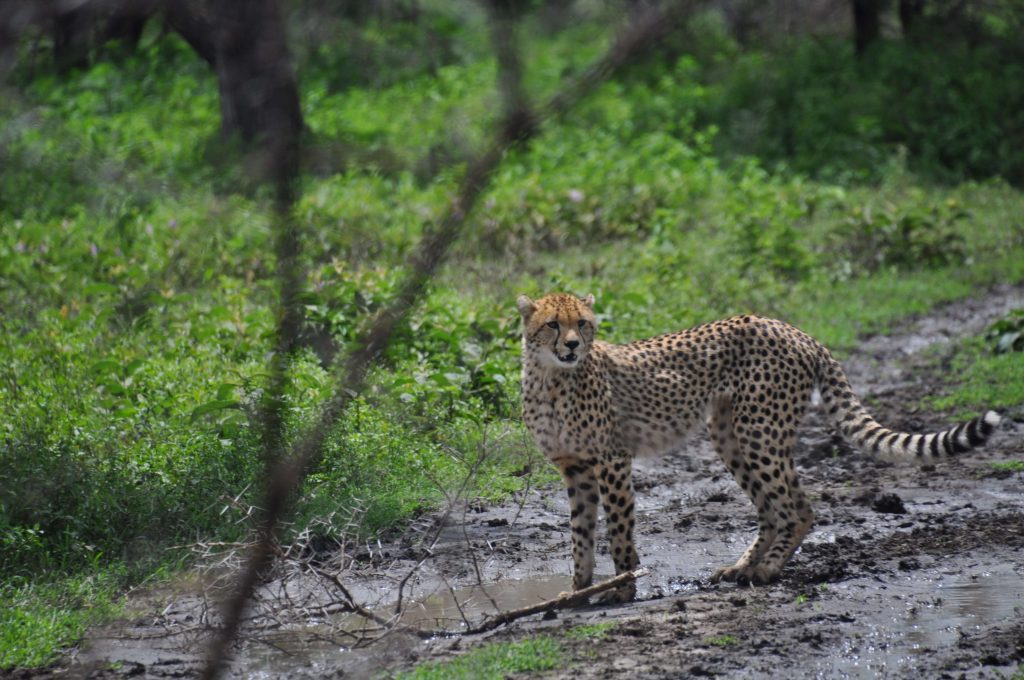
Cheetahs are rare and beautiful cats, best known for their incredible speed. As the fastest land animals on Earth, they are highly skilled hunters, but they often struggle to protect their kills from aggressive scavengers such as hyenas and lions.
Their preference for wide-open landscapes also brings them into conflict with humans and livestock. Today, only around 12,000 cheetahs remain in the wild, spread across eastern and southwestern Africa. Because of their low numbers and elusive nature, they are not easy to spot on safari. Your best chance of seeing them is in Tanzania’s Serengeti or in several reserves in Namibia.
Personal Best – I have seen many, resting on the plains of the Serengeti.
7. Mountain Gorilla
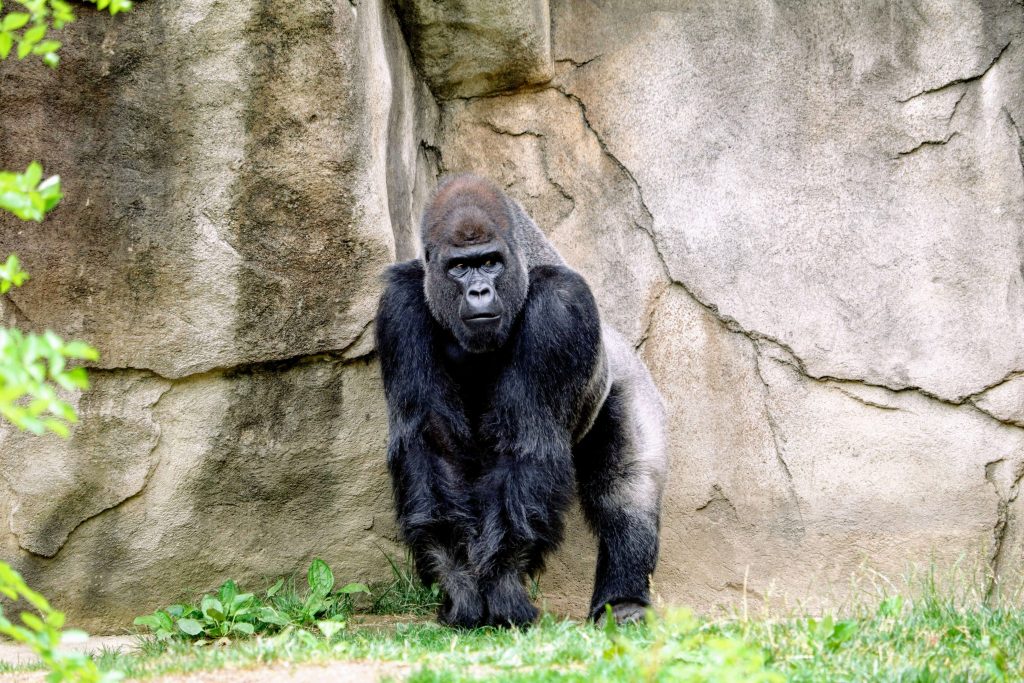
You have to take a special safari to see mountain gorillas because they are so rare and live in a very limited range in East Africa. With only around 720 mountain gorillas left in the wild, choosing to visit them also directly supports their conservation and long-term survival. It’s often an easy side trip to add if you’re already on a traditional safari in East Africa.
Personal Best – A young silverback came up from behind us while we were watching females in the Sabinyo group. I was apparently right in his path when a ranger grabbed my arm and pulled me out of the way just in time. He was so close I could actually feel his breath on the back of my neck. About five minutes later, he gently struck me on the head with a bamboo branch.
8.Hippopotamus
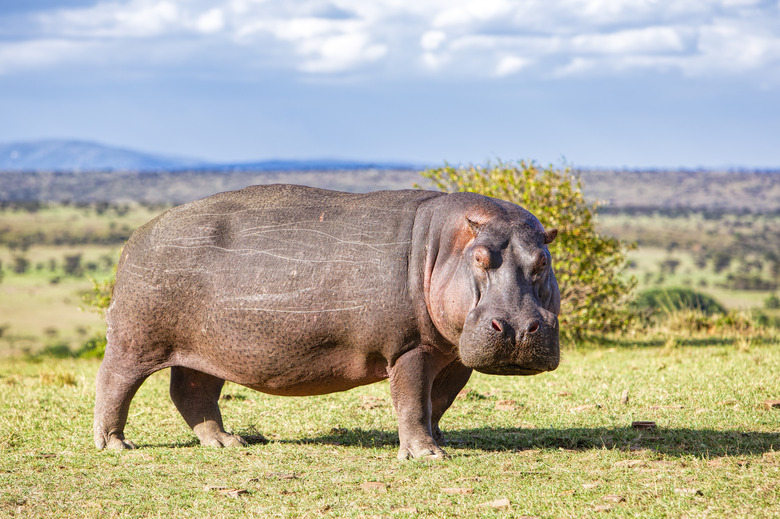
Hippos can be found in lakes and rivers throughout sub-Saharan Africa and are relatively easy to spot on safari. One of the best places to see them is the Luangwa River in Zambia, where pods can number over 100 individuals during the dry season.
Despite their bulky appearance, hippos are surprisingly fast, an adult male can reach speeds of up to 20 mph, which is impressive for an animal weighing up to 3.5 tonnes. They are also among the most dangerous animals in Africa and are responsible for a significant number of human fatalities each year.
Fun Facts:
- Hippos secrete a natural sunscreen.
- The hippo’s closest living relative is the whale.
- Hippos consume over 100 pounds of vegetation per day.
- Hippos can’t jump.
Personal Best – Dodging aggressive males while in a flimsy canoe for four days on the Rufiji River was probably as close as I will ever get to a hippo encounter (and hopefully the closest I ever get).
9. Nile Crocodile
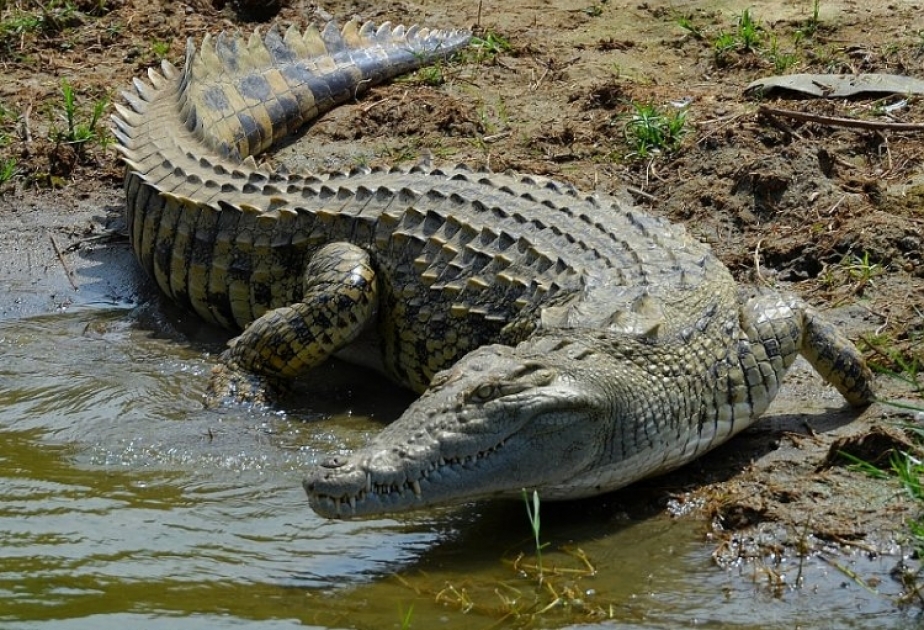
The Nile Crocodile can be found in almost every major river across the continent, as well as in many lakes. Crocodiles are easy to spot on safari; you’ll often see them sunning themselves on riverbanks with their mouths wide open.
These remarkable reptiles have existed for over 200 million years, giving them a truly prehistoric appearance. Adult males can reach lengths of up to 18 feet. They are responsible for a number of human fatalities each year and are considered among Africa’s most dangerous animals.
10. Zebra
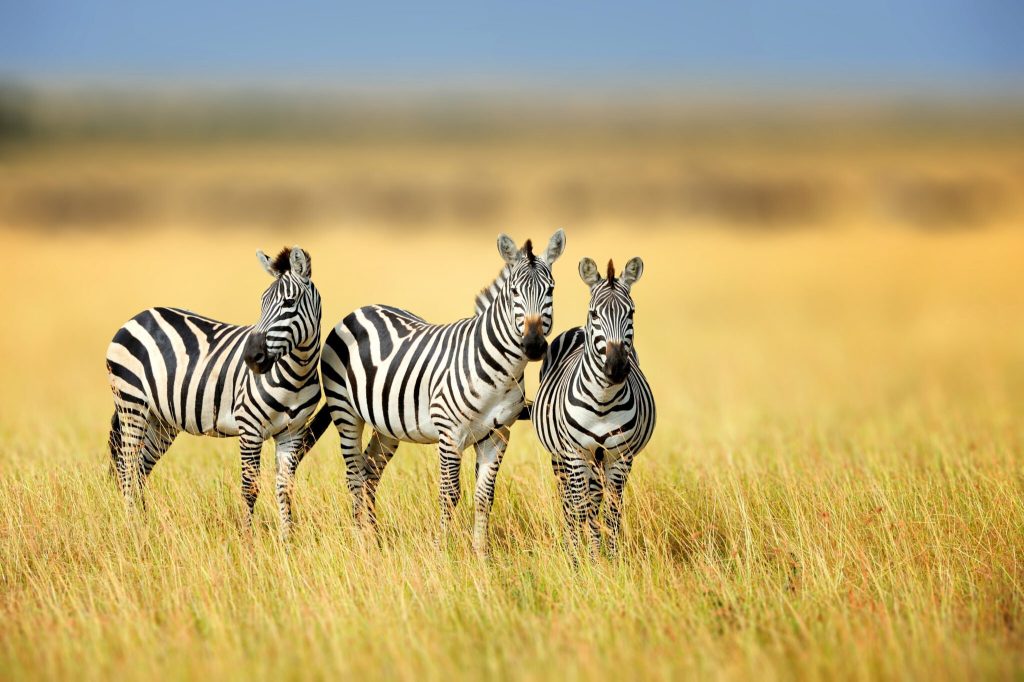
Zebras are very common throughout East and Southern Africa, although they are mostly found within national parks and protected reserves. They always appear remarkably healthy, which makes it easy to understand why they are a preferred prey for lions and hyenas.
Because they resemble horses, it can be tempting to imagine riding them, but zebras are not easily domesticated. They are grazers and often move in large migratory herds. No two zebras share the same stripe pattern; each one is unique, much like a fingerprint. You can also explore why zebras and wildebeest migrate together.
Personal Best – Seeing thousands of zebras during their migration route in Tanzania’s Serengeti National Park was truly unforgettable. Just a sea of stripes, braying, snorting, grunting, and completely at ease in the wild.
Frequently Asked Questions
Which animals are the most popular to see on an African safari?
The most popular animals are lions, elephants, leopards, rhinos, and buffalo. These animals are called the Big Five. Many travelers also love seeing cheetahs, giraffes, zebras, hippos, and wildebeests. Each animal gives a different safari experience. Seeing them in the wild feels exciting and unforgettable.
Where can you see the Big Five in Africa?
You can see the Big Five in countries like Tanzania, Kenya, South Africa, and Botswana. National parks such as the Serengeti National Park and Maasai Mara National Reserve are famous for wildlife. Early morning game drives are often the best time to spot animals. Some animals hide during the hot hours of the day. A good safari guide can help you find them more easily.
Why are giraffes and zebras loved by safari travelers?
Giraffes and zebras are beautiful and easy to recognize. Giraffes move slowly and gracefully across the plains. Zebras often stay together in large groups for safety. Their unique patterns make great safari photos. Many visitors enjoy watching them peacefully grazing in the wild.
What makes predators exciting to watch on safari?
Predators like lions, leopards, and cheetahs are very exciting to see. Lions usually rest together in prides during the day. Leopards are shy and often relax in trees. Cheetahs are known for their incredible speed. Watching these animals in nature gives travelers a real safari thrill.
Are elephants and hippos safe to watch during safari?
Yes, they are safe to watch when you follow your guide’s instructions. Elephants are calm most of the time but should always be respected. Hippos may look slow, but they can move very fast. Safari vehicles allow visitors to observe animals safely from a distance. Staying quiet and patient helps create a better wildlife experience.
Still have questions?
Our local safari experts are happy to help you plan the perfect African safari.





