
Table of Contents
While the “Big Five” steal the spotlight almost every time, we invite you to discover the “Little Five” and enjoy endless moments of excitement with these remarkable small creatures. Whether you’re on a safari in Kenya or Tanzania, grab your camera, adjust your lens, zoom in, click, and capture the Little Five. Don’t underestimate them as they are incredibly elusive, and photographing them is no easy feat.
The Leopard Tortoise, Rhinoceros Beetle, Ant Lion, Elephant Shrew, and Buffalo Weaver all derive part of their names from their larger and more famous counterparts, the Big Five.
Take the cue and get ready to say “Waah in the Savannah!” Feel the gentle breeze against your face as your adrenaline rises with every sighting in Africa’s pristine wilderness. Hop into your safari jeep and prepare to be captivated by breathtaking sunsets, unforgettable wildlife encounters, and the beauty of nature as you experience Earth in its rawest form.
Wander in wonder as you read on!
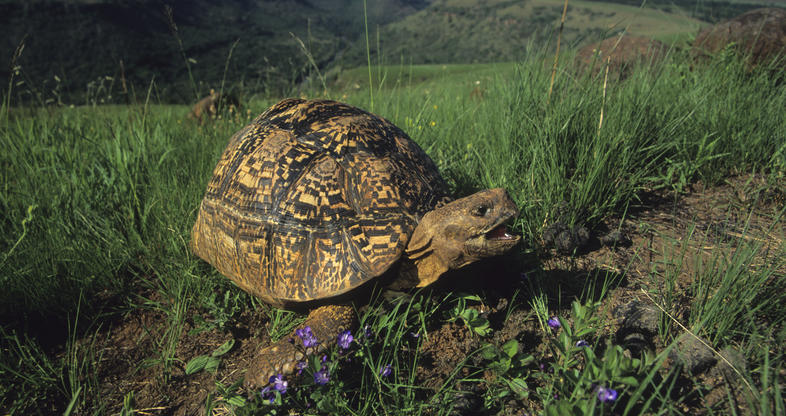
Leopard Tortoise
Spot these beautifully patterned tortoises unwinding in Africa’s backyard and discover the art of slowing down. Watch them as they graze on dry grasses and make themselves at home in burrows abandoned by other animals. After all, one animal’s loss is another’s gain.
Their striking shells immediately catch the eye with their unique gold and black markings, resembling the rosette patterns of a leopard. Leopard Tortoises are generally solitary and can be found across sub-Saharan Africa, from quiet stretches of open land to the semi-arid scrublands and savannahs they call home.
Despite their impressive appearance, their eggs are often taken by birds and are also eaten by some indigenous communities living in these regions. Protected by their remarkably strong and resilient shells, these tortoises are excellent climbers, capable swimmers, and can live for up to 100 years.
If you’re on safari in South Africa’s Kruger National Park, keep an eye out and don’t forget to say hello to these remarkable members of the Little Five.
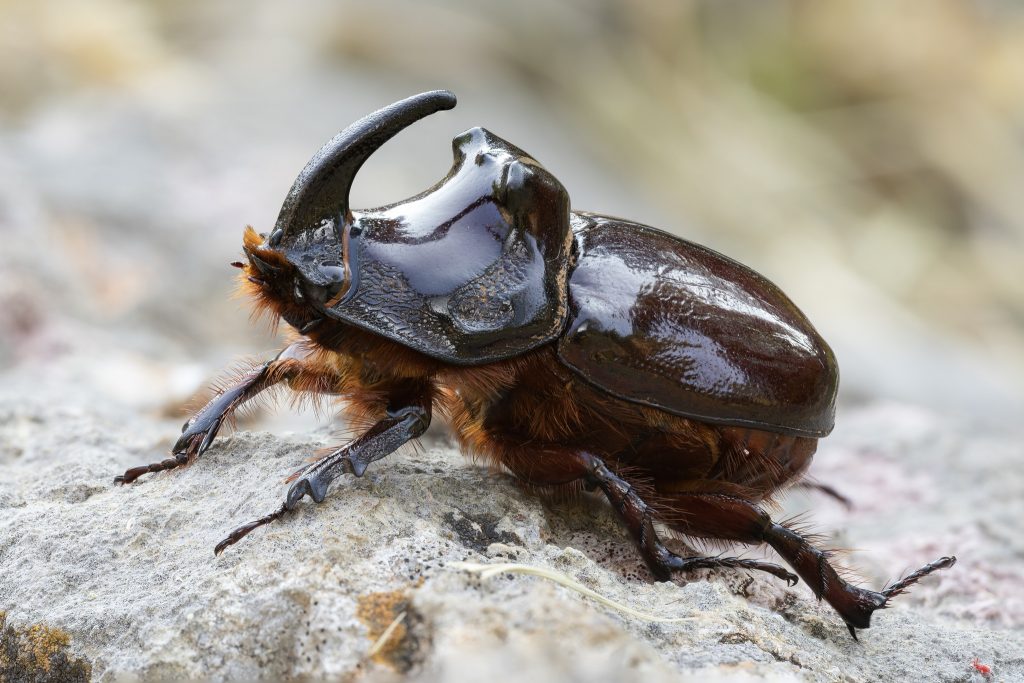
Rhinoceros Beetle
South Africa is home to nearly one-fifth of the world’s Rhinoceros Beetle species. These fascinating insects get their name from their impressive body armour and the distinctive horn that crowns the heads of both males and females.
Male Rhinoceros Beetles use their horns to battle rivals over territory and to help them reach food hidden inside rotting tree trunks. The species found in Africa are generally smaller than their counterparts elsewhere in the world, growing to about 2 inches (5 cm) in length, while some species in other regions can reach up to 6 inches (15 cm).
Spotting these fierce-looking beetles in the wild is no easy task. They are nocturnal, spending the day hidden away and becoming active only after dark.
Who says a vegetarian diet can’t build strength? Feeding on fruit, bark, tree sap, and other plant matter, Rhinoceros Beetles are considered among the strongest creatures on Earth relative to their body weight.
Your best chance of spotting different species is on a safari in South Africa, although a safari in Tanzania or Kenya may also reward you with an encounter with these remarkable members of the Little Five.
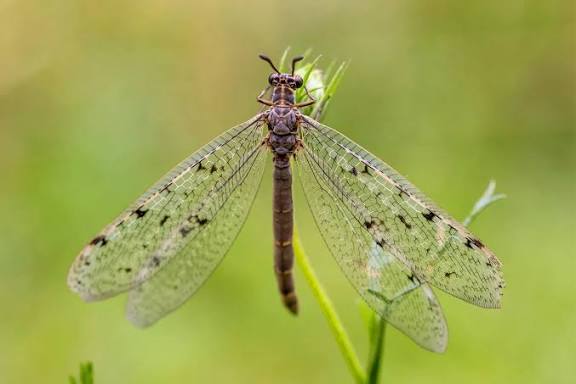
Antlion
Make way for the smallest member of the Little Five. Despite its tiny size, the Ant Lion is one of Africa’s most fascinating predators.
The most remarkable feature of the Ant Lion is its incredible ability to dig funnel-shaped pits in soft, dry sand to trap unsuspecting ants and other small insects. Hidden beneath the sand, the larvae wait patiently before ambushing their prey with astonishing precision. Their fierce hunting style is what earned them the name “Ant Lion,” reflecting the power and determination of their larger feline counterpart.
Using their hollow, sickle-shaped jaws, the larvae drain their prey before discarding the empty shell and waiting for their next meal. With their hairy bodies, oversized appearance, and fearsome jaws, they look quite intimidating. Once fully grown, however, they transform into graceful winged insects that closely resemble dragonflies or damselflies.
These tiny survivors are a lesson in patience and resilience. They can endure long periods without food and continue to thrive in some of Africa’s harshest environments.
Whether you’re on safari in Kenya or Tanzania, you’re likely to find Ant Lions almost anywhere across the continent if you know where to look.
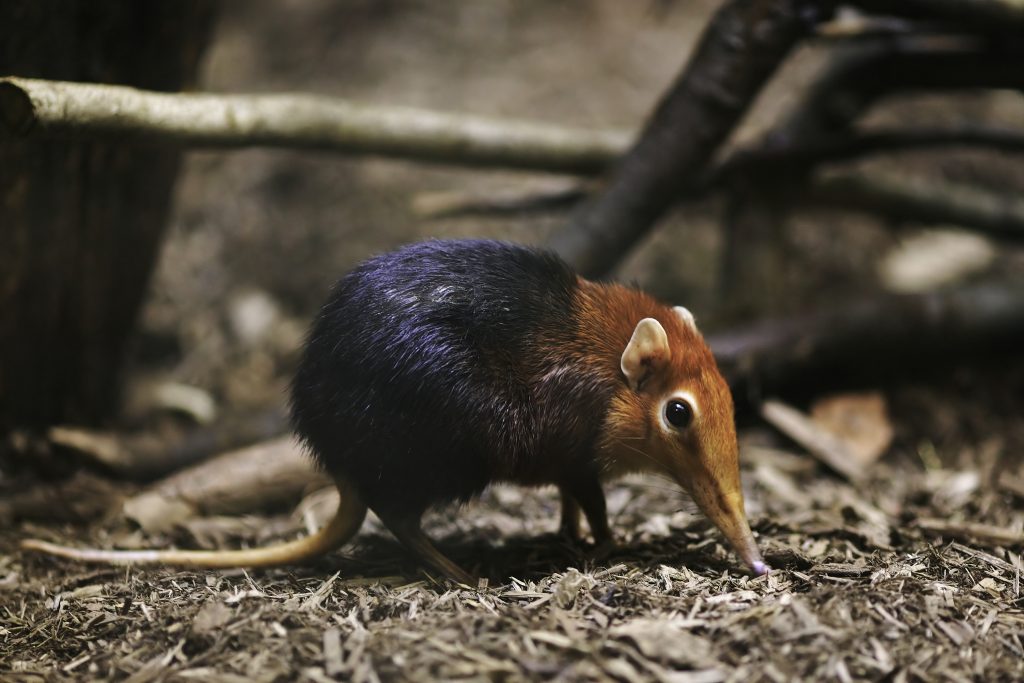
Elephant Shrew
The Elephant Shrew is arguably the most charming member of the Little Five. With its delicate features and lively movements, it is a delight to spot in the wild.
These small mammals use their elongated, flexible snouts to sniff out insects, quickly flicking them into their mouths with remarkable precision. Adaptable and resilient, they thrive in a wide range of habitats, from deserts to dense woodlands across Southern Africa. Although they are relatively widespread, they remain one of the most difficult members of the Little Five to see in the wild.
Elephant Shrews are shy by nature and prefer a peaceful life in monogamous pairs. They mark their territory using a gland located beneath their tail, which produces a strong scent used for communication and territorial boundaries.
Despite their delicate appearance, they are incredibly fast and agile, growing up to around 12 inches (30 cm) in length.
Buffalo Weaver Bird
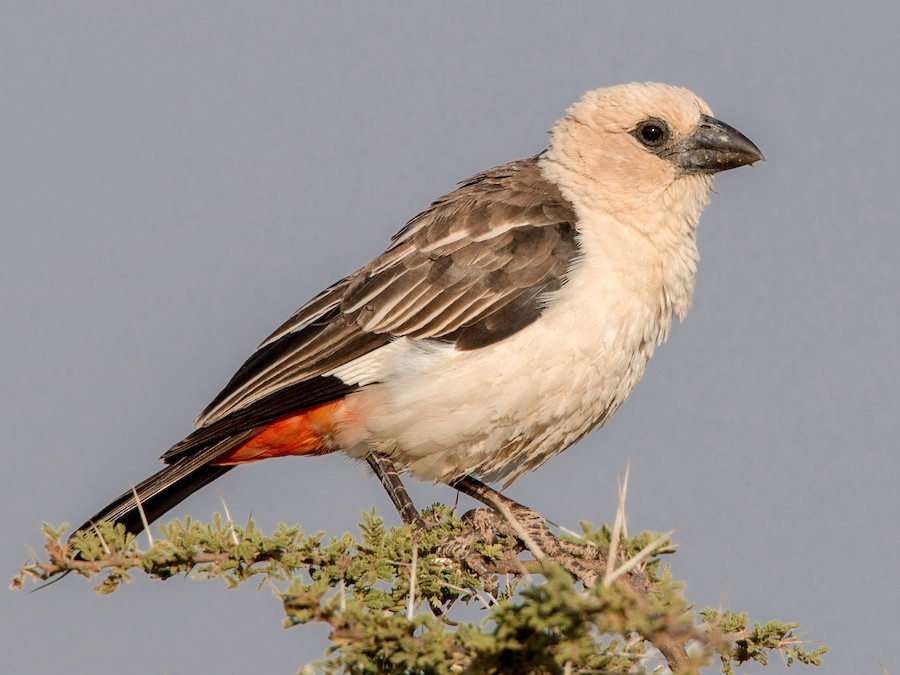
Whether it’s the white-headed buffalo weaver, white-billed buffalo weaver, or red-billed buffalo weaver, spotting any one of these species is a rewarding addition to your Little Five checklist.
These fascinating birds can be found across East African countries such as Kenya and Tanzania, with sightings also possible in Uganda and Rwanda. A safari in South Africa offers a chance to encounter the red-billed buffalo weaver more exclusively.
True to their name, buffalo weavers are skilled nest builders, weaving intricate homes from dry grass, twigs, and small sticks. They live in lively colonies, constantly calling to one another in what sounds like cheerful chaos to some.
For bird photography enthusiasts, they offer excellent opportunities to capture striking moments—whether feeding on seeds, fruits, and insects, or, on rare occasions, even preying on scorpions.
Take a moment to appreciate the brilliance of these small creatures and reflect on how the Little Five completes the larger picture of Africa’s vast savannah landscapes. In the end, good things truly do come in small packages.
Frequently Asked Questions
What are the Small 5 animals in Africa?
The Small 5 are tiny animals named after Africa’s famous Big 5. They include the ant lion, buffalo weaver, elephant shrew, leopard tortoise, and rhinoceros beetle. These animals may be small, but they are very interesting to watch. Many safari lovers enjoy spotting them during nature walks. They show that Africa’s wildlife is not only about big animals.
Why are the Small 5 special on safari?
The Small 5 help visitors notice the smaller side of nature. Guides often share fun facts about their behavior and survival skills. Watching them can feel like a treasure hunt in the bush. Children especially enjoy learning about these tiny creatures. They make safaris more exciting and different.
Where can you see the Small 5 in Africa?
You can spot the Small 5 in many safari areas across Africa. Countries like Tanzania, Kenya, Botswana, and South Africa are good places to look for them. Nature walks and guided bush tours give the best chances. Some animals are easier to see early in the morning. A patient guide can help you find them quickly.
Are the Small 5 hard to find?
Some of the Small 5 are very tiny and well hidden. The ant lion and rhinoceros beetle can be difficult to spot at first. Guides usually know where these animals like to stay. Slow walks and careful looking help a lot. Finding one can feel very rewarding.
Can the Small 5 make a safari more fun?
Yes, they add something unique to the safari experience. Many travelers focus only on lions and elephants at first. Later, they discover that the smaller animals are also fascinating. The Small 5 teach visitors to enjoy every part of nature. They make the safari feel richer and more memorable.
Still have questions?
Our local safari experts are happy to help you plan the perfect African safari.





