
Table of Contents
- Basic Facts About Dar es Salaam
- When to Visit Dar es Salaam
- Dar es Salaam’s Top Attractions
- Arts, Culture, and Markets in Dar es Salaam
- Escaping the City: Bongoyo Island
- Where to Stay in Dar es Salaam
- Budget and Mid-Range Hotel Options
- High-End Hotel Options
- Where to Eat and Drink in Dar es Salaam
- Getting to Dar es Salaam
- By Air
- By Bus
- Ferries to and from Zanzibar
- By Train
- Frequently Asked Questions
Dar es Salaam is Tanzania’s largest city and one of the country’s most important urban centres. Located along the shores of the Indian Ocean in southern Tanzania, Dar is a vibrant and energetic city filled with life, culture, history, and colour.
Although the city can be busy and fast-paced, its lively streets, coastal atmosphere, markets, and diverse communities offer visitors an authentic glimpse into modern Tanzanian life. Dar es Salaam is also an important gateway for travellers exploring the country’s southern and western regions.
Many visitors use Dar es Salaam as a convenient starting point for safaris to destinations such as Nyerere National Park, Ruaha National Park, and other attractions in Southern and Western Tanzania. The city is also the main departure point for ferry connections to Stone Town in Zanzibar and the beautiful islands located along the Indian Ocean coast.
Whether as a stopover before a safari or a gateway to Tanzania’s tropical islands, Dar es Salaam offers a unique combination of urban energy, coastal beauty, and cultural experiences.
Basic Facts About Dar es Salaam
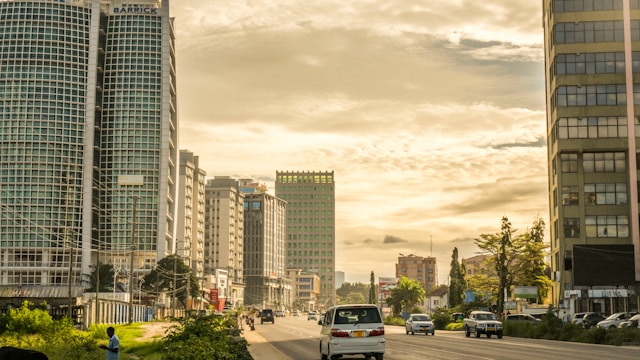
Dar es Salaam is primarily a major port city located in southern Tanzania, built around a large natural harbour along the Indian Ocean. The name “Dar es Salaam” means “haven of peace”, although with a population of nearly 3 million people, the city is far from quiet. It is a lively and dynamic destination where business, culture, and daily life come together.
As Tanzania’s economic centre, Dar es Salaam plays a vital role in the country’s development. The city’s high-rise business district is constantly active, with offices, markets, and commercial activities creating a vibrant urban atmosphere throughout the day.
Although the government officially moved to Dodoma, located in central Tanzania, in the 1970s, Dar es Salaam remains the country’s most influential city. Many government institutions and central government operations continue to function from Dar es Salaam, maintaining its importance as Tanzania’s economic and administrative hub.
When to Visit Dar es Salaam
The best time to visit Dar es Salaam is during the dry season, from June to October, when the weather is generally cooler, less humid, and more comfortable for exploring the city and nearby coastal attractions.
During the wetter months, temperatures can become quite hot and humidity levels are often high. However, Dar es Salaam’s beautiful coastline and warm waters of the Indian Ocean provide the perfect opportunity to relax, enjoy the beaches, and cool off with a refreshing swim.
For more information about the city’s weather patterns, including average temperatures and rainfall in Dar es Salaam, it is useful to check seasonal climate details before planning your visit.
Dar es Salaam’s Top Attractions
The easiest way to explore the attractions of Dar es Salaam is by taxi, especially for first-time visitors. Public minibuses, known locally as dala dala, are a cheaper option, but they can be challenging to navigate unless you are already familiar with the routes and local transport system.
Although Dar es Salaam does not have a large number of major tourist attractions, the city offers a rewarding experience for travellers looking to relax, explore local culture, and enjoy urban life. After spending time on safari or travelling through the country, Dar provides a great opportunity to enjoy excellent food, purchase travel supplies, and relax by the swimming pools of the city’s hotels.
A walk through the older areas of the city is a great way to discover historic German and British colonial architecture and learn more about Dar es Salaam’s past. For those interested in shopping, the Asian district located northwest of the main street, Samora Avenue, is a lively area where visitors can browse colourful fabrics, clothing, and locally available goods.
Dar es Salaam offers a unique blend of history, culture, coastal charm, and everyday Tanzanian life, making it a worthwhile stop before or after exploring other destinations in Tanzania.
Arts, Culture, and Markets in Dar es Salaam
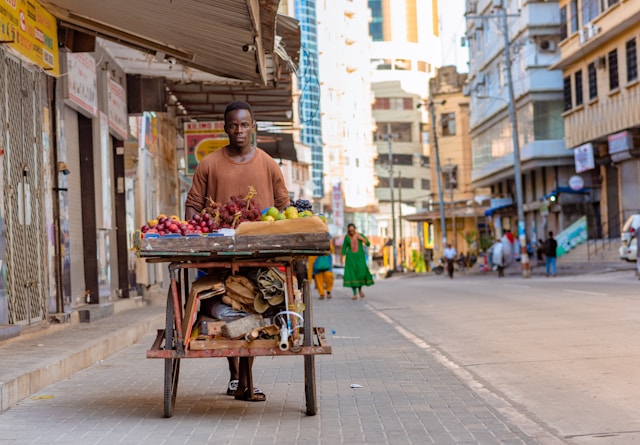
Dar es Salaam offers plenty of opportunities to explore Tanzania’s vibrant arts, crafts, history, and local markets. Visitors can find a wide variety of handmade products, traditional artwork, and cultural experiences throughout the city.
For unique arts and crafts, visit Nyumba ya Sanaa (the Mwalimu Nyerere Cultural Centre), where you can discover local artwork, crafts, and cultural exhibitions. If you are interested in authentic Tingatinga paintings, head to the Tingatinga Arts Cooperative Society on Haile Selassie Road, where you can see colourful works created in this famous Tanzanian artistic style. The Mwenge Carvers’ Market is also a great place to visit for traditional wood carvings, sculptures, and handmade souvenirs.
National Museum of Tanzania
The National Museum offers an insight into Tanzania’s rich history, culture, and natural heritage. The museum features a wide range of exhibits, from fossils and archaeological discoveries to historical collections and cultural displays. Visitors can see important early hominid discoveries connected to the work of the Leakey family, including findings from Olduvai Gorge in Northern Tanzania. The museum also showcases traditions, artefacts, and lifestyles from the many ethnic groups that make up modern Tanzania.
Kariakoo Market
Kariakoo Market is one of Dar es Salaam’s busiest and most vibrant markets. Covering several city blocks, it offers a fascinating glimpse into everyday life in the city, with traders selling everything from fresh vegetables and spices to clothing, school supplies, and household items.
Fish Market
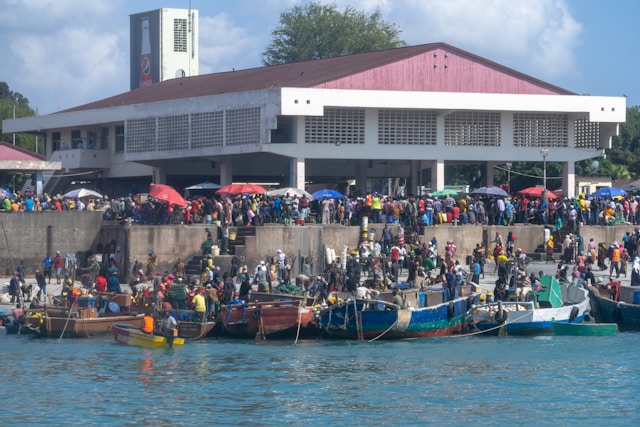
A visit to the Fish Market is a memorable experience, especially in the early morning when fishermen bring in the daily catch. The market is full of energy, with local traders buying and selling fresh seafood while visitors experience an authentic side of Dar es Salaam’s coastal culture.
Escaping the City: Bongoyo Island
If you would like to escape the busy city and enjoy the beauty of the Indian Ocean, Bongoyo Island is a perfect day-trip destination. Located within a protected marine reserve, the island offers a peaceful coastal experience with clear waters, beautiful beaches, and excellent opportunities for swimming, snorkelling, and relaxation.
Visitors can take a boat to Bongoyo Island, with the journey taking approximately 30 minutes from Slipway, a popular waterfront area on the Msasani Peninsula, north of Dar es Salaam city centre. The island is an ideal place to spend the day enjoying the ocean, exploring marine life, and relaxing on the beach away from the city’s busy atmosphere.
Where to Stay in Dar es Salaam
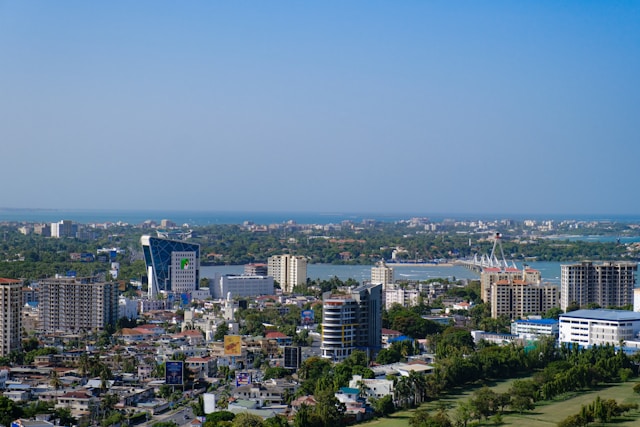
Dar es Salaam offers a wide range of accommodation options, from city hotels to peaceful beachfront retreats. Visitors who prefer to stay close to restaurants, shopping areas, and business centres will find many hotels available in the city centre.
For travellers looking to escape the urban environment and enjoy a more relaxing coastal setting, Ras Kutani and Amani Beach Hotel, located south of the city along the coast, offer comfortable beachfront stays surrounded by nature. North of Dar es Salaam, The Retreat provides a charming boutique beach experience with a peaceful atmosphere.
Whether you prefer the convenience of the city or the tranquillity of the coast, Dar es Salaam has accommodation options to suit different travel styles.
Budget and Mid-Range Hotel Options
Some popular budget and mid-range accommodation options in Dar es Salaam include:
- Chelsea Hotel – A comfortable city hotel offering convenient access to shopping areas, restaurants, and business districts.
- Mediterraneo Hotel – A peaceful beachfront hotel located north of the city, known for its relaxing atmosphere and ocean views.
- Hotel Slipway – A popular waterfront hotel and lifestyle complex in the Msasani Peninsula with restaurants, shops, and beautiful views of the Indian Ocean.
- Palm Village Hotel – A comfortable option offering modern facilities and a convenient location for travellers.
- Swiss Garden Hotel – A pleasant mid-range hotel suitable for business and leisure travellers.
High-End Hotel Options
For travellers seeking luxury and premium services, Dar es Salaam has several excellent hotels, including:
- Johari Rotana – A luxury waterfront hotel offering elegant rooms, fine dining, and modern facilities.
- Hyatt Regency Dar es Salaam, The Kilimanjaro – One of the city’s most established luxury hotels, located near the waterfront with excellent service and facilities.
- Dar es Salaam Serena Hotel – A five-star hotel offering comfortable accommodation, restaurants, and a central location.
- Sea Cliff Hotel – A luxury ocean-view hotel located in the Oyster Bay area, popular for its restaurants, views, and elegant setting.
Where to Eat and Drink in Dar es Salaam
Dar es Salaam offers a wide variety of dining and entertainment options, with everything from local Tanzanian cuisine to international flavours. The city’s growing food scene caters to travellers, expatriates, and locals looking for casual meals, fine dining, and relaxing places to enjoy a drink.
For a lively atmosphere, popular spots include O’Willie’s and Slipway, which are among the favourite places for travellers and expatriates to enjoy drinks, food, and a social setting. For impressive city and ocean views, the Level 8 Rooftop Bar at Hyatt Regency Dar es Salaam, The Kilimanjaro is one of the best rooftop locations in the city, offering a great place to relax in the evening.
Dar es Salaam is also known for its diverse international cuisine. Visitors can enjoy excellent Ethiopian dishes at Addis in Dar, while Nawabi Khana offers quality Indian cuisine in an elegant setting. For those looking for more affordable and authentic Indian food, the Asian district has many restaurants serving delicious Indian dishes. Japanese and Thai cuisine can also be enjoyed at Oriental Restaurant, known for its Asian-inspired menu.
For a taste of Tanzanian culture, visitors can attend traditional dance performances held every weekend at the Mwalimu Julius K. Nyerere Cultural Centre, where local music, dance, and traditions are celebrated.
Whether you are looking for international cuisine, waterfront dining, nightlife, or cultural experiences, Dar es Salaam offers something for every traveller.
Getting to Dar es Salaam
Dar es Salaam is one of Tanzania’s main transport hubs and can be reached easily by air, road, sea, and rail. The city is well connected to international destinations, other East African countries, and popular tourist areas within Tanzania.
By Air
Julius Nyerere International Airport (DAR) is located approximately 10 kilometres from the city centre and serves as the main gateway to Dar es Salaam. International airlines connect the city with Europe, the Middle East, and other parts of Africa.
Daily international connections include flights from airlines such as KLM, British Airways, and Swiss International Air Lines from Europe, while Middle Eastern carriers including Emirates and Qatar Airways provide connections through major hubs. Regional airlines such as Kenya Airways, Ethiopian Airlines, EgyptAir, and South African Airways also operate flights to Dar es Salaam.
Domestic travel within Tanzania is well supported, with airlines such as Precision Air offering connections to destinations including Arusha, Kilimanjaro, Zanzibar, and other parts of the country.
By Bus
For travellers arriving by road, Dar es Salaam is connected to several destinations in Tanzania and neighbouring countries. Long-distance bus services operate routes to places such as Nairobi (Kenya), Kampala (Uganda), and Arusha (northern Tanzania).
The main express bus terminal is located on Msimbazi Road, at the corner of Nyerere Road, in central Dar es Salaam, serving as a major transport point for regional and national routes.
Ferries to and from Zanzibar
One of the most popular ways to travel between Dar es Salaam and Zanzibar is by high-speed ferry. Several ferries operate daily from the port of Dar es Salaam to Stone Town, Zanzibar, with the journey taking approximately one and a half hours.
Tickets can be purchased at the ferry terminal, and travellers should carry their passport, as identification checks are required before boarding.
By Train
Dar es Salaam has a limited but interesting railway service for travellers with extra time. The TAZARA Railway operates between Dar es Salaam and Mbeya, providing access towards the borders of Malawi and Zambia.
The Tanzania Railway Corporation (TRC) operates additional routes connecting Dar es Salaam with destinations such as Kigoma and Mwanza, as well as branch lines including Kaliua–Mpanda and Manyoni–Singida.
Although train travel in Tanzania is slower compared to other transport options, it can be a unique way to experience the country’s landscapes and local life along the journey.
Frequently Asked Questions
Is Dar es Salaam worth visiting?
Yes, Dar es Salaam is worth visiting. It is Tanzania’s largest city and full of life. You can enjoy beaches, local markets, and museums. The city also has great food and friendly people. It is a perfect place to start or end your Tanzania trip.
What is the best time to visit Dar es Salaam?
The best time to visit is during the dry seasons. These are from June to October and from January to February. The weather is warm and sunny. It is easier to explore the city and nearby beaches. Light clothing and sunscreen are good to bring.
Is Dar es Salaam safe for tourists?
Dar es Salaam is generally safe if you take normal precautions. Keep your valuables secure and avoid walking alone late at night. Use trusted taxis or ride-hailing services. Stay aware in crowded places. Most visitors enjoy a safe and pleasant trip.
How many days should I spend in Dar es Salaam?
Two to three days are enough for most travelers. This gives you time to visit the city’s main attractions. You can relax at the beach and try local restaurants. You can also take a boat trip to nearby islands. If you have more time, you can explore at a slower pace.
What should I pack for a trip to Dar es Salaam?
Pack light and comfortable clothes because the weather is warm. Bring sunglasses, sunscreen, and a hat for the sun. Comfortable walking shoes are useful for exploring the city. A light rain jacket is helpful during the rainy season. Don’t forget your travel documents, camera, and any personal medicines.
Still have questions?
Our local safari experts are happy to help you plan the perfect African safari.





