
Table of Contents
What little we do know about their distant past is speculation put forward by romantically inclined Western historians. Some claim they are one of the fabled lost tribes of Israel, while others assert they are a North African people. Others, especially, it appears, because of the braided hairstyles worn by their soldiers, think they are the last of the surviving Egyptian culture.
The Maasai, a closely connected tribe that originated in the north, most likely from the Nile Valley in Sudan, are among the most southern Nilotic speaking peoples. They are believed to have departed this region during the fourteenth and the sixteenth centuries, traveling south over the lush grasslands of the Rift Valley with their herds of cattle.
West of Lake Turkana, where they finally entered what is now Kenya, the Maasai then rapidly migrated southward into northern Tanzania, where seasonal grasslands were perfect for their cattle. Around the time they reached their current size, they were the most dominant and feared tribe in all of East Africa.
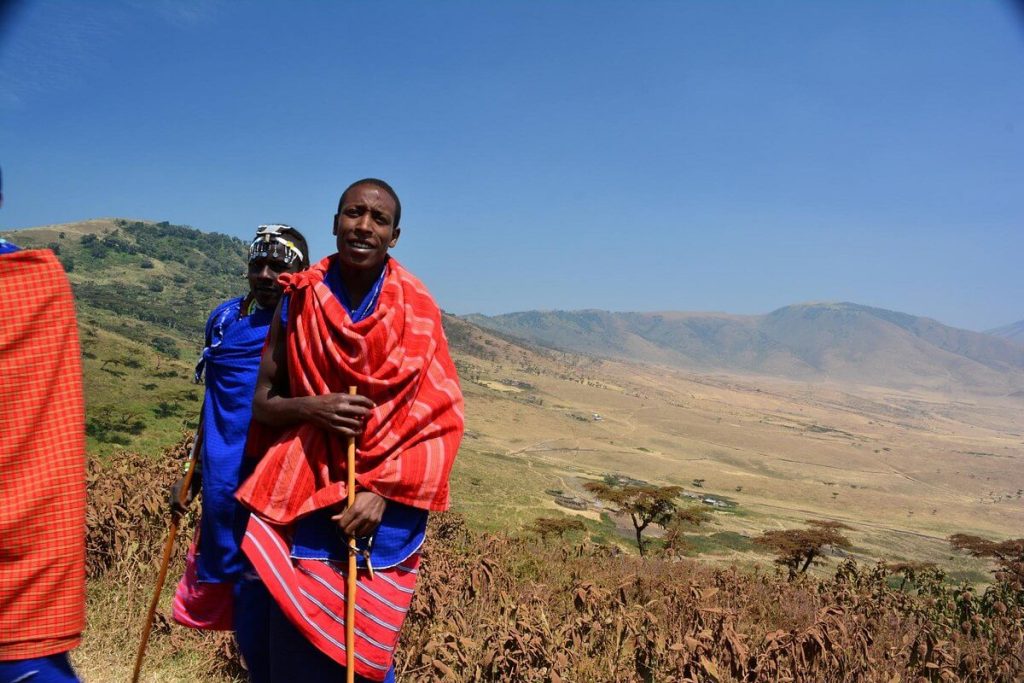
They were able to travel freely and take anything they wanted because to their well-developed social structures, aggressive warfare, lethal cow raids, and mobility as semi-nomadic cattle herders. Before the coming of the British, their history was one of unremitting growth at the cost of other people due to their military strength and regimentation, which made it difficult for them to be defeated.
It has been calculated that their total domain in Kenya and Tanzania in the seventeenth century was 200,000 square kilometers. However, this just tells one side of the tale. The other is revealed by their present-day land, which is less than one-fourth of what it was before the arrival of the Europeans.
The Maasai have been forced to live in ever-tinier tracts of land. A large portion of it was taken by the British to be used as farms and ranches for settlers, and in more recent years, land expropriations have continued to create the wildlife preserves of Serengeti, Tarangire, Mkomazi, and portions of Ngorongoro, to which the Serengeti Maasai were relocated after being forced out of their homes.
Maasai and Western Tourism
Travelling in northern Tanzania, you are almost certain to meet some Maasai tribe people, one of the region’s most colourful tribes. The Maasai tribe are pastoral nomads who have actively resisted change, and still follow the same lifestyle that they have for centuries. Their culture centres around their cattle, which provide many of their needs – milk, blood and meat for their diet, and hides and skins for clothing — although sheep and goats also play an important dietary role, especially during the dry season. The land, cattle and all elements related to cattle are considered sacred.
Maasai tribe is patriarchal and highly decentralised. Elders meet to decide on general issues but ultimately it is the well-being of the cattle that dominates proceedings. One of the most important features of Maasai society is its system of social stratification based on age.
Maasai tribe boys pass through a number of transitions throughout life, the first of which is marked by the circumcision rite. Successive stages include junior warriors, senior warriors, junior elders and senior elders; each level is distinguished by its own unique rights, responsibilities and dress.
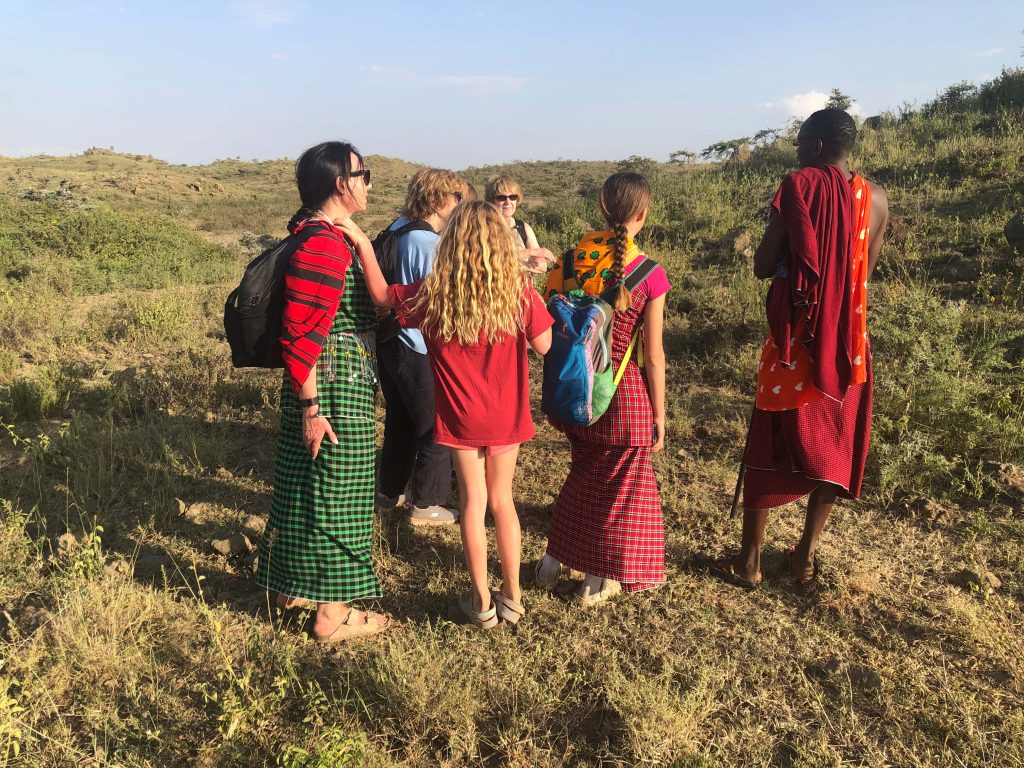
Junior elders, for example, are expected to marry and settle down — somewhere between the ages of 30 and 40. Senior elders assume the responsibility of making wise and moderate decisions for the community.
The most important group is that of the newly initiated warriors, Moran, who is charged with defending the cattle herds. Maasai tribe women play a markedly subservient role and have no inheritance rights and they are happy with it. Polygyny is widespread and marriages are arranged by the elders, without consulting the bride or her mother. Since most women are significantly younger than men at the time of marriage.
What You Should Know about the Maasai Land Issue.
Although the Maasai tribe have grazed cattle for many centuries in the Serengeti, the Ngorongoro Crater Highlands and in surrounding parts of the Great Rift Valley, over the last three decades they have been educated about their traditional homeland. This is due to wildlife conservation — it has long been believed by some conservationists and tourism stakeholders that an increase in the number of Masai in the Ngorongoro area might decrease sustainability tourism through environmental pollution because their large herds contribute to soil erosion.
Conservationists who take a broader view hold that the needs of indigenous people must be included in any plan to conserve wildlife or natural resources, not simply for humanitarian reasons but because without the full support of local people any conservation project is ultimately doomed to failure.
After a long debate about Maasai tribe people leaving the Ngorongoro area finally the prime minister of Tanzania, Kassim Majaliwa has announced to politicians who are outside the Ngorongoro conservation area to stop interfering with the government while providing education to citizens who live in the area on how they can move willingly without being forced by anyone.
The Prime minister of Tanzania Hon. Kassim Majaliwa insists that there will be no human rights violation or any force during the process of relocation of Masai people to another part outside the Ngorongoro area. he added that relocation will increase good environmental conservation and increase government revenue through sustainable tourism.
This recent government of Tanzania negotiate with Masai tribe elders from all around the country and 86 families with the sum of 453 people they willingly agreed to move from the Ngorongoro area to a place prepared by the government for them. The government has provided 400000 hectares in the Tanga region whereby each family will receive 3 hectares for starting their new life together with their animals. The place provided has all the necessary social needs like hospitals, and schools and the families are happy with their new neighbourhood for the first time out of Ngorongoro.
The Masai have become over the centuries “the” cultural reference and the economic and social ideal to be achieved in Tanzania.
The Maasai Culture Today
Despite numerous attempts by both colonial and post-Independence governments, as well as the missionaries, to persuade or force the Maasai to settle, they have stubbornly refused to give up their pastoralist way of life or their traditions, and they continue to be marginalized in Tanzania’s political and economic mainstream. Despite the fact that little concessions are made to it in contemporary Tanzania, many men continue to hold the position of the warrior.
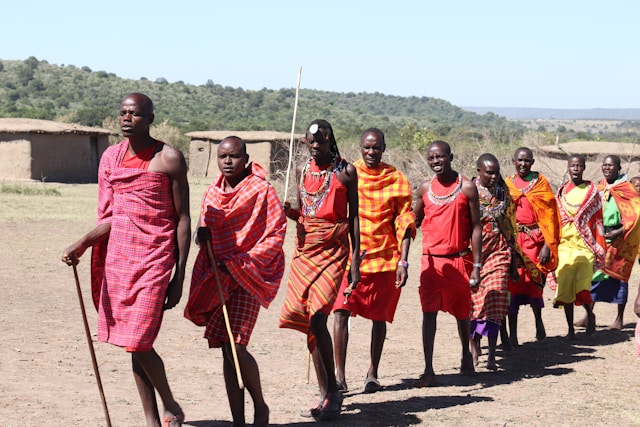
Even though it is hard for them to live the life of a warrior, the warriors (morani) have maintained the majority of their outward characteristics. After circumcision, in their early days as warriors, you can still find young men out in the bush looking for birds to add to their elaborate, taxidermic headdresses. They are wearing an outfit that includes a red or purple cloth shuka tied over one shoulder, along with a spear, sword, club, and braided hair.
The Maasai way of life is evolving, nevertheless, as a consequence of changes in education, MPs, elections, new laws, projects, employment, and money. Cornmeal ugali is quickly taking the place of the traditional Maasai staple of curdled milk and cow’s blood. While some Maasai wind up working as security guards in Arusha and Dar es Salaam, many of them choose to work in hotels and tented camps. The tourism sector provides a significant portion of the revenue for those who remain. Maasai dance provides entertainment, while curio and tourist stores specialize in selling necklaces, gourds, spears, shields, rungus (clubs also known as knobkerries), busts, and even life-size wooden warriors that may be taken home in a shipping package.
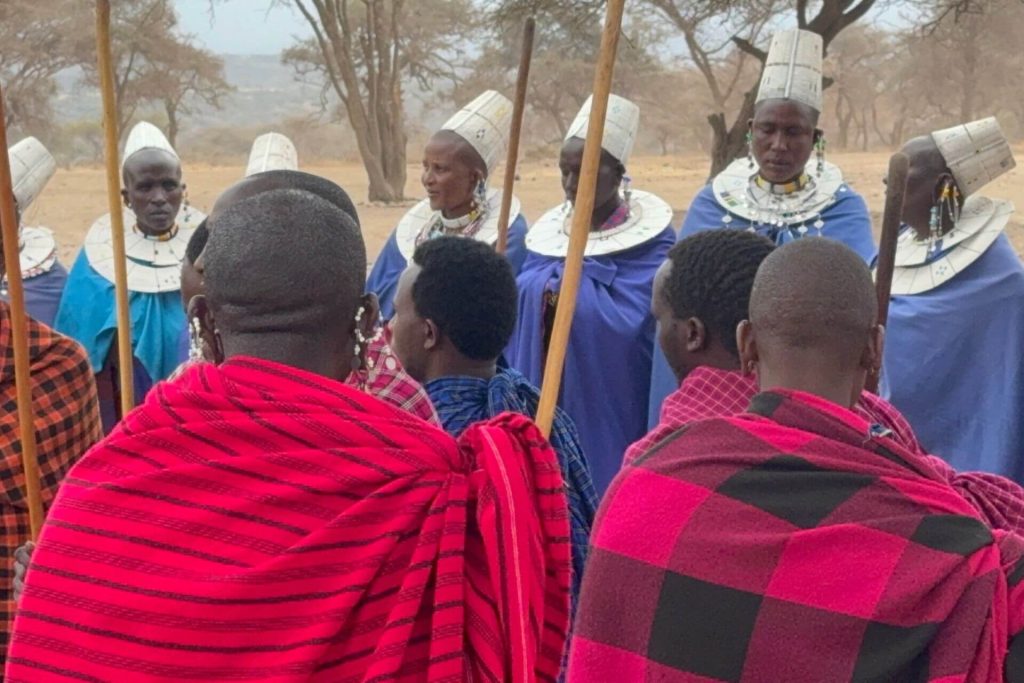
The rewards are not very plentiful for the Maasai themselves. Although cattle remain at the center of their community, they are under constant attack from those who oppose the traditional way of life. They are sporadically persuaded to raise livestock, attend school, construct permanent homes, and generally settle down. However, this puts them in conflict with the erratic expectations of the tourism sector for cultural authenticity. Few people earn much money selling trinkets, but the entrepreneurial morani may make money merely by posing for pictures, and even more money if they hawk themselves along the coast; you can even spot a few of them in Zanzibar.
The majority, who continue to lead semi-nomadic existence among an expanding web of restrictions, don’t appear to have much hope for the future. The establishment of community-run conservation zones outside of parks and reserves, which get funding from yearly land leases paid by tourist hotels and tented campers, as well as frequently a percentage of earnings or overnight revenues, appears promising. The Maasai’s steadfast cultural independence may yet protect them from the societal upheavals that have irrevocably altered the civilizations of their neighbors.
Best Way to See Maasai Culture
One of the highlights of many safari vacations is encountering a Maasai warrior with his crimson robe, spear, and braided hair stained with ochre. Spend a half-hour at a “real” Maasai community (boma) near Ngorongoro or on the road leading from Arusha, depending on the tour operator or your skill to bargain.
You may meet Maasai through Get You Travel cultural tourism programs, some of which are operated by Maasai tour guides, which is a lot more fulfilling and less intrusive method than the commercial “cultural bomas.” Additionally, the less expensive Crater Highlands treks from Ngorongoro to Lake Natron sometimes involve Maasai guides and occasionally include overnight stays in real, non-tourist-oriented bomas. To learn more about Maasai culture, especially their amazingly captivating singing, contact Safari ASAP or a thorough resource.
Frequently Asked Questions
Who are the Maasai people in Ngorongoro?
The Maasai are one of Tanzania’s best-known communities. They have lived around the Ngorongoro area for many generations. Many families still keep cattle as their main source of income. Their traditions are an important part of daily life. Visitors often enjoy learning about their unique culture.
Can visitors meet the Maasai during a safari?
Yes, many safaris include a visit to a Maasai village. You can meet local families and learn about their way of life. They may show you their traditional homes, dances, and crafts. Always ask before taking photos. Being respectful makes the visit more meaningful for everyone.
Why are cattle so important to the Maasai?
Cattle are at the heart of Maasai life. They provide food, income, and social status. Many traditions are connected to caring for livestock. Families move their cattle to find good grazing land. This lifestyle has been passed down for generations.
What should you wear and how should you behave during a Maasai village visit?
Wear comfortable and modest clothing. Be polite and greet people with a smile. Listen carefully when your guide explains local customs. Ask permission before taking pictures of people. Buying handmade crafts is a nice way to support the community.
How does the Maasai culture help protect Ngorongoro?
The Maasai have lived alongside wildlife for many years. They understand the land and its natural resources well. Many community members now support conservation and responsible tourism. Visitors help by respecting local traditions and the environment. This partnership helps protect both the culture and the wildlife for future generations.
Still have questions?
Our local safari experts are happy to help you plan the perfect African safari.





