The National Parks and Game Reserves
No less than 25% of Tanzania is used as a National Park or game reserve (Game Reserves, Game Controlled Areas and Wildlife Management Areas). These areas were founded to protect the flora and fauna present. Due to the increasing population, there is a real danger that people will settle in areas with a large concentration of game. It is not permitted to establish settlements in a National Park, an exception is made for lodges. Lodges attract tourists and they are an important source of income for Tanzania. Game Reserves work together with local tribes to maintain flora and fauna. For example, the Masai can let their cattle drink in the reserves.
Mount Kilimanjaro
Mountain Kilimanjaro is the highest and the tallest freestanding mountain known to man in Africa. It is a mountain where you can hike for 100 kilometers, 4 000 meters in altitude, passing into rain forest, moorland, alpine desert, snowfields and ice cliffs, all virtually on the equator.
Our customized trekking itineraries involve any of Mount Kilimanjaro routes of your choice. These include Umbwe route, Marangu route, Machame route, Lemosho route, and Shira route. Our mountaineers are well qualified with over 10 years of experience.
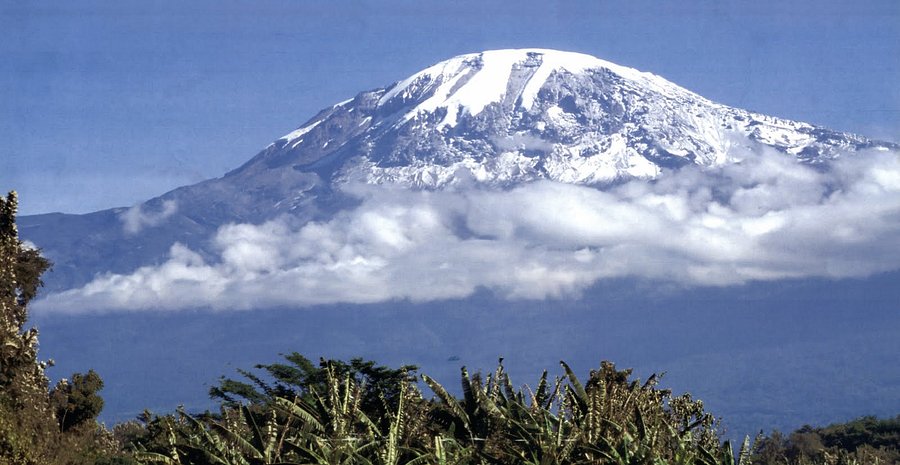
Kilimanjaro Trekking Tour offers you the best advice on which course to use during a hiking safari on mountains or highlands in East Africa depending on the traveler’s or hiker’s choice and budget When choosing a route, check the number of days trekking involved. A minimum of 6 days is advisable to include an extra acclimatization day half way through the trek. Best times for trekking Mt Kilimanjaro are January-March and Sept-October when weather is more settled.
Arusha National Park
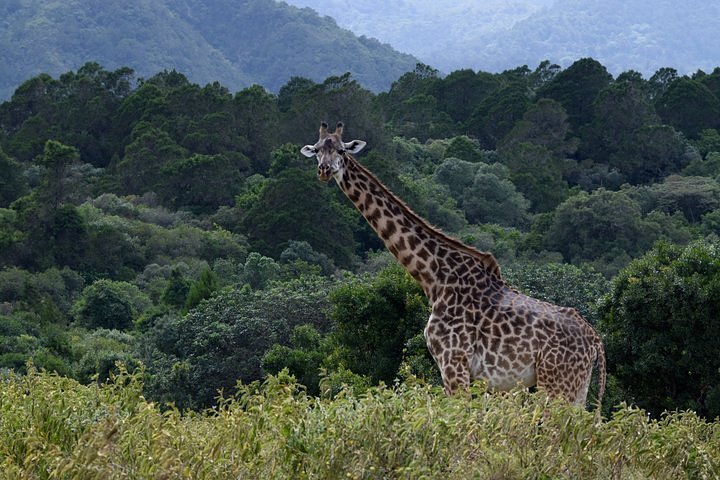
Arusha is a small park, but has a fantastic landscape with the imposing peaks of Africa’s sixth highest mountain: Mount Meru, which dominates the horizon. The slopes are lined with montane forests, and at the alkaline Momela Lakes you can see both Mount Meru and Mount Kilimanjaro on a clear day. The area is particularly rich in bird species (570) and many species of butterflies live there. From vantage points on the rim of the Ngurdoto crater you can see grazing buffalo, giraffes and warthogs on the crater floor. You can take walks in this park and there are several picnic areas. The park is often overlooked as people rush to get to the Serengeti. Too bad, because the park is definitely worth your visit.
Gombe Stream National Park
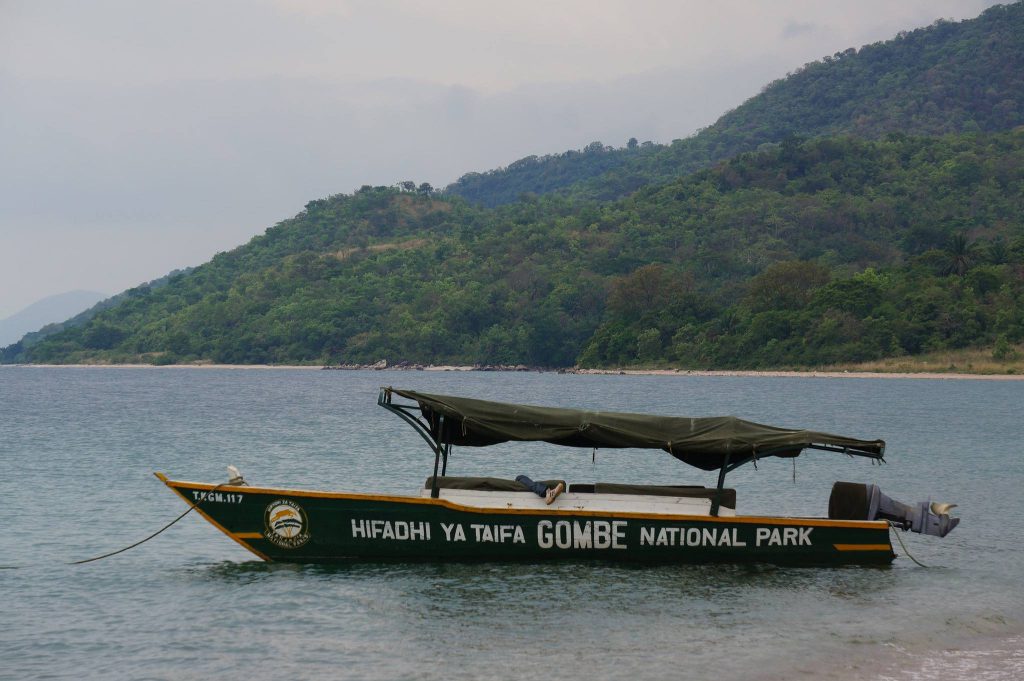
Gombe Stream National Park is located 16 kilometers north of the town of Kigoma on the shore of Lake Tanganyika. The creation of this National Park can mainly be attributed to the efforts of Jane Goodall, the primatologist who studied the behavior of chimpanzees here for years. Gombe Stream is a green oasis with forested slopes and beautiful views of Lake Tanganyika. Because there are no roads, you feel one with pure nature.
Katavi National Park
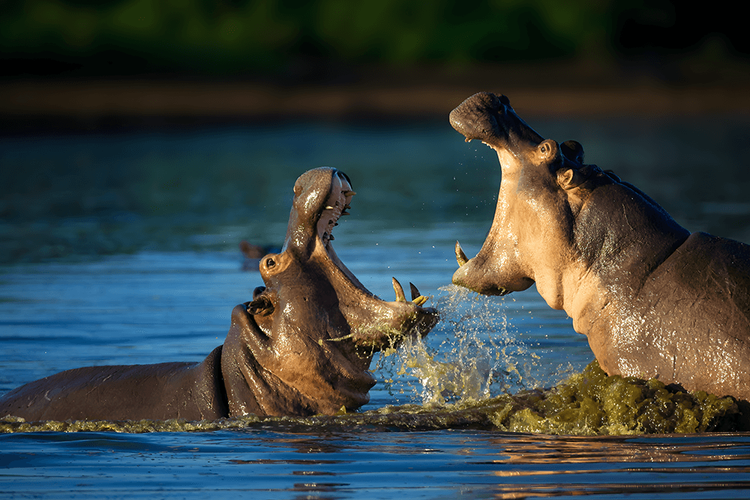
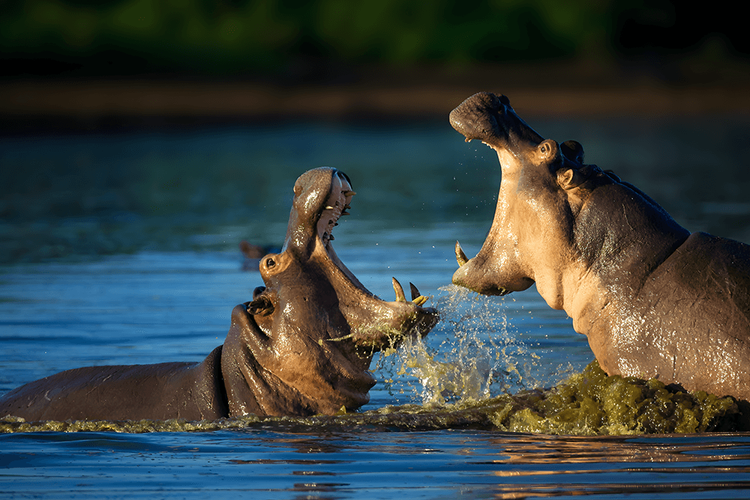
Katavi National Park in western Tanzania is perhaps one of the most pristine and exclusive safari destinations in the world. Due to its remote nature, the park is rarely visited and you will therefore encounter few other tourists. Katavi may be called ‘Tanzania’s best kept secret’. The landscape is characterized by extensive forests, savannahs and the lakes Lake Katavi and Lake Chada. The forests are crossed by the Katuma River, which flows into the swampy plains that are so characteristic of Katavi. These marshy grasslands not only provide a habitat for Tanzania’s largest population of hippos and crocodiles, but are also visited by huge herds of elephants and buffalos, zebras and antelopes.
Mikumi National Park
This park borders the largest reserve in Tanzania, the Selous Game Reserve. It is one of the few parks in Africa where a main road goes straight through the heart of a large wilderness. It may happen that you find a herd of buffalo sleeping at the edge of the road; something that is hardly noticeable in other parks. The vast floodplains of the Mkata River seem like a small replica of the Serengeti. When the grassland is flooded, the floodplains are inhabited by huge herds of wildebeest, buffalo, zebra, impala and eland. The park is never crowded by international tourists, but is nevertheless a beautiful place to stay.
Ngorongoro Conservation Area
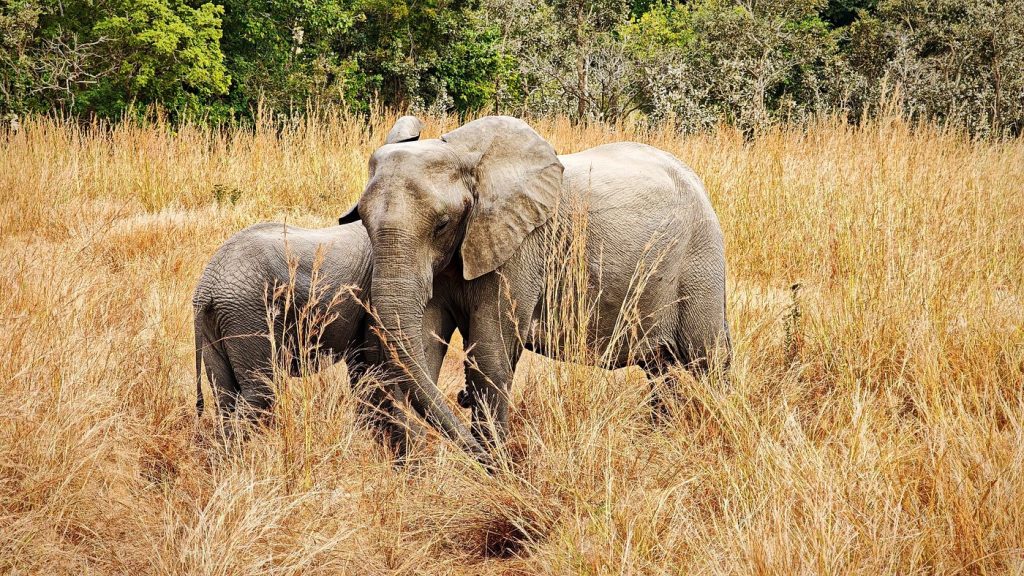
The Ngorongoro is an inflated volcano that was as high as Kilimanjaro 3 million years ago. Together with the adjacent Serengeti National Park, it forms a vast and rich ecosystem. The 19 kilometer wide, dry crater floor has approximately the same climatic conditions as the Serengeti National Park. This is therefore the biggest crowd puller. Ngorongoro is a huge attraction for tourists and it is possible to have a picnic on the crater floor in certain places. The crater wall is approximately 600 meters high at its highest point and offers (with binoculars!) a fantastic view of the bottom. There are even more craters to admire in the Ngorongoro area. The area does not have the status of a national park, it has been agreed with the Masai that they can let their cattle drink in the crater. Not far from the crater towards the Serengeti National Park, lies the Olduvai Gorge. This gorge is considered by many to be one of the cradles of humanity. This area has been of enormous significance for research into the prehistory and earliest history of various hominids. The idea that our early ancestors walked here is cause for deep reflection.
Ruaha National Park
Ruaha National Park is an unspoilt and relatively unknown wildlife park that is highly appreciated by the seasoned safari traveler. The impressive rocky landscape alternates with savannas and the occasional baobab. In the north, the Great Ruaha River rises through a system of gorges and flows into the Rufiji River, which in turn feeds the sand rivers. In the dry season, elephants, buffalos, impalas and waterbucks gather at the Great Ruaha River and the Rufiji River. The lodges are therefore located on these rivers. This park is home to rare wild dogs, large kudu and sable antelopes.
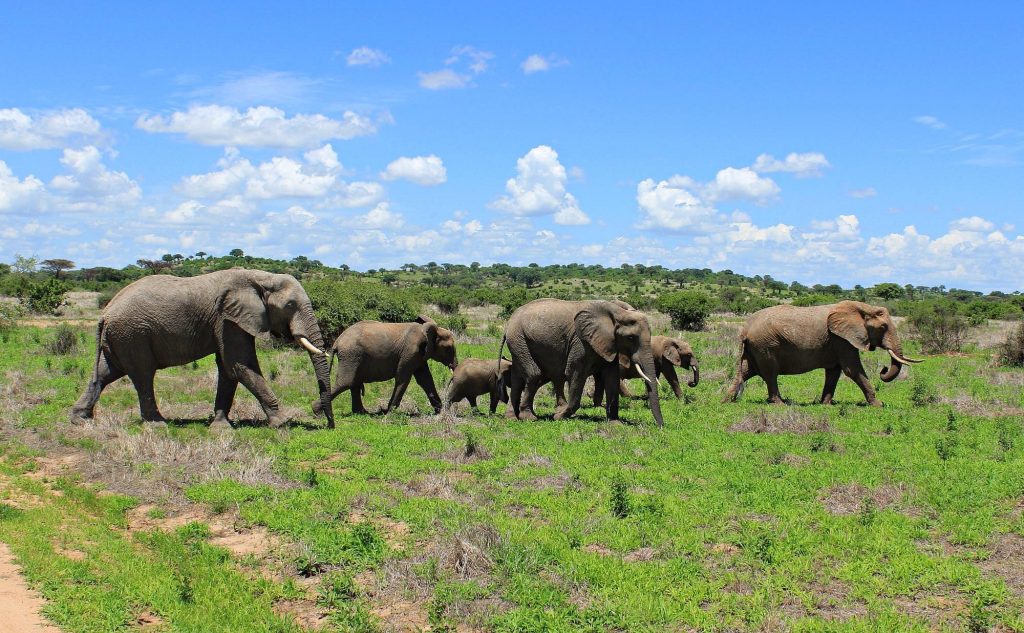
The park is also a transition zone where eastern and southern species of flora and fauna come together. In the spring (February), the park is a veritable sea of flowers: there are 1,650 different plant species. The bird life is also very rich: more than 450 species. Because one can drive around Ruaha National Park for hours without meeting another tourist, it gives a real experience of ‘unspoilt Africa’.
Selous Game Reserve
Selous is the largest reserve on the African continent. The surface area corresponds to that of Switzerland. It is home to huge herds of buffalo, elephants, hippos and antelopes. The park is home to 20% of the total African wild dog population. In the forests on the edge of the river you have a good chance of encountering various primates: baboons and monkey species. Lions occur in large prides. However, much of the park is inaccessible wilderness. The part that is walkable offers plenty of space for fantastic explorations. An additional advantage is that many tour operators focus their attention on the well-known northern parks, which means that Selous remains partly devoid of tourists. Less than 1% of tourists visit Selous! For people who want a ‘real’ Africa experience, this is the place to live that experience. How much wildlife you see depends on the season. The best time is from July to October, when the grass is short and it is not so humid and hot.
Serengeti National Park
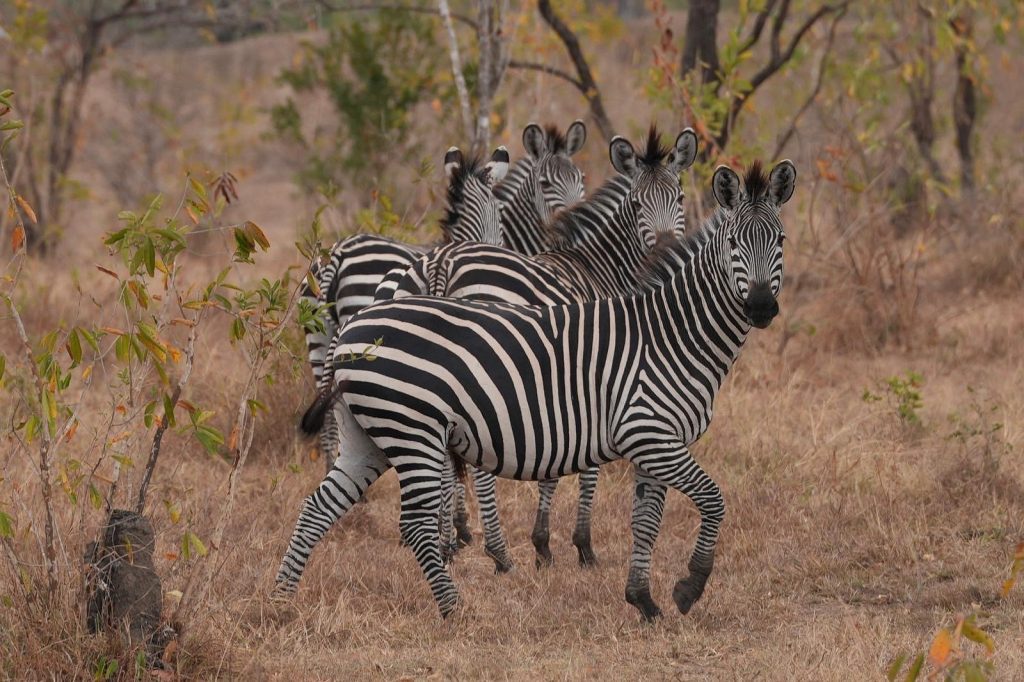
The Serengeti is probably the most famous reserve in the world. Together with the Ngorongoro Conservation Area and the Masai Mara in Kenya , it forms a contiguous ecosystem in which animals can move freely. One third of the park consists of grasslands, which are the scene of the annual migration of approximately 2 million animals. The Serengeti migration is an annual march of wildebeest, zebras, Thomson’s and Grant’s gazelles of 3000 kilometers. The cycle begins when the grass in the south is used up and the animals begin to move north. The migrating animals reach the Masai Mara around the end of June and return to the Serengeti in September. The animals give birth to their young between February and March, so that they can gain enough strength to start the big journey to Kenya. However, the route and time of the migration remains unpredictable!
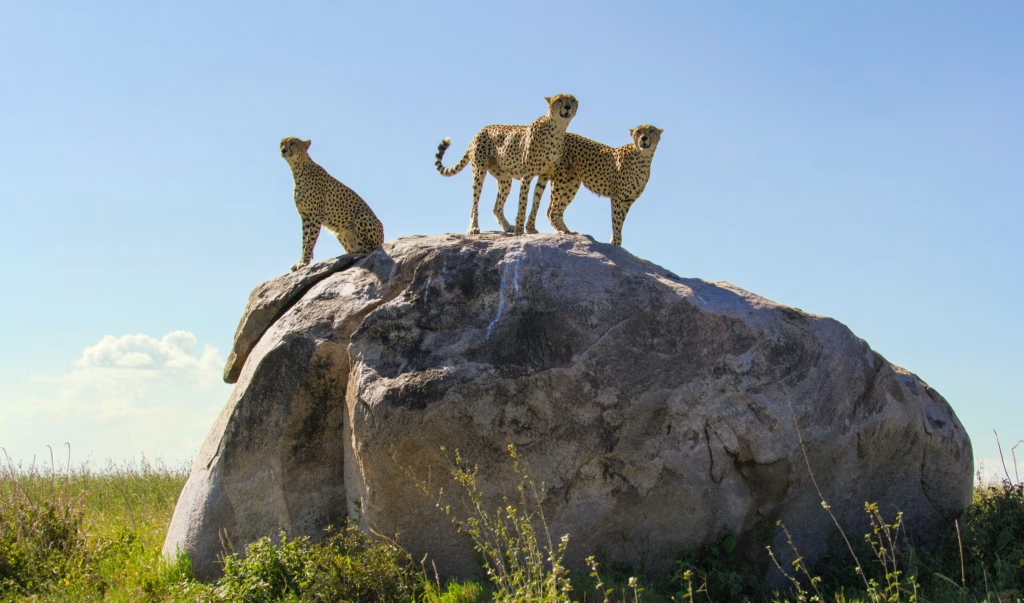
Even outside the migration season, enough game remains in the Serengeti to make a stay worthwhile.
In the middle of the Serengeti lies the Seronera valley, an area that is also rich in other animals such as monkeys, elk, water and reedbuck. Not only is there an important water source, but it also marks the boundary between the vast open plain and the forested hills to the north.
Tarangire National Park
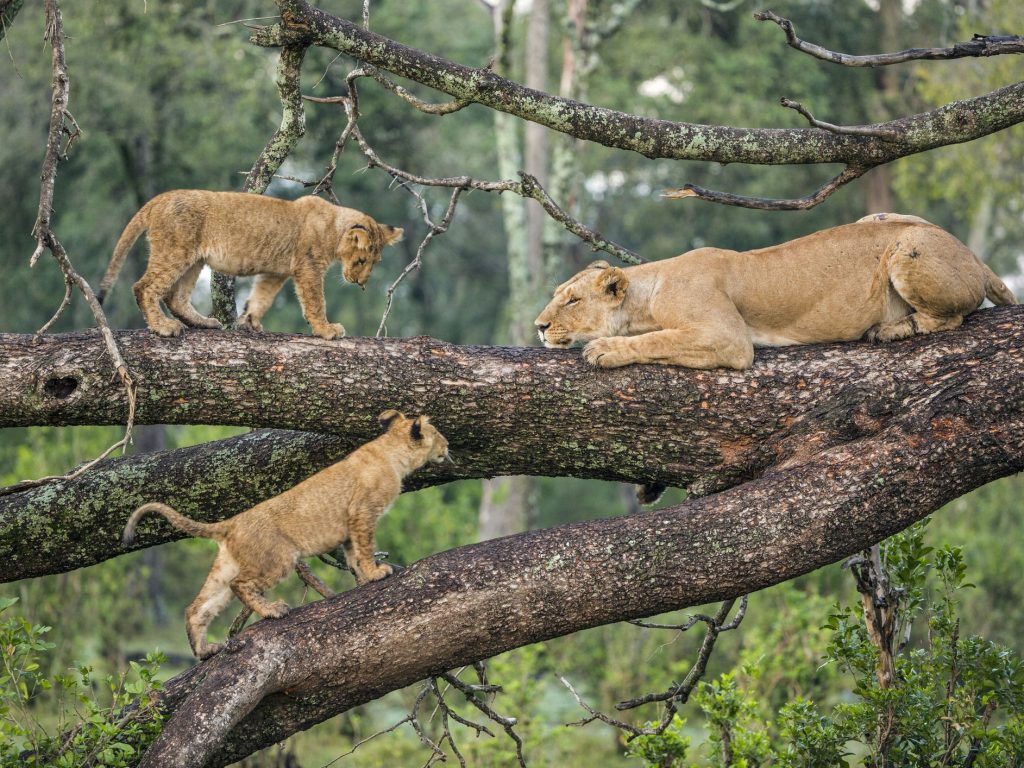
Tarangire is a long and narrow park and although small it has large concentrations of game and many bird species (550). This beautiful park is located on the edge of a habitat that extends to Amboseli National Park in Kenya. Because the Tarangire Conservation Area forms a contiguous area with the park, it enables migration for wildlife. The concentration of animals is therefore comparable to that in the Serengeti and Ngorongoro. In the dry season, large herds of elephants can churn up the sandy riverbed in search of water. The area around the river is a gathering place for all kinds of animals. It is one of the few places where gerenuk (giraffe antelope) and eland can be found. Tarangire also knows the phenomenon of lions climbing trees. A big advantage: there are not many tourists.
Lake Manyara National Park
According to Ernest Hemingway, Lake Manyara was one of the most beautiful parks he had seen in Africa. Although the park is not large, it is of unprecedented beauty. There are dense forests with tall trees, open plains with baobabs and rugged mountain peaks in the east. Because the area is so densely forested, spotting wildlife is difficult. When an animal suddenly emerges from the vegetation, it gives a feeling of really being in the wilderness. There are different areas with their own vegetation and game species. The park takes its name from Lake Manyara, a shallow soda lake with steam-spouting geysers on the shore. This lake is a habitat for many water birds, including flamingos and pelicans. Manyara is also one of the places where tree-climbing lions were first spotted. The park has 450 bird species.
Lake Natron
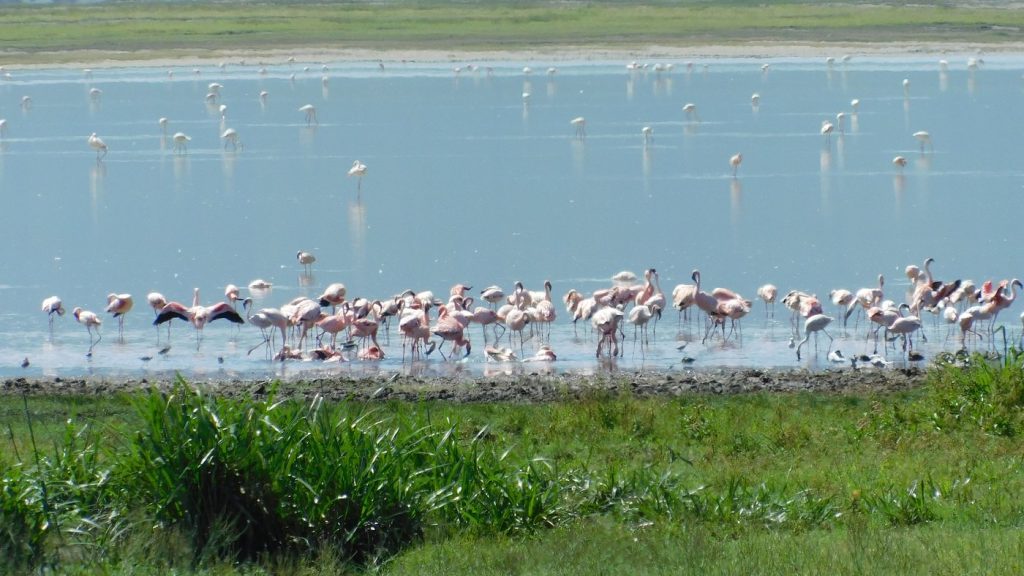
Lake Natron is an alkaline soda lake located at the lowest point of the Great Rift Valley at the foot of the active Ol Doinyo Lengai volcano. The lake is fed by the Ewaso Nyiro and mineral-rich hot springs. The rugged, desolate volcanic landscape is breathtaking and dramatically beautiful. The deep red color shades of the lake add an extra dimension and can even be seen from space. Lake Natron is bordered by steep forested slopes where the Ewaso Nyiro makes its way to the lake via waterfalls. The lake is located at the lowest point of the Great Rift Valley and is of great value as it is the most important breeding ground of the lesser flamingo in East Africa. They build the nests in the lake, while the great flamingo nests on the banks. The area around Lake Natron is ideal for walks along the banks of the lake, but the Engare Sero waterfall is also worth a visit.
Lake Tanganyika
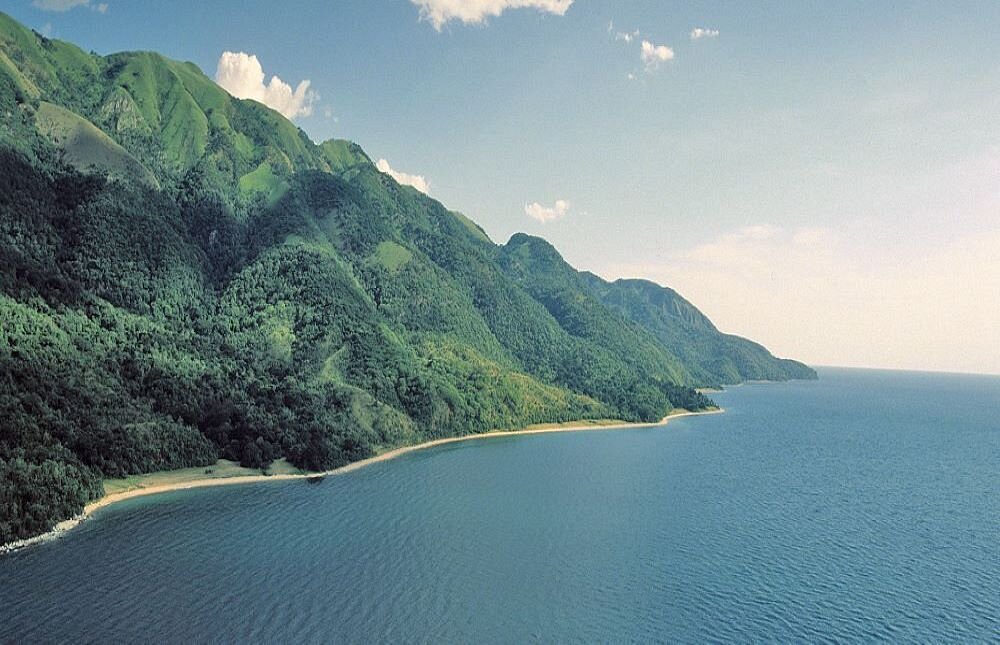
Lake Tanganyika is the largest freshwater lake in the world and exceptionally beautiful. Along the shore are beautiful long sandy beaches with strips of old forests where countless birds, monkeys and chimpanzees live. The sea green water of the lake is said to be the least polluted water in the world, one can stand up to one’s neck in water and still see one’s feet. An estimated 1,000 native species of fish live in the lake. Search for chimpanzees is organized in Gombe Stream and the Mahale Mountains. This park is also devoid of major tourist flows.
Lake Victoria
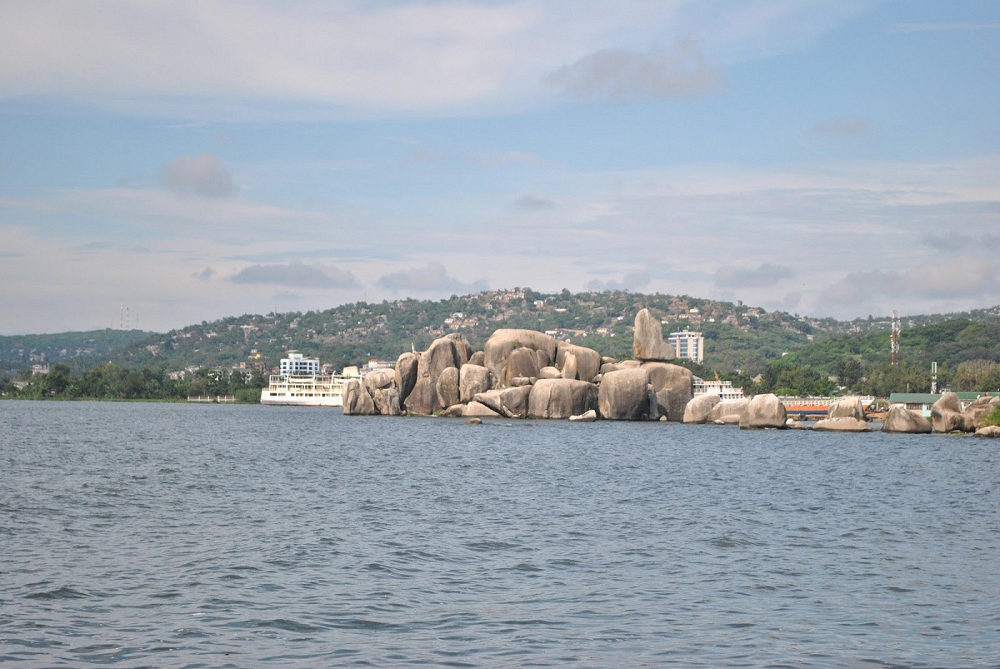
Lake Victoria is the second largest freshwater lake in the world and is located on the border of Tanzania, Uganda and Kenya. The lake is not much visited by tourists and there is probably a reason for that. The forests on the banks have all but disappeared due to agricultural intensification. The introduction of the Nile perch has minimized the original fish population. Perhaps the relatively new lodge at Rubondo Island National Park can attract tourists again. It can be a nice alternative to a beach holiday and the island has a beautiful network of hiking trails. The hard-to-spot sitatoenga, a rare swamp antelope, lives on Rubondo Island. The area is also rich in gray red-tailed parrots. In addition to locally occurring animals such as hippos, genets and mongooses, elephants, giraffes and chimpanzees have also been introduced.
Zanzibar
Today Zanzibar is the name of a province of Tanzania consisting of two islands: Unguja (known as Zanzibar), Pemba and a series of small islets, sometimes no bigger than a coral rock. Zanzibar has been part of Tanzania since 1964, but before that time the island was an important independent trading state. For centuries, different peoples have visited the island, traded with the residents or conquered the island. At its height, in the mid-19th century, Zanzibar was the capital of the vast Omani empire that encompassed the entire East African coast. Zanzibar was also an important city during the slave trade. The slaves were sold and put to work on the plantations or shipped to Oman. In Stone Town there is a monument where slaves used to be traded.
Nowadays, when people talk about Zanzibar, they conjure up images of an exotic paradise: miles of white beaches lined with palm trees and colorful coral reefs. The island is particularly popular with newlyweds who spend their honeymoon here. It is also a popular holiday destination for those who adore the sun; the climate is pleasant all year round. This popularity is easily explained: it is an excellent mix of African charm, the exotic atmosphere of the Middle East, beautiful beaches and romantic hotels. Cloves, nutmeg, ginger, vanilla, cinnamon, henna and lemongrass are grown in Zanzibar. The island offers a range of excursions, from a spice tour, diving and snorkeling trips.
Zanzibar wildlife areas
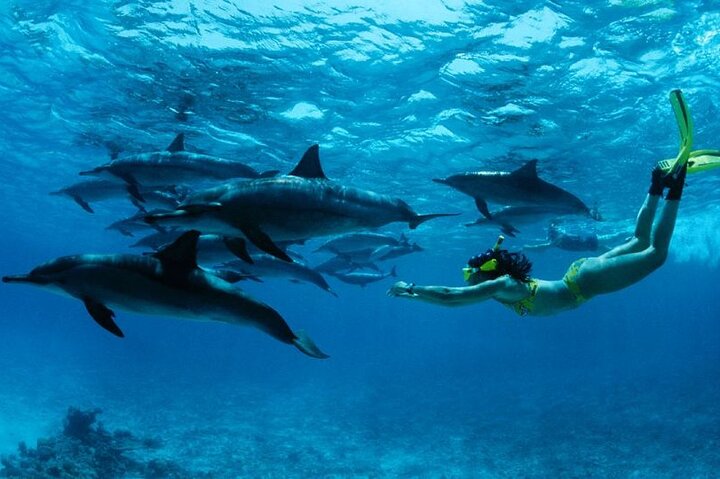
You can see dolphins at Kizimkazi, the southern tip of Unguja. Various inlets along the coast are used as nurseries by the dolphins. About 100 bottlenose dolphins and 50 white Chinese dolphins have settled here permanently. Excursions are organized where the chance of seeing 20 – 30 animals is quite high, although a guarantee can never be offered. After all, this is a wild population. In the best case scenario, you will have the opportunity to swim with the animals. Taking your time and being patient is the only remedy. What you should definitely not do is shout at the dolphins or encourage the skipper to chase the dolphins. When you enter the water, do so quietly and let the dolphins come to you instead of chasing them.
The Mnarami turtle aquarium is located on the northern tip of the island, near Nungwi, with green, fathead and leatherback turtles in a natural lagoon. Local residents, with the help of organizations that want to protect the turtles, have created a large pool where the tide can flow freely in and out.
The Jozani Forest is known as the last native forest on the island, although parts have been replanted. This was done naturally, creating an enchanting tropical nature park. It now has the status of a conservation area, but the forest may become a national park. For those who care about wildlife, the Jozani Forest is home to interesting animals that are found nowhere else in the world.
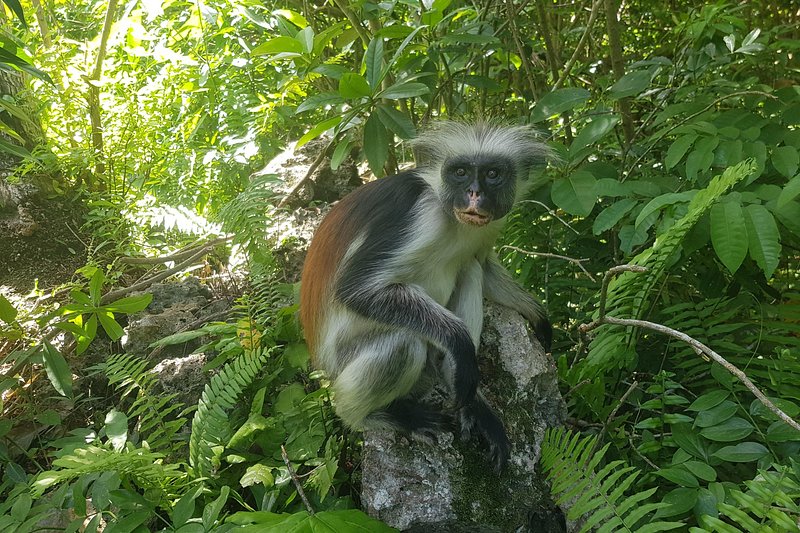
The Kirk’s red colobus monkey (red colobus monkey), the Sykes blue monkey, the Ader’s duiker (a very rare small antelope species that has been extirpated in Kenya) and the suni, an antelope even smaller than Ader’s duiker. The forest is also home to 40 bird species. If you are a true nature lover, it is better to visit the forest early in the morning or in the afternoon, before the tourist flow arrives.
About 3 kilometers from the Jozani Forest is the Zala Park, a project of a local resident. Here you can view snakes, lizards and chameleons up close. The project was originally intended for groups of schoolchildren to introduce them to the nature of Unguja.
Pemba
This island is located 80 kilometers north of Unguja and is the preferred holiday destination for those who prefer a less touristy atmosphere. The island is more densely forested and hilly than Unguja. Pemba is responsible for 80% of the total clove harvest. There are mats along the road on which the cloves are dried and the smell of cloves hangs over the entire island.
The main reason to visit Pemba is in the sea: the island is surrounded by beautiful coral reefs and has some of the best diving spots in Africa. Misali Island is a small nature reserve completely surrounded by coral. You can enjoy fantastic diving and snorkeling here.
Pemba is partly known for a religious tradition that is rarely discussed in public: witchcraft. The island is considered one of the great witchcraft centers of the world. Voodoo practitioners from West Africa and South America regularly come to the island.
Mafia Archipelago
The Mafia Archipelago is located off the coast, south of Dar es Salaam and near the Rifiji delta. The archipelago consists of a number of islands: Mafia, Chole, Juani and Jibondo. Mafia is truly a top location for divers, snorkelers and anglers. The coral reefs are housed in a nature reserve that covers 820 square kilometers. The reserve has 50 species of coral and 400 species of fish.
The snow-white beaches and azure blue sea make you feel like you are in a tropical paradise. Coconuts, cashew nuts, pineapple and cassava are grown on Mafia Island. Mafia Island is less visited than the island we know as Zanzibar. There is plenty to explore for nature lovers. There are several animal species: the duiker antelopes, monkeys, bushbabies and even a few hippos, their ancestors probably washed into the sea by floods of the Rifiji River. The archipelago is also particularly interesting for bird watchers because there are 130 species.