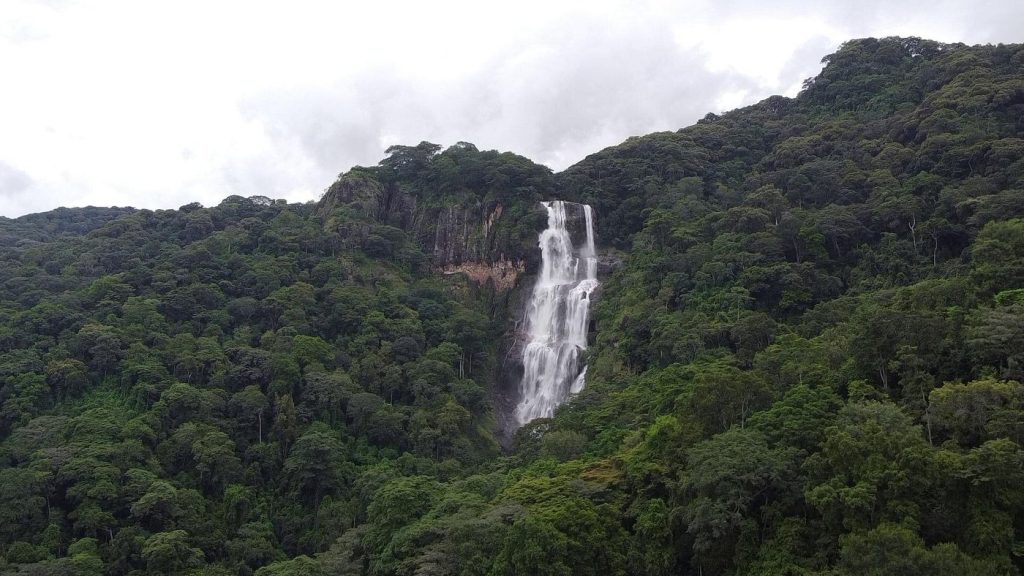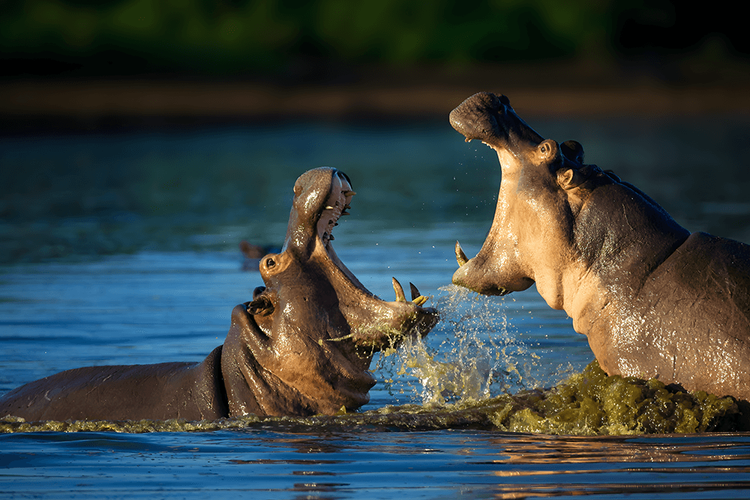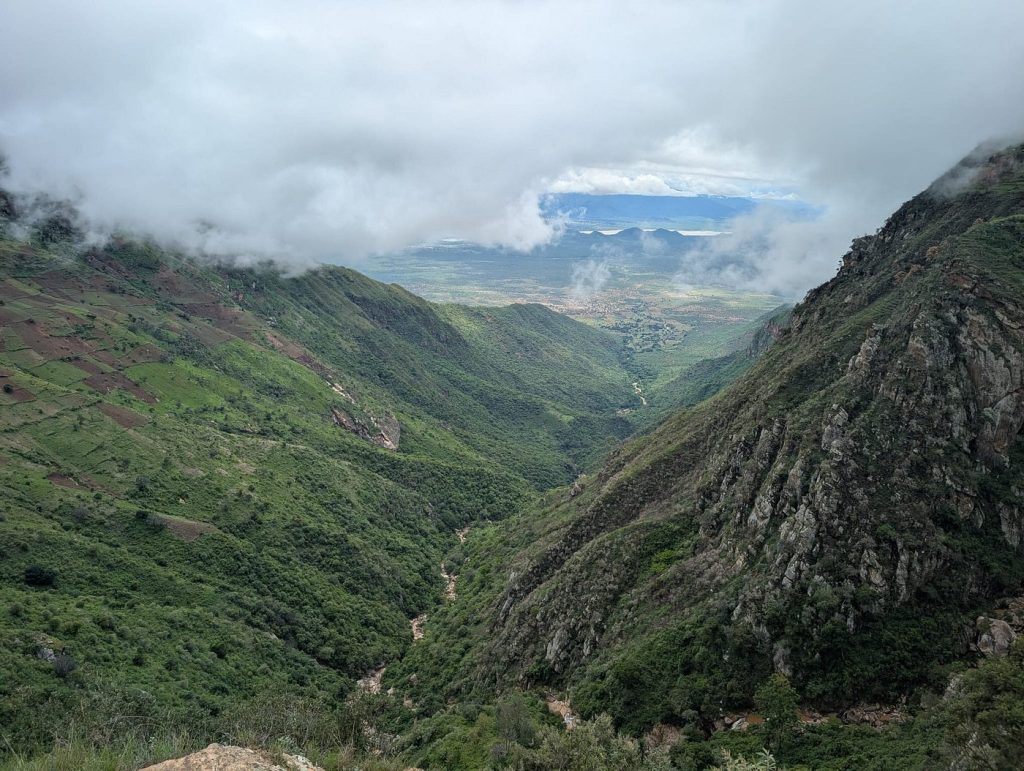
Rufiji River : Much of the southern safari area is in the basin of the Rufiji River and its tributaries, and it is useful to know something about the area in which you will be holidaying. The Rufiji is Tanzania’s biggest river, and it occupies about 74,000sq km of the south-central area of the country. It has three major tributaries, the Lugwa, the Great Ruaha and the Kilombero. Although the Ruaha has roughly half the total drainage basin area, it is the Kiolombero which supplies 65 per cent of the water
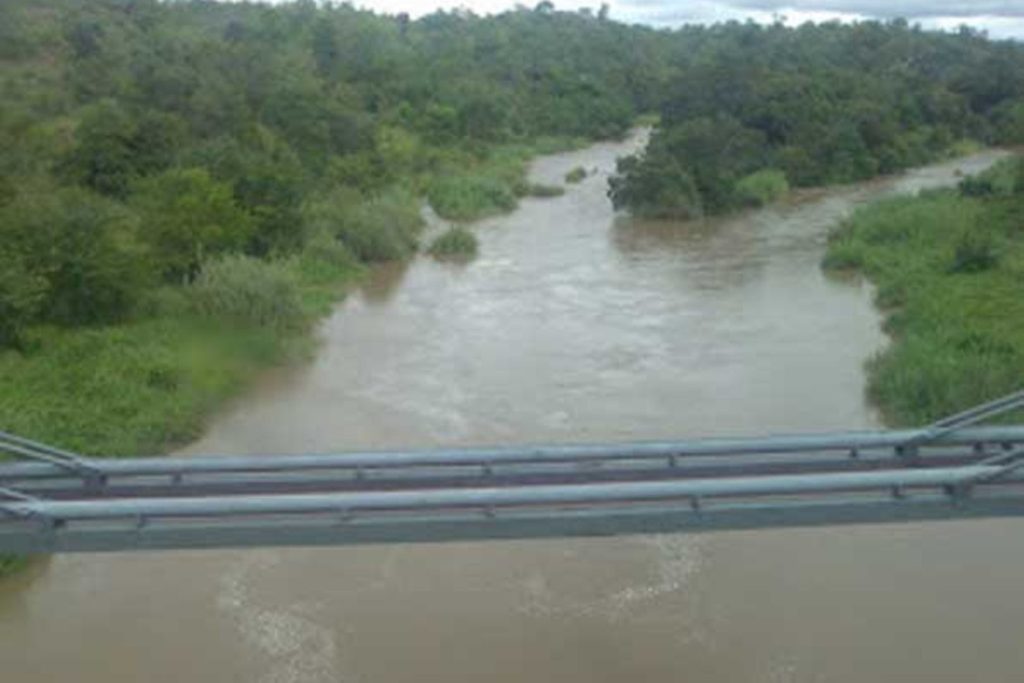
The flow of the Rufiji (and its tributaries) is highly seasonal, and for much of the year, you see a lazy, slow-flowing stream, often braided or divided, which meanders between islands of sand. Since 1990, the Great Ruaha has, on occasion, stopped flowing, and did so in 1999 for 111 days. This is thought not to be a result of weather changes like global warming but by uncontrolled abstraction of water for rice fields and sugar-plantation irrigation. The Rufiji basin has multi-purpose usage.
It is the location of Ruaha National Park, the second-largest national park in Tanzania. It also produces 60 per cent of Tanzania’s electricity, with hydroelectric power stations at Mtera, Kidatu and Lower Kihansi. In addition, the basin is one of the country’s most important agricultural regions. There are undoubtedly areas of potential conflict. One is the proposed hydro scheme at Stiegler’s Gorge, one of the major tourist sites on the Rufiji River in the Nyerere National Park. One development that may surprise visitors is the existence of a sustainable game-hunting programme, started in 1992 as the Ruaha System Wildlife Management Project, and which now involves 19 experimental villages. In areas where wild animals are much more efficient at using food resources than cattle, this may be the way forward.
The delta of the Rufiji is one of Tanzania’s most important and most sensitive ecozones. It is the largest continuous mangrove forest in the world, at 5,300sq km. During flood times, the river spreads out to about 15km (9.3 miles) wide. The mangroves extend 23km (14.3 miles) inland up the river, and there are eight common species, including Avicennia marina and Ceropiops tagal. The mangroves provide a vital environment for many life forms. Fish there include yellow fin, dogtooth, tuna, kingfish, dorado and red cod. Migratory birds such as Caspian tern, crab plover, roseate tern and little stint use the wetlands.