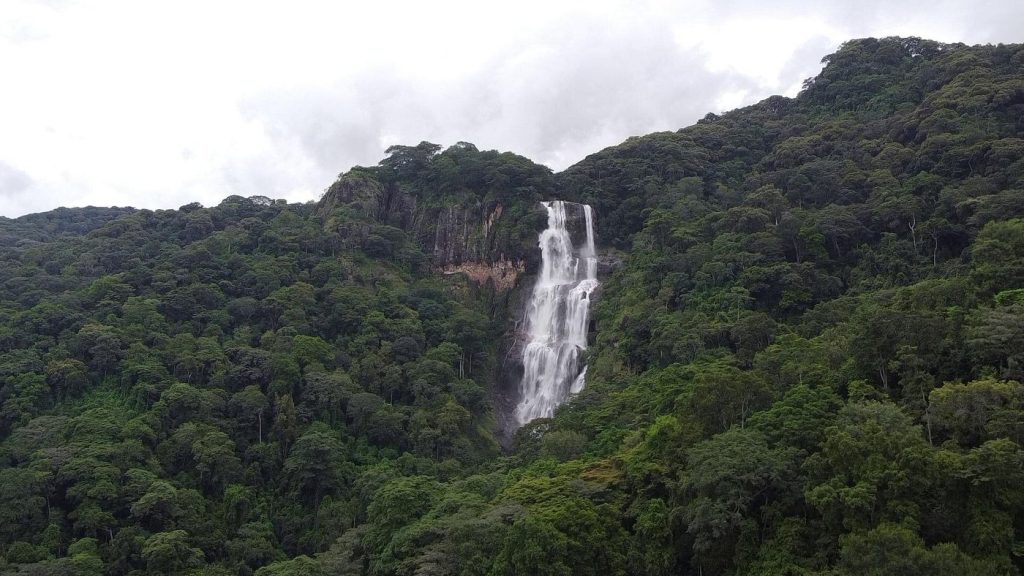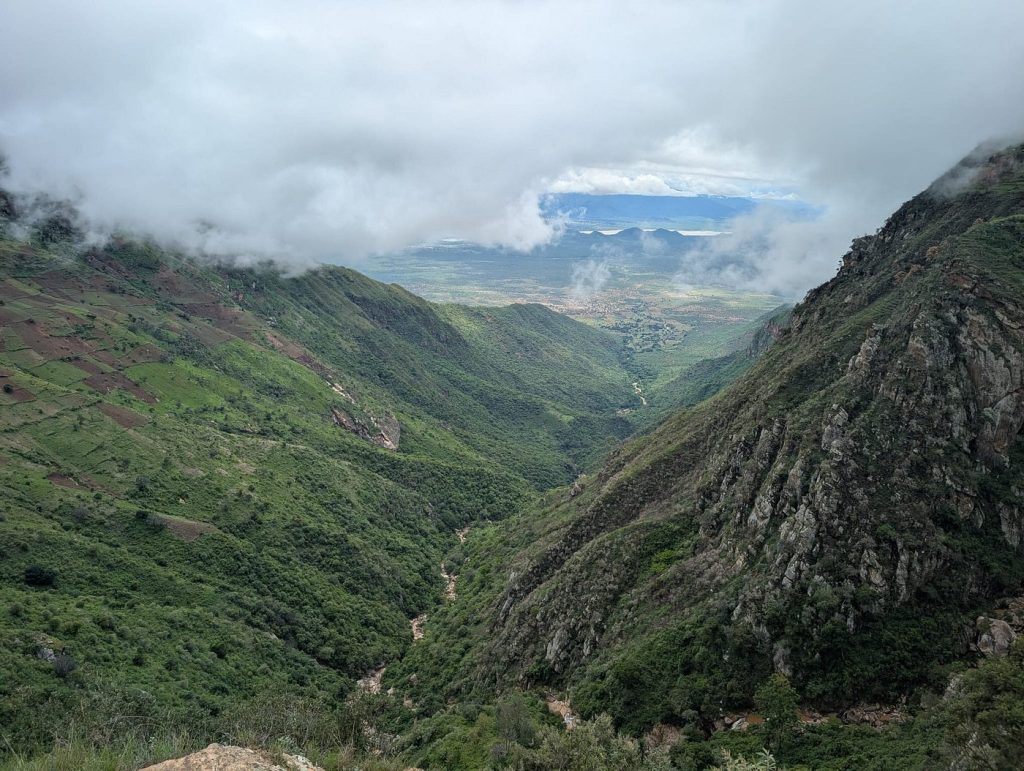
The Amani (meaning ‘peace”) Nature Reserve was designated in 1997 and has been described as ‘one of Africa’s largest botanical gardens. Being off the main tourist circuits, Amani is one of the least-visited sanctuaries, but for those who yearn for the solitude of unchanged rainforest, it offers a rare experience. Walk in the forest at Amani in the cool mountain air among giant camphor trees, strangler figs and, everywhere, liana creepers. It is a great place for birders, with over 350 species recorded. Large mammals are rare, but look up to the canopy and you will see nervous black and white colobus monkeys high in the treetops, looking back at you. The forest is a superb place to see butterflies and, in comparison with national parks, you have the benefit of being out of your car so that you can get close to them. The Usambaras have one major advantage for the visitor over other mountain forest gems such as the Udzungwa National Park – most of these mountains are quite remote, but the Usambaras at Amani are highly accessible, located just off the tarmac Arusha-Dar es Salaam road. They are half-an-hour’s drive from the airport at Tanga, which is a mere stone’s throw by air from Dar es Salaam or Zanzibar. This must become one of the star destinations of the future. There are only two ways of accessing the Usambaras, one is in the west at Lushoto, the other in the east at Amani, which was used as a resort by the German officials during the colonial period.
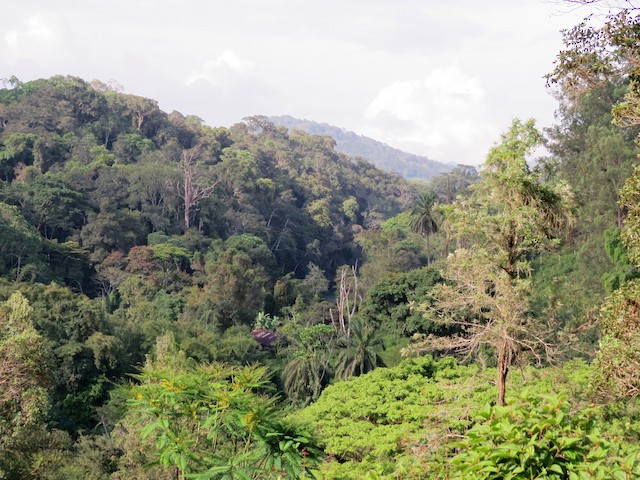
Once arrive at Amani via Muheza on the Tanga to Korogwe road. Our Guide will pay the entrance fee at the Sigi Gate, and drive 9km (5.6 miles) on a usually well-kept murram (rough) road to Amani itself. You can visit Amani for a day from Tanga or Pangani, or you can stay over in one of the rest houses or lodges. Originally the Germans cleared much of the forest area around Amani for coffee plantations, though these have largely been replaced by tea estates, which are still there. There is an arboretum located in the Amani Botanical Gardens that has a range of the important species of the forest. The Western Usambara The eastern and western Usambara are separated by the valley of the Lwengera River, which is a tributary of the Pangani. The route into the western Usambaras leaves the Dar es Salaam Road at Mombo and heads up a paved road, following a winding river to Soni and Lushoto.
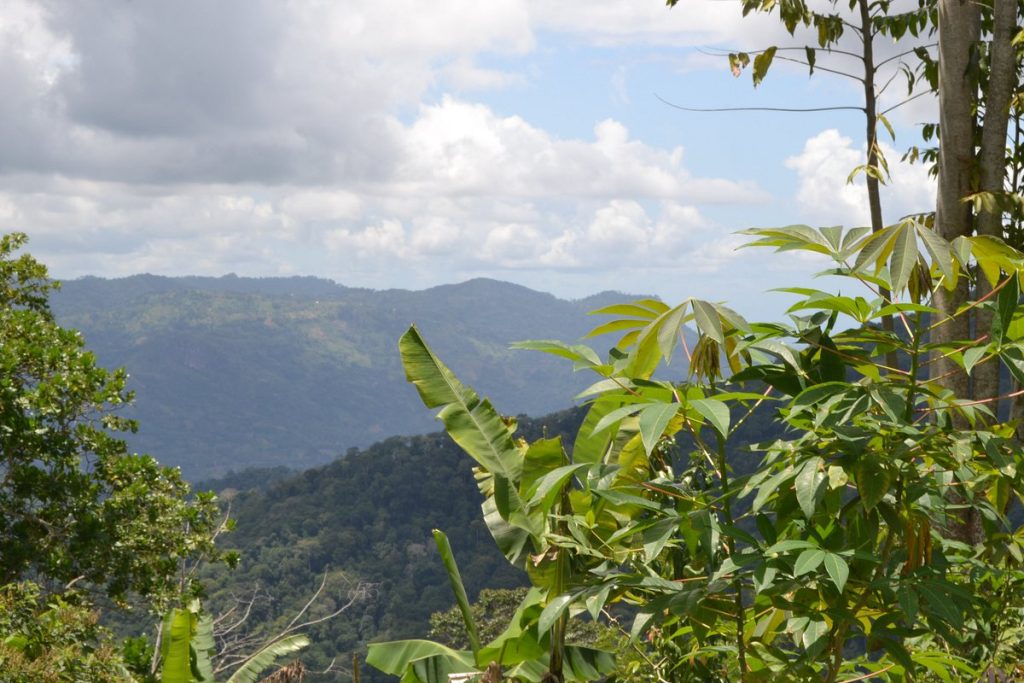
Lushoto, which has a population of approximately 300,000, is situated at an altitude of about 1,500m (4,920ft), and has a beautiful mountain setting. It has a ‘small-town’ atmosphere, and the people are very friendly and welcoming. Located at a high altitude, it is much cooler than the coast and was originally popular with the German colonists as a pleasant retreat from Dar es Salaam during the hottest months. The first European to arrive in the area was Johannes Krapf in 1849.
The Germans later named the town Wilhelmstal, after the Kaiser. The town has a busy central market, banks, a bookshop and a Tourist Information Centre. About 1km (0.6 miles) north of the town centre, is the Tafori Arboretum, which has a wide collection of Usambara plants. Lushoto is also host to one of Tanzania’s beacon, local tourist projects, the Western Usambaras Cultural Tourist Programme.
The Western Usambaras Cultural Tourist Programme is one of the foremost of such schemes in the country, and provides a wide variety of experiences for visitors, based on different aspects of local culture. It also provides an income for those who take part. Information on potential tours and walks is obtained in Lushoto at the Tourist Information Centre or you can contact us for more details. At Shizi Safari we offer a selection of walks, mountain climbing, visits to various development projects, visits to places where you can experience past and present local culture, and visits to view pottery-making.