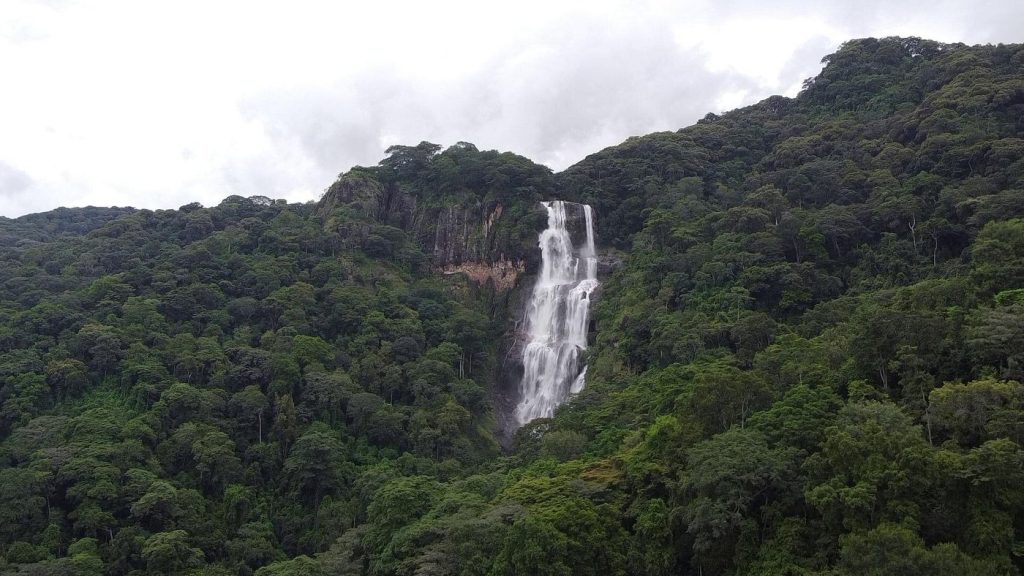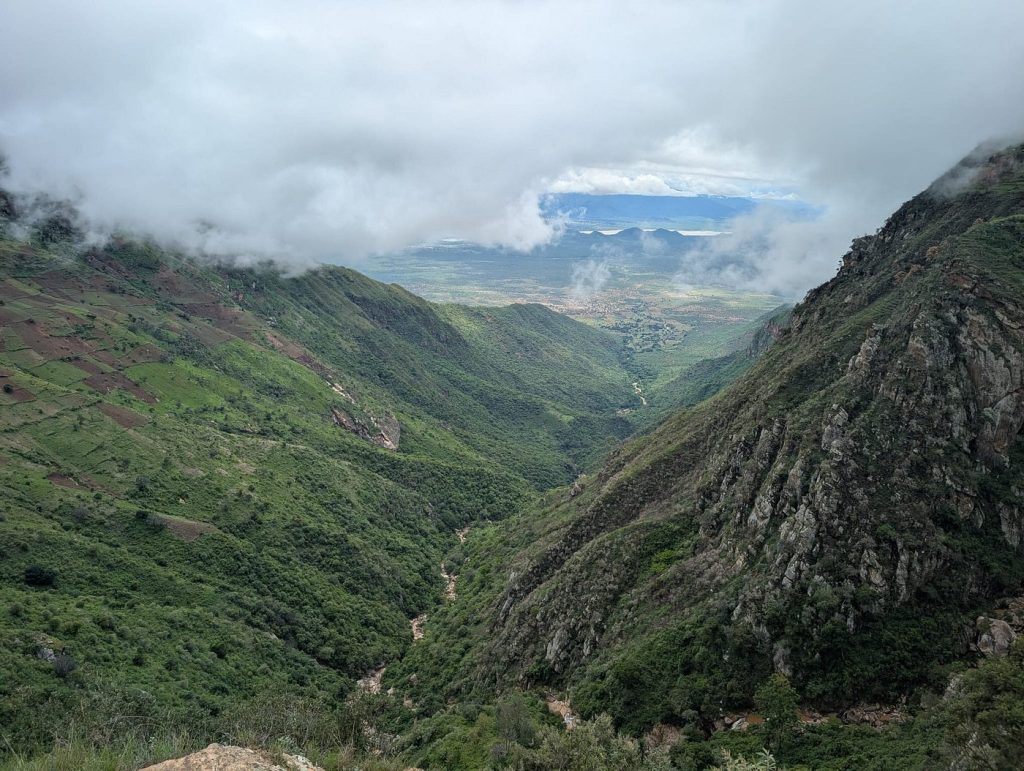
Moshi, which sits at about 800m at the foot of Mt Kilimanjaro, makes an unassuming introduction to the splendours of the north. It’s a low-key place with a self-sufficient, moderately prosperous feel, due in large part to its status as the centre of one of Tanzania’s major coffee-growing regions.
It’s also the capital of the densely populated Kilimanjaro region and a major educational centre, with one of the highest per-capita concentrations of secondary schools in the country.
Most visitors use Moshi as a starting point for climbing Mt Kilimanjaro, although it’s a pleasant enough place in its own right to relax for a couple of days. It also tends to be less expensive than nearby Arusha.
Tanzania Coffee and What to Learn About It
Together with Bukoba, Moshi is one of Tanzania’s major coffee-growing centres, and it’s this aromatic bean that has (together with trekking, in more recent years) kept the town’s economy alive for much of the past century.
Coffee, which is said to have originated in southwestern Ethiopia, came to Tanzania around the turn of the 19th century, after being introduced by Jesuit missionaries from Réunion island.
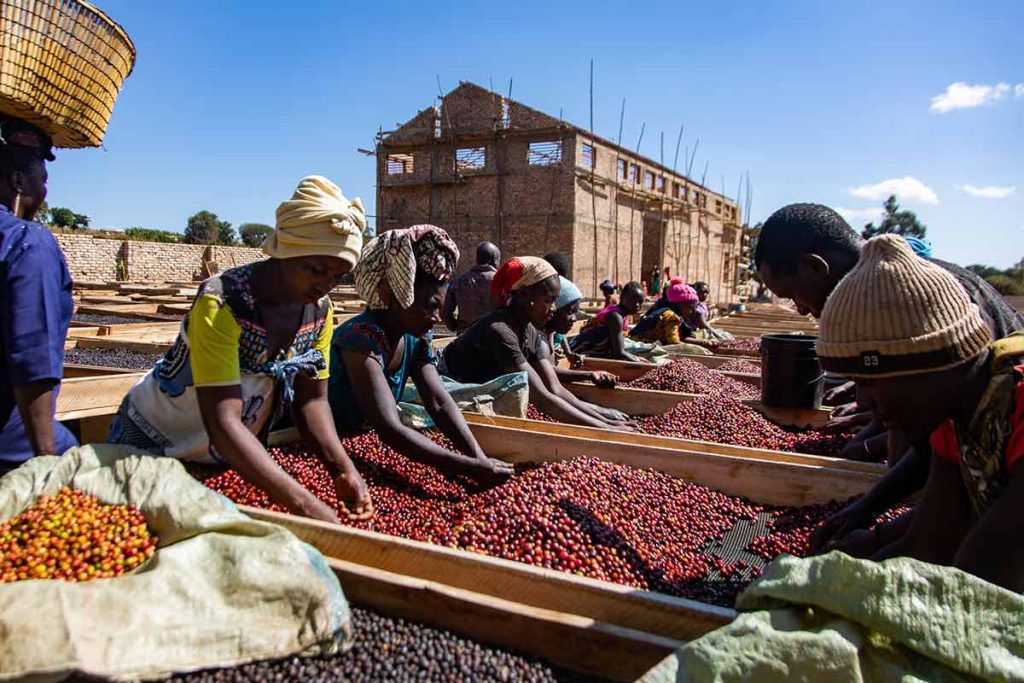
During the British colonial era, the industry began to flourish, with the formation of successful coffee-marketing cooperatives among the Chagga people in and around Moshi.
During the 1960s it surpassed sisal as Tanzania’s main export crop, and today – despite taking a beating from adverse weather conditions and volatile world prices – is still a linchpin of the national economy.
There are two types of Tanzania coffee. Coffee arabica, which accounts for just under 75% of Tanzanian coffee exports, is used to make higher-quality speciality coffees, and is what you’ll see growing around Mt Kilimanjaro, Mt Meru and in the Southern Highlands.
Coffee robusta, more neutral in taste and used to make less expensive blends and soluble coffees, is grown around western Lake Victoria. More than 90% of Tanzanian coffee is grown on tiny smallholder farms, with the rest coming from cooperatives and private estates.
Good places to buy bags of fresh coffee to bring home as gifts include the Coffee Shop in Moshi and Kitamu Coffee Shop in Arusha.
Bukoba, another major town for coffee production in Tanzania is a bustling town with an attractive waterside setting and amenable small-town feel, and makes a convenient stop if you’re travelling between Tanzania and Uganda or Rwanda.
The surrounding Kagera region is home of the Haya people, known for their powerful kingdoms. Prior to the rise of the Haya kingdoms, Kagera was at the heart of a highly advanced early society known for its techniques of steel production. Various artefacts, including remnants of-kilns estimated to be close to 2000 years old, indicate that steel production was well developed here long before equivalent techniques were known in Europe.

Although there are no traces of this now in Bukoba, there is a small display on Iron Age findings from the region at the National Museum in Dar es Salaam.
The modern-day town of Bukoba traces its roots to 1890, when Eduard Schnitzer – a German doctor and inveterate wanderer — arrived on the western shores of Lake Victoria as part of efforts to establish a German foothold in the region. Since then, the town has kept itself alive through a flourishing local coffee industry and a busy regional port (the second largest on the Tanzanian lake shore).
Frequently Asked Questions
Why is Tanzania coffee famous around the world?
Tanzania coffee is famous for its rich flavor and high quality. The country’s fertile volcanic soil and ideal climate help produce excellent coffee beans. Many coffee farms are located on the slopes of Mount Kilimanjaro and Mount Meru. Tanzanian coffee often has bright acidity with fruity and floral notes. Coffee lovers enjoy it because every cup has a unique and refreshing taste.
Which coffee, growing regions are the best in Tanzania?
Tanzania has several well-known coffee,growing regions. Kilimanjaro, Arusha, Mbeya, Songwe, and Ruvuma are among the top producers. Each region gives the coffee a slightly different flavor. Some coffees are sweet and fruity, while others have chocolate or nutty notes. Visiting these areas is a great way to learn how coffee is grown and processed.
What types of coffee are grown in Tanzania?
Tanzania mainly grows Arabica and Robusta coffee. Arabica is the most popular and makes up most of the country’s coffee production. It is known for its smooth, rich, and aromatic flavor. Robusta is grown in smaller amounts, mainly around the Lake Victoria region. Both types are enjoyed locally and exported around the world.
Can travelers visit coffee farms in Tanzania?
Yes, many travelers include a coffee tour during their Tanzania holiday. Coffee farms near Kilimanjaro, Arusha, and Karatu welcome visitors. You can walk through the plantations and learn about every step of coffee production. Most tours also let you roast, grind, and brew your own coffee. It is a fun and authentic cultural experience for visitors of all ages.
Is Tanzania coffee worth buying as a souvenir?
Yes, Tanzania coffee makes an excellent souvenir to take home. Freshly roasted beans are easy to pack and have a long shelf life. Buying directly from local farmers also supports local communities and small businesses. You can choose whole beans or ground coffee, depending on your preference. Every cup will remind you of your unforgettable adventure in Tanzania.
Still have questions?
Our local safari experts are happy to help you plan the perfect African safari.