
Table of Contents
Most of you concrete jungle dwellers will be exposed to a completely different environment while being on a safari in Africa. Your first impression will be one of freedom, space and peace.
But not everything is always as it seems and being in Africa’s wilderness brings with it its only set of ‘dangers’. And as they say in Holland, accidents hide in the smallest of corners.
I will not talk about the obvious dangers, like those of getting interaction with big game or poisonous creatures. Although accidents do occur with these animals, those are extremely rare considering the amount of people that do venture into the bush.
I have created the following list with your comfort and safety in mind. Some tips might be common knowledge, but I hope you find other ones that you never thought of and that will prevent you from getting harmed. So ‘stick’ to them and you will increase your chances of enjoying the African bush to the fullest and return back home in one piece.
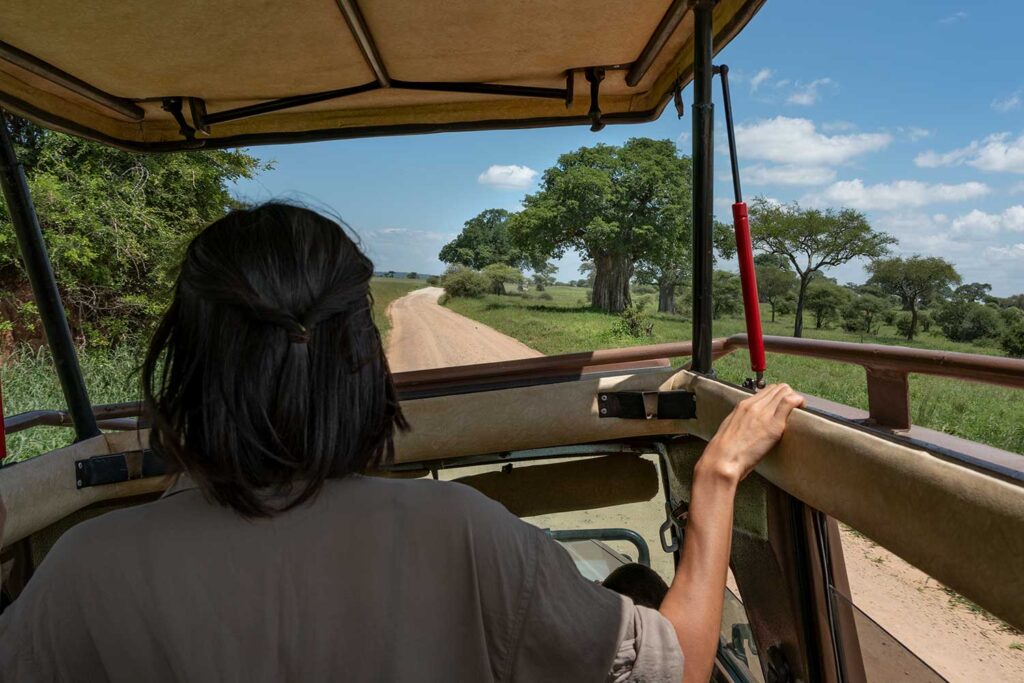
Being in your vehicle:
1. Wear sunglasses when your (open) vehicle is moving
Have you ever gotten a small fly in your eyes? Well, there are many insects in Africa that are bigger than the normal house-fly. Wearing glasses will protect you from the painful impact with one of these flying giants and you will be able to see the other animals with two eyes instead of just one.
2. Chewing a grass straw
Since there is not much grass left in western urban areas, the old habit of picking a straw and chewing it might suddenly flair up. Travelers cut their hand while picking a straw of tall grass from a moving vehicle. Even if you only do that once! Grass is sharp, so rather chew some gum.
3. Limbs
Keep your limbs inside the vehicle and watch the vegetation. If Africa is famous for one thing, it is the enormous amount of spiky and thorny bushes. When you want to point sideways at something interesting, make sure you check if you can stick your hand out. I always warned people about those dangers, yet, I have seen many a (deep) scratch.
4. Driving through thick bush
In pursuit of fantastic rare game, your guide sometimes has to drive into thick vegetation. This means that branches might sweep into the vehicle. If your guide drives slowly (which he should) keep watching branches. (S)He will normally tell you when you are able to push branches away. Push them with a flat hand and don’t hold on to them!
During your sundowner
5. Watch out for small insects
During your afternoon game drive you will normally stop for a short drinks- and snack break. Your guide will know the safest places to get out of the car. He might however miss what is crawling in those places. Check for ants while you have your drinks, some can leave nasty bites.
6. Going for a ‘wee’ or more.
Obviously you tell your guide that you want to use the bush bathroom so he can keep an eye on you. What he doesn’t chose for you is where you are going to squat. Check again for ants and for thorny plants/bushes. Your guide will put a band-aid on your arm, Nobody knows whether he wants to see your freckled white, scratched bum. More on how to survive going to the toilet in the bush you can read here.
At the lodge/Camp
7. Closed shoes
Wear closed shoes around the campfire in the evening. Many small animals live in wood and those animals hate to be roasted. This means they will come out of their wooden hiding places when it gets too hot for them. You wouldn’t want to get stung by a scorpion do you?
8. Carry a torch
No matter how close or how far your sleeping spot is, always carry a torch while walking in the dark. First of all it helps you in seeing better (read: avoid (dangerous) animals), but it also prevents you from stepping on protruding and sharp sticks or thorny, broken off, branches.
9. Whistle
In case you have to walk in the dark on your own, whistle. By making noise you will not surprise an unexpected animal and it will have plenty of time to haul ass. And yes, even most snakes will make sure they get out of your way. Got a tune in your head already?
10. Mosquito net
Last but not least, if there is a mosquito net over your bed, use it. Not because you protect yourself more against possible transmission of malaria, but simply because it makes you sleep better without that horrible buzzing noise around your ears.
Happy safari and happy return home!
Frequently Asked Questions
What are the most common small injuries on safari?
On a safari in places like Serengeti National Park or Tarangire National Park, small injuries can include insect bites, sunburn, minor cuts, or blisters. These are usually not serious but can affect your comfort during the trip. Walking on uneven terrain or getting in and out of safari vehicles can sometimes lead to small scrapes. Dehydration and headaches are also common if you’re not drinking enough water. The good news is that most of these are easy to prevent with a bit of preparation.
How can I protect myself from insect bites?
Insect bites are one of the most common issues on safari, especially in warmer areas. Using insect repellent, wearing long sleeves in the evening, and sleeping under mosquito nets can make a big difference. Many lodges around Ngorongoro Crater and other parks provide protection, but it’s still good to come prepared. Neutral, colored clothing also helps reduce attraction for some insects. With a few simple precautions, you can avoid most bites and enjoy your trip comfortably.
What should I pack to avoid small injuries?
Packing smart is key to staying comfortable on safari in Tanzania. Bring sunscreen, a hat, sunglasses, and a reusable water bottle to protect against the sun and dehydration. Comfortable walking shoes help prevent blisters, especially during nature walks. A small first, aid kit with plasters, antiseptic cream, and pain relief is always useful. These simple items can prevent small problems from becoming bigger inconveniences.
How can I stay safe during game drives and walks?
Following your guide’s instructions is the best way to stay safe during activities in parks like Serengeti National Park. Always remain seated in the vehicle unless your guide says it’s safe to get out. During walking safaris, watch your step and be aware of your surroundings to avoid slips or scratches. Wearing proper footwear and staying hydrated also helps prevent fatigue, related accidents. Being attentive and cautious ensures a smooth and enjoyable experience.
Is it easy to handle minor injuries while on safari?
Yes, most safari lodges and camps in Tanzania are well, prepared to handle minor injuries. Guides often carry basic first, aid supplies, and staff are trained to assist with small issues. If needed, nearby clinics or medical facilities can be accessed quickly. It’s still a good idea to travel with personal medical supplies for convenience. With the right precautions, small injuries won’t interfere with your adventure.
Still have questions?
Our local safari experts are happy to help you plan the perfect African safari.





