
Table of Contents
-
-
-
- Mount Kilimanjaro:
- Tarangire National Park:
- Kondoa Irangi rock paintings:
- Kilwa Kisiwani:
- Forodhani Gardens, Stone Town:
- Hiking in the Usambara and Udzungwa mountains:
- Scuba Diving:
- Chimpanzee at Gombe Stream and Mahale Mountains:
- Serengeti plains:
- Beaches, Zanzibar:
- Ngorongoro Conservation Area:
- Seafood Zanzibar:
- Lake Ferries:
- Indian Ocean Flights:
- Stone Town:
- Frequently Asked Questions
-
-
It is not possible to see everything that Tanzania has to offer in one visit, and at Safari ASAP we do not suggest you try. What follows is a selective taste of the country’s highlights-dramatic landscapes, idyllic beaches, and awe-inspiring wildlife -arranged in five color-coded categories. All highlights below can be arranged by Safari ASAP. Contact us to find out more about these destinations.
Mount Kilimanjaro:
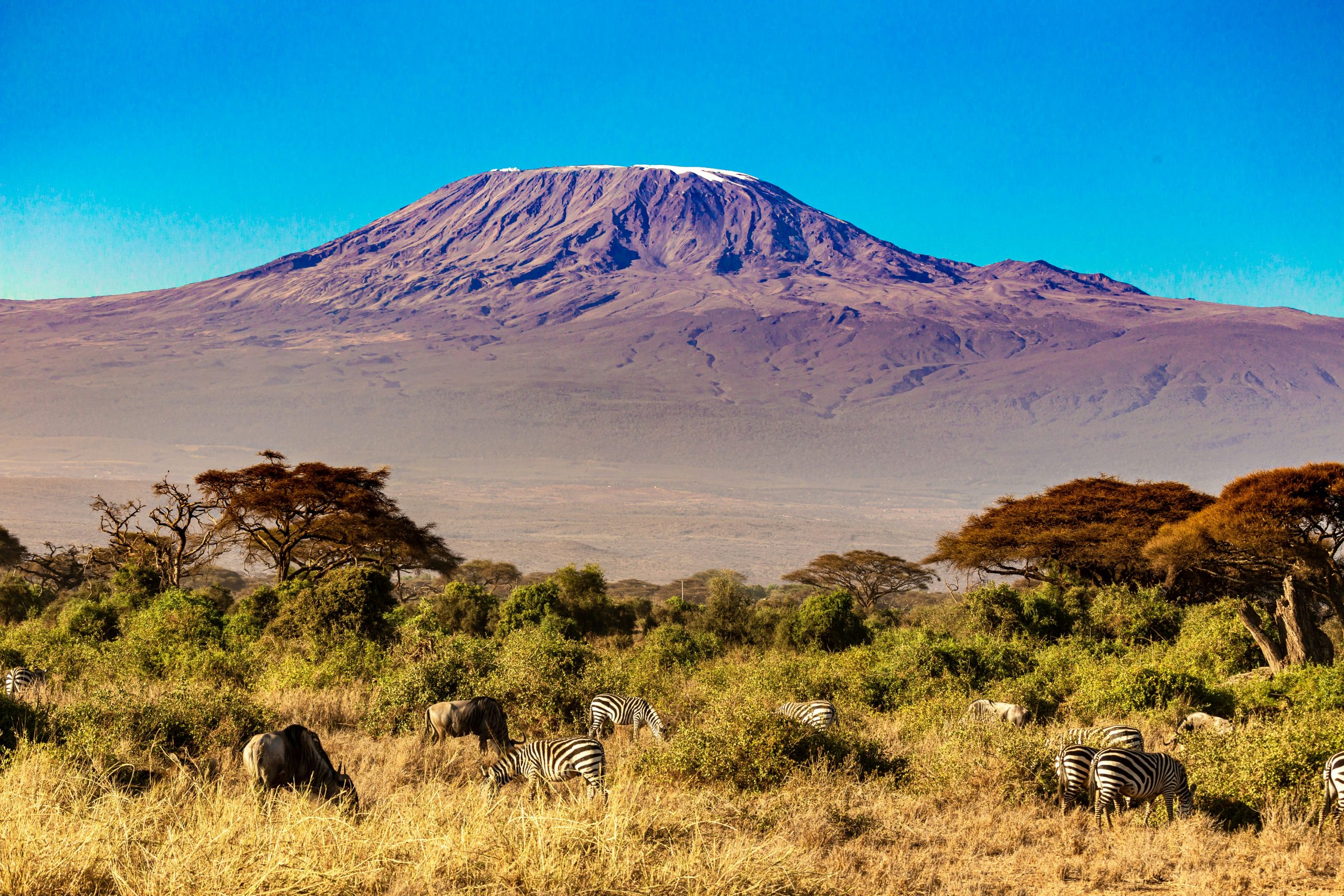
Kilimanjaro, Africa’s highest peak and the world’s tallest free-standing mountain, attracts trekkers from all over the world, though only about two-thirds of them make it to Uhuru Peak at the summit, thanks to proper clothing and equipment, as well as professional mountain guides who can lead hikers to Africa’s roof. Kilimanjaro National Park encompasses the whole mountain above the forest canopy, as well as six woodland corridors that descend to roughly 2000 meters.
Tarangire National Park:
Tarangire is the finest site in Africa to observe elephants during the dry season, however, even these big creatures are overshadowed by the park’s massive baobab trees, many of which are over 1,000 years old. Except for rhinos, they cover about 4000 km2 of pristine Rift Valley wilderness southeast of Lake Manyara. This park has a wild and unkempt beauty and contains nearly every animal species you’re likely to encounter on safari.
Kondoa Irangi rock paintings:
The Irangi Hills in central Tanzania is home to a spectacular complex of painted rock shelters, the oldest of which dates back 18,000 years. Approximately 158 kilometers north of Dodoma, inside the small town of Kondoa, along an infamous road, is a convenient base for visiting the ancient rock art sites, also known as Kolo rock paintings, of the Irangi Hills, which provide a vivid and interesting overview into not only Tanzania’s but humankind’s earliest known origins and way of thinking.
Kilwa Kisiwani:
The impressive ruins of the island city-state of Kilwa Kisiwani bear witness to the enormous wealth amassed through gold, ivory, and slaves. Hassan bin Ali, son of Shiraz’s monarch (now Iran), founded Kilwa in 975 AD. Ali bought it from a local chief after being shipwrecked on the island in exchange for a quantity of the fabric. Kilwa reached its pinnacle in the 14th and 15th centuries when the majority of the surviving ruins were built.
Culture Tourism:
Tanzania’s cultural tourism programs, which are often tacked on at the end or begin of a trip as an additional service, end up being the highlight of many during a vacation. The numerous modules range in length from two hours to over a day, and the rates are low, especially if you book directly with Safari ASAP; a full day tour should cost between $ 50 and $ 120. Tanzania offers a wide range of healthy outdoor activities, including coffee tours, Swahili dish cooking, boating, canoeing, and hiking, in addition to wildlife safaris or Kilimanjaro adventures. Alternatively, go for a village walk or check out some of the country’s cutting-edge cultural tourism programs with us.

Forodhani Gardens, Stone Town:
The seaside Forodhani Gardens in Stone Town are a street-food enthusiast’s dream, with a confusing selection of seafood, snacks, and even roast bananas wrapped in melted chocolate, all for around a dollar or two. This cafe combines a lovely twilight ambiance with a variety and quality of food that would put many a five-star hotel to shame; but, in low season, check seafood carefully before ordering, since it is not always fresh.
Hiking in the Usambara and Udzungwa mountains:
Hiking in the Usambara and Udzungwa mountains offers ancient rainforests, rare plant and animal species, and face-to-face encounters with primates. Over three hundred bird species have been recorded so far, including the Udzungwa partridge, rufous-winged, and Mareau’s sunbirds, all of which are endemic and exceedingly rare.
Scuba Diving:
The coral reefs off Tanzania’s coast, particularly those off Zanzibar and Mafia Island, offer some of the best scuba diving in the world. These two locations offer some of East Africa’s best scuba diving. The conditions are optimum in November and February, with a decent chance of seeing sharks, and occasionally in December and January, but strong winds from June to September may keep you in Chole Bay.
Chimpanzee at Gombe Stream and Mahale Mountains:
Many unique elements of chimp life have been revealed through studies of wild chimp populations in the Mahale Mountains and Gombe Stream national parks. Gombe Stream National Park, located 16 kilometers north of Kigoma, is Tanzania’s smallest but most fascinating national park, as well as it’s the most expensive. Its 52 square kilometers span a short swath of mountainous territory stretching from Lake Tanganyika to the escarpment’s eastern slope.
Serengeti plains:
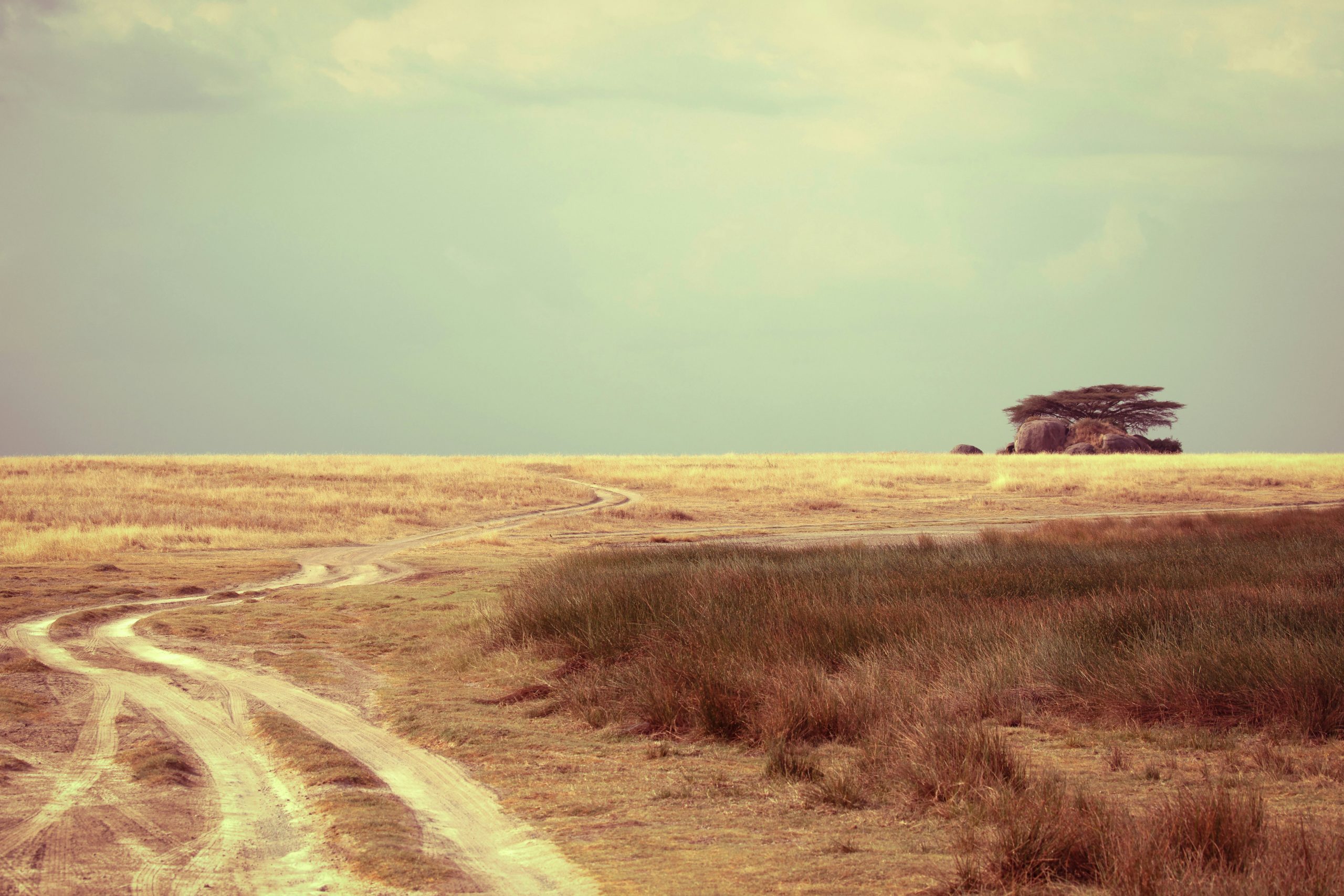
The renowned Serengeti is home to Africa’s largest concentration of grasslands game and the setting for one of the world’s most spectacular wildlife shows when over 2.5 million animals embark on their annual migration. The Serengeti National Park, which covers 14,763 kilometers and is Tanzania’s oldest and largest national park as well as one of the world’s best-known animal sanctuaries, is one of Tanzania’s natural crown jewels.
Beaches, Zanzibar:
The beaches of Zanzibar are the ideal spot to unwind after a hot and dusty safari. Zanzibar’s beaches are stunning, palm-fringed, and more intimate, retaining a distinct feeling of community. The island’s liveliest nightlife may be found on the beaches, with dozens of mostly excellent seafood restaurants, snorkeling, scuba diving, a turtle pool, village tours, and sunset dhow cruises.
Ngorongoro Conservation Area:
Close encounters with lions, buffaloes and rhinos are nearly guaranteed in the vast caldera of an extinct volcano (Ngorongoro Crater), which provides a stunning setting for Ngorongoro’s plentiful plains species and its predators. The Serengeti National Park, which is adjacent to it, offers an incredibly diverse ecosystem that serves as one of Africa’s most striking backdrops for watching a plethora of wildlife.
Seafood Zanzibar:
Swahili cuisine emphasizes seafood, particularly in Zanzibar, where fish, prawns, squid, and lobster are served with delicate spices and sauces. Stone town is Tanzania’s culinary apotheosis, with an abundance of dining options ranging from the famed nighty food market in the Forodhan Gardens to a slew of refined or romantic venues, including many nightclubs along the beach and others on a rooftop in the old town.
Lake Ferries:
There are ferries to each of Tanzania’s big lakes, including two legendary overnight journeys: along Lake Tanganyika on the venerable MV Liemba, or along the ascending Livingstone Mountains or Lake Nyasa. Port hopping around Lake Tanganyika south of Kigoma is a time-consuming but curiously rewarding exercise for the truly brave, while a trip on Lake Nyasa is one of Tanzania’s great journeys, offering as many views and lonely settlements for people to explore.
Indian Ocean Flights:
Any trip from the mainland to Zanzibar or Mafia Island provides an outstanding bird’s eye view of the Indian Ocean’s coral reefs. Mafia Island is by far the largest of the archipelago’s islands, stretching 55 kilometers from northeast to southwest and covered in coconut plantations for much of its length. Coastal Aviation and Precision Air operate daily flights between Kilimanjaro/Dar and Zanzibar. For further information, please contact Safari ASAP.
Stone Town:
With sumptuous 19th-century buildings and tragic remnants of the slave trade at every turn, Stone Town’s convoluted network of narrow lanes is beautifully intriguing. With its tangle of small twisting lanes, bustling bazaars, and majestic Arabian and Indian homes, Stone Town also known as Mji Mkongwe (Old Town) is reminiscent of the medians of North Africa and Arabia.
For all these headline grabbers, Tanzania’s richest asset is its people. Welcoming, unassuming and relaxed, they will treat you with uncommon warmth and courtesy wherever you wander and genuine friendships are easily made. Usually, in Africa, Tanzanians have a strong and peaceful sense of dual identity: as proud of their nation as they are of their tribe. Although most tribes ditched their traditional modes of life decades ago, a handful resists, the most famous of which are the cattle-herding Maasai- whose fiercely proud, red-robed spear-carrying warriors are a leitmotif for East Africa. Yet there are almost 120 other tribes all with rich traditions, histories, customs, belief,s and music some of which you will be able to experience while on holiday in Tanzania. You can always contact us to start arrange your safari in Tanzania.
Frequently Asked Questions
What are the must ,see wildlife experiences in Tanzania?
Tanzania is famous for its incredible wildlife, and no holiday here is complete without a safari. Parks like Serengeti National Park and Ngorongoro Conservation Area offer unforgettable opportunities to see lions, elephants, zebras, and wildebeest up close. The Great Migration, which happens in the Serengeti and Mara regions, is one of the most spectacular wildlife events on the planet. Game drives, both in the early morning and late afternoon, provide the best lighting for photography. Experiencing these majestic animals in their natural habitats is a highlight of any Tanzanian holiday.
Can I go hiking or climbing in Tanzania?
Absolutely! Tanzania is home to some of Africa’s most iconic mountains, including Mount Kilimanjaro, Africa’s tallest peak. Climbing Kilimanjaro is a bucket, list adventure that offers stunning views and a real sense of achievement. Other options include hiking in Mount Meru or exploring the trails in the Usambara Mountains. Many treks pass through lush forests, waterfalls, and unique wildlife areas. These hiking experiences allow visitors to connect with nature while enjoying physical challenges.
What cultural experiences can I enjoy in Tanzania?
Tanzania offers rich cultural experiences that let visitors connect with local communities. Meeting the Maasai in northern Tanzania is unforgettable, as you can learn about their traditional way of life, dress, and ceremonies. Village visits in regions like the Usambara Mountains or near Lake Victoria allow you to see local crafts, dances, and daily activities. Markets in cities like Arusha and Moshi offer vibrant cultural experiences and a chance to try local foods. These cultural encounters make your holiday more meaningful and memorable.
What water based activities can I do in Tanzania?
Tanzania is home to stunning lakes, rivers, and the famous Zanzibar coastline, perfect for water adventures. You can go snorkeling, diving, or swimming in turquoise waters around Zanzibar and explore vibrant coral reefs. Boat safaris on rivers like the Rufiji River allow you to see hippos, crocodiles, and birds in their natural habitat. Kayaking, fishing, and dhow cruises are also popular for travelers seeking relaxation on the water. These activities add a refreshing and scenic dimension to any Tanzanian holiday.
Are there unique nature and scenic spots to visit in Tanzania?
Yes, Tanzania has breathtaking landscapes that go beyond its wildlife. The flamingo filled Lake Natron, the dramatic Ngorongoro Crater, and the vast plains of the Serengeti are just a few highlights. Volcanoes, waterfalls, and forests provide amazing opportunities for photography and exploration. Nature lovers can visit parks like Tarangire National Park to see baobab trees and elephant herds. These scenic spots make Tanzania a dream destination for those who love landscapes and natural beauty.
Still have questions?
Our local safari experts are happy to help you plan the perfect African safari.





