
Table of Contents
- Mahale Chimpanzee Lifestyle
- Chimpanzee Leaders in Mahale National Park
- When Chimpanzees Search for Food
- Must wear a surgical mask when visiting Chimps so they don’t catch anything from us
- Understand the Mahale Chimpanzee Family
- Mahale Chimpanzee Migration
- Chimpanzee Grooming
- Mahale Chimpanzee Daily Life
- Chimpanzee Reproduction
- Mahale Chimps Facts
- Frequently Asked Questions
Mahale national park is mainly a chimpanzee sanctuary but you won’t find it marked on most maps since it was only created in mid-1985. It is on the knuckle-shaped area of land which protrudes into Lake Tanganyika about halfway down the lake, opposite the Zairian port of Kalemie. The highest peak in the park, Nkungwe (2460 metres), ensures that moist air blowing in from the lake condenses there and falls as rain. This rain supports extensive montane forests, grasslands and alpine bamboo. Numerous valleys intersect the mountains, and some of these have permanents streams which flow into the lake. The eastern side of the mountains is considered drier and support what is known as miombo woodlands. It is a very isolated area.
The animals which live in Mahale national park show closer affinities with western than with eastern Africa. They include chimpanzee, brush-tailed porcupine, various species of colobus monkey (including the Angolan black-and-white colobus), guinea fowl and mongoose. Unlike other national parks in Tanzania, this is one in many which you can walk around-there are no roads in any case. Very few tourists come here because of the remoteness of the area, but it is well worth it if you have the time and initiative and the best time to visit is from May to October.
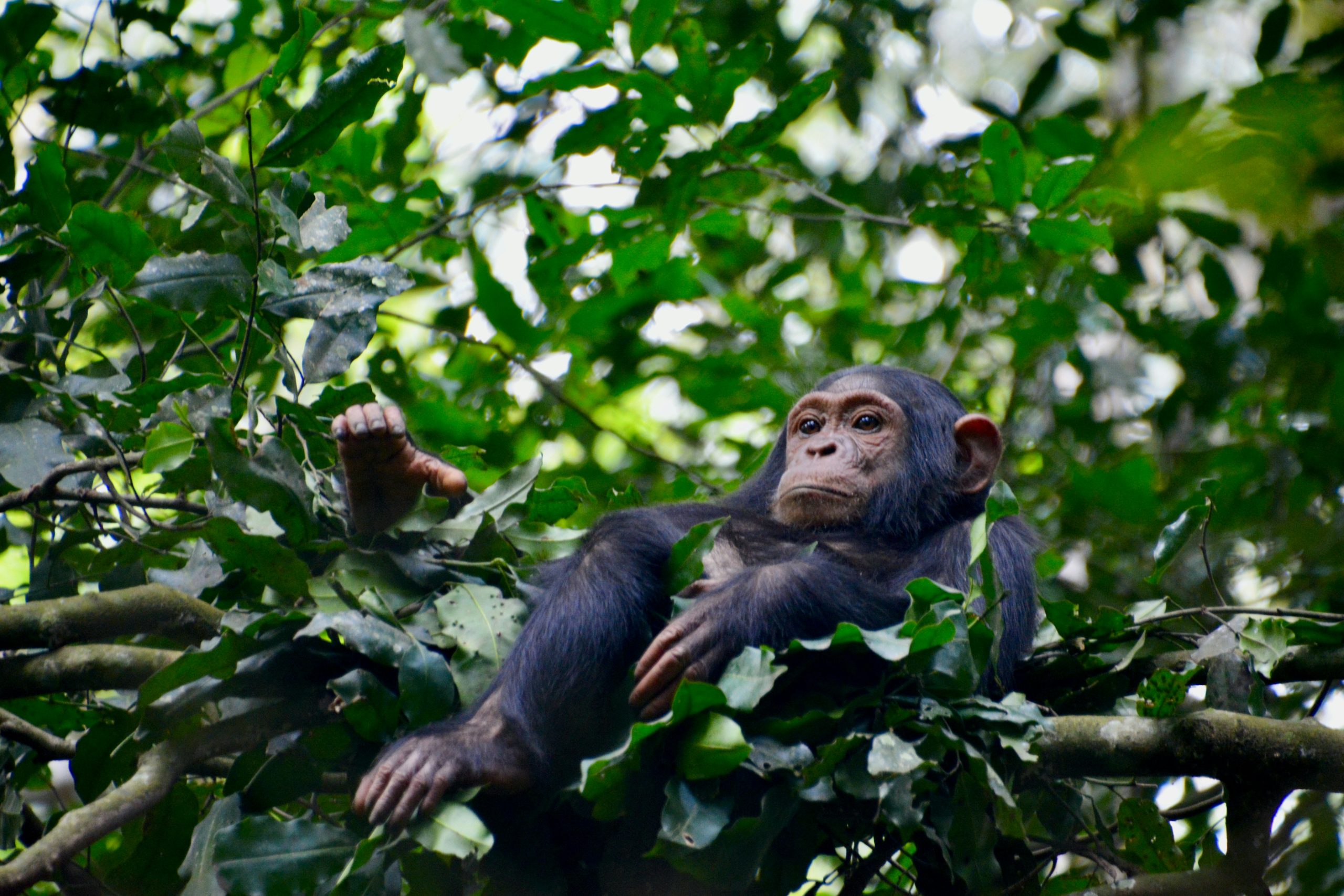
You can get to Mahale national park by scheduled domestic flights from Kilimanjaro international airport (JRO) and Dar es Salaam airport (JKA) to Kigoma town where you can stay in standard hotel at Lake Tanganyika Hotel where they can arrange a boat for you to reach to the national park and for those who prefer backpacking you can use train or bus which might take 24 hrs to 48 hrs to reach in Kigoma and then you can organize boat to Mahale which can be arranged by the Kigoma tourist information centre.
Mahale Chimpanzee Lifestyle
Chimps lifestyle almost resembles those of human beings, one of their culture which can be similar is that the younger chimpanzee must show respects to the older ones and if it happens that the oldest chimpanzee shows up in a group of other younger chimps then they must salute and show respect to the leader otherwise the leader of that group will be punished, the park ranger explained. for example, there is one leader called Primus who is leading a family called M group which has 57 chimps and one of the largest family in Mahale national park, when he appears in the group all other chimps will come and great him by doing different signs and gestures like touching the chin and legs or bring out a sound of respect and in case the top/first leader of the group is not around then the second leader who is called Alofu will be given the same respect as the first leader.
Chimpanzee Leaders in Mahale National Park
In order for a chimpanzee to be a leader then one must possess high skills and have the ability to convince others as well as being strong enough and manage to fight from the first leader, second and third and after win he will be declared a leader of the family, again that chimpanzee should possess important techniques that others will appreciate acknowledge like knowing how to lead the group towards searching for food. At Mahale national park, the second leader named Alofu according to the park ranger, he is famously known for his great skills and with good memories especially the places with enough food which made him having more chimps followers by joining his family.
When Chimpanzees Search for Food
One of the interesting activity that you can learn in Mahale is when chimps go looking for food, the park guide said they just don’t go without knowing where they will find food, always chimps know where the food is and in case a leader or any other male chimps arrive at that place with food before others then he will climb to the highest tree close by the area and start making sounds and gestures which will alert other groups of chimps around that he found some food and finally other groups will arrive and start sharing the food. The Mahale chimps always prefer to eat rubber vine fruit which is their favourite meal, ficus fruits and cord African fruit which they are all found in Mahale National park.
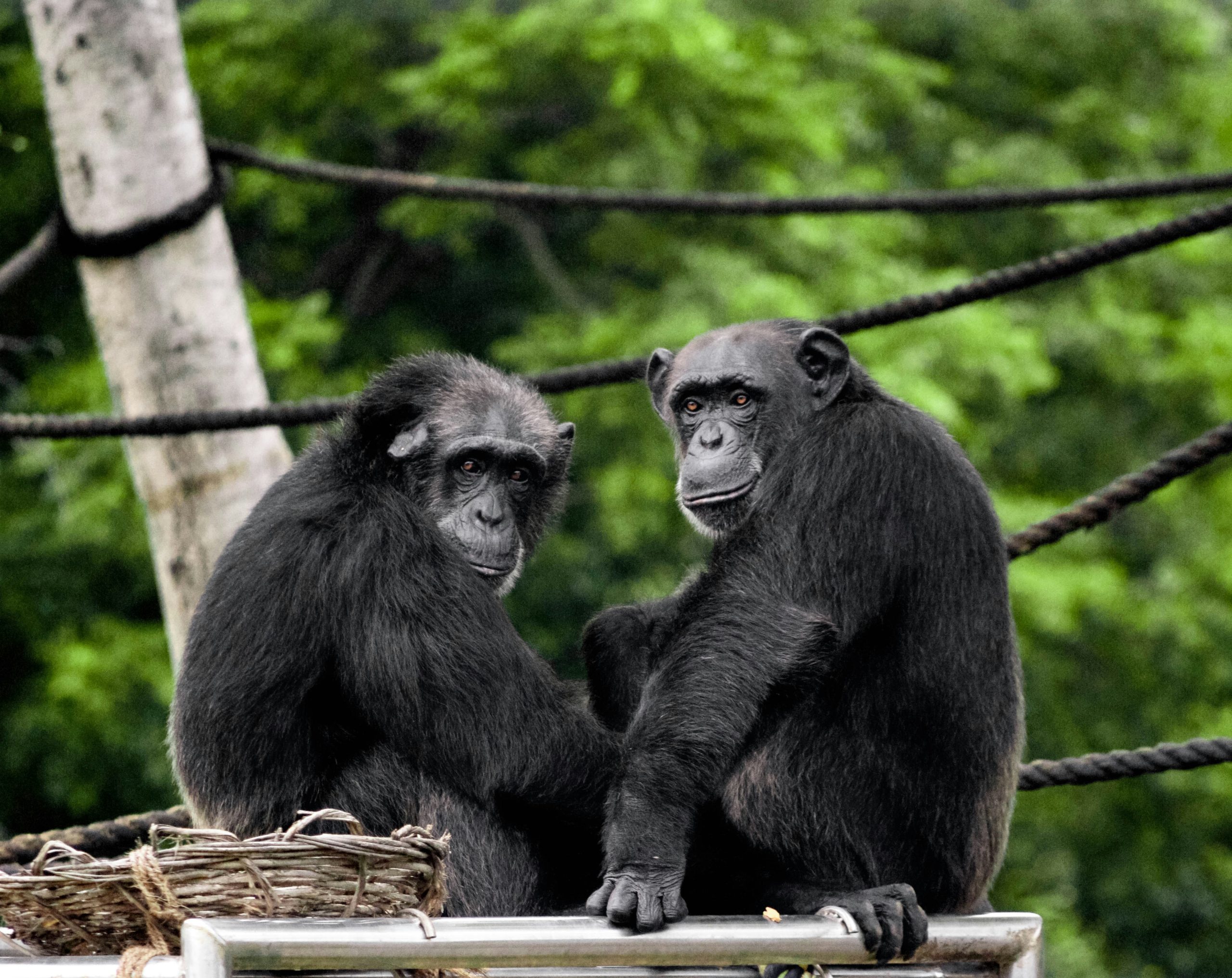
Must wear a surgical mask when visiting Chimps so they don’t catch anything from us
According to the rules of Mahale national park, you are required to wear a mask during the search for chimpanzees and you are supposed to wear it 50m before getting close to them, this is because some time ago 11 chimps were found dead in the park and after a careful investigation they find out that the chimps died out of flue from people who were around the park and since that time the park authority made a rule that you are not allowed to come close to the chimpanzee more than 10m and must wearing a musk during the activities inside the park.
Understand the Mahale Chimpanzee Family
There is only one type of Chimpanzee in Mahale national park but there are different communities or families that you can find inside the park and these families are named after the alphabet even though there is long term for each letter. There is community M, Y, K, N and B community. Y community can be found in the Eastern Mahale and the M community is the one that you can always observe when visiting the park and N community can be found in the Ng’anja area, and K can be found in the Kajabala group. The park guide from Mahale national park can explain and teach you to understand which Chimpanzee belongs to which family whenever you come across them.
Mahale Chimpanzee Migration
Not only you can find the Migration in Serengeti National park where millions of wildebeest and zebra migrate from one area to another but also in Mahale national park you can find the same thing here the Migration of chimps move from one family to another family. The female ones is the most migrated chimps in Mahale, for example, they will migrate from the Y family to the M family but male chimps, they are not allowed to migrate and if they do so other male chimps will have to fight that particular chimps to death, explain the park guide.
Chimpanzee Grooming
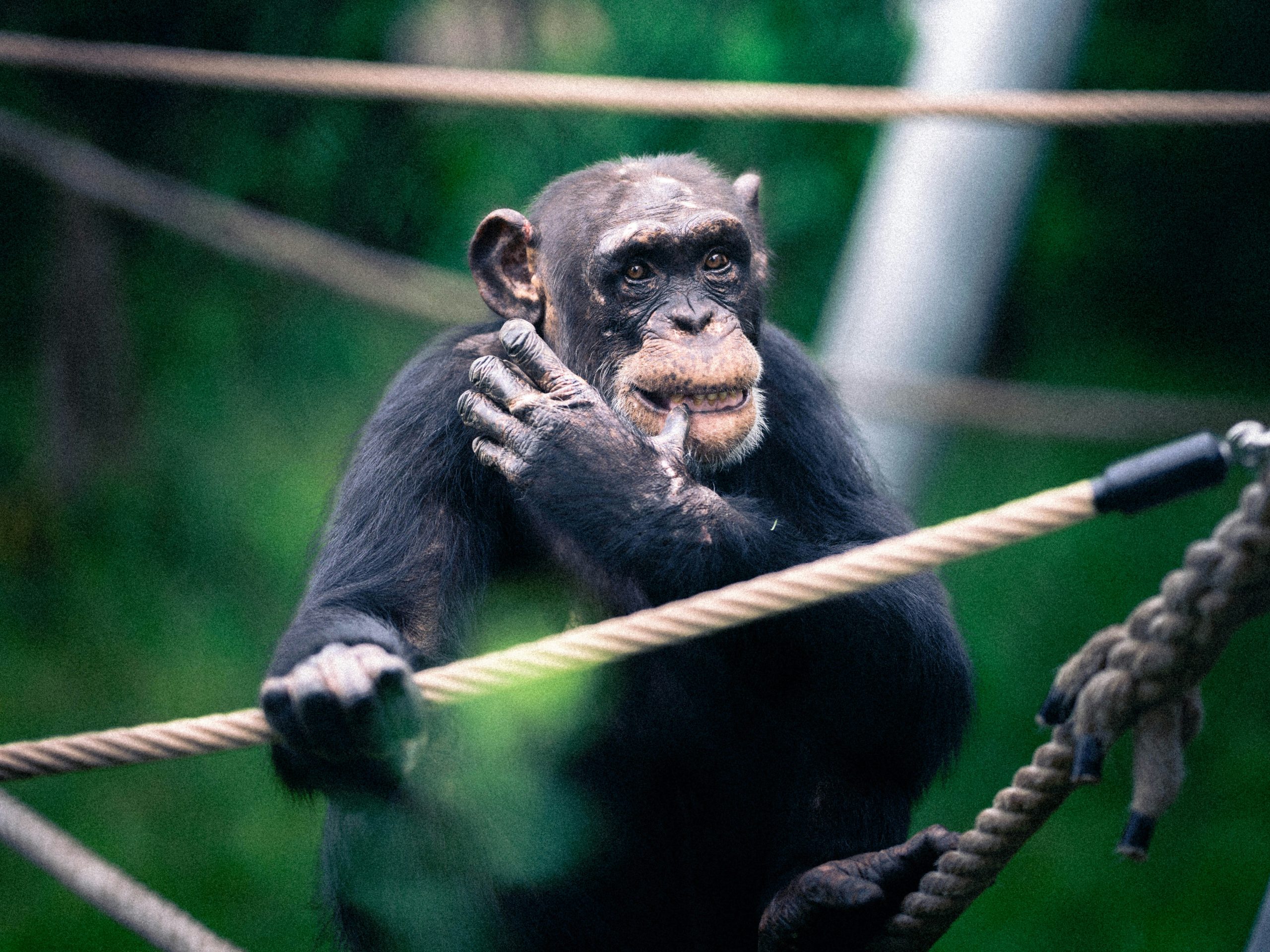
Chimps will always use grooming for a main two reasons, first as a sign of a strong relationship and second is for a cleaning purpose, when two chimps happen to appreciate, love or be close friends then they will always be grooming each other when they are resting especially during midday and this will increase their bond as a family or friend or lovers and for cleaning purpose, they will remove some parasites and insects as well as cleaning the wound from the fights as well as other dirty.
Mahale Chimpanzee Daily Life
In Mahale national park chimps will start their morning by searching for food (breakfast) then they will rest for few hours until 11 am when they again get ready to search for day meal (lunch) then around 5 pm they will have their night meal and start preparing their beds around 7 pm.
Another interesting thing is that our guide (Juma) explain to us is that chimps always make new beds every night, they never use a bed twice unless if they are sick and not able to make one and if that happens they will find any isolated bed left by others and get to sleep otherwise they will always make new bed every single night which they place them on trees so they can escape from enemies and wild animals that may hurt them.
Chimpanzee Reproduction
The chimpanzee has almost the same period of gestation as that of a human being but chimps will be ready for reproduction at the age of 14 and they usually take 8 to 9 months for a gestation period and until the born chimps reach 5 years then he will be strong and have the ability to be independent and stronger than an adult human being.
The chimps won’t be fertile until after 5 years when the born chimps are ready to be independent hence they will produce after every 5 years. Since Mahale chimps live together in the family both female and the male then female chimps will always mate with more than one male which will result in not knowing who owns the offspring afterward and only male chimps who will treat the offspring with care and love as they are his then he will be regarded as a owner of the offspring since it is hard to know who was.
Mahale Chimps Facts
The main activity in Mahale National parks is observing the Chimpanzee while they go about their daily life like how they play around, search for food, take a rest as well as fighting. How they play around, their body shape and behaviour and how they go about their daily life they look 98.6% similar to those of human beings which make very exciting and interesting to see. Most of the chimps know only their mother and not father and mothers are the head of the family and all the chimps will respect the mother even if they have heat they will not mate with their mother since they recognize each other and they always live 55 to 60 and female live longer than male, yeah same as human.
One of the incredible experience in Tanzania is when national parks lie at the shore of the lakes, it is always a fantastic adventure to see this combination of lakes and wildlife and Mahale National park is one of them, located just at the shore of Lake Tanganyika which is the longest freshwater lake in the world and again second deepest, largest by volume and oldest freshwater lake in the world. The Mahale national park is the untouchable chimpanzee paradise and probably the best park to observe the high concentration of chimpanzee than any other places in the world. Contact us for free tips and information if this National park is in your bucket list.
Frequently Asked Questions
Where can travelers find a chimpanzee paradise near Lake Tanganyika?
One of the most famous chimpanzee habitats near Lake Tanganyika is Mahale Mountains National Park in western Tanzania. This remote park is known for its beautiful mountains, thick forests, and clear lake waters. It is home to one of the largest protected populations of wild chimpanzees in Africa. Visitors often travel by boat across the lake to reach this untouched destination. The journey itself adds to the adventure of visiting this unique wildlife paradise.
Why is Mahale Mountains National Park famous for chimpanzees?
Mahale Mountains National Park is famous because it offers one of the best places in the world to see wild chimpanzees in their natural habitat. Researchers and conservationists have studied chimpanzees here for decades, helping people understand their behavior and social life. Trekking through the forest with experienced guides gives visitors a chance to observe these intelligent primates up close. The park protects hundreds of chimpanzees that live freely in the mountains. This makes the area a true paradise for wildlife lovers and primate enthusiasts.
What activities can visitors enjoy in this chimpanzee paradise?
The most popular activity in Mahale Mountains National Park is chimpanzee trekking through the forest. Visitors hike with trained guides who track the chimpanzee groups and explain their behavior along the way. Besides trekking, travelers can relax on the sandy beaches of Lake Tanganyika or enjoy swimming in its clear waters. Some visitors also go kayaking, fishing, or take scenic walks along the lakeshore. The combination of forest and lake activities makes the experience truly unforgettable.
When is the best time to visit the chimpanzee forests near Lake Tanganyika?
The best time to visit Mahale Mountains National Park is during the dry season from June to October. During this time, forest trails are easier to walk and chimpanzees are often easier to locate. The weather is also pleasant for hiking and relaxing by Lake Tanganyika. Wildlife viewing is generally more rewarding because animals gather near water sources. Planning your trip during these months can greatly improve your chances of a successful chimpanzee encounter.
What makes Lake Tanganyika special for wildlife and nature lovers?
Lake Tanganyika is one of the oldest and deepest freshwater lakes in the world. Its crystal, clear waters and surrounding mountains create a breathtaking natural environment. The lake supports a wide variety of fish species, birds, and other wildlife. Parks such as Mahale Mountains National Park and Gombe Stream National Park protect the forests around the lake, making the region a haven for chimpanzees. For nature lovers, this peaceful and remote destination offers a truly wild African experience.
Still have questions?
Our local safari experts are happy to help you plan the perfect African safari.





