
Table of Contents
Welcome to Tanzania, a country renowned for its polite and hospitable people. Here, locals are known for their courteous manners and willingness to apologize. As the largest country in East Africa, Tanzania boasts a wealth of attractions, including lakes, mountains, islands, and numerous game parks and reserves. To help you make the most of your visit, we’ve highlighted five must-see destinations that will ensure your trip is unforgettable. These five places are essential for a truly enriching Tanzanian experience.
Game Drives – What Exactly Is a Game Drive
For those unfamiliar with the term, a “game drive” is an adventure where you explore the wilderness in a 4×4 game-viewing vehicle. Depending on whether you are on a group or private safari, you might be in a larger truck with three or four rows of seats, accommodating up to 8 people, or a smaller vehicle for up to six people. On specialized photographic safaris, the number of people per vehicle is often limited to one person per row of seats to provide the best photographic opportunities.
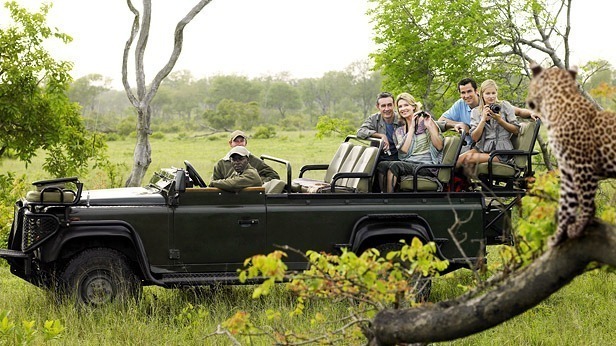
Approximately two to three hours will pass during a “normal” game drive, depending on what you see along the route. You might be able to enjoy an 8-hour full-day game drive at some sites. Your driver will be a skilled and professional with extensive local knowledge who will know where to take you for the best chances of seeing animals.
It is advised to dress in layers because the temperature in your open-sided or “pop-up” game watching vehicle may vary significantly throughout your journey and it is not air-conditioned. Remember to include a hat, sunglasses, sunblock, binoculars, and a camera. On the game drive, drinking water will be supplied, but you are welcome to bring snacks.
The main focus of an African safari is the animals; therefore, every element of your trip is designed to provide you with the greatest possible experience, which may require you to modify your daily routine to fit in with the rhythms of Africa and her inhabitants. There will be four main parts to your Safari day:
Sunrise
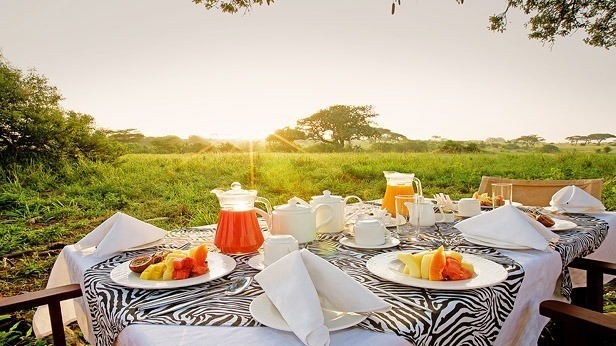
Your wake-up call will come as soon as the first crimson tendrils emerge on the horizon. The morning game drive begins as soon as the Park gates open at 6 or 6.30 am. In the summer, this may be as early as 5 am, while in the winter, it will be about 6 am. This is a lovely time of day to enjoy a cup of tea or coffee and a snack before heading out, while taking in the dawn chorus of birds. There are many of creatures moving, and the light will soon be peeking over the horizon! This time of day, it might be rather chilly, so you should pack a thick jacket.
Mid-Morning – Mid Afternoon
You will usually head back to your tent for a filling breakfast, brunch, or lunch as the weather begins to warm up, which is between 10:00 and 10.30 am. (This varies from camp to camp; if you would like, some of the upscale facilities will provide lunch on your own deck.) This is the ideal time for you to unwind and take advantage of the facilities provided by your camp or lodge. You may take a sleep, read a book, take a spa treatment (if your lodge has one), or simply lie by the pool.
Numerous camps provide armed bush walks with a guide; in Kenya, this guide will typically be a member of the Masai tribe, who are familiar with the area. Your guide will be pleased to share his in-depth understanding of the area flora with you, making this a great chance to learn about the local way of life. Along with seeing some fascinating insects and smaller creatures that you wouldn’t see on a game drive, you can also go bird watching. Everyone gathers once more at around 3 p.m. to partake in tea, coffee, cake, or biscuits before to the day’s high point—the evening game drive.
Late Afternoon and Evening
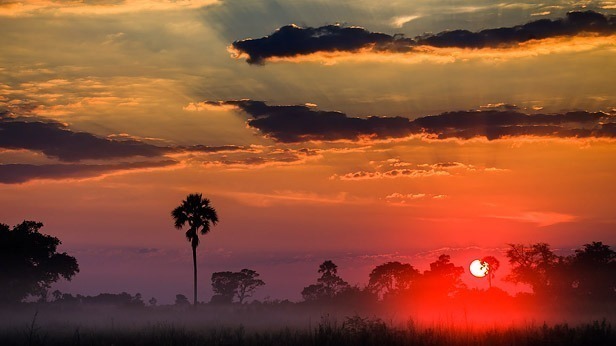
Everyone’s favorite gaming drive is in the evening! There’s a lot of excitement since you never know what’s going to happen around the next corner when the predators go hunting! You will often pause for sundowners after an hour or two; your ranger will select a fantastic viewing point where you can spread your legs and watch the sun dip below the horizon, creating a rainbow of colors in the sky. Raise your glasses and celebrate the beauty of Africa with a toast!
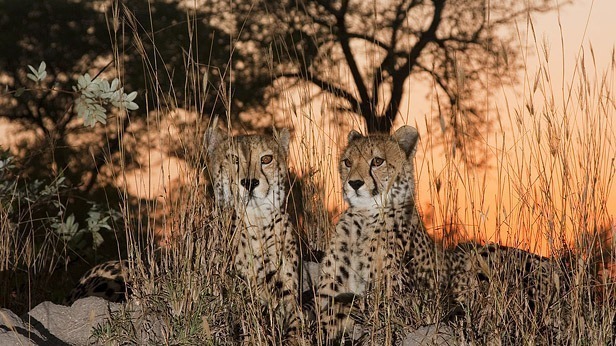
After the sun sets, you will have the option of returning to camp or going on a night drive. While returning to your camp before dusk is strictly enforced in many government-run National Parks, if you are camping on a private concession, you will drive into the bush for an additional hour or two, using a powerful spotlight to catch a sight of some of the reticent nocturnal species. Choosing a safari that offers night game drives is crucial since it’s likely the greatest time to spot a lion or leopard on the prowl. You might have to wait for supper if you happen across a hunt or kill!
Campfire Time
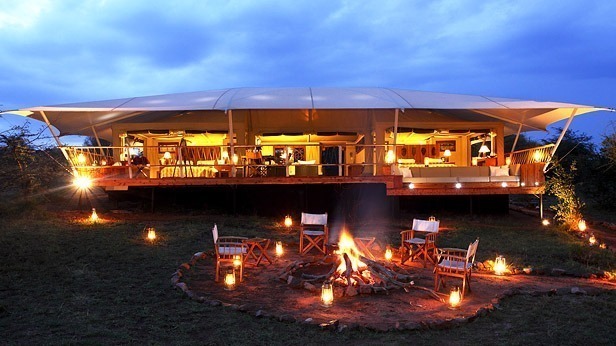
There will often be time for a cool shower before pre-dinner cocktails, which is followed by a delicious dinner and fine wine, depending on what you see along the route. Sometimes your camp may surprise you with a romantic bush dinner set up outside beneath the stars! Before going to bed, it’s time to congregate around the campfire and tell each other tales of your encounters throughout the day. By now, most people are very exhausted and head to bed early, keeping in mind that the morning wake-up call will signal the beginning of another “not so typical” African safari day.
Demystifying Some Common Safari Jargon
National Parks versus Game Reserves
The public can observe wildlife at National Parks, which are managed and overseen by the government. In order to safeguard the ecosystem and the creatures that call these national parks home, stringent laws and regulations apply. Off-roading and nighttime driving are prohibited. There are often no restrictions on the number of visitors, and a long line of cars may form in anticipation of a good sighting. In general, there will be more upscale and less expensive lodging options.
Game Reserves
Game Reserves were created for the purpose of conserving both flora and animals, and they are often managed and maintained by local government agencies. Certain Game Reserves provide restricted hunting (culling) in order to assist the nearby populations.
Conservancies
For the benefit of everyone, conservancies are private, nonprofit community initiatives that work to protect land, animals, and ecosystems. Many of these offer different kinds of lodging and are accessible to the general public for game viewing.
Private Concessions
Private concessions are conservation areas that are privately held and typically border bigger national parks. Frequently, barriers have been removed to permit game to freely traverse boundaries between the national parks and the private concessions. Because these Private Concessions have the ability to loosen rules governing the National Parks, they frequently provide a safari experience that is noticeably better. For instance, all private concessions allow off-roading, night drives, and walking safaris; yet, same activities are frequently prohibited in game reserves and national parks. Private lodges are often exceedingly opulent.
Tented-Camp
You won’t have to worry—your lodging will be more cozier than it seems! Tented Camps are made up of separate, roomy, and cozy en suite cabins with canvas sides that are typically set up on an elevated platform, giving you your own personal deck. You’ve got wonderful décor, genuine beds, and tasteful furnishings in the safari style. Some have delightful outdoor tubs or showers.
Luxury Lodges
These game lodges are the pinnacle of African-style luxury and frequently appear in rankings of the “greatest African Hotels.” At some of these places, your accommodations could be beneath canvas, but they will still be the chicest “tent” you’ve ever seen! All of the Luxury Lodges are located in breathtakingly gorgeous environments, sometimes with views over a river or other body of water that is frequently visited by animals. Many include individual Jacuzzis or plunge pools, excellent cuisine and service, and several other small extras.
Wet Safari
You might be a little taken aback to learn of “wet safaris” if you are planning a trip to the Okavango Delta. This word simply refers to game viewing activities from the water; you will go around the rivers and waterways by boat, providing a unique wildlife viewing experience, as opposed to utilizing a safari vehicle that would become trapped in the wet circumstances. Regular game drives in the Okavango are also offered, depending on the season.
Moving Camp
This is a fantastic opportunity to witness something new every day! Every day, you load up and head out for a walk or game drive, and every evening, you relocate and set up your tent in a different location. Sometimes all you’ll have to do is spend each night at a different “permanent” campground. During the Great Migration, this kind of moving-camp safari is quite common in the Serengeti.
Boma
Many of the safari camps you visit have Bomas, which are enclosures in the bush where you may eat alfresco under the amazing African starry skies. Bomas are pronounced bow-mas. Usually, there’s a big bonfire in the center to provide atmosphere and keep you toasty on cool nights!
Night Drives
A night drive is often a longer game drive in the late afternoon that ends with a campfire. Many creatures that are nocturnal and sleep during the day may be seen with a bright spotlight, like the amazing leopard that prefers to hunt after dark. For those who are committed night owls or serious photographers, certain Private Lodges provide after-dinner game excursions.
Frequently Asked Questions
What time does a typical safari day usually start?
A typical day on safari in East Africa usually begins very early in the morning. In places like Serengeti National Park or Maasai Mara National Reserve, guides often wake guests before sunrise for the first game drive. Early morning is one of the best times to see wildlife because animals are active and the weather is cooler. The quiet atmosphere and soft light also make the experience feel magical. Starting the day this way gives travelers a great chance to spot predators and other animals beginning their day.
What happens during the morning game drive?
During the morning game drive, visitors explore the park in a safari vehicle with an experienced guide. In areas like Ngorongoro Crater, guests may see lions resting, elephants walking across the plains, or zebras grazing in the distance. Guides often stop along the way to explain animal behavior and the surrounding environment. Many safaris include a short coffee or tea break in a scenic spot. The morning drive usually lasts a few hours before returning to camp or the lodge for breakfast.
What do travelers do in the middle of the day on safari?
After the morning activities, most travelers return to their lodge or camp to relax. Lodges near places like Tarangire National Park often provide lunch, comfortable rooms, and beautiful views of nature. Guests may take a nap, swim, or watch animals from the lodge. Some camps also offer cultural visits or guided nature walks. This quiet time helps visitors recharge before heading out again later in the day.
What is special about the afternoon game drive?
The afternoon game drive is another exciting part of the safari experience. In parks such as Lake Manyara National Park, animals become active again as the temperature cools down. Visitors may see giraffes feeding, elephants moving in herds, or predators preparing to hunt. The golden light of the late afternoon also makes the landscape incredibly beautiful. Many travelers say this time of day is perfect for photography.
How does the day usually end on safari?
After the afternoon drive, guests return to their lodge or camp as the sun sets over the African landscape. In places like Serengeti National Park, sunsets can be breathtaking with wide open skies and glowing colors. Dinner is usually served in the evening, often followed by storytelling about the day’s wildlife sightings. The sounds of nature, like distant animal calls, create a peaceful atmosphere. It’s a relaxing and memorable way to end a day of adventure on safari.
Still have questions?
Our local safari experts are happy to help you plan the perfect African safari.





