
Table of Contents
During your Tanzania safari and in their quest for the perfect photo opportunity, some drivers do some crazy things. Again, a healthy dose of common sense goes a long way. Below are numbers of things that you should keep in mind while travelling on safari to Tanzania:
- Never get too close to the animals and back off if they are getting edgy or nervous. Sometimes on a safari wild animals become extremely agitated when they surrounded and hemmed in by safari vehicles full of excited visitors trying to get their shot, due to this animals can react and bolt.
- Never get out of your vehicle, except at designated points where this is permitted. The animals may look tame and harmless enough but this is not a zoo — the animals are wild and you should treat them as such.
- Animals always have the right of way. Don’t follow predators as they move off — you try stalking something when you’ve got half a dozen safari jeep in tow.
- Don’t light fires except at campsites if permitted, and dispose of cigarettes with care.
- Keep to the tracks. One of the biggest dangers in the parks today is land degradation from too many vehicles crisscrossing the countryside. Tyre tracks literally can clearly act as drainage channels for the rain. If that continues, there won’t be much grassland left.
- Don’t litter the parks and campsites. Unfortunately, the worst offenders are often the visitors who toss things out the window and leave campsites littered with all manner of crap. It won’t do any harm to point out to them the consequences of what they’re doing or clean it up yourself.
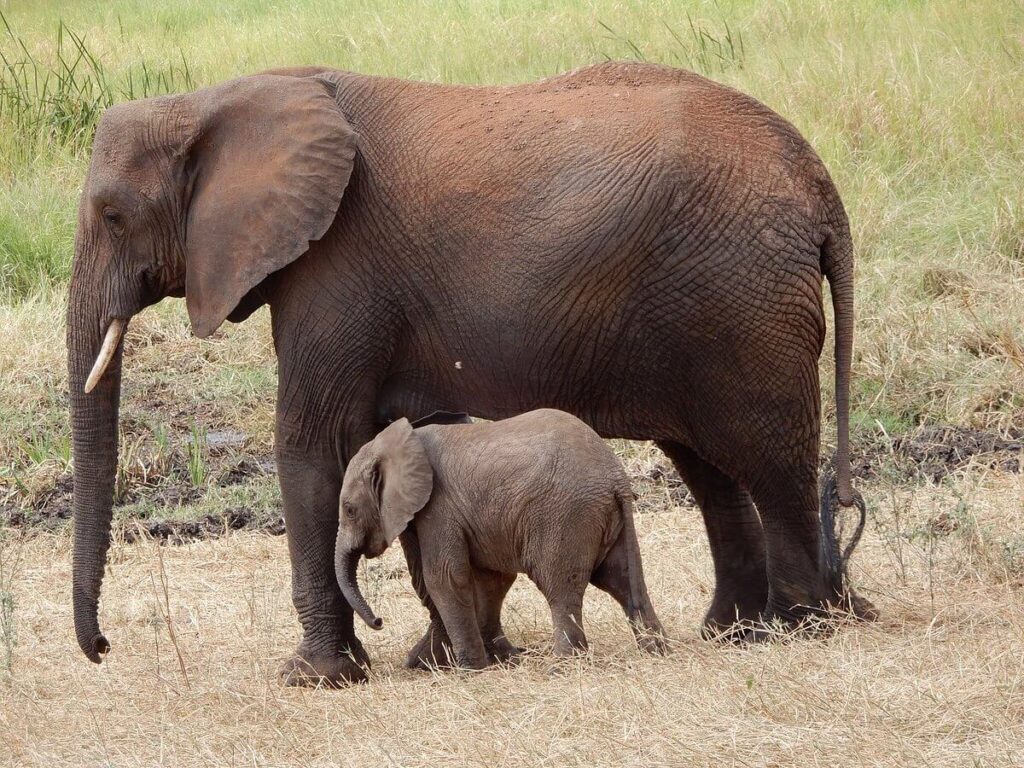
Best Tips for wildlife Spotting
In Tanzania safari parks and reserves, you’ll be spending a lot of time craning necks and keeping watchful eyes out for the animals and birds you’ve come so far to see. There are a few telltale signs, as well as a few things you can do to maximise your chances.
Most of them are just common sense but it’s amazing the number of people who go belting around noisily expecting everything to come to them. Below are some tips for best animal spotting while on safari in Tanzania:
- Drive slowly and, where possible, quietly, keeping eyes trained not only on the ground ahead but also to the side and in the branches above.
- Go in search in the early morning or the late afternoon, although in the more popular parks such as Ngorongoro and Serengeti the animals are actually changing their normal hunting habits to fit in with the tourists, so at midday, when most people are safely back in their lodges stuffing their faces, the carnivores are out hunting in the hope that they may be able to do the same thing — in peace.
- Vultures circling are not necessarily an indication of a kill below, but if they are gathering in trees and seem to be waiting you can reasonably assume they are waiting their turn on the carcass.
- In a wooded country, agitated and noisy monkeys or baboons are often a sign that there is a big cat (probably a leopard) around.
- A long focal length camera is recommended for a wildlife safari and at least 200 ASA to give you enough light. The best photo opportunities are early morning and late in the day when the light is not as bright as the middle daylight hours.
Warning: Don’t take photographs of anything vaguely connected with military or government buildings, banks, bridges, border posts, post offices or ports. If anyone sees you, the chances are you will have your film confiscated and you will have to pay a fine. For more details about Tanzania safari kindly contact us or comment below.
Frequently Asked Questions
What is the best time of day for wildlife spotting on a Tanzania safari?
The best time to spot wildlife on a safari in Tanzania is usually early in the morning and late in the afternoon. During these cooler hours, many animals are more active and easier to find. Predators like lions and leopards often move around before the heat of the day sets in. Morning game drives also offer beautiful light and peaceful surroundings in the bush. By midday, many animals rest in the shade, making sightings a little less frequent.
Which places in Tanzania are best for seeing wildlife?
Some of the best wildlife viewing areas in Tanzania include Serengeti National Park, Ngorongoro Crater, and Tarangire National Park. Each park offers something unique when it comes to animals and landscapes. The Serengeti is famous for its huge herds and the Great Migration. Ngorongoro Crater provides excellent chances of spotting the Big Five in one area. Tarangire is well known for its large elephant populations and beautiful baobab trees.
How can a safari guide help with spotting animals?
A professional safari guide plays a huge role in helping visitors find wildlife during game drives. Guides are highly trained and know the parks, animal behavior, and the best locations to search. They can recognize tracks, sounds, and subtle signs that many visitors might miss. Their experience helps them predict where animals might appear throughout the day. With a skilled guide, your chances of seeing amazing wildlife increase significantly.
What should I bring to improve my wildlife spotting experience?
Bringing the right gear can make wildlife spotting much more enjoyable. Binoculars are extremely helpful for seeing animals that are far away or hidden in the grass. A camera with a zoom lens can also help you capture distant wildlife without disturbing them. Neutral, colored clothing helps you blend into the natural environment. Being comfortable and prepared allows you to focus more on the exciting wildlife around you.
What behavior helps increase chances of seeing animals on safari?
No, you don’t need to be a professional photographer to capture beautiful safari photos. Modern cameras and even smartphones can produce impressive images if used carefully. The most important thing is paying attention to lighting, composition, and timing. Safari guides are also very experienced at positioning vehicles for good viewing and photography opportunities. With a little curiosity and creativity, anyone can return home with wonderful memories captured through their camera.
Still have questions?
Our local safari experts are happy to help you plan the perfect African safari.





