
Table of Contents
During your safari in Tanzania, heading to Tarangire National Park, when a swarm of tsetse flies flies into your 4×4 safari vehicle, they show no mercy. As you slap them away, you notice your poor guide’s head is covered in about half a dozen of these pesky flies. The tsetse fly is attracted to dark colors and moving cars, making us the perfect target. The bite hurts, it can stay itchy for a little while afterwards, and it is irritating.
It won’t ruin a safari, but it can certainly make your time less pleasant. You can end up concentrating more on getting the flies away from you than gazing at wildlife. You have to apply some DEET as a precaution, as Tarangire is a known area for the tsetse fly, but it made little impact.
About the Tsetse Fly
The tsetse fly is about the same size as a honeybee, surprisingly quick, and therefore very difficult to swat. Even if you are lucky enough to thwack one with your hand or guide book, they have this strange ability to recover quickly and continue to fly on in their own merrily annoying way. In most cases, the tsetse fly bite is simply an irritant, but they do transmit a parasite that causes African trypanosomiasis (sleeping sickness).

Sleeping Sickness
It is very rare to get sleeping sickness while on safari. The tsetse fly is sometimes referred to as the ‘greatest conservationist in Africa’ because it transmits sleeping sickness to cattle, but wildlife is immune to the parasite.
Areas where Tsetse flies prevail are thus safe for wildlife, and tend to keep humans and their cattle away! Very occasionally, the disease is transmitted to humans, but generally affects those living in a Tsetse fly area permanently. That being said, travelers who sustain tsetse fly bites and become ill with high fever or other manifestations of African trypanosomiasis should be advised to seek early medical attention. The infection can usually be cured by an appropriate course of anti-trypanosomal therapy. Travelers should be advised to consult an infectious disease or tropical medicine specialist.
What’s the Best Defense Against the Tsetse Fly?
While your chances of getting sleeping sickness from the tsetse fly are minimal, their bites can be painful and irritating. As we demonstrated on our safari, insect repellent and long sleeves won’t necessarily help since the tsetse fly can bite through light clothing. Tsetse flies are attracted to dark colors as well as blue and purple, so wearing traditional khaki is best.
You may see some mysterious blue and purple cloth hanging off trees around and inside national parks; this is to attract the Tsetse fly away from cattle, not someone’s laundry that went astray! Tsetse flies are also attracted to moving safari vehicles; they must see it as some odd-shaped bovine. Before you get into your vehicle, swat the large flies and get them out of there! If your safari vehicle stops in an area where flies are present, just remember to wind up the windows as you slow to a stop, and this will help keep them away!
The Insider Tip
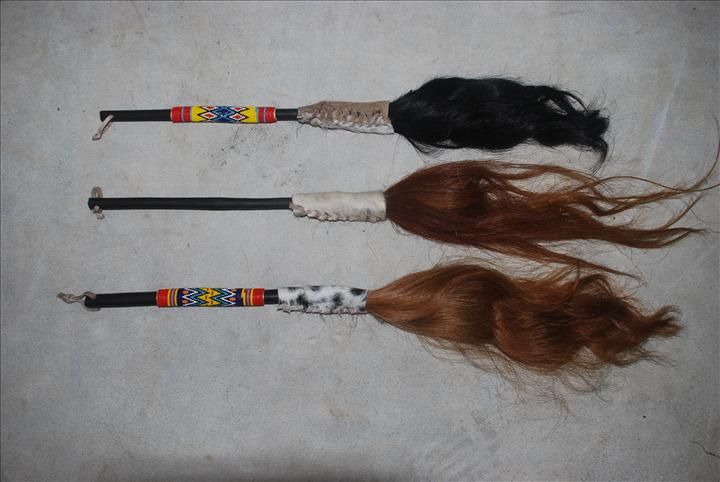
If you are really being pestered by tsetse flies, ask your guide to stop at a local supermarket to purchase a bottle of Dettol. Dettol is an antibacterial solution commonly found in Africa. It’s one of the few smells/tastes that genuinely seems to bother the tsetse flies, and several safari veterans swear by its effectiveness. If you don’t fancy putting antibacterial solution on your skin, you can always buy a local fly whisk, which can then double up as a souvenir once you get home. A bottle of “anti-itch” cortisone-based gel or cream is handy to have if you do get bitten.
Avoiding the Tsetse Fly
Tsetse flies live in bushland and wooded areas, so they are not nearly as prevalent in the open grasslands of the Serengeti or the Ngorongoro Crater. Tsetse flies also like being close to water, so river banks are also popular habitats. But it would be a shame to miss out on the Western Serengeti and Tarangire altogether simply to avoid meeting up with the tsetse fly. However, if the idea of encountering them puts you off, you can contact us for more information, and we can give you a good guide.
Frequently Asked Questions
What colors should I avoid wearing on safari to keep tsetse flies away?
Tsetse flies are strongly attracted to dark colors like black and bright blue. It is better to wear neutral shades such as khaki, olive, beige, and light brown during your safari. Lightweight long sleeves and trousers can also help protect your skin from bites. Many safari guides recommend avoiding shiny or very colorful clothes as well. Dressing smartly can make a big difference when spending time in the bush.
Can insect repellent stop tsetse flies from biting?
Insect repellent can help, but it does not always fully stop tsetse flies. These flies are tougher than normal mosquitoes and can sometimes bite through thin clothing. Strong repellents with DEET are usually the best option to carry on safari. It is also helpful to spray your clothes and not only your skin. Reapplying repellent during the day gives extra protection when you are outdoors for many hours.
Why are tsetse flies more common in some safari areas?
Tsetse flies love warm places with thick vegetation and nearby wildlife. They are often found in woodland areas, riverbanks, and certain national parks in East and Southern Africa. During game drives, guides usually know the areas where flies are most active. Some regions have very few tsetse flies while others can have many during certain seasons. Knowing this before your trip helps you prepare better and stay comfortable.
What should I do if a tsetse fly bites me on safari?
A tsetse fly bite can feel sharp and painful at first, but most bites are harmless. Washing the area with clean water and using antiseptic cream usually helps reduce irritation. Some people may notice redness or swelling for a short time after the bite. It is important not to scratch the area too much because it can become sore. If you feel unwell after several bites, it is always best to speak with a doctor.
Are there simple ways to avoid tsetse flies during game drives?
Yes, there are several easy habits that can help during safari activities. Keeping vehicle windows partly closed in fly ,heavy areas may reduce the number entering the car. Avoid standing near bushes for too long when taking breaks or photos. Wearing thicker clothing during morning and afternoon drives can also help prevent bites. Listening to your safari guide’s advice is one of the best ways to stay safe and relaxed during the trip.
Still have questions?
Our local safari experts are happy to help you plan the perfect African safari.





