
Table of Contents
Safari travel experts will always advise you to carry every necessary item you may need. Because you will often be in the remote wilderness or isolated areas, it can be very difficult to find shops or supplies once you are on the move. For a successful African Wildlife Safari, you must ensure you have packed these four essentials.
1. Safari Clothing
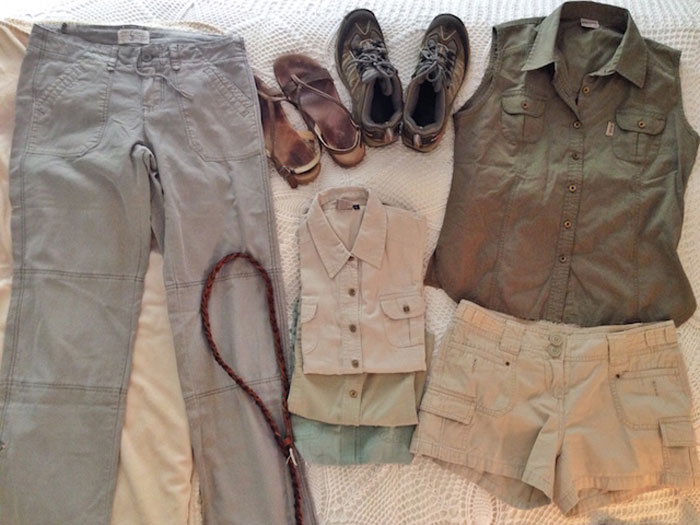
It is vital to pack clothes that are both functional and comfortable for the bush. Long-sleeve shirts and long pants are essential; they protect you from the hot sun during the day and save you from harmful mosquito bites in the evening. Your tour guide will also advise you not to pack bright-colored clothing because animals are easily startled by high-contrast colors. Instead, choose neutral tones like light brown, tan, and khaki. These colors help you blend in and keep you looking great throughout the day. Don’t forget a jacket or sweater, as it can get quite chilly at night.
-Other items to include: Hats, boots, jeans, and vests.
2. A Reliable Backpack
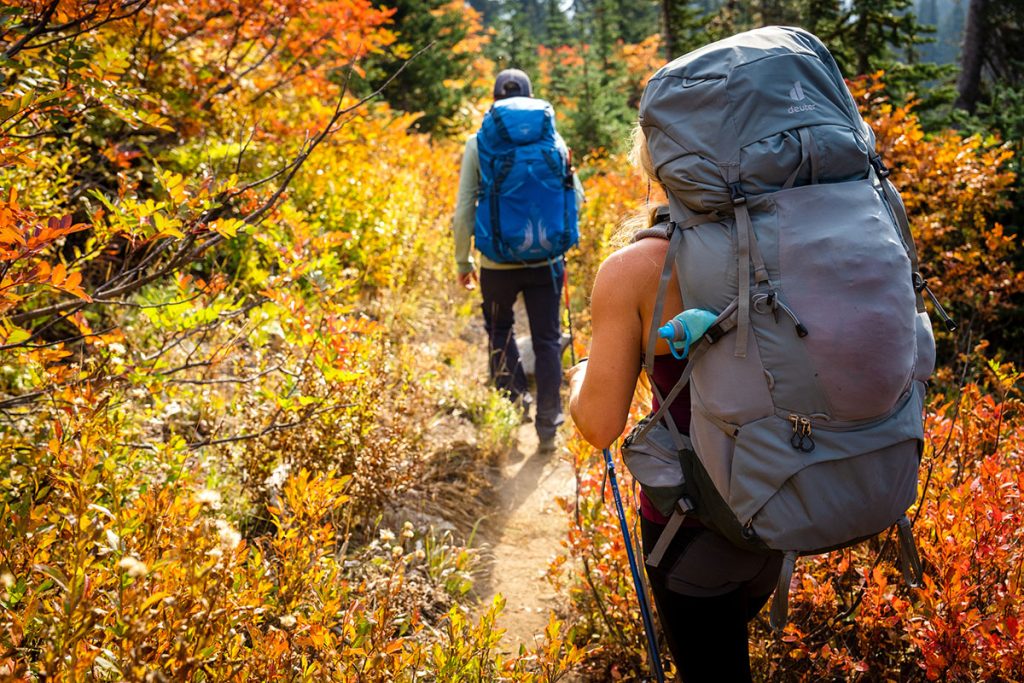
A waterproof backpack is essential for keeping your most crucial items safe. However, avoid overloading it; you will be moving between different safari lodges, and a heavy bag can become a burden. Ensure the straps fit well and are comfortable for long periods. If you run out of clean clothes, don’t worry—some lodges offer laundry facilities. Always ask your safari guide for advice on specific activities like bungee jumping, gorilla trekking, or mountain climbing, as these may require special gear.
3. Sun and Mosquito Protection
In the wilderness, you are kindly required to use mosquito repellent. The most effective method is to spray both your clothing and any bare skin. It is also important to avoid scented perfumes or hairsprays, as these scents actually attract mosquitoes. Since countries like Tanzania, Uganda, and Kenya lie on the Equator, the temperatures are very high. Carrying a strong sunscreen to protect your skin from intense sun rays is a must.

4. Polarized Sunglasses and Footwear
The sun can be very hot and bright, which can strain your eyes over time. Polarized sunglasses are the best choice for a safari to cut down the glare. Along with eye protection, a pair of comfortable, well-fitting walking shoes is indispensable. You may also want to pack extra socks and walking sandals for the lodge. Because Africa has periods of both short and long rains, remember to bring rain gear like a waterproof jacket. Finally, pack a swimsuit; many national parks and game reserves have swimming pools where you can relax after a long day of game drives.

Conclusion
Beyond these essentials, you should also consider waterproof bags, binoculars, cameras, and personal toiletries. Choosing a safari in Tanzania, Uganda, or Kenya is a wonderful choice because of the beautiful wilderness and the BIG FIVE wildlife. Whether you are visiting the elephants of Amboseli, the lions of the Maasai Mara, or the Great Rift Valley, having a good tour operator like SafariASAP will ensure you have all the information you need for a memorable holiday.
Frequently Asked Questions
What are the most important things to pack for an African safari?
When preparing for an African safari, it’s important to pack items that keep you comfortable and protected in the wild. Lightweight, breathable clothing in neutral colors like khaki, beige, or olive works best because it blends into the environment and keeps you cool. A wide, brim hat, sunglasses, and sunscreen are essential to protect you from the strong African sun. You should also bring insect repellent, especially for evenings when mosquitoes are more active. Don’t forget a good camera or binoculars so you can capture and enjoy the incredible wildlife moments.
Why are neutral, colored clothes recommended for safari trips?
Neutral colors such as khaki, brown, and green are recommended because they help you blend into the natural surroundings. Bright colors can attract insects and sometimes even startle wildlife. Wearing earthy tones makes your safari experience smoother and less disruptive to animals in their natural habitat. These colors also hide dust and dirt better, which is helpful since safari drives can be dusty. Overall, dressing in neutral shades helps you stay comfortable while respecting the environment.
Do I need special footwear for a safari?
Yes, having the right footwear can make a big difference during your safari adventure. Comfortable walking shoes or lightweight hiking boots are ideal, especially if your trip includes nature walks or bush walks. Closed shoes help protect your feet from dust, insects, and rough terrain. It’s also a good idea to bring a pair of sandals or flip, flops for relaxing at the lodge after a long day of game drives. Good footwear keeps you comfortable so you can fully enjoy the experience.
What travel accessories are useful during a safari?
A few small accessories can make your safari much more enjoyable. Binoculars are very useful for spotting animals from a distance and observing details you might otherwise miss. A reusable water bottle helps you stay hydrated during long game drives in the sun. Many travelers also bring a small backpack to carry essentials like sunscreen, a camera, and snacks. A portable power bank is helpful for charging devices when you are out exploring all day.
How can I protect myself from the sun and insects on safari?
The African sun can be quite strong, so sun protection is very important during a safari. Wearing a hat, sunglasses, and applying sunscreen regularly will help protect your skin. Lightweight long sleeved shirts and trousers are also useful because they protect you from both the sun and insect bites. Insect repellent is especially important in the evenings and in areas near water. Taking these simple precautions will help you stay comfortable and healthy throughout your safari journey.
Still have questions?
Our local safari experts are happy to help you plan the perfect African safari.





