
Malaria is caused by a parasite transmitted through the bite of infected female Anopheles mosquitoes, which are most active at night. You can contract malaria from just one bite from an infected mosquito. Take the recommended antimalarial medication before your trip and continue taking it as advised throughout your travels.
The drugs are fairly cheap in some places but horrendously expensive in others — the USA and Scandinavia in particular. There are basically two types: proguanil (brand name Paludrine in the USA) which you take daily, and chloroquine (brand name Aralen in the USA) which you take once or twice per week (depending on its strength). Both are marketed under various trade names.
In Tanzania, the parasite is beginning to acquire immunity to some of the drugs so you will need to take Maloprim in addition to chloroquine, or mefloquine (brand name Larium in the USA). You would be very unlucky to contract malaria if you are taking one or more of these drugs but they are not a 100% guarantee.
Having said that, it’s fair to say that many expatriates working in East Africa for long periods of the time prefer not to take prophylactics but to treat the disease if and when it occurs. The reasoning behind this is that the prophylactic drugs can have serious side effects, specifically to the liver and eyes, when taken continuously over a long period of time.
These people prefer insect repellants, mosquito nets and screening and didn’t get malaria. If you do develop malaria symptoms — high fever, severe headaches, shivering, liver pains and aching joints — and are not within reach of medical advice, the treatment is one single dose of four tablets (600 mg) of chloroquine followed by two tablets (300 mg) six hours later and two tablets on each following day.
As an alternative (or in chloroquine-resistant areas) take a single dose of three tablets of Fansidar, or two tablets of Larium followed by two more 12 hours later.
Other than the malaria hazard, mosquito bites can be troublesome and although it’s probably useless to say this, don’t scratch the bites. If you do, and they don’t heal quickly, there’s a chance of them becoming infected with something else. You’ll come across people in Africa pockmarked with angry sores which started out as insignificant mosquito bites — the owners couldn’t resist the urge to scratch them. Don’t join them. Willpower works wonders, as does antihistamine cream.
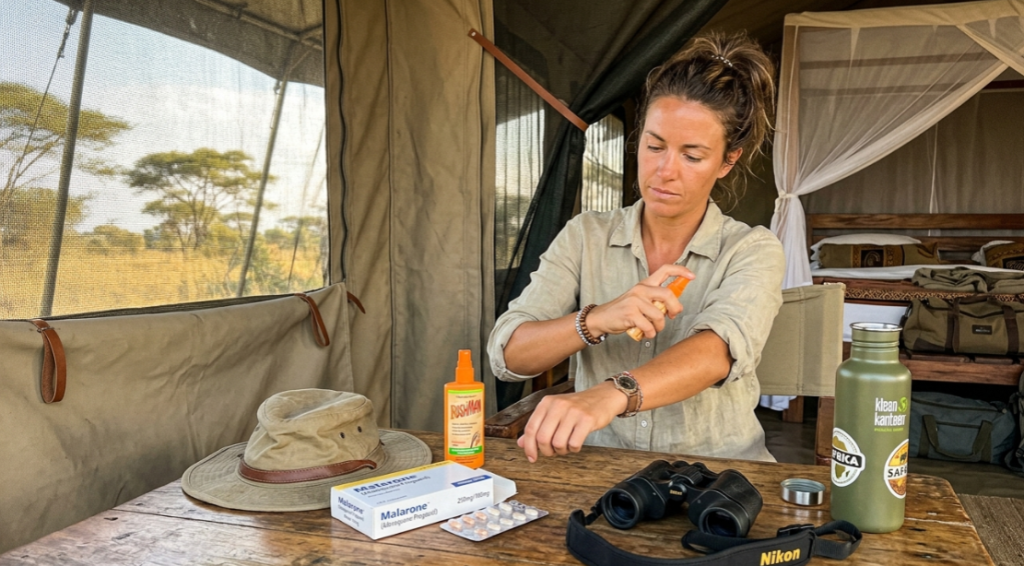
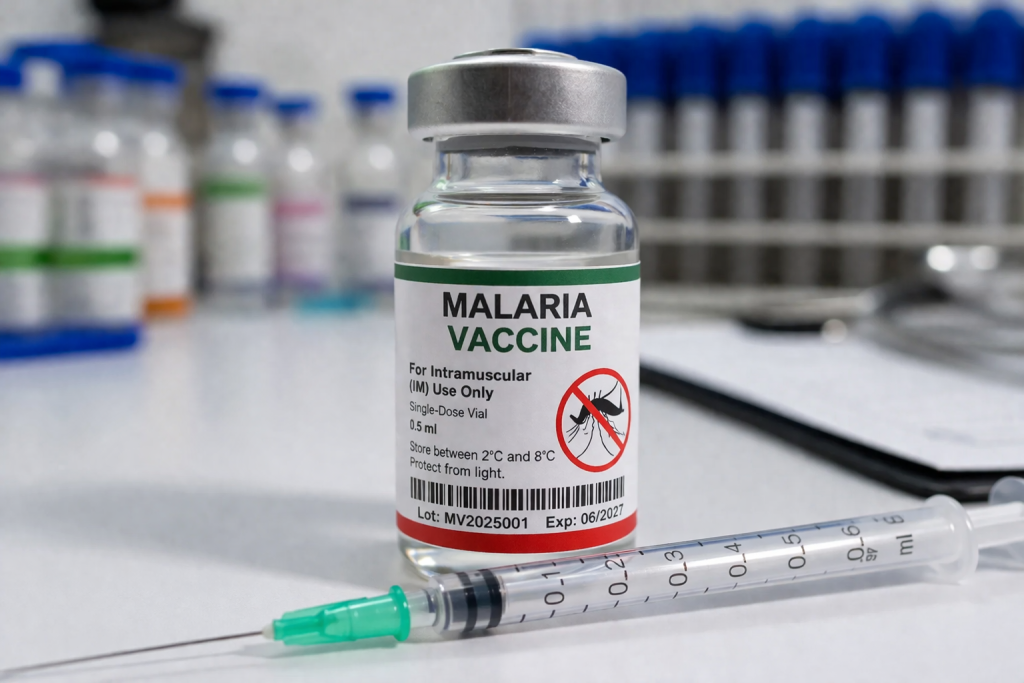
To help keep mosquitoes away at night, use insect repellent and sleep under a mosquito net or with a fan. Mosquitoes dislike strong, moving air and are less likely to fly around when a fan is running. There is no widely available malaria vaccine for travelers, so it is important to take the recommended antimalarial medication as advised.
Frequently Asked Questions
Do I Need to Worry About Malaria During a Tanzania Safari?
Malaria is present in many parts of Tanzania. Most safari travellers enjoy their trip without any problems. The risk can be reduced with good planning. Use insect repellent and wear long sleeves in the evening. Speak with your doctor before you travel about malaria tablets.
What Can I Do to Avoid Mosquito Bites?
Mosquitoes are most active from sunset to sunrise. Wear light-coloured clothes that cover your arms and legs. Apply insect repellent with DEET or another effective ingredient. Sleep under a mosquito net if one is provided. Keep your tent or lodge doors closed whenever possible.
Should I Take Malaria Medication Before Visiting Tanzania?
Many visitors choose to take malaria prevention medicine. Your doctor or travel clinic can recommend the best option. Start the medicine as instructed before your trip if needed. Continue taking it during your safari and after you return home. Always follow the medical advice you receive.
What Are the Signs of Malaria?
The easiest way is by taking a short domestic flight from Dar es Salaam. Flights are quick and offer beautiful views of the coast. You can also connect through other major cities in Tanzania. After landing, most hotels provide airport transfers. Booking your transport in advance makes the journey easier.
Are Safari Lodges Safe from Mosquitoes?
Most safari lodges take steps to reduce mosquitoes. Many rooms have window screens or mosquito nets. Some lodges also spray rooms or use mosquito-control measures. Even so, it is still important to protect yourself. A little care helps you enjoy a safe and relaxing safari.
Still have questions?
Our local safari experts are happy to help you plan the perfect African safari.





