
When you go to a country that is very different from your own, you must be prepared, and thus, in this way, try to make the most of the time and hours that you will have here, to the maximum. And this can only be done by avoiding some conflicts such as the clash of cultures. Because everything starts with a greeting, and it depends on ourselves that everything goes well, or on the contrary, you end up looking rude, and being the living image of the stereotype of the uninformed Western foreigner. To avoid looking bad, and to try not to get ripped off, it is best that you communicate with them. How? The best thing is that you find out here.
Social customs are a part of the most important thing in Tanzania. In this way, everything starts with a greeting, but it is not the only thing. They are also governed by certain rules, customs, and even gestures that you should adopt, at least during our stay there. So we are going to dedicate today’s post precisely to these gestures. And so, you will learn to be good tourists in Tanzania. Do you want to know what we are going to tell you? Then all you have to do is continue reading, and follow our advice. Don’t miss it, because you will regret it.
It all starts with a greeting
To talk about education in Tanzania , you first have to inform yourself well about the existing norms and social customs by which they are governed. In this way, and as we have already said, everything begins with a gesture, which is to say hello (Habari in Kiswali language, local language in Tanzania). Here, unlike in Europe, there are neither kisses nor hugs. Not because we don’t have respect for each other, but quite the opposite. We are talking about social conventions , to which you must adapt, because you are in a country that is welcoming you positively for a couple of days.
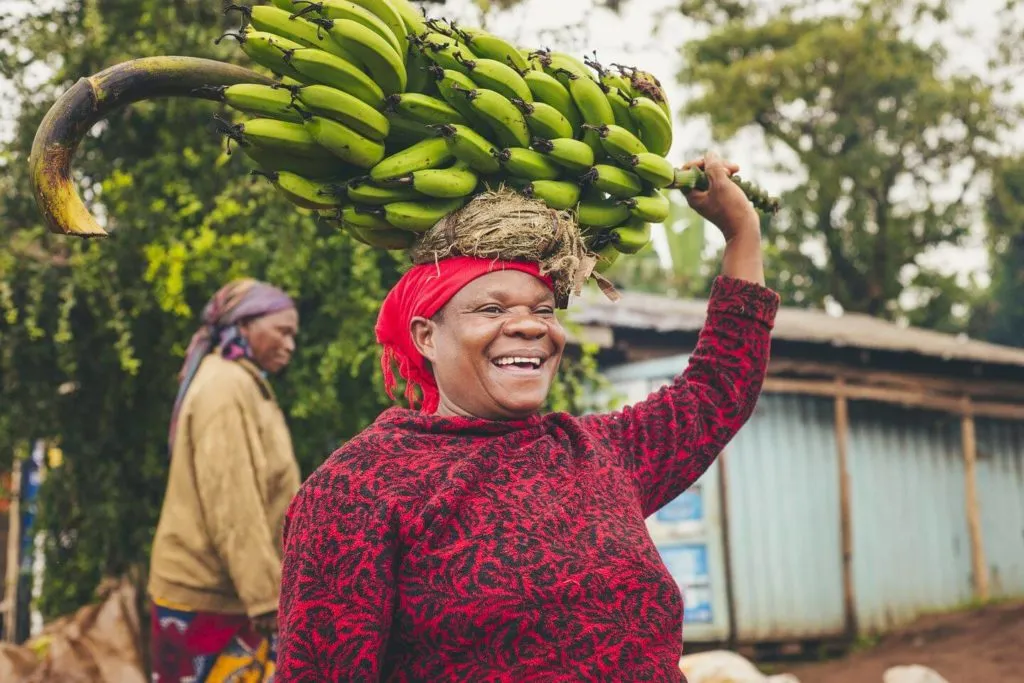
Thus, it is common to see people greet by waving their hands . And this occurs in any type of area. Be careful, always with the right, and not the left hand. We don’t know if it is because it is a mostly right-handed society, but in any case, it is something you have to know. We also do not make distinctions as to whether we are men or women. We greet each other in a cold way, since there is no mutual contact between men and women as soon as we meet. Apart from that, you must also keep in mind that you must add a “Mambo or Jambo” or any other type of courtesy to this greeting.
As for family and friends , we will say that the Tanzanian family structure is quite curious. Because unlike Western countries, being older is an achievement that should be celebrated. Furthermore, we are talking about a family in which more than two generations live under the same roof. Thus, families are an important pillar in Tanzania, and it is something worth respecting. The elderly, who are living with their children when they grow older, are an inexhaustible source of stories that we should absorb. So if anyone on this site says hello to you, you already know how to do it.
Also, if you go to see some tribes that you can find throughout the country, you will realize that they have certain situations, in which it is not worth acting in any way, even if you are subject to such restricted hours. Thus, for example, you can see the most curious traditions , such as the greeting among the Masai, which they do by spitting on each other. It may seem unhygienic to you, or even somewhat disgusting, but this is done because it is thought to bring good luck. And traditions must be respected.
Frequently Asked Questions
How do people greet each other in Tanzania?
Greetings are a very important part of daily life in Tanzania and are taken seriously. People usually take time to ask about your well, being, family, and journey before getting into any conversation. A simple handshake is common, often accompanied by a warm smile and eye contact. In Stone Town and coastal areas, greetings may feel even more formal and relaxed. Learning a few Swahili phrases like “Jambo” or “Habari” can make a great impression.
Is it important to dress modestly in Tanzania?
Yes, dressing modestly is an important social custom, especially in rural areas and coastal regions. While cities like Dar es Salaam are more relaxed, it’s still respectful to avoid very revealing clothing. In places like Zanzibar, which has strong cultural and religious traditions, modest dress is especially appreciated. Covering shoulders and knees is generally a safe choice when visiting local communities. Being mindful of how you dress shows respect for local values.
What should I know about respecting local culture?
Respect for elders and community traditions is deeply rooted in Tanzanian culture. It’s polite to listen attentively and avoid being overly direct or confrontational in conversations. Asking permission before taking photos of people is considered respectful. When visiting villages or cultural sites, following your guide’s advice helps you avoid misunderstandings. Showing genuine interest in local customs often leads to warm and friendly interactions.
Is tipping expected in Tanzania?
Tipping is common in Tanzania, especially in the tourism and hospitality sectors. While it’s not mandatory, it is appreciated as a way of showing gratitude for good service. Safari guides, drivers, and lodge staff often rely on tips as part of their income. In restaurants, leaving a small tip is a kind gesture if service is not already included. It’s always a good idea to carry small denominations for convenience.
How do people behave in public places?
Public behavior in Tanzania is generally calm, polite, and respectful. Loud or aggressive behavior is usually frowned upon, especially in quieter communities. Public displays of affection are limited, particularly in more traditional areas like Zanzibar. Being patient and maintaining a friendly attitude goes a long way when interacting with locals. Overall, showing respect and kindness will make your experience much more enjoyable.
Still have questions?
Our local safari experts are happy to help you plan the perfect African safari.





