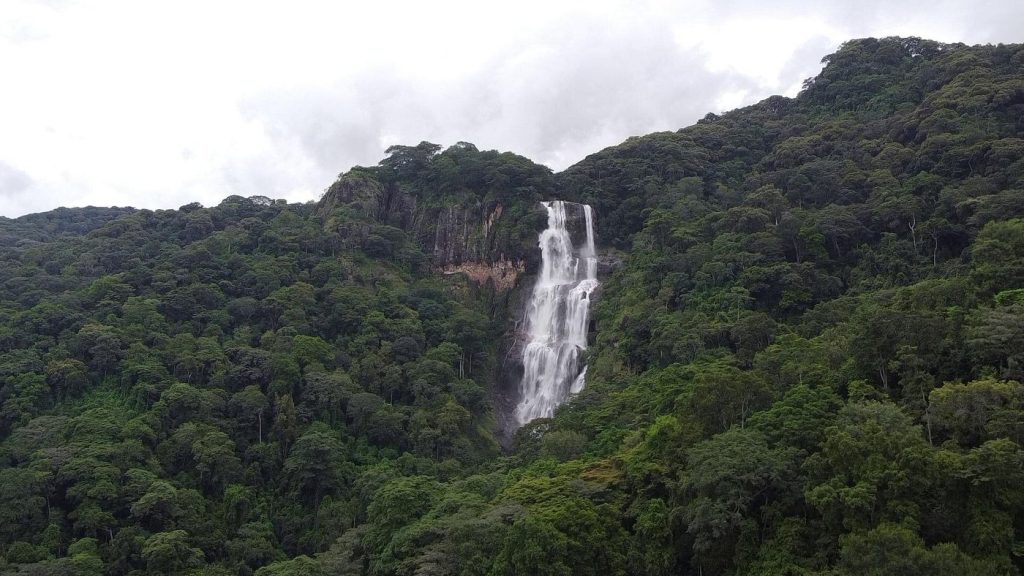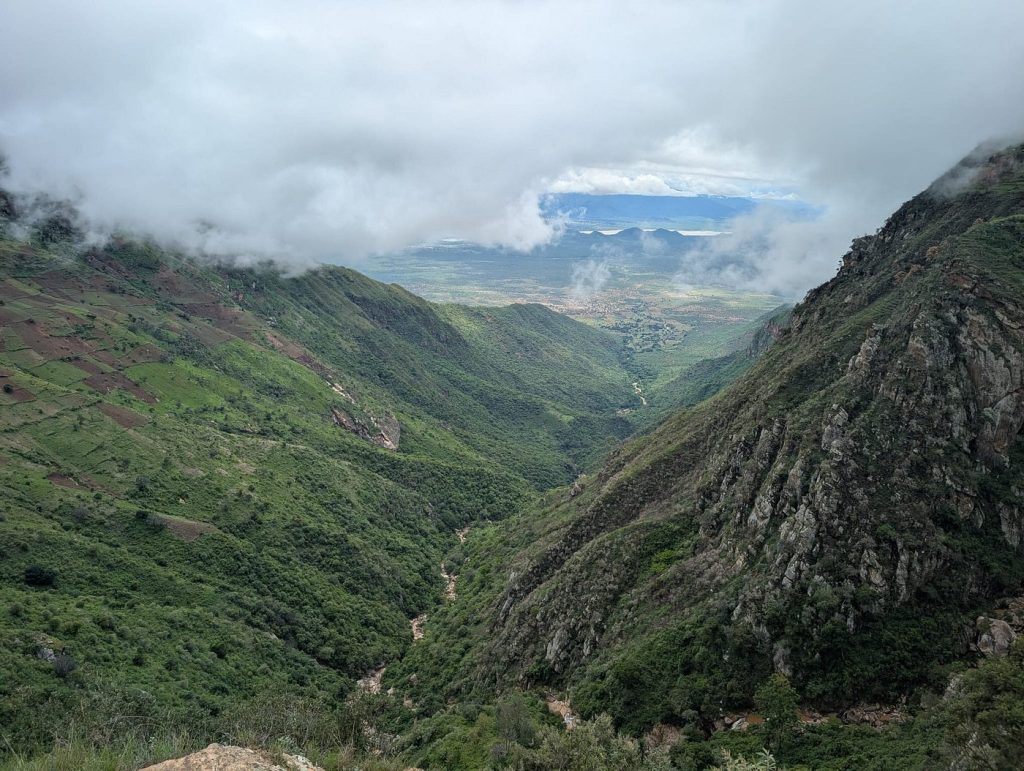
Pemba Island : Pemba is slightly smaller than Unguja and lies to the north. Pemba is mainly made from rock, and has a landscape reaching over 1,000m (3,280ft), with a much more lush vegetation than Unguja. It is visited by very few people and has relatively few facilities for tourists. However, it is of world importance for water activities. Almost everyone arrives by air at Pemba Airport. Because there are so few visitors, it is best that you make sure of your own onward travel arrangements from the airport or contact us for more details. Few tourists use the ferries to Pemba. You can even travel by dhow (a type of boat) from Tanga, Pangani or Bagamoyo, but such adventurous travel. is beyond our present scope.
Pemba is synonymous with cloves, the dried flower buds of the tree Eugenia caryophyllata. They are used in cooking, and the oil of the clove is used in medicines, perfumes and, as many of us know to our pain, in relieving toothache. Until the great storm of 1872, Unguja was the main producer in the world, but when most of the trees were destroyed, and never replanted, Pemba took over, and since then has produced over 90 per cent of Tanzania’s crop.
Without a doubt, Pemba is one of the top diving locations in the world. It is almost totally surrounded by coral, often with incredibly steep drops into the depths of the Indian Ocean.
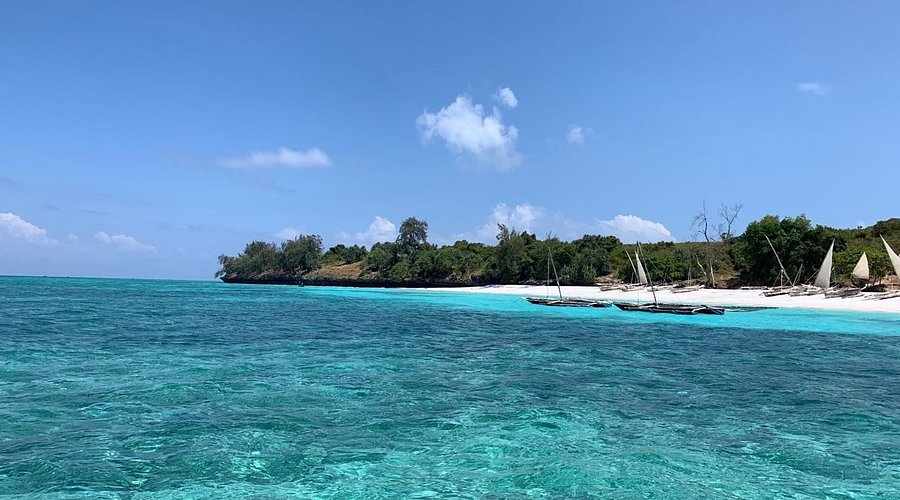
Because there are so few tourists, the reefs are largely undisturbed, and the experience is generally idyllic. Water temperatures are invariably about 28°C (82°F) and water visibility ranges from approximately 25m (80ft) to 65m (214ft). The generally accepted top dive spots are: Manta Point, the top of an underwater peak; Misali Island, which has very steep cliffs descending to the deep Emerald Reef; and Fundu Reef. Manta Reef Lodge, Pemba Afloat, Pemba Blue and Swahili Divers. Some detail on one of the PADI centres gives a flavour of what most good dive centres will offer.
Fundu Resort is located at Fundu Lagoon off northwest Pemba. It offers high-class accommodation in 14 bungalow tents, all in traditional Makuti style, and with en suite bathrooms and ceiling fans. Dive boats can take 14 divers each and their 50 knots make for access to a wide range of reefs in a short time. The centre caters for the whole range of divers, from absolute beginners to advanced, rescue and divemaster courses. As well as diving, visitors can also enjoy snorkelling, waterskiing and kayaking. There is satellite TV and excellent international cuisine. One can expect to see tuna, jacks, wahoo, manta and eagle rays, Napoleon wrasse, as well as sharks and turtles. Due to the currents, most dives are done as drift dives. There is also the possibility of wreck-diving at Panza Island at the south end of Pemba.