
Even though not as many tourists go to Tanzania compared to its other African countries like Morocco and Ethiopia, things are slowly changing. People are starting to choose a different kind of tourism instead of just going to the safari, beach or mountains. In Tanzania, visitors can explore different kind of adventure like taste different local foods.
Food is a clear reflection of any country, because you can find out what the typical and most common food products are, and it also usually shows something of country culture and economy. Therefore, if you are planning to travel to this African country, keep reading this article, as we recommend some of its best dishes.
Tanzanian dishes and cuisine
The borders of African countries do not define the typical products of a single region. As most of the boundaries are a product of colonization, many already established regions were officially divided, but culturally, and even in terms of language, they were not separated. This is also reflected in the food, because although there are the star dishes of a single country, most of the time they are influenced by the gastronomy of nearby countries.
In Tanzania this happens. And for that reason, we can find some dishes like nyama choma , which although it is usually eaten in Tanzania, is also very typical of the neighboring country, Kenya. This dish consists of roast meat marinated in lemon juice, garlic, and other local spices. It is usually served with irio, which is a type of pasta with peas and mashed potatoes or fried banana (ndizi). In this way, the dish is the most nutritious, and it is common to see it in places in Kenya and Tanzania.
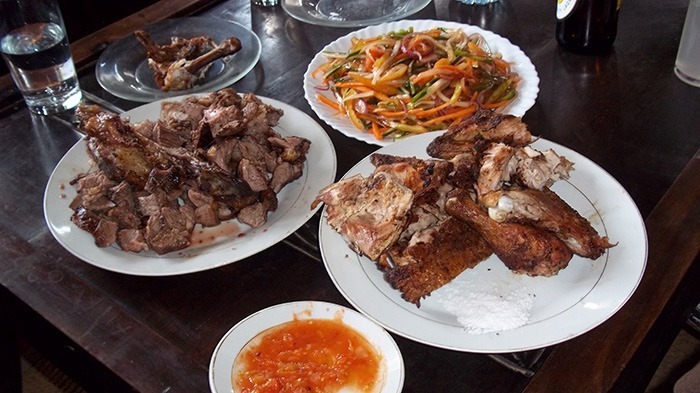
The most natural thing is that the typical dishes of a country are made up of the most abundant food products in the area. Therefore, in the coastal area, what we will find most will be fish dishes, served with rice, or french fries. The fish most commonly found are tiger fish, trout and perch, but it is also common to see cod in restaurants and markets. Rice is one of the basic foods in the country, because it fills the stomach enough and is not very expensive. The same thing happens with yam, coconut or cassava.
Another dish that you have to try when you travel to Tanzania is ugali, which is a dense maize flour puree that serves as an accompaniment to other stews, whether meat or vegetable.
Although it is not common, there are many places where salads are served. Unlike Western ones, exotic fruits such as mango, coconut or pineapple are used here.
As for drinks , the country’s typical liquor is Konyagi, which is a gin famous known as a spirit of a nation. We also usually serve national drinks, such as Safari Leger, Serengeti or Kilimanjaro Leger, a local beer.
Recommendations
It is often true that by eating the country’s cuisine, you know the place better. But it’s not always like this. For example, in Tanzania, tourists have at their disposal a multitude of dishes that they say are “typical”, but that are not usually eaten by locals due to their high cost. Thus, in coastal areas and close to the sea, seafood abounds, such as Zanzibar lobster or oysters, which are usually served with exotic fruits.
They tend to be dishes more adapted to the tastes of Westerners, and although it may seem like a sign of hospitality, the truth is that by eating dishes like this you will not be able to taste the country’s authentic food. Of course, one of the solutions is to combine the two things, because this way you will be able to have a great variety of culinary culture.
Frequently Asked Questions
What are the most popular foods to try in Tanzania?
Tanzania offers a wide variety of delicious and comforting dishes that reflect its rich culture. Some of the most popular foods include ugali, which is a staple made from maize flour, and nyama choma, a flavorful grilled meat loved across the country. You’ll also find dishes like pilau, a spiced rice often served during celebrations, and fresh seafood along the coast. Street foods like Zanzibar pizza are also a must, try for their unique taste and preparation. Whether you’re in a city or a village, there’s always something tasty to explore.
What is a typical Tanzanian meal like?
A typical Tanzanian meal is simple, filling, and full of natural flavors. It often includes a main starch like rice or ugali, served with vegetables, beans, or meat. In coastal areas like Zanzibar, coconut, based dishes and seafood are very common. Meals are usually eaten with family or friends, making them a social and enjoyable experience. The focus is less on presentation and more on taste and togetherness.
Is Tanzanian food spicy?
Tanzanian food is generally mild compared to some other African or Asian cuisines. While spices are used, especially in dishes like pilau, the heat level is usually moderate and not overwhelming. However, chili sauces are often served on the side for those who enjoy extra spice. In places like Dar es Salaam, you’ll find a mix of mild and spicy options depending on the restaurant. This makes it easy for visitors to choose what suits their taste.
What street foods should I try in Tanzania?
Street food is a big part of everyday life in Tanzania and offers some of the most authentic flavors. Popular options include chipsi mayai, which is a tasty mix of fries and eggs, and freshly grilled mishkaki (skewered meat). You’ll also find snacks like mandazi, a slightly sweet fried dough often enjoyed with tea. In busy areas such as Arusha, street vendors serve food that is quick, affordable, and delicious. Trying street food is a great way to experience local culture up close.
What drinks or desserts should I try in Tanzania?
Tanzania has a variety of refreshing drinks and simple desserts that complement its meals. One favorite is chai ya tangawizi, a spiced ginger tea often enjoyed in the morning or evening. Fresh fruit juices made from mango, pineapple, or passion fruit are also widely available and very refreshing. Along the coast, you can enjoy fresh coconut water straight from the shell. Desserts are usually light, with fruits playing a big role. It’s all about natural sweetness and refreshing flavors rather than heavy desserts.
Still have questions?
Our local safari experts are happy to help you plan the perfect African safari.





