Vaccinations and Immunizations for Tanzania : Get Your Shots for Your Best Shot At Summiting Kilimanjaro! When preparing for your trip to Kilimanjaro, one step of the process will be to consider which vaccinations and immunizations you will need. The Center for Disease Control & Prevention is a great source for recommendations and below I’ve summarized what they have to say. However, for entry into Tanzania, there are NO REQUIRED immunizations, with the exception of Yellow Fever and even the yellow fever vaccination is only required if you are coming from a country that has yellow fever present. In general, I think it’s best to be armed with the below list of vaccinations as talking points with your physician and then decide which ones you should get prior to your trip to Kilimanjaro.
Yellow Fever: As I mentioned earlier, there is a lot of confusion on if a Yellow Fever vaccination is required for entry into Tanzania. So I’ll dispel any myths on that topic first: You only need to show a certificate of Yellow Fever vaccination to enter Tanzania if you are arriving from a country that is at risk of yellow fever transmission. Review that list and if the country you reside in is not on the list, then you are not required to have a Yellow Fever vaccination, but of course, you can consider it. The only other caveat is if you have a layover that is longer than 12 hours at an airport that is in a country with yellow fever, then you will require it as well for entry into Tanzania.
So what is Yellow Fever? Well, it’s a disease caused by a virus that is spread through mosquito bites. Usually, symptoms take between 3–6 days to develop and include fever, chills, headache, backache, and muscle aches. If you decide to get the vaccination for your Tanzania trip, you should get it at least 10 days before your trip. Once you have the vaccination, it will last for 10 years.
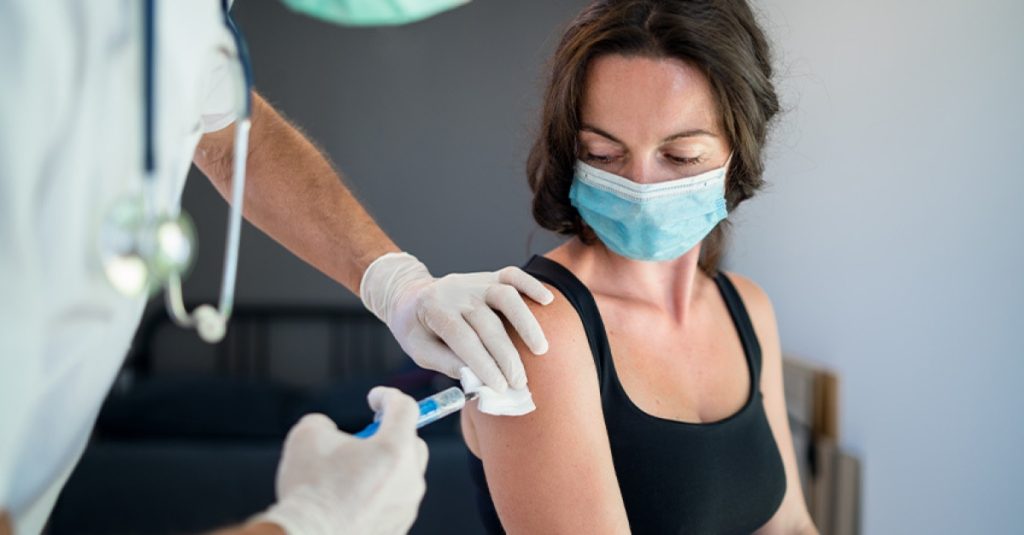
Hepatitis A: Hepatitis A is a liver disease and can be contracted via contaminated food or water, so regardless of where you are eating or staying in Tanzania, anyone without the vaccination would be at risk. Again, it’s not a required immunization for entry, but contaminated food or water in Tanzania is a possibility and if you do not have this vaccination, you should consider it. It’s a 2-dose vaccine, given to you 6 months apart (you have to go back for the second dose for it to be effective!)
Hepatitis B: Hepatitis B is contracted through sexual contact, contaminated needles, and blood products. So, consideration for this vaccine should be given if you think you might have sex with a new partner, plan on getting a tattoo or piercing or might have/need a medical procedure while in East Africa. This vaccine is actually given in 3 separate doses. You need to get the second vaccine roughly 1-2 months after the first dose and the last dose is given 6-12 months after the first dose.
Typhoid: Similar to how Hepatitis A is contracted, you can get typhoid through contaminated food or water in Tanzania. Straight from the CDC website: “Travelers to Asia, Africa, and Latin America are especially at risk.” Although the meals on Kilimanjaro are not “adventurous” in nature and Tour Operators go to great lengths to make sure your food is fresh and clean, it’s better to be safe than sorry!
Malaria: Malaria is another disease that is spread through mosquito bites. The CDC indicates that symptoms usually show up within 7-30 days from being contracting malaria, but in some cases can take up to one year to develop. For Tanzania, areas that are under <1,800 m (5,906 ft) in elevation have malaria present. There is no vaccine to prevent malaria, but you can take prescription medicine before, during, and after your trip. There is more detailed information about malaria in Tanzania on the CDC website as well.
Rabies: Rabies is a virus that you can contract from the saliva of an infected animal, such as a dog bit. The CDC indicated that rabies can be found in dogs, bats, and other mammals in Tanzania and thus recommends the vaccine for the following groups:
Travelers involved in outdoor and other activities (such as camping, hiking, biking, adventure travel, and caving) that put them at risk for animal bites.
People who will be working with or around animals (such as veterinarians, wildlife professionals, and researchers).
People who are taking long trips or moving to Tanzania
Children, because they tend to play with animals, might not report bites, and are more likely to have animal bites on their head and neck.