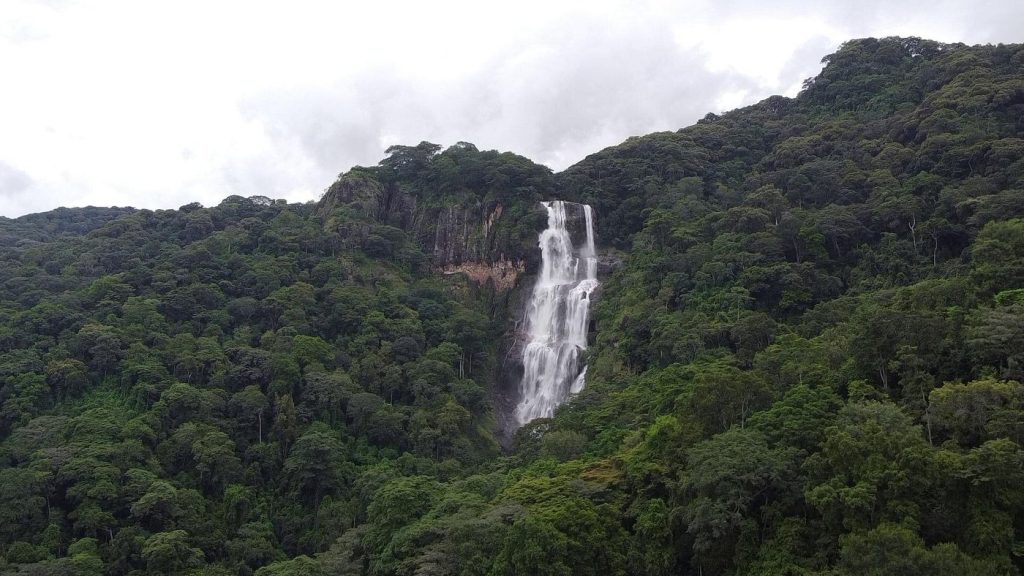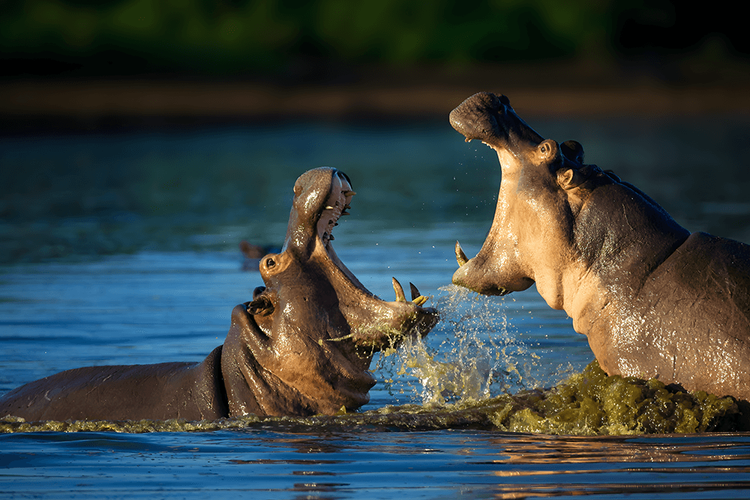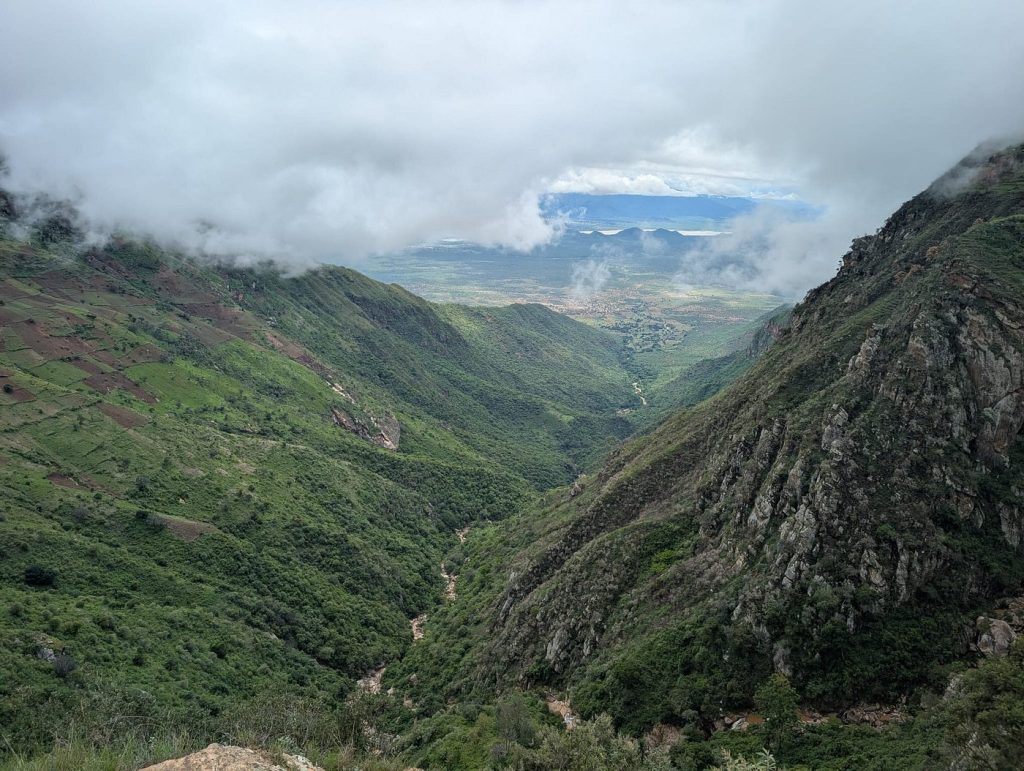
Zanzibar Island gets attention on the archipelago with a very good reason. Its Stone Town, where everyone arrives, is one of Africa’s most evocative locations, with a mesmerising mix of influence from the Indian subcontinent, the Arabian peninsula, the African mainland and Europe. Just an easy drive away are the island’s beaches, which are among the finest stretches of sand to be found anywhere. Zanzibar is small enough that you can base yourself either in Stone Town or at one of the beaches to all your exploring, and tourist infrastructure is highly developed with hotels and restaurants for every taste and budget.
What You Should about about Diving in Zanzibar
The archipelago’s turquoise waters are just as amazing below the surface as they are from above, with a magnificent array of hard and soft corals and a diverse collection of sea creatures, including shadowy manta rays, hawksbill and green turtles, barracudas and sharks.
Other draws include the possibility for wall dives, especially off Pemba; the fascinating cultural backdrop; and the opportunity to combine wildlife safaris with underwater exploration.
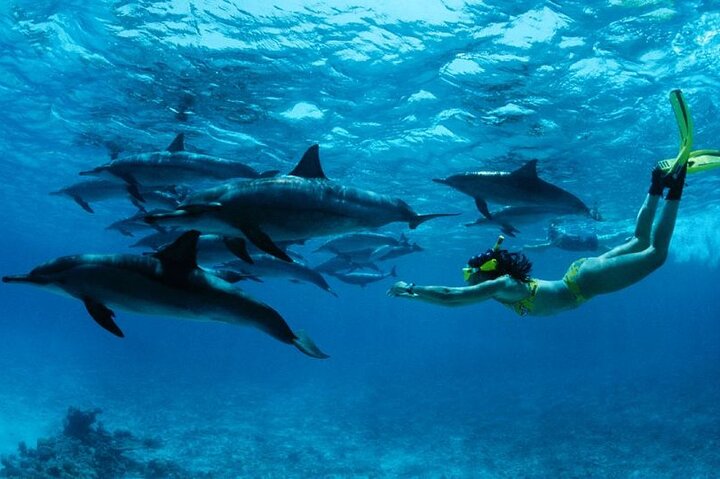
On the down side, Visibility isn’t as reliable as in some other areas of the world, although sometimes you’ll be treated to ranges of 25m to 30m.
Another thing to consider, if you’re a serious diver and coming to the archipelago exclusively for diving, is that unless you do a live-aboard arrangement, you’ll need to travel – often for up to an hour — to many of the dive sites. Also, prices are considerably higher than in places like the Red Sea or Thailand.
Best Diving Seasons in Zanzibar
Diving is possible year-round, although conditions vary dramatically. Late March until mid-June is generally the least favorable time because of erratic weather patterns and frequent storms.
However, even during this period, you can have some good days, particularly in March when water temperatures are also warmer.
July or August to February or March tends to be the best time overall, although again, conditions vary and the wind is an important factor.
On Pemba, for example, the southeastern seas can be rough around June and July when the wind is blowing from the south, but calm and clear as glass from around November to late February when the monsoon winds blow from the north.
On both islands, the calmest time is generally from around September to November during the lull between the annual monsoons.
Water temperatures range from lows of about 220C in July and August to highs of about 290C in February and March, with an average of about 260C. Throughout, 3mm wetsuits are standard; 4mm suits are recommended for some areas during the July to September winter months, and 2mm are fine from around December to March or April.
Costs, Courses & Planning for Diving in Zanzibar
Costs are fairly uniform throughout the archipelago, though somewhat cheaper on Zanzibar than on Pemba. Expect to pay from US$550 for a four-day PADI open water course, about US$65/95 for a single-/double-dive package, and from about US$80 for a night dive. Most places discount about 10% if you have your own equipment, and for groups.
In addition to open water certification, many operators also offer other courses, including Advanced Open Water, Medic First Aid, Rescue Diver, and specialty courses including underwater photography and navigation.
As for deciding where to dive: very generally speaking, Zanzibar is known for the corals and shipwrecks offshore from Stone Town, and for fairly reliable visibility, high fish diversity and the chance to see pelagic to the north and northeast. While some sites are challenging, there are many easily accessed sites for beginning and mid-range divers.
Contact us for more details about Diving in Zanzibar after your Wildlife Safari or Kilimanjaro trekking.