
Table of Contents
With only around 900 mountain gorillas remaining in the wild, encountering them in their natural habitat is an incredibly rare and unforgettable experience that very few people will ever have the opportunity to enjoy.
This section will guide you on where to see mountain gorillas, where to stay during your visit, the costs involved, and how to choose a reliable safari company to make your journey smooth, safe, and well organized.
Where Can You See Mountain Gorillas?
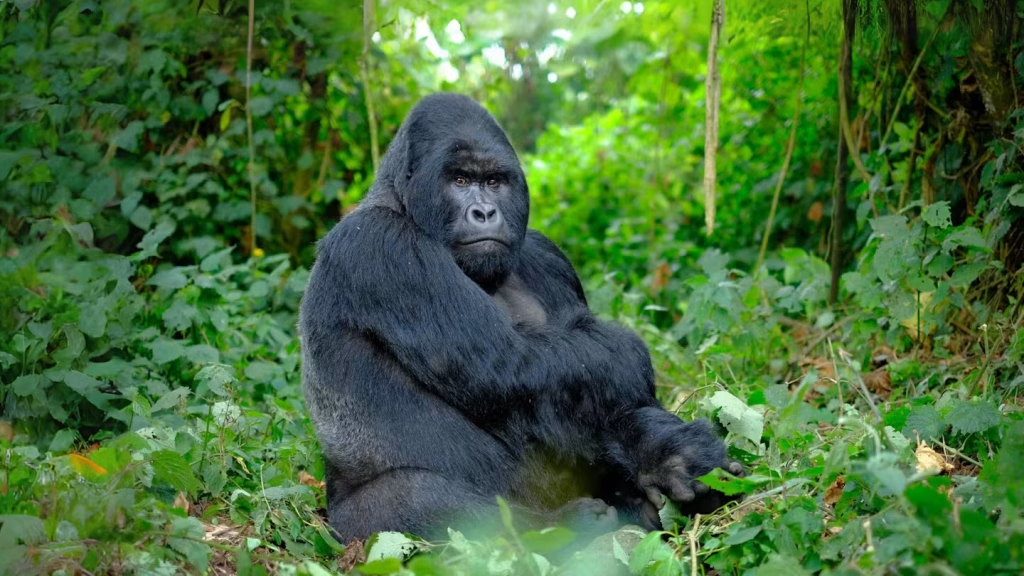
Around 480 mountain gorillas live in the Virunga Massif, an extinct volcanic region stretching across the borders of Rwanda, Uganda, and the Democratic Republic of the Congo in East Africa.
The remaining population of roughly 400 gorillas is found in southwestern Uganda, within the dense rainforest of Bwindi Impenetrable National Park. Together, these two regions hold the last surviving mountain gorillas in the world.
Uganda
In Uganda, gorilla trekking is carried out in two main protected areas: Bwindi Impenetrable National Park and Mgahinga Gorilla National Park. Both parks offer visitors the rare opportunity to track and observe mountain gorillas in their natural forest habitat, guided by experienced rangers.
Mgahinga Gorilla National Park is located in the extreme southwest corner of Uganda on the slopes of the Virunga Mountains, where it borders both the Democratic Republic of the Congo and Rwanda. Although it is relatively small, covering about 28 square miles, the park offers a rich wildlife experience. In addition to mountain gorillas, visitors may also encounter species such as leopard, buffalo, bushbuck, and golden monkeys.
Bwindi Impenetrable National Park lies in southwestern Uganda and is home to nearly half of the world’s remaining mountain gorillas. Covering roughly 200 square miles of dense, ancient rainforest, it is recognized as a UNESCO World Heritage Site.
Tracking gorillas in Bwindi is a truly immersive experience, as visitors follow them through thick, often challenging vegetation. The park is also home to chimpanzees and an impressive variety of bird species, making it a rich destination for both primate and bird enthusiasts.
Rwanda
Volcanoes National Park is located in the northern part of Rwanda and protects the country’s portion of the mountain gorilla population within the Virunga volcanic region.
The park covers about 46 square miles and is made up of six volcanic mountains, creating a dramatic and beautiful landscape that is home to some of the world’s most endangered primates. Despite Rwanda’s difficult history in the early 1990s, the country is now peaceful and well-organized. Today, the park permit system runs smoothly, making gorilla trekking in Volcanoes National Park a well-managed and rewarding experience for visitors.
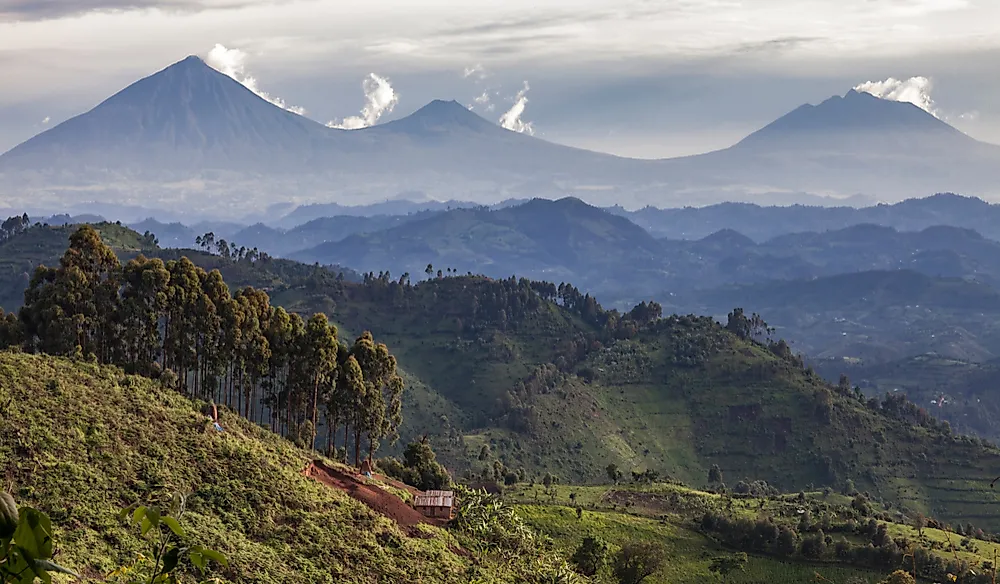
Volcanoes National Park is where Dian Fossey established her base and research center during her pioneering work with mountain gorillas.
Gorilla tracking here is generally considered slightly less strenuous than in Bwindi, as the gorillas tend to move less across the terrain. The more open landscape also allows more natural light to reach the forest floor, making it easier to capture clear and memorable photographs compared to denser forests like Bwindi.
If you are interested in learning more, you can also explore a personal gorilla tracking experience in Rwanda for a closer look at what the journey feels like on the ground.
Democratic Republic of Congo
Virunga National Park represents the Democratic Republic of the Congo’s section of the Virunga Mountains protected area. The park’s mountain gorilla population suffered a serious setback in 2007, when several gorillas were killed in a tragic and violent incident. Despite these challenges, conservation work has continued, and park rangers have played a crucial role in protecting wildlife under extremely difficult conditions.
A recent census showed that the gorilla population was recovering better than expected, even with ongoing instability in the region. This progress is largely credited to the dedication and courage of rangers working on the ground, often at great personal risk. For those who want to understand the reality behind conservation in this region, the documentary Virunga offers a powerful and eye-opening perspective.
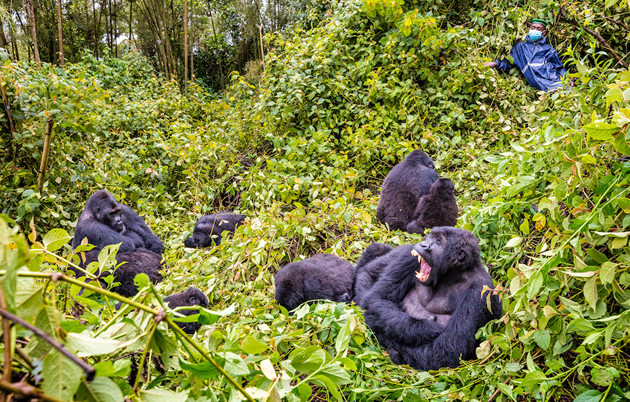
Note: Mountain gorillas continue to move freely across the Virunga ecosystem, which spans Rwanda, Uganda, and the Democratic Republic of the Congo. Their movements are natural and not restricted by national borders.
In current conservation practice (ongoing in the 2020s), habituated gorilla families are continuously monitored by park authorities and conservation teams across the region, including in Virunga National Park, Volcanoes National Park, and Bwindi Impenetrable National Park.
Unlike earlier years, gorilla tracking today relies on daily ranger updates and coordinated cross-border conservation systems rather than occasional reports of movement. Safari operators and park rangers now use this real-time field intelligence to locate habituated groups, ensuring visitors are guided to where the gorillas are known to be on the day of the trek.
Tracking Mountain Gorillas
Getting to see mountain gorillas is not easy, and there is no guarantee of a sighting. The trek to reach their habitat often takes several hours and leads through dense vegetation and steep, slippery slopes.
Along the way, you may encounter burning and stinging nettles, so gloves are strongly recommended. Red ants are also common in some areas, so it is best to wear long socks and tuck your trousers inside them for protection. Because gorillas move through the forest regularly, tracking them requires patience and good physical effort.
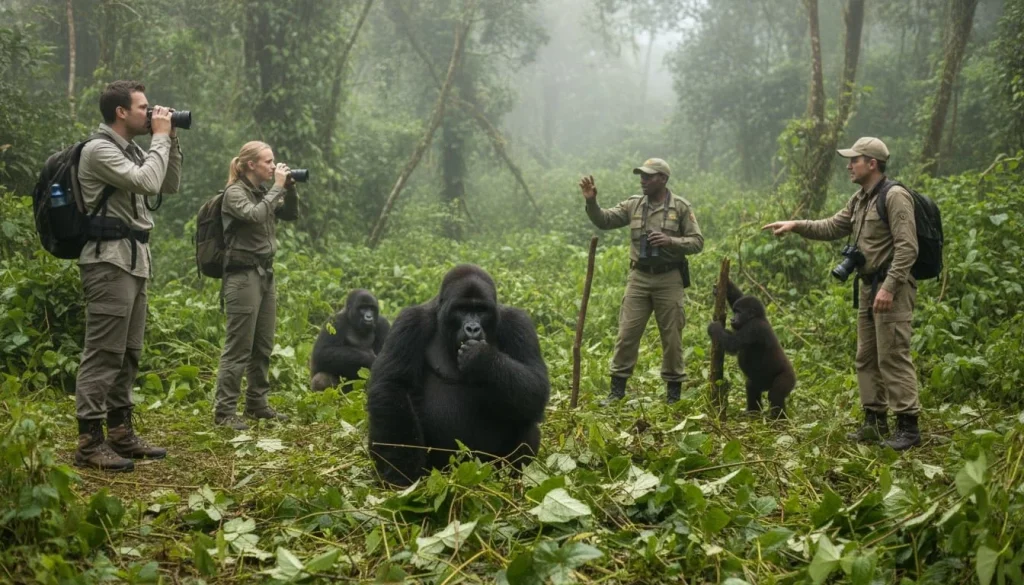
The gorillas you will visit are habituated to humans, which is why it is possible to observe them at relatively close range. However, strict rules are in place to protect both visitors and the animals:
- Visitors must be 15 years and above
- Anyone who is sick or has an infectious illness is not allowed to trek
- Only one hour is permitted with the gorillas, and a minimum distance of about 5 metres must be maintained
- A maximum of 6 to 12 visitors is allowed per gorilla group per day
- No flash photography is allowed
- Trekkers should be reasonably fit and properly equipped, including warm and waterproof clothing due to the cool, wet mountain climate
- No eating or drinking is allowed near the gorillas
- No touching the gorillas, even if they approach you
- No pointing directly at the gorillas
These guidelines are essential for protecting the gorillas and ensuring a safe and respectful wildlife experience.
Gorilla Permits
To see the gorillas, you need an official permit issued by the relevant national park authorities, and these permits usually need to be booked several months in advance. If you are traveling with a tour company, the arrangements are normally handled for you, making the process much easier. In Uganda, a gorilla trekking permit currently costs around USD 750 per person per day in the high season. In the low season, during March to May and October to November, the permit is reduced to about USD 500 per person.
Permits can be obtained through the Uganda Wildlife Authority headquarters in Kampala. It is also possible to apply by email directly, although payment can be more complicated as credit cards are not always accepted for direct bookings. For simplicity and convenience, many travelers prefer to book a complete gorilla trekking package through a specialist operator, which includes permits, accommodation, and logistics, ensuring a smoother and more organized experience.
In Rwanda, gorilla permits can be obtained through the Rwanda Tourism Board offices (formerly ORTPN) in Kigali or Ruhengeri, near Volcanoes National Park. Contact can also be made by phone or email through official reservation channels.
The permit cost is generally USD 1500 per person per day. However, most visitors secure their permits through a registered tour operator, as it is often easier and more reliable than applying independently. In many cases, it is difficult to obtain a permit without also booking a complete trekking package. Permits can sell out several months in advance, especially during the peak season from June to October. Booking early is strongly recommended to avoid disappointment.
In the Democratic Republic of the Congo, permits are typically arranged through tour operators working with Virunga National Park. The cost is around USD 750 per person, and operators are also the best source for up-to-date security information and logistics. Many visitors combine gorilla trekking with other experiences in the region, such as chimpanzee tracking and volcano hikes, making it a diverse and rewarding adventure.
Frequently Asked Questions
What is a gorilla safari?
A gorilla safari is a guided trek through the forest to see mountain gorillas in their natural habitat. It is one of Africa’s most memorable wildlife experiences. Small groups walk with trained guides and trackers. The trek can be short or take several hours. Once you find the gorillas, you usually spend one hour watching them.
Which country is best for a gorilla safari: Rwanda, Uganda, or the DRC?
Each country offers a unique experience. Rwanda is known for shorter travel times and comfortable lodges. Uganda often provides more permit options and varied trekking experiences. The DRC can be more adventurous and less crowded. Your choice depends on your budget, travel style, and available time.
How difficult is gorilla trekking?
The difficulty level can vary from easy to challenging. Some gorilla families live close to the starting point, while others are deeper in the forest. You may walk on steep slopes and muddy trails. A reasonable level of fitness is helpful. Guides move at a pace that suits the group and offer support along the way.
What should I pack for a gorilla safari?
Wear sturdy hiking boots and long trousers for protection. A waterproof jacket is useful because rain can fall at any time. Bring gloves if you expect to trek through thick vegetation. Carry water, snacks, and a small backpack. A camera is also a great idea for capturing memories.
When is the best time to go gorilla trekking?
Gorilla trekking is possible throughout the year. Many travelers prefer the drier months because trails are easier to walk on. The forests stay green and beautiful in every season. Rainy months can be quieter and offer fewer crowds. No matter when you visit, seeing gorillas in the wild is an unforgettable experience.
Still have questions?
Our local safari experts are happy to help you plan the perfect African safari.





