
Table of Contents
After an exhilarating safari or Kilimanjaro Trekking Adventure on the mainland, why not treat yourselves to a heavenly beach holiday on the spice islands of Zanzibar? This tropical island paradise is the perfect way to wind down and reflect on your adventure. You’ll be treated like kings whilst you relax on white, palm-fringed beaches, snorkel in azure coral reefs and sample some of Stone Town’s vibrant Swahili culture.
Laid-back, Rustic Zanzibar
Zanzibar is a low-lying coral atoll just off the coast of Tanzania, measuring 80km x 35km. It is both vibrant and peaceful, with beaches that rival anywhere in the world. The laid-back Swahili culture envelops you as you set foot on the island – the aroma of spices on the warm breeze, traditional dhow boats bobbing on the sea, the smiling faces of the locals. Stone Town, the island’s capital, is in the south west of the island. It’s a buzzing, lively place – a matrix of winding, narrow streets with authentic markets and plenty of rustic charm.
Paradise Beaches, Vibrant Stone Town and Other Highlights
Paradise Beaches
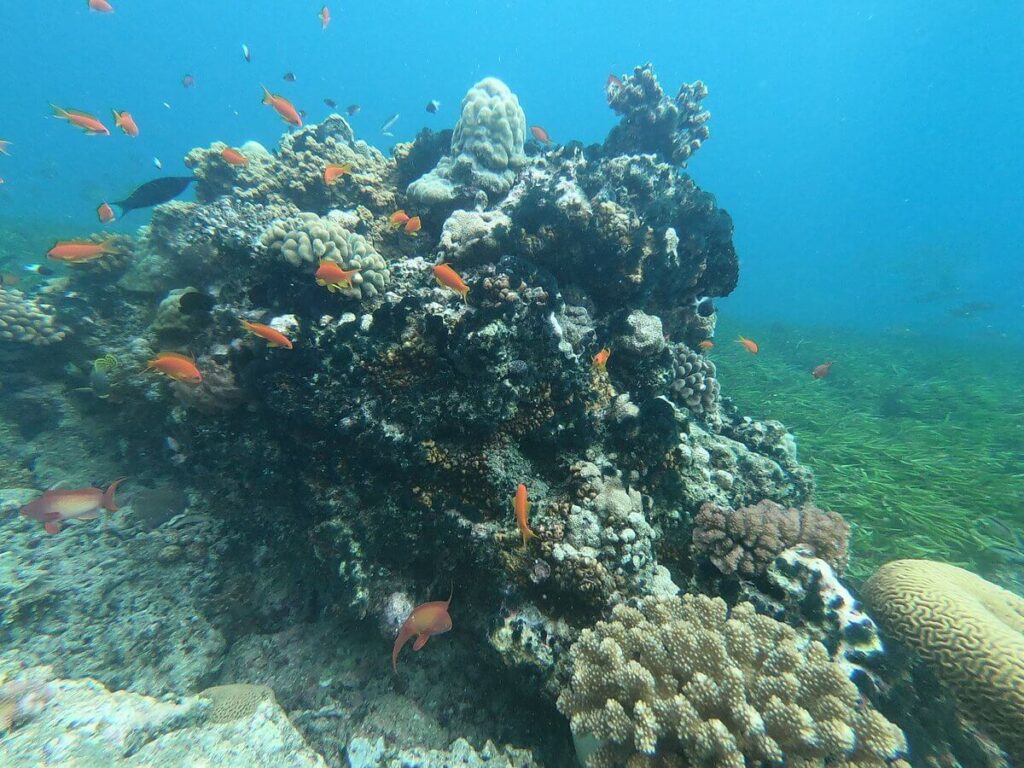
You’ll find the main beaches along the north and south-east coastlines. A typical Zanzibar beach is the type you see in a paradise holiday brochure – softest white sands fringed with coconut palms, leading out to colourful coral reefs and a gin-clear turquoise sea. Some beaches are secluded, others are colonised with villages close by, so you are likely to see locals fishing and collecting seaweed. For total privacy, go to the east coast coves or one of Zanzibar’s private islands, such as Mnemba Island. Zanzibar archipelago is one of the world’s prime locations for diving and snorkelling – when you see the coral reefs for yourself, you’ll understand why.
Stone Town – A Slice of Swahili Culture
You will most likely arrive in Stone Town for the start of your holiday. This Swahili city, now a UNESCO World Heritage Site, is buzzing with life and steeped in history – a stark contrast to the tranquility of the beaches. Walk along the labyrinth of narrow streets lined with market stalls, mosques and ancient Sultan’s residences. Look out for the many antique wooden doors, intricately carved and decorated in gold. Market traders are selling their wares, from spices to jewels to artwork. Taarab music fills the streets. The sights, sounds and smells of Stone Town reflect its vibrancy and culture. It’s a wonderful place to spend a night or two.
Zanzibar’s Mysterious History
Originally, Zanzibar was inhabited by Bantu speaking Africans. Persians arrived in the 10th Century. From as long ago as the 15th Century, Zanzibar traded with the Arab world. The Portuguese ruled Zanzibar for 200 years, until the island fell under Arab control again in 1698, led by the Sultanate of Oman. It was the Omanis that built Stone Town, once the centre of a prosperous slave, spice and ivory trade up and down Africa’s east coast. 25,000 slaves passed through Zanzibar each year. With the abolition of the slave trade in the 19th Century, Zanzibar became part of the British Empire until it regained independence in 1968. Today, Zanzibar is a free market with its own parliament and president, and part of the United Republic of Tanzania. You can see many ruins on the island – Omani palaces, Persian baths, underground slave chambers, hidden tombs, forts – it’s a fascinating and mysterious journey through time.
Activities
Diving & Snorkeling
If you are looking for diving, snorkelling or sunbathing, then you are spoilt for choice. Diving in the coral reef at Chumbe Island, Tanzania’s national marine park, is out of this world – 350 species of fish are thriving in this conservation area. Mnemba Island is a private marine park with another breathtaking coral reef and a sanctuary for green turtles. Misali Island is also a marine haven for diving and snorkelling, with idyllic deserted beaches. Zanzibar has well-organised PADI diving centres.
Other Activities
Go deep sea fishing using techniques mastered by local fishermen – this is not for the faint-hearted, you could catch blue marlin, sailfish or barracuda! For a more relaxing time on the ocean, try a traditional Dhow cruise around isolated islands and enchanting beaches. Swim with dolphins off the southern-most tip of Unguja. See giant tortoises on Prison Island. Kite surf in the shallow lagoons off Zanzibar’s east coast, one of the world’s top kite surfing locations.

Tour the many ancient ruins that tell the story of Zanzibar’s heyday, when the Sultans traded in slaves and spices. No trip to Zanzibar is complete without visiting one of the many spice plantations, where you can taste delicious local dishes infused with fragrant spices like cinnamon, cloves, cardamom and vanilla. Visit Pemba Island to see the world’s largest fruit bat – endemic to Zanzibar, the Pemba Flying Fox is a megabat with a wingspan of over 5.5 feet! Jozani Forest, a beautiful ancient rainforest, is definitely worth a tour if just to be entertained by the red colobus monkeys which thrive in the area. If you visit Stone Town in February, there’s an amazing music festival called the Sauti za Busara, with live African music playing non-stop for 4 days.
Accommodation
Would you like a prime, ocean-front location with a spa, your own plunge pool, a private chef and even a butler? There are some incredible boutique hotels and exclusive hideaways on the archipelago, with state of the art facilities. If that all seems a bit extravagant, how about a beautiful eco-lodge on a spotless stretch of beach, or a comfortable en-suite bungalow, or a Makuti-thatched villa? There is a great deal of choice for all budgets. You won’t find any high-rise hotels or giant resorts on Zanzibar though – like its culture, the accommodation is more intimate with attention given to personal service.
Best Time to Visit
June to October is the dry season, when the climate is hot and humid with lots of sunshine and a refreshing sea breeze. January and February also have a good deal of sunshine, but a very high humidity level as the rainy season approaches.
How to Get There
If you are planning a holiday in Zanzibar after a safari on the mainland, there are daily direct flights from many of Tanzania’s northern and southern safari destinations. From Dar es Salaam, it’s a short 30 minute flight to Zanzibar Airport. You can also take the ferry from Dar to Zanzibar – it takes about 1.5 hours, depending on the weather.
Frequently Asked Questions
Why are Zanzibar’s beaches considered some of the best in the world?
Zanzibar is famous for its long stretches of white sandy beaches and crystal, clear turquoise water. The calm, warm waters of the Indian Ocean make it perfect for swimming, snorkeling, and relaxing. Many beaches are lined with palm trees and peaceful resorts, creating a true tropical paradise. Places like Nungwi Beach and Kendwa Beach are especially popular for their beauty and sunsets. For many travelers, Zanzibar feels like the perfect place to unwind after a safari.
What makes Stone Town historically important?
Stone Town is the historic heart of Zanzibar and a fascinating place to explore. Its narrow streets, old coral, stone buildings, and carved wooden doors reflect centuries of cultural influence. The town was once an important center for trade between Africa, Arabia, and Asia. Because of its rich history and unique architecture, it has been recognized as a UNESCO World Heritage Site. Walking through Stone Town feels like stepping back in time.
What activities can visitors enjoy on Zanzibar’s beaches?
Visitors to Zanzibar’s beaches can enjoy a wide range of relaxing and adventurous activities. Snorkeling and diving are popular because of the colorful coral reefs and marine life. Many people also take traditional dhow boat trips during sunset on the Indian Ocean. Beach walks, swimming, and simply relaxing under the palm trees are also favorite activities. The peaceful environment makes it ideal for couples, families, and honeymooners.
When is the best time to visit Zanzibar?
The best time to visit Zanzibar is usually during the dry seasons when the weather is sunny and warm. These months offer perfect conditions for beach activities and exploring the island. The ocean is calm, making it great for swimming and water sports. Even during other times of the year, Zanzibar still has a tropical charm that attracts visitors. Many travelers combine a visit here with a safari in Serengeti National Park.
Why is Zanzibar a great destination after a safari?
After days of wildlife viewing on safari, Zanzibar offers a peaceful place to relax and recharge. The slow island lifestyle, beautiful beaches, and warm ocean breezes create a completely different experience from the savannah. Visitors can explore Stone Town, enjoy fresh seafood, and watch stunning sunsets by the sea. The island’s culture, history, and natural beauty make it very special. For many travelers, it is the perfect ending to a Tanzanian adventure.
Still have questions?
Our local safari experts are happy to help you plan the perfect African safari.





