Table of Contents
Sit on the steaming shores of Lake Shalla as hundreds of birds swoop through the clear skies overhead. Walk the perimeter of Lake Abijatta, navigating through a sea of pink flamingos. Sleep near the natural hot springs, soaking in the absolute tranquility of the national park. Allow yourself to be captivated by Abijatta-Shalla, an untouched gem in the northern section of the Great Rift Valley.
A Birder’s Paradise
Abijatta-Shalla is a quiet national park in the Oromia region of central Ethiopia. The park itself revolves largely around the stunning alkaline lakes Abijatta and Shalla, which act as a migratory home for vibrant and diverse birdlife.
Entering the park in the north, you will first drive through the grassland and acacia woodlands to the shores of the shallow Lake Abijatta. Coated with flamingos and pelicans, this shoreline often takes on a remarkable pinkish hue. As you slowly drive or walk south, you will approach the picturesque Mount Fike, located on the isthmus between Abijatta and her mystical southern sister lake, Lake Shalla. This next lake is the deepest in the entire rift valley, and fills the center of a collapsed volcano. The dramatic black cliffs, jagged peaks and steamy shoreline speckled with bubbling hot springs is a stark – but perfect – compliment to the cotton-candied shores of Abijatta.
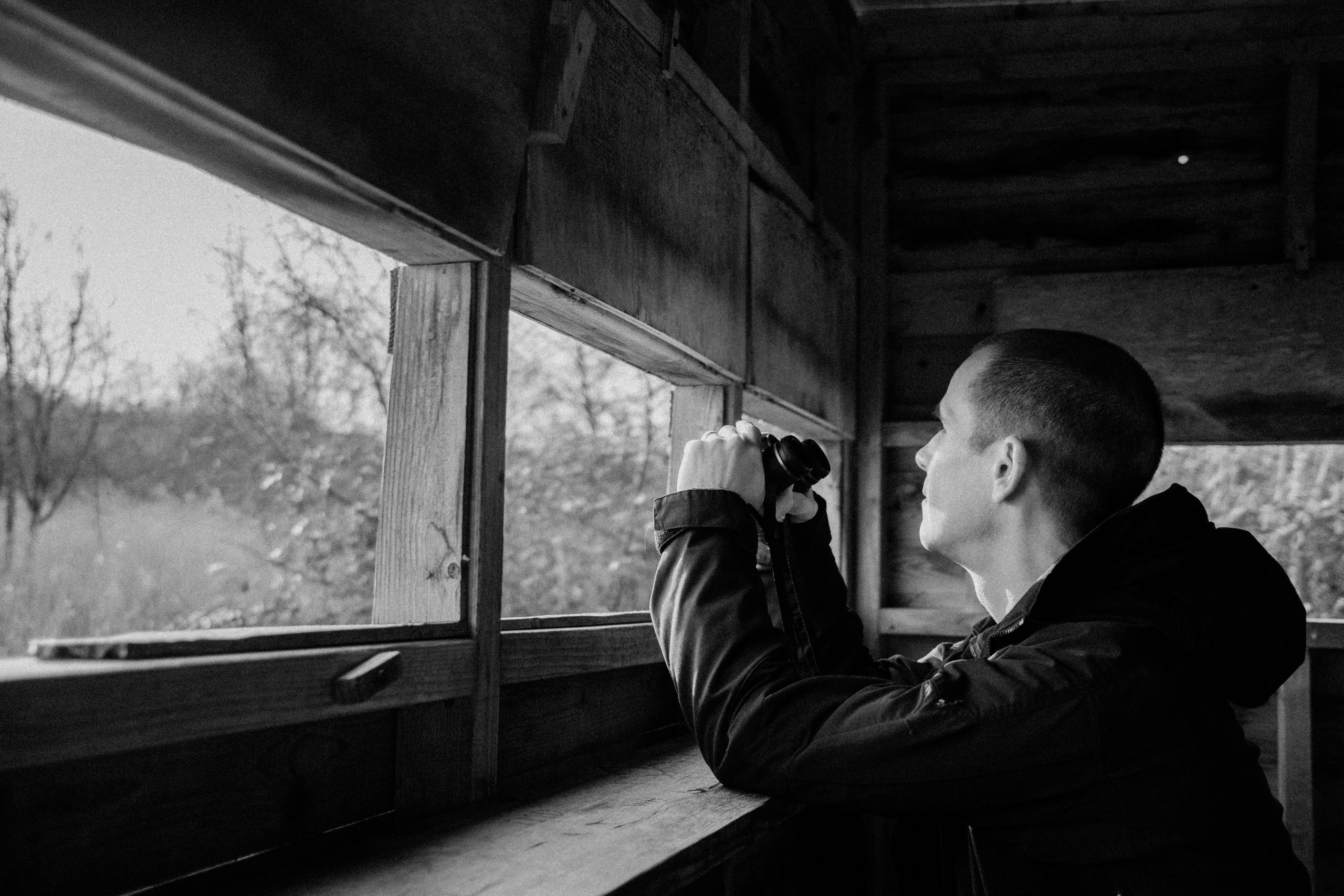
With nearly half of the total surface area of the park covered by the two lakes, a tour to this park is spent quietly on the shoreline. Spend time in the shade with a pair of binoculars in hand, observing a spectacular bird population while you pause from the bustle of Addis Ababa and the intensity of Ethiopia’s southern tourist circuit.
Birding, Stunning Lakes and Other Highlights
Birding
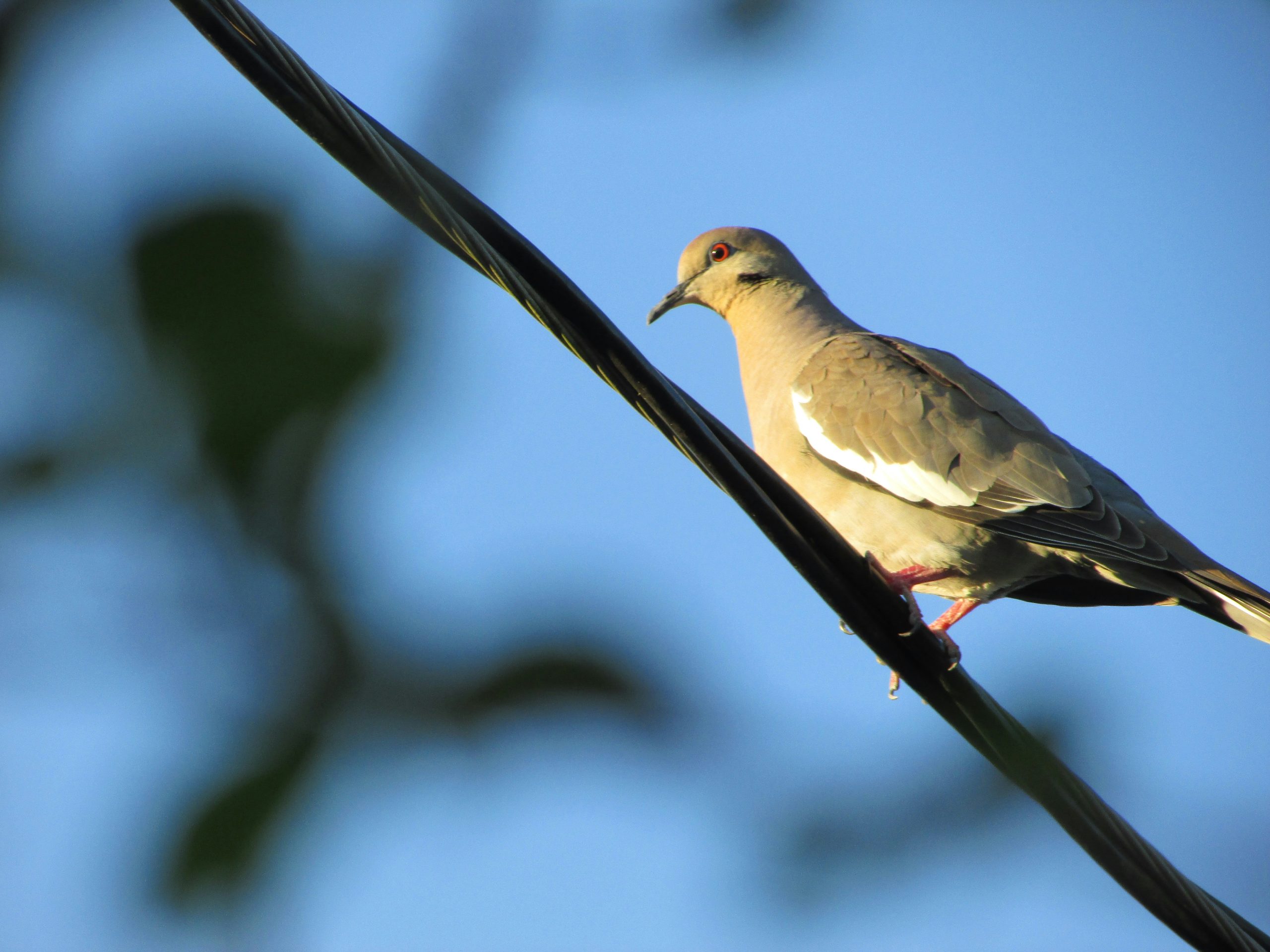
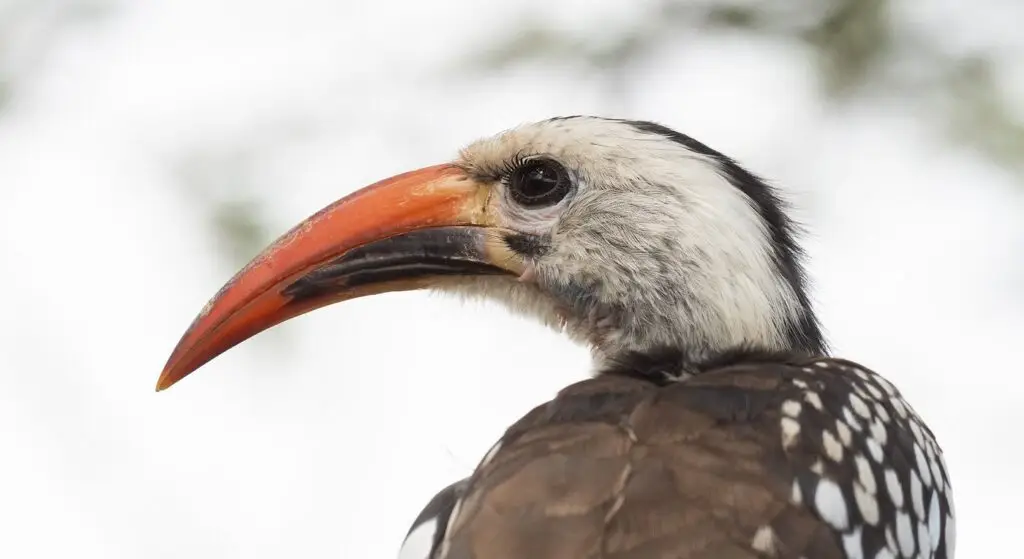
Aibijatta-Shalla is heaven for ornithologists and a pleasant place for those with an appreciation for birds. The park is home to over 300 species – over half of the total number of species recorded in the whole of Ethiopia. This narrow portion of the Great Rift Valley is a major flyway for Palearctic and African migrating birds, many of which can be observed between the months of July and September. As you lean back on the banks of Lake Shalla, look up and try to spy some of the endangered species flying overhead, including the Lesser Kestrel, the Eastern Imperial Eagle, and the Basra Reed Warbler.
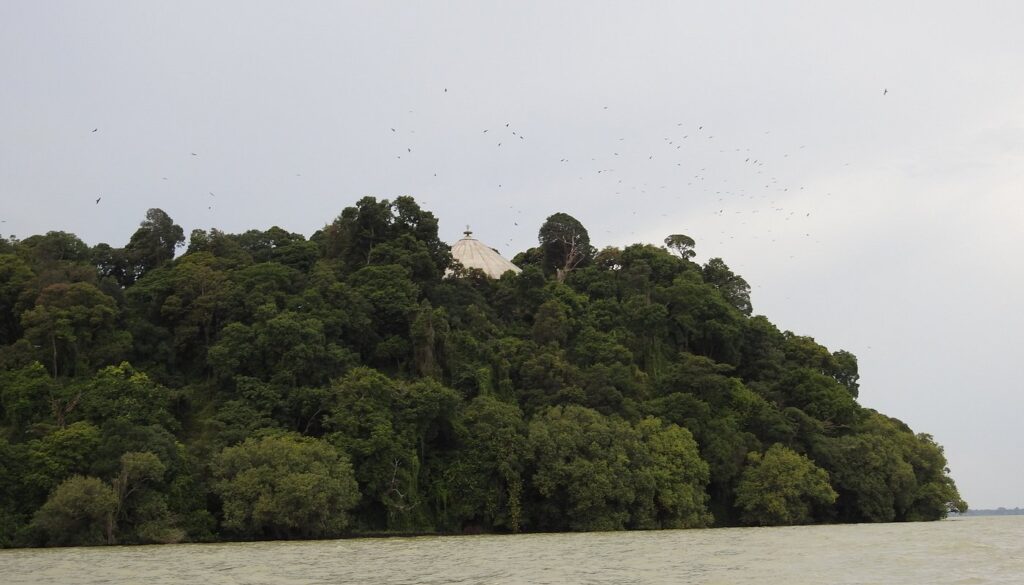
The four islands in the center of Lake Shalla are favoured nesting grounds for a variety of birds, with the great white pelicans notable among them. White-necked cormorant, African fish eagle, Egyptian geese, and numerous plover and herons are also common here.
Lake Shalla is however, nearly devoid of fish, and most birds will fly to neighbouring Lake Abijatta to feed. Gingerly walk the unpredictable perimeter of the lake, weaving among huge numbers of greater and lesser flamingos that busily snack on the algae that grows easily in these waters. Keep an eye out for the migrant wader, the Mongolian plover, and the Pacific golden plover, as they too enjoy feasting in these waters.
For a quick overview of the bird and plant life in the region, swing past the park headquarters, where you can visit a small museum with a wealth of knowledge and information.
Hot Springs
An enchanting moment in the National Park is enjoying an early morning on the steaming shores of Lake Shalla. A number of hot springs spurt boiling water through the muddy and rocky shores, leaving a magical mist on the shoreline. While the springs remain undeveloped for tourism, this lack of infrastructure is for many, part of the charm. Spend a morning on the shores watching as locals wander by, taking advantage of the water’s alleged medicinal properties. Enjoy a steam-cooked breakfast of boiled eggs and corn alongside them, before slowly meandering and scrambling around the perimeter.
50km south of the park is the town of Wendo Genet, where you can enjoy a dip in natural hot springs in a manufactured hot pool, heated by the earth’s core. With numerous hiking trails leading into the surrounding mountains, this is a worthwhile detour for those craving a soak.
Swimming
While Lake Abijatta is far too shallow for any water activities, it is possible to swim in Lake Shalla. Swimming in the lake has a somewhat curious feeling, given the high salinity of the water. As you slip into this water with the colour of richly steeped tea, you will notice an almost soapy feel to it. It is also possible to swim in neighbouring Lake Lagano, just outside the park boundaries, where two lodges are established. Reported to be bilharzia-free, this lake, too, has that intriguing soapy feel to it.
It is worth noting that caution should be exercised around the perimeter of Abijatta. The beaches are fairly unstable and vehicles run the risk of sinking deep into the unpredictable sand. Best to set out into the masses of flamingos on foot, carefully taking steps as you go.
Other Activities
Unfortunately, while this park was initially formed to conserve resident mammals, much of the wildlife in the park no longer exists. Visitors do report seeing the occasional gazelle, kudu, oribi, warthog and jackal, though sightings are becoming increasingly rare.
Accommodation
There is no hotel accommodation within the national park boundaries, though camping is permitted and preferable! Pitch your tent along the shores of the Dedaba River or near the hot springs and enjoy total solitude in this stunning park. Total self-sufficiency is required, but with that comes total freedom to explore as well.
If you would prefer the comforts of a lodge, there are two options on neighbouring Lake Lagano, just outside the park boundary. While these lodges are fairly basic, and a tad drab, they do have bars, restaurants and wellness centers for the guests. Lake Lagano is also quite a pleasant place to hole up for a couple of days.
How to Get There
The park is most easily accessed by car from Addis Ababa. The park gates are 200km south of the capital, and the drive itself takes roughly four hours. The park gates are directly off Highway 6, after the town of Ziway and before Hawassa.
Best Time to Visit
For those interested in observing the migratory birds, it is best to visit this park between the months of July and September when they regularly pass through. During these months, and between March and April, there are higher levels of rainfall, so do prepare for periods of daily rain. The driest months occur from October through to December.
Peak temperatures occur in the summer months between June and July, during which temperatures may rise to as high as 45°C. Late fall is a very pleasant climate, with occasional chilly nights.
Frequently Asked Questions
Where is Abijatta, Shalla National Park located?
Abijatta, Shalla National Park is located in Ethiopia’s Great Rift Valley, about 200 kilometers south of Addis Ababa. The park is named after its two main lakes, Lake Abijatta and Lake Shalla, which are among the most striking natural features in the area. Lake Shalla is known for its deep crater lake surrounded by dramatic cliffs, while Lake Abijatta is a shallow soda lake. The park covers a mix of grasslands, acacia woodlands, and volcanic landscapes. Because of its scenic beauty and birdlife, it has become an interesting destination for nature lovers visiting Ethiopia.
What wildlife can be found in Abijatta,Shalla National Park?
Abijatta, Shalla National Park is home to a variety of wildlife, especially birds that thrive around the Rift Valley lakes. One of the most impressive sights is the large flocks of flamingos that gather along the shores of Lake Abijatta. Visitors may also see animals such as Grant’s gazelles, warthogs, and jackals roaming through the grasslands. The park is also an important habitat for many water birds, making it a great place for birdwatching. Because of this rich birdlife, Abijatta, Shalla is often considered one of Ethiopia’s best birding destinations.
What makes Lake Shalla special inside the park?
Visitors to Bale Mountains National Park can enjoy a wide range of outdoor activities. Hiking and trekking are among the most popular, allowing travelers to explore the park’s dramatic mountain scenery and wildlife. The Sanetti Plateau is perfect for scenic drives and wildlife viewing, especially for spotting Ethiopian wolves. Birdwatching is also very rewarding because the park is home to many rare and endemic bird species. Some travelers choose to camp or stay in lodges nearby to fully experience the peaceful atmosphere of the mountains.
What activities can visitors enjoy in Abijatta, Shalla National Park?
Visitors to Abijatta, Shalla National Park can enjoy several relaxing outdoor activities. Birdwatching is one of the most popular experiences because the lakes attract many different species of birds. Travelers can also take scenic drives through the park to admire the landscapes and possibly spot wildlife. Hiking to viewpoints around Lake Shalla allows visitors to see incredible views of the crater lake and surrounding Rift Valley. The peaceful atmosphere makes it a great place for photography and nature exploration.
When is the best time to visit Abijatta, Shalla National Park?
The best time to visit Abijatta, Shalla National Park is during the dry season, usually from October to March. During this period the weather is generally sunny and comfortable for exploring the park. Wildlife and birds are also easier to spot as they gather near water sources. The rainy season brings greener scenery and can make the landscape look more vibrant, though some roads may become muddy. No matter the season, the park offers beautiful views of the Rift Valley and its unique lakes.
Still have questions?
Our local safari experts are happy to help you plan the perfect African safari.