Ruaha National Park is located in south-central Tanzania just 130km (80 miles) north of Iringa and close to the Tanzam Highway. At 10,300sq km, it is the second-largest national park after Serengeti. Mostly tourists fly in, but a good way to plan your safari by road is to move on to Ruaha after time in Nyerere National Park or Mikumi; otherwise, it is a long, 10-hour drive from Dar.
The park is dominated by the majestic Great Ruaha River, one of the major tributaries of the Rufiji. During the dry season, the gently meandering stream, often braided with many channels and sandy islands, is the magnet for a wide array of grazers, including the rare sable and roan antelope, together with Africa’s most southerly population of Grant’s gazelle.
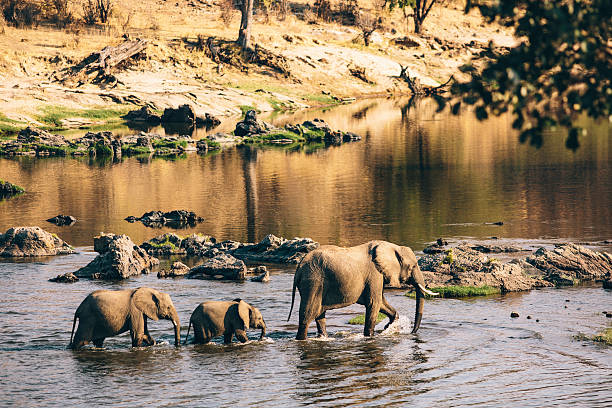
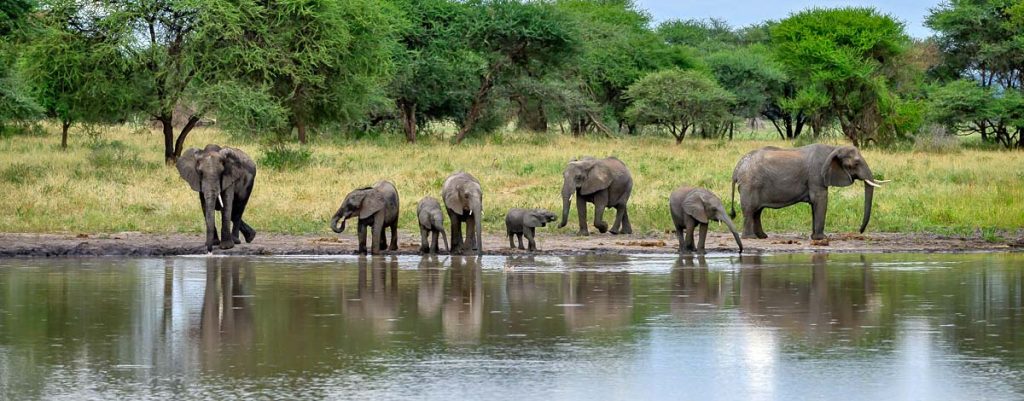
The park has both lesser and greater kudu. There are over 12,000 resident elephants and large numbers of hippos and crocodiles. As well as lion and leopard, predators include African hunting dogs, rare or locally extinct in many parks and reserves. Ruaha is located at the meeting point of the flora and fauna of eastern and southern Africa, and so has a combination of animals and plants found almost nowhere else. The best time to view large mammals is during the dry season, from May to December.
The lower vegetation makes animal-spotting easier when they are drawn to the river to drink. Sometimes, and increasingly frequently, the river stops flowing for part of the year and is reduced to a series of pools. Elephants dig for water with their tusks, and the possibility of seeing the full range of Ruaha’s game is increased. If you are here for the birds, then the wet season, which coincides with the time for winter migrants from the northern hemisphere, is best. The rains from January to April encourage the lush growth and wildflowers. Birds are abundant at this time, but animals are dispersed and more difficult to see.