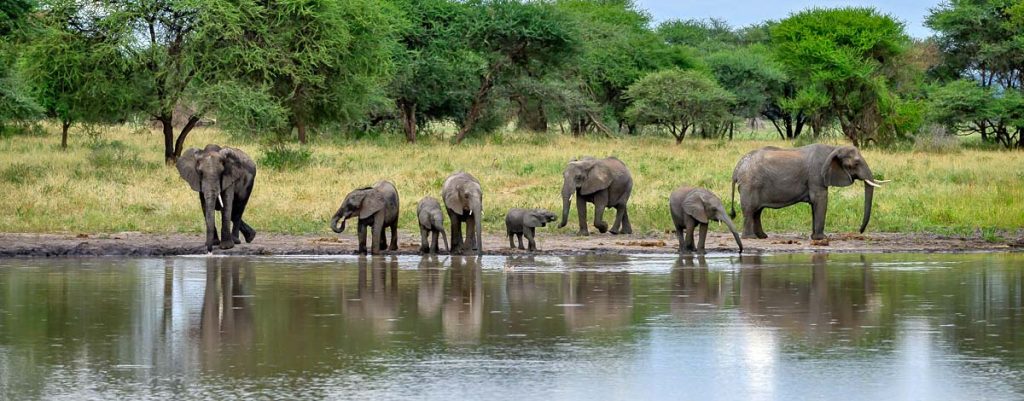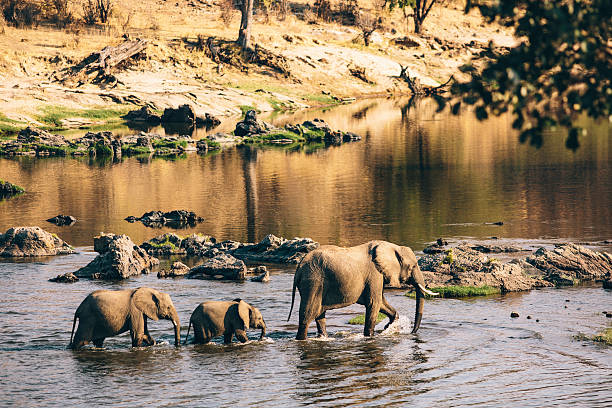
Nyerere National Park is an area of superlatives. At over 54,000sq km, it is bigger than many small countries, and it is the largest wildlife reserve in Africa. Its herds of many animals are enormous – its elephant population, for example, estimated at about 15,300 in 2020, is bigger than the entire elephant population of Kenya. As well as boasting the largest numbers of common animals, Nyerere National Park also has the largest herds of some of the rarer antelopes such as sable. Tanzania still allows limited and controlled hunting of wildlife, and Nyerere National Park is divided into two, a hunting reserve in the south, and a non-hunting reserve in the north. It is dominated by the great Rufiji River which flows through the reserve, providing life-giving water to its animals in the dry seasons, and dominating the ecosystem and the landscape
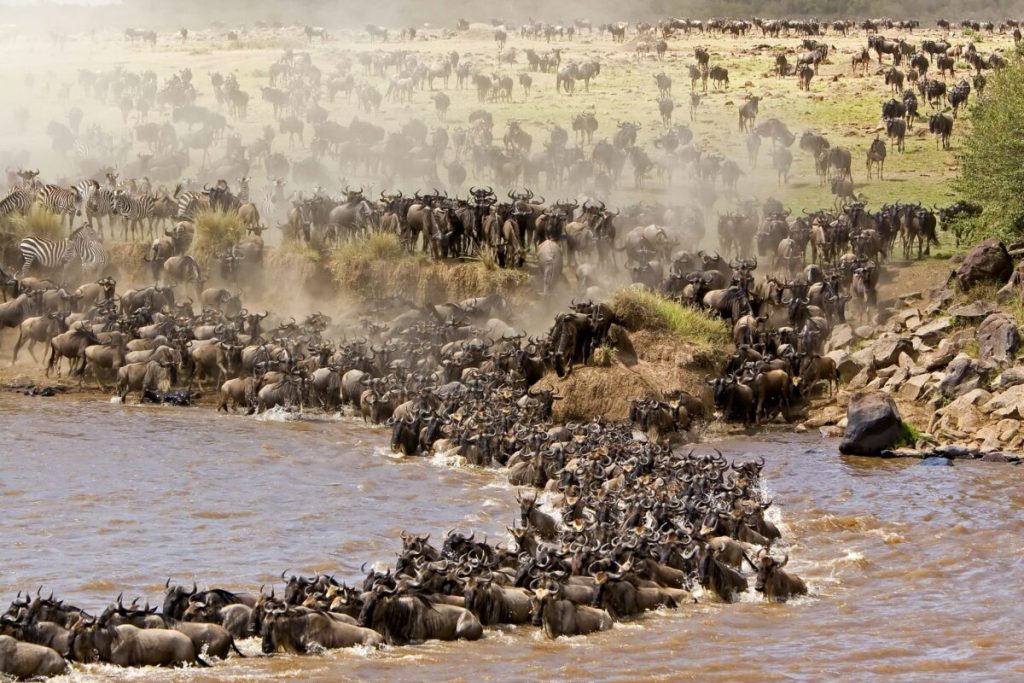
A word of warning is necessary after all the superlatives. Despite the enormous number of animals, and although Nyerere National Park is so huge, it is not the sort of place that is ‘teeming’ with animals (like Katavi or Tarangire in the dry season). Even though there are 15,500 elephants, it is possible to visit and see almost none. There are no great volcanoes or a Great Rift Valley, just enormous flat plains, the quintessential Africa. Rivers are sinuous and sleepy, except in the rains when they become raging torrents. Everything in the Nyerere National Park heat is gentle and languid. Safaris here proceed slowly, with only short morning walks and long lunches, followed by some quiet birdwatching from a boat, far removed from the ‘race’ around the northern circuit. The history of Nyerere National Park is unique in that it has been a ‘reserve’ since 1905, named after the famous (conservationists would say ‘infamous’) Frederick Courtney Selous, who was a professional hunter for 30 years.
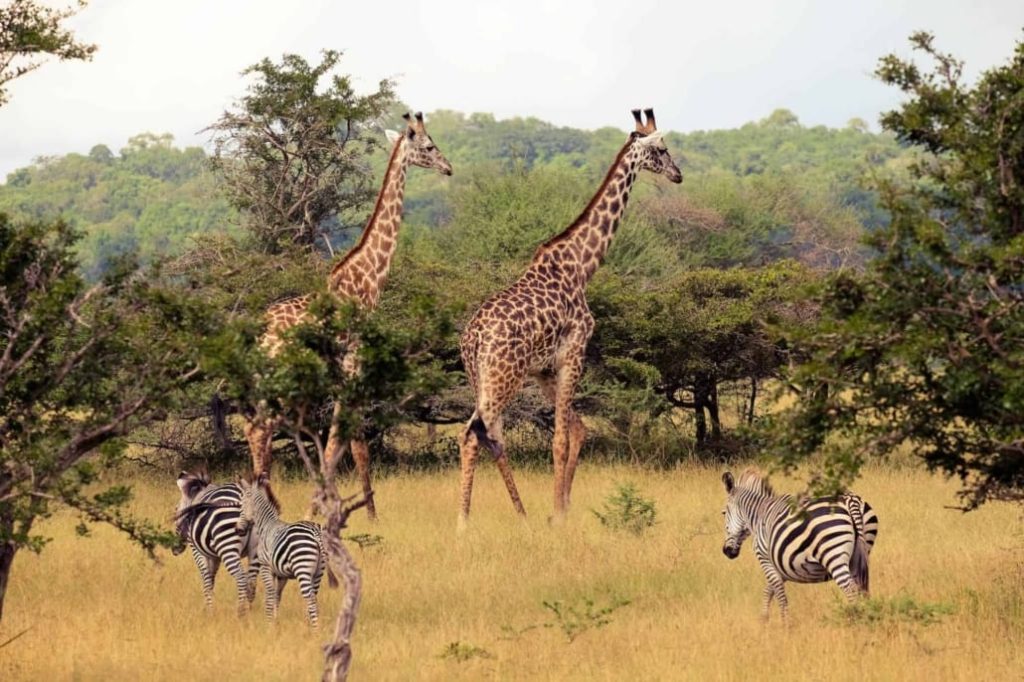
In spite of earlier reservations, the highlights, apart from the sheer size of the place and the ability never to see another Land Cruiser, still include the sheer animal numbers (about one million large mammals are in the reserve). There are over 200,000 buffalo and about 10 per cent of the world- population of elephants. There are 3,000-4,000 lions and many more generally unseen other cats. The reserve contains one of the biggest surviving gene pools of African wild dogs, which can be seen around the waterholes during the dry season. In addition, Lake Tagala has the world’s highest density of crocodiles. Similarly, although the landscape lacks drama, the vegetation of Nyerere National Park is remarkable. There is miombo (deciduous woodland), an ecosystem only exceeded in biodiversity by the rainforest. There is open grassland, rocky acacia-covered hills and palm woods; there are rivers, swamps and riverine woodland, a host of different habitats and ecosystems. Moreover, the Rufiji River rises 5m (16.4ft) during the rains and forms great lakes and swamps, superb for birdlife.
How to Access Nyerere National Park
You can access Nyerere National Park in more ways than most parks and reserves, and can even reach it by train. The Tazara railway runs through the reserve. However, most visitors arrive by air from Dar. It should be said that Nyerere National Park is not the sort of place where a backpacker can just turn up. It is a big, remote wilderness area, and that sort of facility does not exist. Also, in general, Nyerere National Park is not the sort of place for the inexperienced, and possibly poorly equipped, independent traveller. Distances are enormous. Boat safaris offer a different option. Usually these last half a day, and are based at Tagela. The river is hundreds of metres wide and splits up into numerous braided channels and lagoons, offering superb viewing of thousands of crocodiles and hippos. Bird-watching, especially of waterside species, is excellent, and of course, there is the chance to see any of the mammals that need to come down to drink, especially in the dry season.
The times to visit Nyerere National Park depend on the rain:
The Green Season is from mid-November to mid-June when the vegetation is lush and there are few visitors. There are more mosquitoes, and it is more difficult to see the animals.
The Dry Season is from mid-June to mid-November. The vegetation dries out, and the animals move near to permanent water. October is the best month of all.