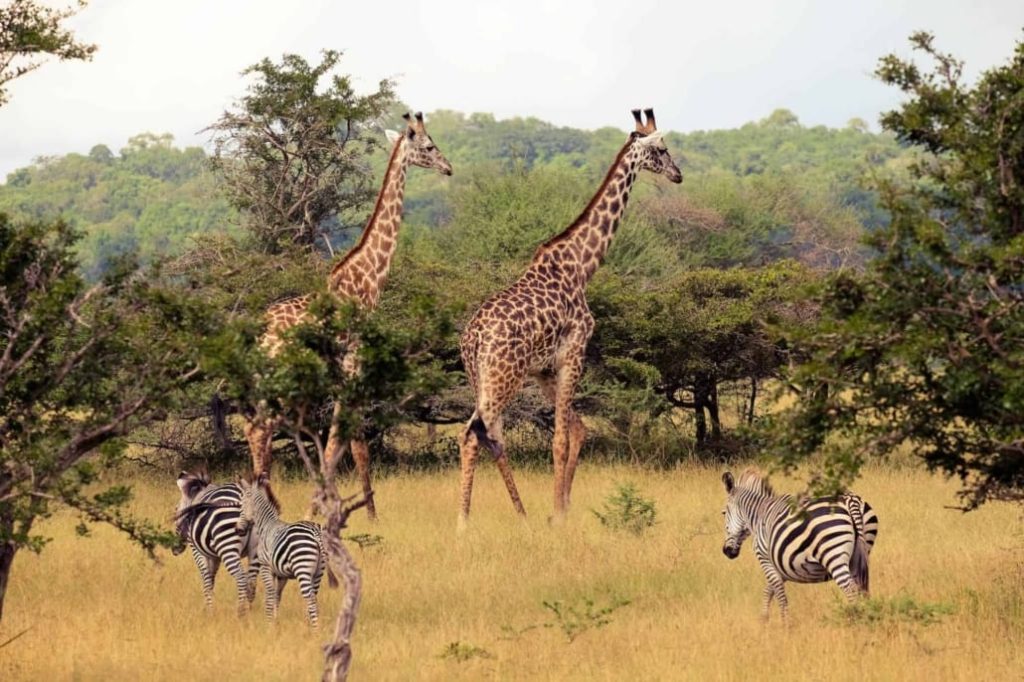
Tarangire National Park : Tarangire is located just over 170km south of Arusha off a tarmac road to Dodoma. The park occupies part of the rift valley south of Lake Manyara, and it enjoys a variety of habitats in its 2,860sq km, ranging from mixed savannah to low hills and extensive swampland. Dominating its ecosystem is permanent water, both in the southern swamps and along the Tarangire River. One feature, not unique, but certainly special to Tarangire is the thousands of ancient baobab trees both within and adjacent to the park. Although part of a migration system, and therefore with variable animal numbers at different times of the year, Tarangire has some of the highest game concentrations in Africa and is a fine place to view many species, including elephants and buffalo. Tarangire does not try to compete with Serengeti, however, it is the centre of a significant annual migration system all of its own
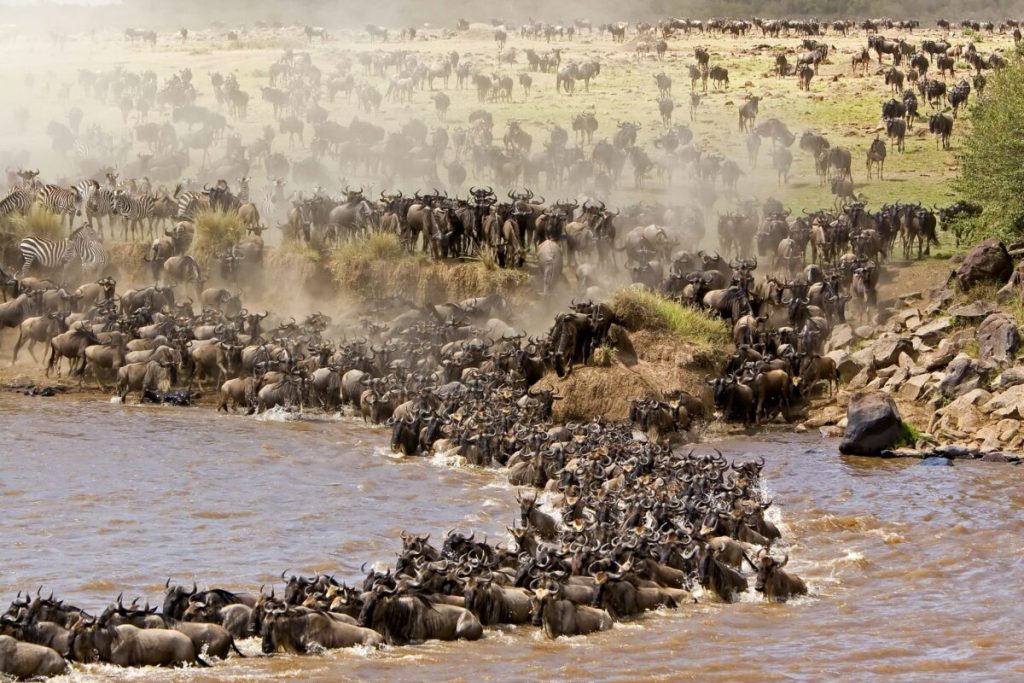
Animals in all areas tend to disperse during rains and times of plentiful water. In Tarangire the rains cause elephants, wildebeest, zebra and other large mammals to spread out. In the dry season, the reverse happens, and animals concentrate on the swamps. Dispersal occurs during the short rains (Nov-Dec) and the long rains (Apr-May). The dry periods, when animals are close to the swamps and the river are Feb-Mar and Jun-Oct. The migration system involves about 3,000 elephants, more than 20,000 wildebeest and roughly 30,000 plains zebras, as well as other animals such as eland and oryx.
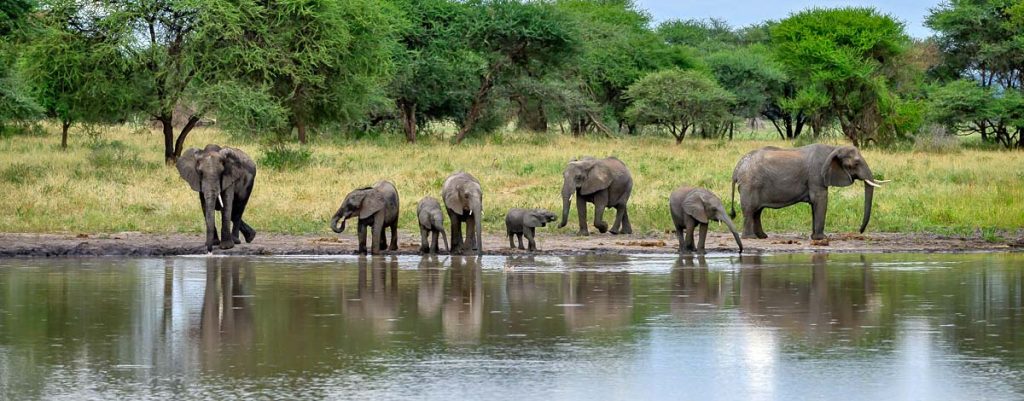
The Tarangire Swamps Ironically the best game-viewing areas, the swamps, have the least visitor accommodation, the poorest access, and therefore the fewest number of visitors. One even needs a special permit to go south of the Kuro ranger post. However, it does mean that the extra effort to get there is almost always worth it.
Gursi Swamp, in the northwest, is the most accessible and is said to be a location for the rare and elusive African hunting dog. Silale Swamp is next most accessible, and is a little more remote, but is great for birding, especially waterbirds. Lamarkau and Nguselororobi swamps are both much more remote and are seldom visited, but will give you an experience that you do not have to share with many others. If you are an independent traveller, always take a ranger, ideally with a radio, when you visit isolated places.
Tarangire Flowers
Any habitats with a seasonal rainfall regime are good places to see the wildflowers. These tend to occur in a rapid flush during and after the same rains which causes animal dispersions. Acquire a wildflower book and double your enjoyment during this time.
Viewing Elephants
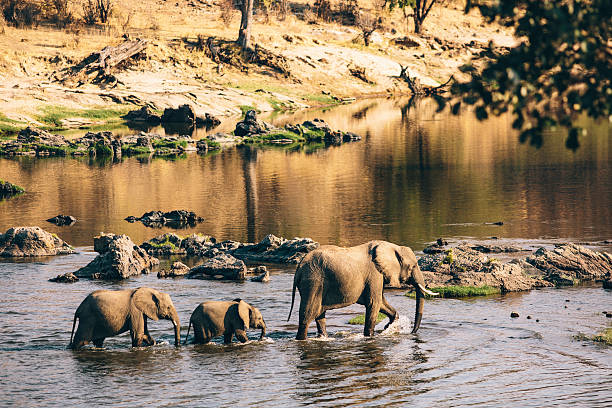
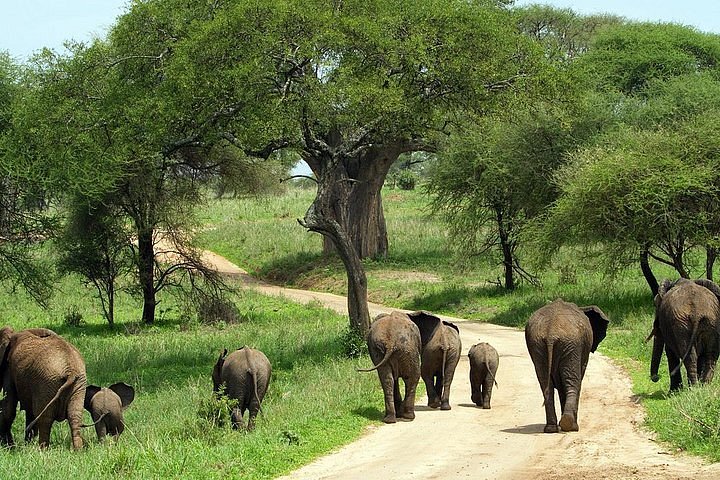
Learn a little about elephants and elephant society, and you will enjoy your viewing so much more. One has the best chance of viewing elephants during the dry season when their range is therefore more restricted. At that time, you are more or less guaranteed to see elephants near rivers and permanent swamps.