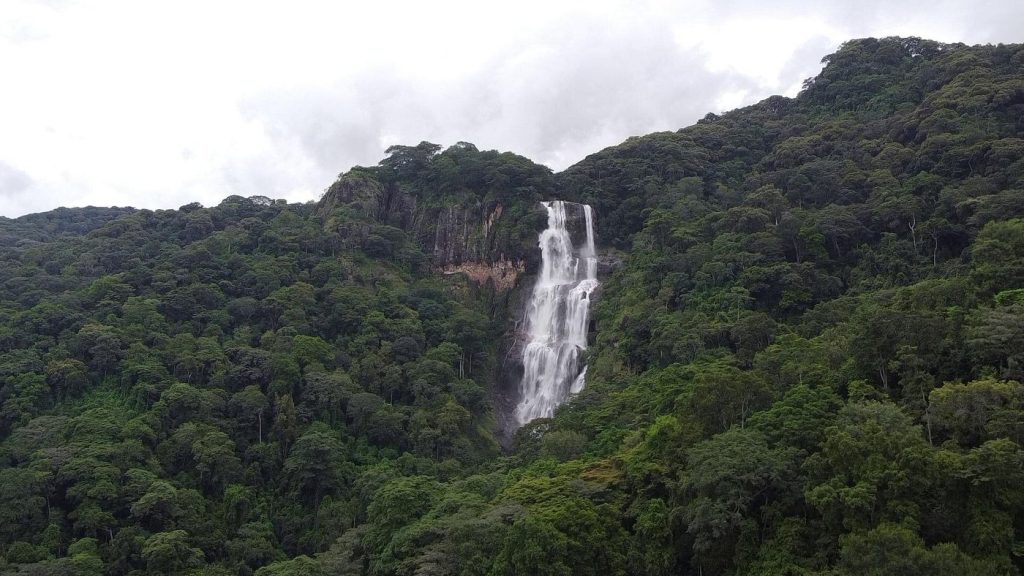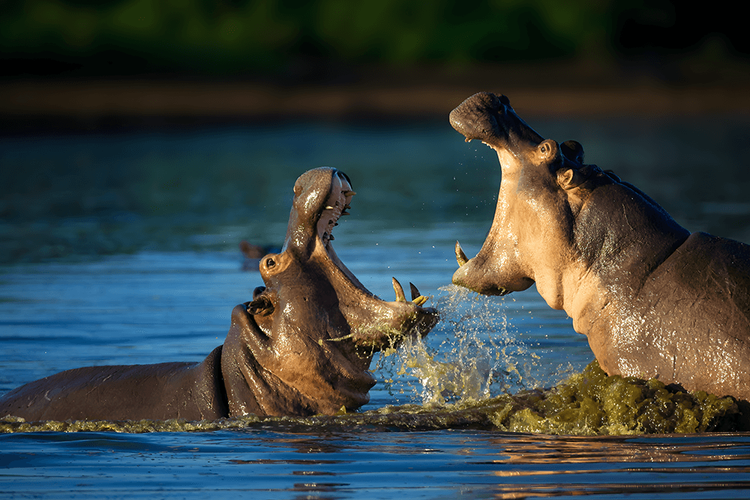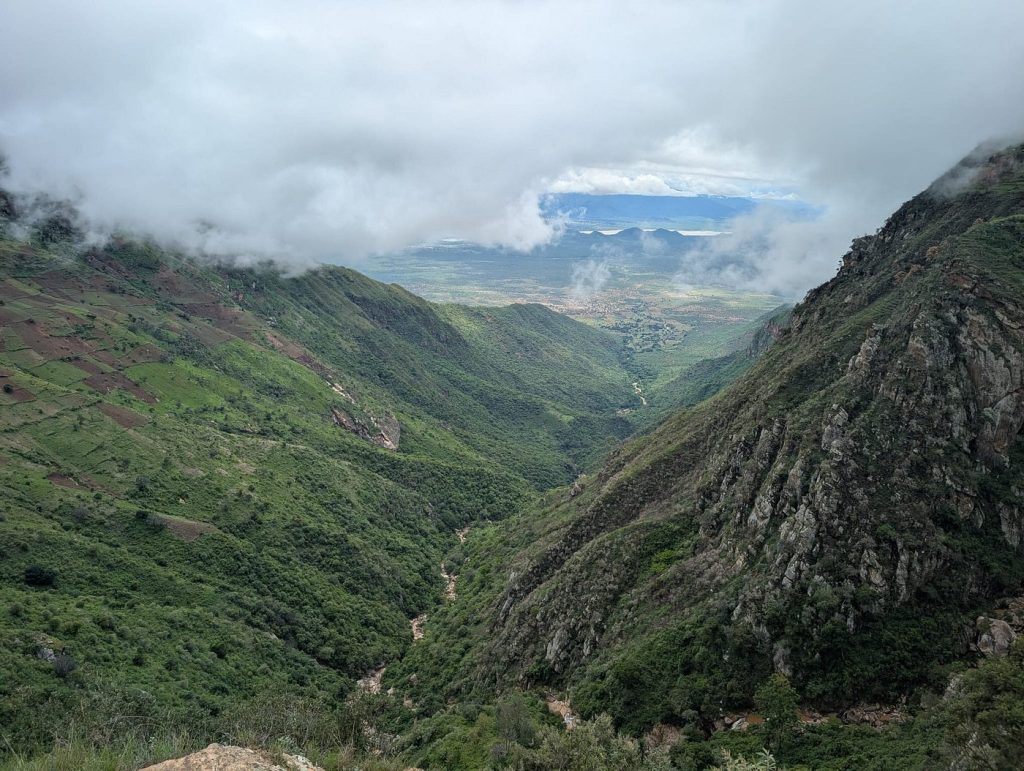
Tanzania teems with wildlife. With vast elephant herds around Ruaha and Tarangire parks, and the chimpanzee bands that frolic in the forests of the Mahale Mountains and Gombe Stream parks, the country is one of Africa’s premier wildlife-watching destinations. Few other places on earth host such an impressive collection of large animals supported by such a range of environmental and climatic conditions within such a geographical area.
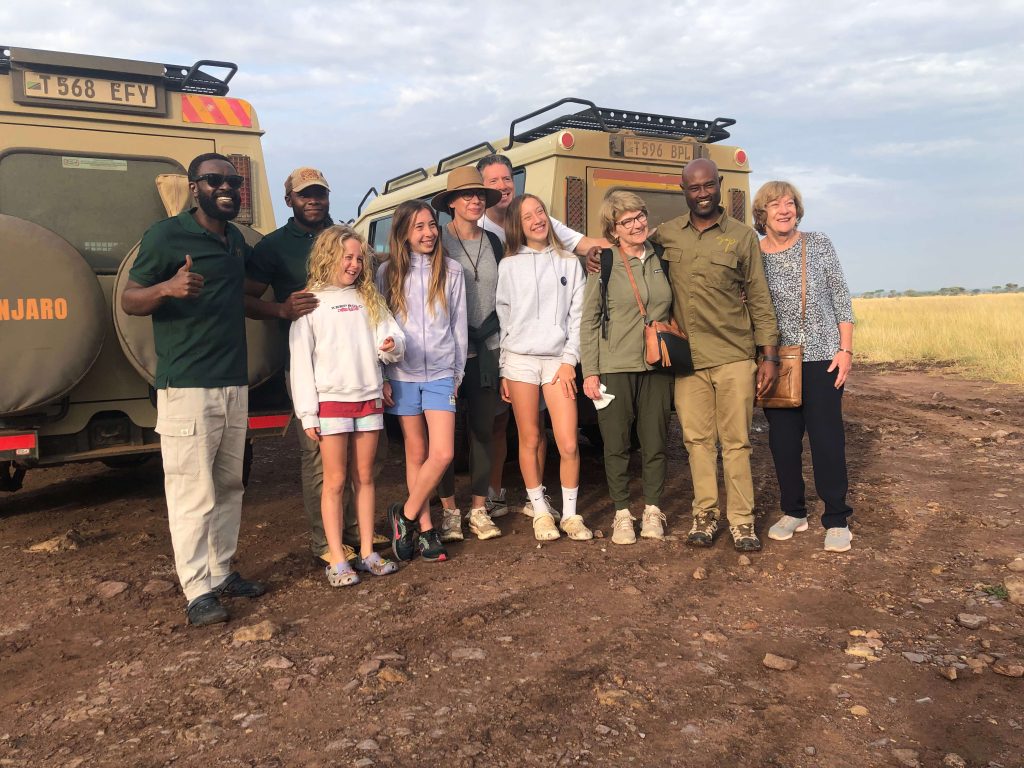
Tanzania Safari Tips:
While price can be a major determining factor in safari planning, there are other considerations that are just as important:
- Ambiance
Will you be staying inside the park or close by? (If you stay outside the park, you’ll miss out on the best wildlife viewing opportunities in the morning and evening.) Are the surroundings evocative? Will you be staying in a big resort or a small and budget, private camp?
- Safari and Mountain Equipment
Mediocre vehicles and equipment can significantly detract from the overall experience. On Kilimanjaro treks, inadequate equipment can mean the difference between reaching the summit or not, or worse.
- Access and activities
If you don’t relish the idea of hours in a 4WD on bumpy roads, consider parks and lodges where you can fly in. Parks and reserves where walking and boat safaris are possible are the best bet for getting out of the vehicle and into the bush.
- Safari and Mountain Guides
A good driver and guide can make or break your safari. Staff at reputable companies are usually knowledgeable and competent. Sometimes with borderline operators trying to cut corners, chances are that staff are unfairly paid, and are not likely to be particularly knowledgeable or motivated.
- Setting the agenda
Some tour guides feel that they have to whisk you from one good ‘sighting’ to the next. If your preference is to stay in one strategic place for a while to simply experience the environment and see what comes by, don’t hesitate to discuss this with your driver. Going off in wild pursuit of the ‘Big Five’ means you’ll miss the more subtle aspects of your surroundings.
- Extracurriculars
On the northern circuit, it’s common for drivers to stop at souvenir shops en route. While this gives the driver an often much-needed break from the wheel, most shops pay drivers commissions to bring clients, which means you may find yourself spending a lot more time souvenir shopping than you’d bargained for. If you’re not interested in this, discuss it with your driver at the outset of your safari, ideally while you’re still at the operator’s offices.
- Less is more
If you’ll be teaming up with others to make a group, find out how many people will be in your vehicle, and try to meet your traveling companions before setting off.
- Special interests
If bird-watching or other special interests are important, arrange a private safari with a specialized operator. Contact us for more details about bird watching safari.
Currently, 37% of Tanzania’s land is protected specifically for conservation purposes. Three categories of property are designated as protected: national parks, where requirements for preservation are the toughest; wildlife parks, where regulations for protection are the laxest; and wilderness regions (no inhabitants). There are also protected areas/conservation zones like the Ngorongoro Crater where inhabitants may live under certain conditions, and game reserves where hunting is authorized (the Maasai in particular).
Here are some of the preserved areas in Tanzania:
- Arusha National Park
Small park, at the gates of the city of Arusha. A beautiful colony of flamingos stays here at certain times of the year, on the shores of the Momella lakes and other famous lakes in the town.
- Kilimanjaro National Park
With thick wild forests, this park is primarily intended to serve as a natural protective belt for the roof of Africa, Mount Kilimanjaro, which rises to 5,895 m.
- Lake Manyara National Park
107 km south of Arusha. A park encompassing a large lake which is an integral part of the Great Rift Valley fault. 318 km2.
- Tarangire National Park
115 km south of Arusha, this 525 km 2 park extends over a magnificent landscape of African savannah dotted with acacias and baobabs (more numerous than elsewhere).
- Serengeti National Park
Tanzania’s largest park is home to breathtakingly beautiful landscapes and extremely varied wildlife. There lives the largest herd of wildebeest in the world.
- Ngorongoro Protected Region
180 km west of Arusha. 6,475 km2. The crater, the heart of the area, is the only place in Tanzania where you can see the “Big Five”, the five large mammals together: the elephant, the rhinoceros, the lion, the leopard, and the buffalo.
- Ruaha National Park
621 km west of Dar es Salaam. Difficult to access. About 13,000 km2. It is the second-largest park in Tanzania by size, after the Serengeti. And the first park in East Africa for its elephant population: 22,000 elephants in 1977, and around 4,000 in 1987. How many in 2015?
- Mikumi National Park
300 km west of Dar es Salaam. 4 hours of road only (a good road, not a track). Elephants, buffaloes, giraffes, lions, leopards, zebras, and all kinds of antelopes.
- Selous Game Reserve
8-hour drive from Dar es Salaam. Many Visitors fly there from Dar. The camps all have an airstrip. Selous is a huge piece of land in southern Tanzania. Delimited in 1922, this reserve still remains today as a place where hunting is practiced in the great sporting tradition (and nevertheless barbaric and stupid!) Glorified by Hemingway. Best period: June to November.
The best news is that many national parks are readily accessible to visitors, thanks to an enlightened conservation policy and an unparalleled collection of national parks and reserves. In the popular northern safari circuit around Arusha, the animals are often well habituated, and this, combined with some stunning topographical backdrops, makes for unforgettable safari memories.