West of Turkana, Kenya
This vast area, covering thousands of sq km to the borders with Sudan, Ethiopia and Somalia, is an explorer’s paradise hardly touched by the 20th century. The tribes which live here — the Samburu, Turkana, Rendille, Boran, Gabra, Merille and ElMolo — are some of the most fascinating people in the world. The whole area is a living ethnology museum. Like the Maasai, most of them have little contact with the modern world, preferring their own centuries-old traditional lifestyles and customs which bind members of a tribe together and ensure that each individual has a part to play. Many have strong warrior traditions and, in the past, it was the balance of power between the tribes which defined their respective areas..
As late as 1980 there was a clash between the Samburu and the Turkana over grazing land near South Horr which required army intervention. Since most of the tribes are nomadic pastoralists these sort of conflicts has a long history. Nevertheless, the settlement of disputes between the tribes is based on compensation rather than retribution so wholesale violence is a rare occurrence.
West of Turkana
From Kitale, the road north winds through the fertile highlands, passing the turn-off for the tiny Saiwa Swamp National Park (well worth a visit) before reaching Kapenguria, the town most famous for being the place where Jomo Kenyatta and five associates were held and tried in 1953 for their part in the Mau Mau Rebellion.
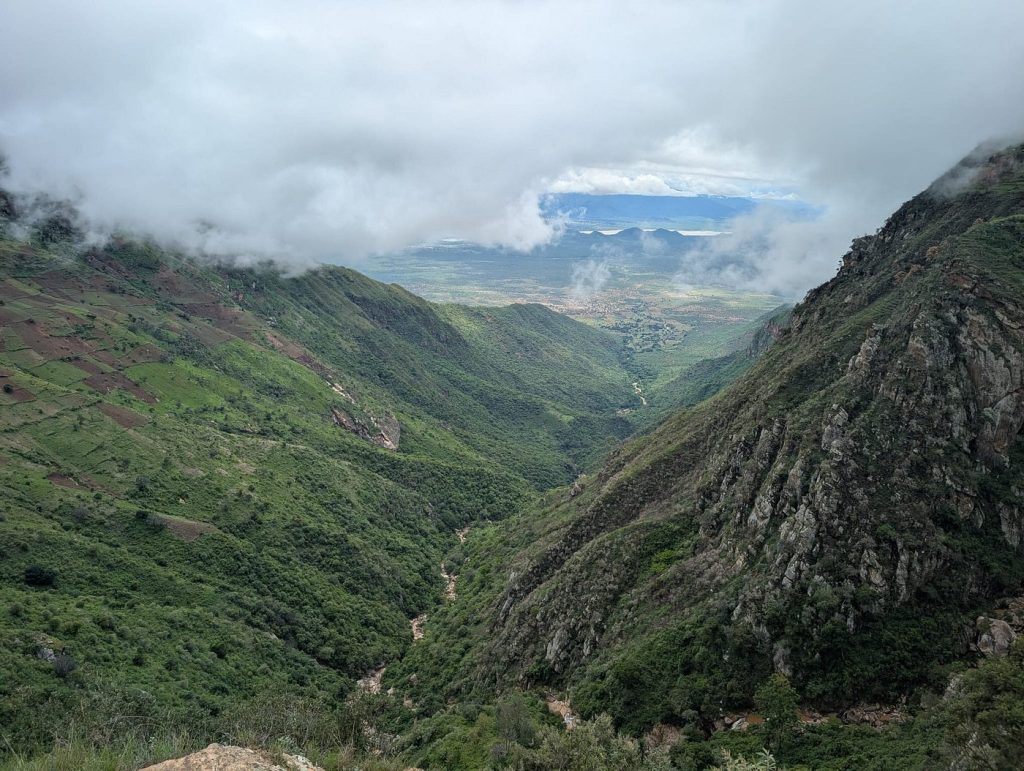
The road then snakes its way up along a forested ridge and through the narrow northern gorges of the Cherangani Hills, emerging on to the desert plains through the Marich Pass. The change in scenery is dramatic and there are some fantastic views of the plains. The only town in this part of the hills is Ortum, just off the road. If you want to stop and explore the area, there is basic accommodation in the town.
Shortly after Marich Pass is a turn-off to the left (west) to the Turkwel Gorge. It’s here that you’ll find the huge hydroelectric project which is destined to supply electricity to a large area of the densely populated highlands. After km of endless plains and dry creek beds, the town of Lokichar is little more than a collection of dismal Dukas by the side of the road. The heat here is oppressive and the settlement seems to be gripped by a permanent torpor.
Marich Pass Area
The main reason for visiting this area is to stay at the Marich Pass Field Studies Centre and use this as a base for a number of excursions in the area. Those with their own vehicles should bring sufficient supplies of petrol as there are no service stations between Kapenguria and Lodwar. If you intend walking in the vicinity then you need to be adequately prepared for a variety of weather conditions. A few km to the north-west, Mt Sekerr (3326 metres) can be climbed comfortably in a three-day round trip via the agricultural plots of the Pokot tribe, passing through forest and open moors. The views from the top are magnificent when the weather is clear.
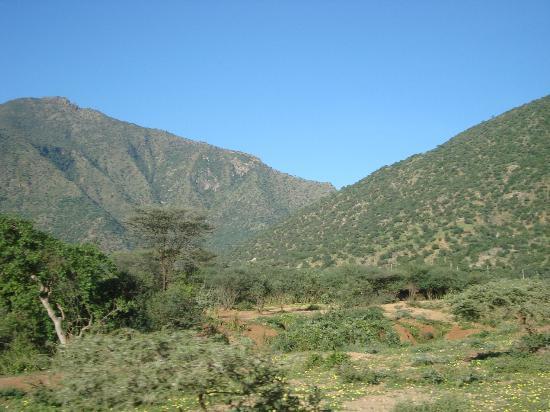
To the south are the Cherangani Hills, which offer some of the best hills walks anywhere in Kenya ranging from half-day excursions to week-long safaris by vehicle and on foot. Possibilities include a half-day walk along the old road perched high on the eastern side of the Marich Pass to a local Pokot trading centre; a hard day’s slog up the dome of Koh which soars some 1524 metres above the adjacent plains; a safari of several days’ duration along the verdant Weiwei Valley to Tamkal and then up to Lelan Forest and the main peaks of the Cherangani.
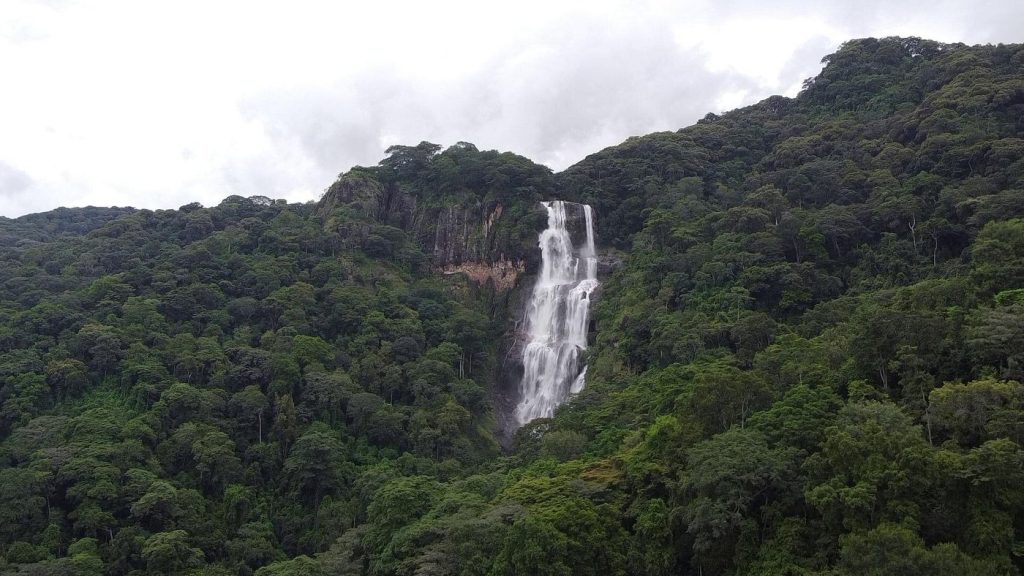
The Elgeyo Escarpment rises to more than 1830 metres in places above the Kerio Valley and offers spectacular views and waterfalls. It’s only 1 and a half hours away from the field studies centre along a road that passes through several local market centres and intensively farmed garden plots.
The South Turkana National Reserve in dry and rugged hills north-east of the field studies centre is the domain of Turkana herders and rarely visited by outsiders. The 50-km drive to get there traverses grazing lands of the pastoral Pokot. Lastly, the Turkwel Gorge hydroelectric station is only 30 km away along a fine tarmac road. Much of the gorge, with its towering rock walls, has not been affected by the construction, while the dam itself (the highest of its type in Africa) is spectacular.
Ferguson’s Gulf
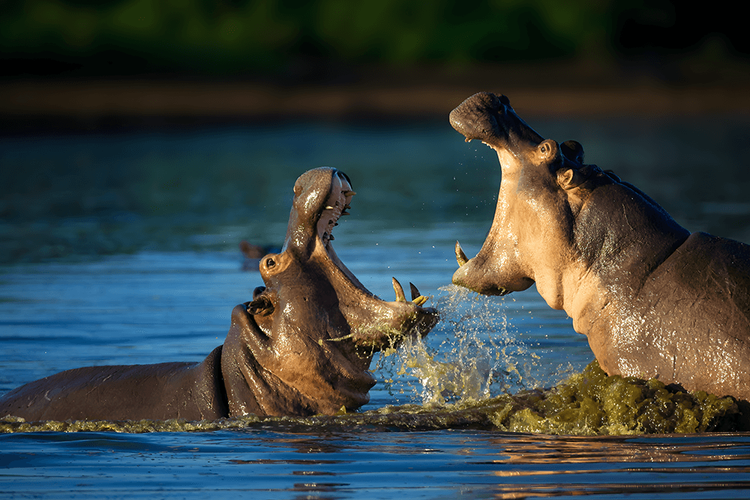
This is the most accessible part of the lakeshore and while it’s not particularly attractive, although the sense of achievement in just getting there usually compensates. The water has receded greatly, mainly due to drought in Ethiopia, so you have to walk a long way over the lake bed to actually get to the water. The birdlife along the shore is prolific. There are also hippos and crocodiles, so seek local advice before having a refreshing dip.
There’s a small fishing village of grass huts on the far side of the Turkana Fishing Lodge and that’s about the limit of development.
To get out on the lake you can hire the launches from the lodge to take you to Central Island National Park, a barren yet scenic volcanic island. By all accounts the trip is worthwhile but it’s not cheap. Talk to the fishers and they might take you out for a good deal less but make sure their craft is sound — the danger posed by the lake’s squalls is not to be taken lightly.
Eliye Springs
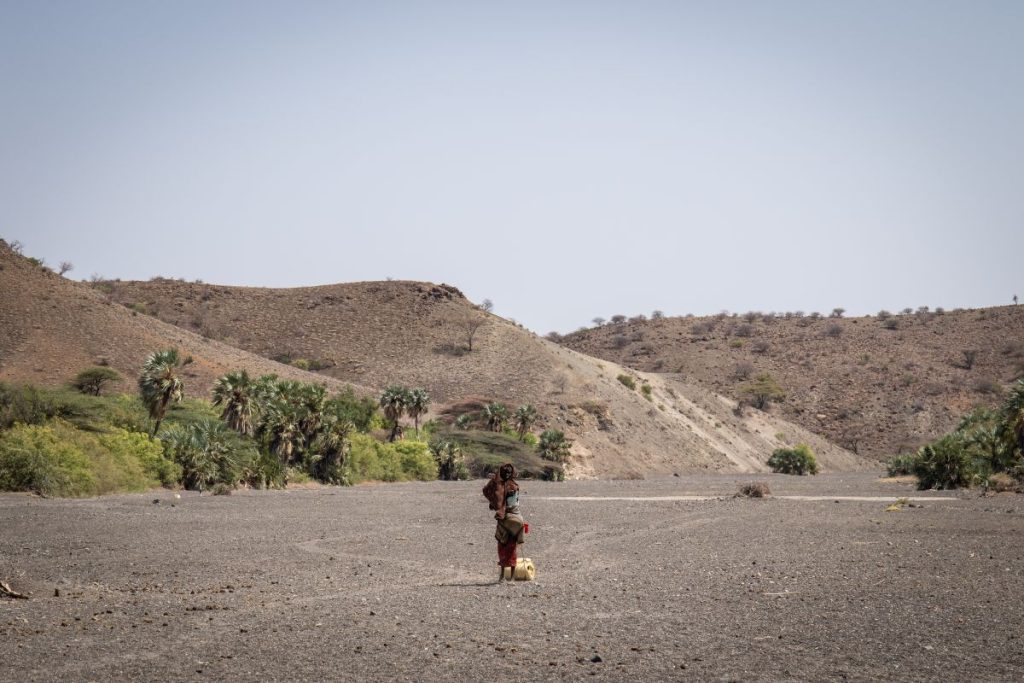
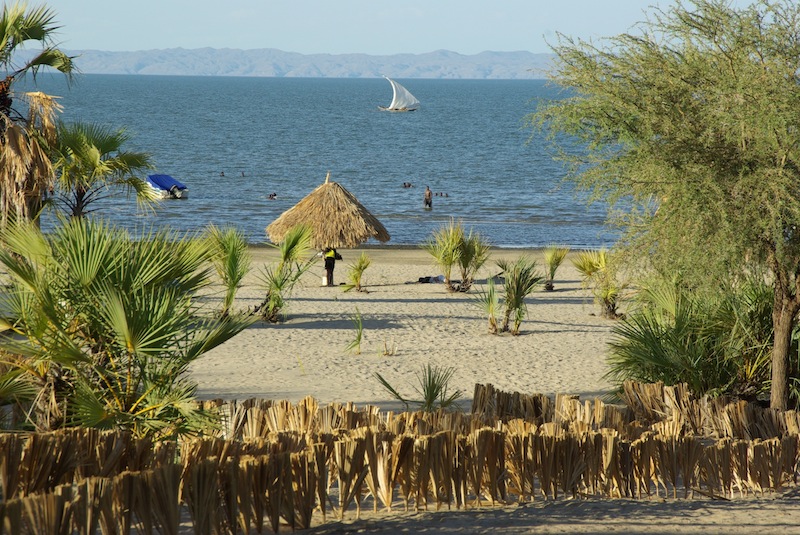
This is a far more attractive place than Ferguson’s Gulf but is inaccessible without a 4WD. The small village here has an army post, a couple of dozen grass huts, and a lodge which is of marginal status, to say the least. The springs, however, do provide moisture enough for a curious variety of palm tree (the doum palm) to grow here which gives the place a very misplaced tropical island feel. This particular palm tree has an unusually shaped fruit which the locals eat.
If you do make it here you will be greeted by a number of Turkana girls and young women selling trinkets at absurdly cheap prices. With an average of one vehicle a week, it’s a real buyer’s market. Items for sale might include fossilised hippo teeth and fish backbones threaded into necklaces.
Change is slowly coming to these people as a result of missionary activity (there is an incredible number of different Christian missions, schools and aid agencies, many of them in very remote areas), their employment as rangers and anti-poaching patrollers in national parks and game reserves, the construction of dams and roads, and the tourist trade. You may well be surprised, for example, to see a young man dressed smartly in Western-style clothes doing some business in a small town and then later on the same day meet him again out in the bush dressed in traditional regalia. It might even turn out that he’s a college student in Nairobi or much of the year. Pride in their heritages one thing these people are very unlikely to lose.
Yet, such examples of sophistication aside, not only are the people another world away from Nairobi and the more developed areas of the country but the landscapes are tremendous. Perhaps no other country in Africa offers such diversity.