Tour Code: SA-EN-010
| Number of Pax | 2 Adults | 4 Adults | 6 Adults |
|---|---|---|---|
| Price PP in USD $ | $ 4,183 pp | $ 3,546 pp | $ 3,334 pp |
The tour price includes everything except international flights, visas, and travel insurance. Accommodation is based on standard/midrange options, with flexibility to upgrade or downgrade to match your budget and style. Click the button below to book or customize this tour. Our experts will be ready to help you tailor your perfect journey.
Tour Highlights
- PICKUP FROM KILIMANJARO AIRPORT (JRO)
- DAY 1: TARANGIRE NATIONAL PARK
- DAY 2: TARANGIRE NATIONAL PARK TO KARATU
- DAY 3: SERENGETI NATIONAL PARK
- DAY 4: EXPLORE SERENGETI NATIONAL PARK
- DAY 5: SERENGETI NATIONAL PARK TO NGORONGORO CRATER
- DAY 6: LAKE MANYARA NATIONAL PARK
- DEPARTURE DAY
- TOUR COST
- INCLUDES:
- EXCLUDES:
- Frequently Asked Questions
All safari trips can be combined according to your preferences. You may choose one of our suggested itineraries or allow us to design a tailor-made safari in Tanzania that matches your interests and travel budget.
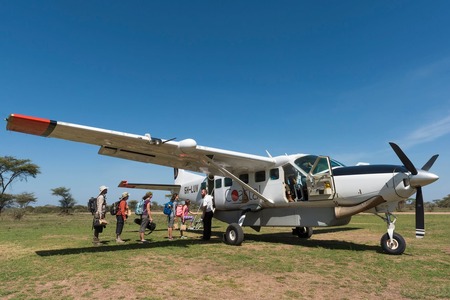
Our safari journeys in Tanzania can also be extended with additional nights in Arusha and combined with a relaxing beach holiday on the paradise island of Zanzibar, located in the Indian Ocean off the east coast of the country, or combined with Kenya’s Masai Mara and other national parks. For added convenience, we also arrange domestic flights for travelers who prefer to fly between Nairobi and Arusha, and Serengeti to Zanzibar.
All safari packages are organized into four accommodation categories to suit different budgets and travel styles. You can also mix accommodation levels throughout your itinerary, allowing you to customize your experience until it perfectly matches your budget and personal preferences. Below is our accommodation categories:
-
Luxury
This category includes only the very best hotels and lodges, designed for travelers who wish to indulge in premium comfort and experience the highest standards of accommodation available in Tanzania. It is ideal for those who want exceptional service, exclusive locations, and a truly luxurious safari experience.
-
Standard (Mid-range)
This is our most common safari option, featuring comfortable hotels and well-selected lodges at affordable prices. It is ideal for travelers who do not wish to pay for luxury but still want good-quality accommodation and a pleasant, comfortable stay during their safari experience.
-
Budget
This option is designed for travelers whose budget does not extend to the “Standard” category, but who still want to experience as many national parks as possible at an affordable price. Budget travelers place less emphasis on hotel quality and are comfortable staying in simple, clean, and basic accommodations with fewer facilities. This option is often ideal for young travelers or experienced adventurers, such as former backpackers, who prioritize experiences over luxury and comfort.
DAY by DAY ITINERARY
PICKUP FROM KILIMANJARO AIRPORT (JRO)
Upon arrival at Kilimanjaro International Airport, guests will be warmly welcomed and assisted with customs and immigration procedures before being transferred by road to Kibo Palace Hotel, where the journey offers the first scenic views of northern Tanzania. On arrival at the hotel, guests will check in and proceed to their rooms, with the remainder of the afternoon reserved for rest and relaxation after the journey. In the evening, a detailed safari briefing will be conducted to introduce the itinerary, key highlights, and important travel information for the days ahead. Dinner will be served at approximately 7:00–9:00 PM at the hotel restaurant, followed by an overnight stay at Kibo Palace Hotel in preparation for the safari experience ahead.
Accommodations:
🥈 Budget: Moivaro Lodge
🥇 Mid-Range: Kibo Palace
💎 Luxury: Gran Melia Hotel
DAY 1: TARANGIRE NATIONAL PARK
After breakfast at Kibo Palace Hotel between 6:30–7:30 AM, depart for Tarangire National Park in a comfortable 4×4 safari vehicle with your experienced driver-guide and enjoy a full-day game drive through the park’s diverse landscapes of riverine forests, open woodlands, floodplains, and iconic baobab-dotted savannahs. Following the wildlife-rich Tarangire River, you may encounter large elephant herds, giraffes, zebras, wildebeest, impalas, waterbucks, baboons, and a variety of birdlife, with chances to spot predators such as lions and leopards. Between 12:30–1:30 PM, enjoy a picnic lunch at the scenic Tarangire River picnic site while continuing to observe wildlife activity nearby. In the afternoon, explore more remote areas of the park in search of rare species such as gerenuk, fringed-eared oryx, and eland before enjoying a final game drive during the golden afternoon light. Later, exit the park and drive to Tarangire Sopa Lodge, where you will check in, relax, and take in the beautiful views of the Great Rift Valley escarpment. Dinner will be served between 7:00–9:00 PM, followed by an overnight stay at the lodge.
Accommodations:
🥈 Budget: Sangaiwe Tented Camp
🥇 Mid-Range: Tarangire Sopa Lodge
💎 Luxury: Tarangire Tree Top Lodge
DAY 2: TARANGIRE NATIONAL PARK TO KARATU
After an early breakfast at Tarangire Sopa Lodge between 6:30–7:30 AM, depart for your second full-day game drive in Tarangire National Park, exploring its varied habitats including the Tarangire River, open plains, woodlands, and seasonal swamps, where you may encounter large elephant herds, giraffes, zebras, buffalo, and various antelope species, along with predators such as lions and, with luck, cheetahs or leopards, while your guide assists with wildlife tracking, bird identification, and behavior interpretation throughout the morning. Around 12:30–1:30 PM, enjoy a picnic lunch at a scenic site inside the park, often under baobab trees, while continuing to observe nearby wildlife. In the afternoon, continue game viewing in quieter areas of the park before gradually exiting in the late afternoon, with possible sightings of additional species and varied landscapes along the way. Proceed with a scenic drive through the Great Rift Valley escarpment, with brief photo stops en route, before arriving in Moonbow Lodge in the evening for dinner between 7:00–9:00 PM and overnight stay, relaxing after a rewarding full day in Tarangire.
Accommodations:
🥈 Budget: Siafu Serenity Lodge
🥇 Mid-Range: Moonbow Lodge
💎 Luxury: Lake Manyara Serena Lodge
DAY 3: SERENGETI NATIONAL PARK
After breakfast at moonbow lodge between 6:30–7:30 AM, depart from Karatu and begin your journey toward Serengeti National Park, driving through the fertile Ngorongoro highlands with coffee plantations, terraced farms, and Maasai settlements, while your guide provides cultural and ecological insights along the route. Ascend toward the Ngorongoro Conservation Area, stopping at viewpoints over the crater rim for photography and landscape appreciation before continuing across the vast transitional landscapes into the Serengeti ecosystem. Along the way, enjoy a picnic lunch between 12:30–1:30 PM at a designated scenic site, with opportunities to observe plains wildlife such as giraffes, zebras, wildebeest, and gazelles as you enter open savannah terrain. In the afternoon, proceed with an en-route game drive across the Serengeti plains, focusing on wildlife tracking, with chances to see elephant herds, prides of lions resting under acacia trees, cheetahs scanning the horizon, and numerous bird species such as secretary birds and ostriches, while also learning about migration patterns and predator-prey dynamics. As the light softens in the late afternoon, continue deeper into the park with more game viewing and photography stops before arriving at Nyumbani collection camp for check-in, relaxation, and sunset views over the plains. Dinner is served between 7:00–9:00 PM, followed by an overnight stay surrounded by the sounds of the African wilderness.
Accommodations:
🥈 Budget: Sound of Silence Tented Camp
🥇 Mid-Range: Nyumbani Collection Camp
💎 Luxury: Serengeti Explorer Lodge
DAY 4: EXPLORE SERENGETI NATIONAL PARK
After an early breakfast at Nyumbani Collection Camp between 6:30–7:30 AM, depart for a full-day game drive in Serengeti National Park, the largest and one of the most ecologically significant wildlife reserves in the world. The morning is dedicated to exploring the endless savannah plains and rocky kopjes, where predators such as lions, cheetahs, and leopards are often seen resting, hunting, or scanning the horizon. You will also encounter elephants, giraffes, zebras, and antelope herds moving across the open grasslands in search of grazing areas. Around 12:30–1:30 PM, enjoy a picnic lunch at a designated safe site within the park, surrounded by the beauty of the Serengeti wilderness. In the afternoon, continue with a game drive during the cooler hours when wildlife becomes more active and predator-prey interactions are more likely. Depending on the season and migration movements, you may also witness the spectacular Great Migration, where millions of wildebeest, zebras, and gazelles move across the plains in search of fresh pasture. This natural phenomenon is one of the most impressive wildlife events on earth and may include dramatic river crossings or vast herds stretching across the horizon. After a rewarding safari experience, return to nyumbani collection camp in the evening for dinner between 7:00–9:00 PM, followed by an overnight stay in the heart of the Serengeti.
Accommodations:
🥈 Budget: Sound of Silence Tented Camp
🥇 Mid-Range: Nyumbani Collection Camp
💎 Luxury: Serengeti Explorer Lodge
DAY 5: SERENGETI NATIONAL PARK TO NGORONGORO CRATER
The day begins at around 6:30-7:30 AM with an early breakfast followed by morning game drive in Serengeti National Park, focusing on predator activity at dawn such as lions returning from hunts, cheetahs scanning the plains, and hyenas moving through the early light, along with elephants, giraffes, zebras, and wildebeest across the savannah, kopjes, and river areas. Continue wildlife viewing and photography before departing the Serengeti and entering the Ngorongoro Conservation Area by late morning. On arrival, stop at crater rim viewpoints for panoramic views and explanation of the crater’s geology, wildlife density, and ecosystem importance. Continue with highland exploration, including forest zones, open grasslands, and Maasai grazing areas, with chances to spot elephants, buffalo, zebras, antelopes, and rich birdlife. Around 12:30–1:30 PM, enjoy a picnic lunch at a scenic crater or highland viewpoint. After lunch, continue a relaxed drive with short photography and wildlife stops before exiting the conservation area. In the late afternoon, arrive in Karatu for dinner between 7:00–9:00 PM and overnight stay at Acacia Farm Lodge in the Ngorongoro foothills.
Accommodations:
🥈 Budget: Karatu Villas Lodge
🥇 Mid-Range: Acacia Farm Lodge
💎 Luxury: Ngorongoro Oldeani mountain Lodge
DAY 6: LAKE MANYARA NATIONAL PARK
After breakfast between 6:30–7:30 AM in Acacia Farm Lodge, depart for a full-day game drive in Lake Manyara National Park, exploring its diverse habitats of groundwater forest, open savannah, acacia woodland, and lakeshore areas where you may see elephants, giraffes, baboons, hippos, and rich birdlife including flamingos when conditions allow. Continue through different park circuits, visiting scenic viewpoints along the Rift Valley escarpment, forest zones, and lakeshore edges for wildlife viewing and photography. Around 12:30–1:30 PM, enjoy a picnic lunch inside the park at a designated scenic site overlooking the lake or forest. After lunch, proceed with an afternoon game drive focusing on birdwatching, forest wildlife, and lakeside activity before exiting the park in the late afternoon. Continue the drive to Arusha, arriving in the evening at Kibo Palace Hotel for dinner between 7:00–9:00 PM and overnight stay in the city.
Accommodations:
🥈 Budget: Moivaro Lodge
🥇 Mid-Range: Kibo Palace
💎 Luxury: Gran Melia Hotel
DEPARTURE
After breakfast at Kibo Palace Hotel, enjoy a relaxed morning depending on your flight schedule, with time to unwind, pack, and reflect on your safari experience. Later, you will be met by your driver-guide for a transfer to Kilimanjaro International Airport, passing through the scenic countryside and views of Mount Meru and Mount Kilimanjaro on a clear day. Upon arrival at the airport, proceed with check-in and departure formalities for your international flight back home, marking the end of your safari journey in Tanzania.
TOUR COST
Tour Code: SA-EN-010
| Number of Pax | 2 Adults | 4 Adults | 6 Adults |
|---|---|---|---|
| Price PP in USD $ | $ 4,183 pp | $ 3,546 pp | $ 3,334 pp |
The tour price includes everything except international flights, visas, and travel insurance. Accommodation is based on standard options, with flexibility to upgrade or downgrade to match your budget and style. Click the button below to book this tour. Our experts will be ready to help you tailor your perfect journey.
Payment:
- 30% is paid in advance, and the remaining 70% is due no later than 14 days before the safari starts.
- It typically takes up to 5 banking days for the payment to reach our bank in Tanzania.
- Please email contact@safariasap.com as soon as the payment has been made.
- Use your name as the reference for the payment/bank transfer.
Travel Conditions:
- Follow the link to our website for more information.
INCLUDES:
- All activities unless indicated as optional
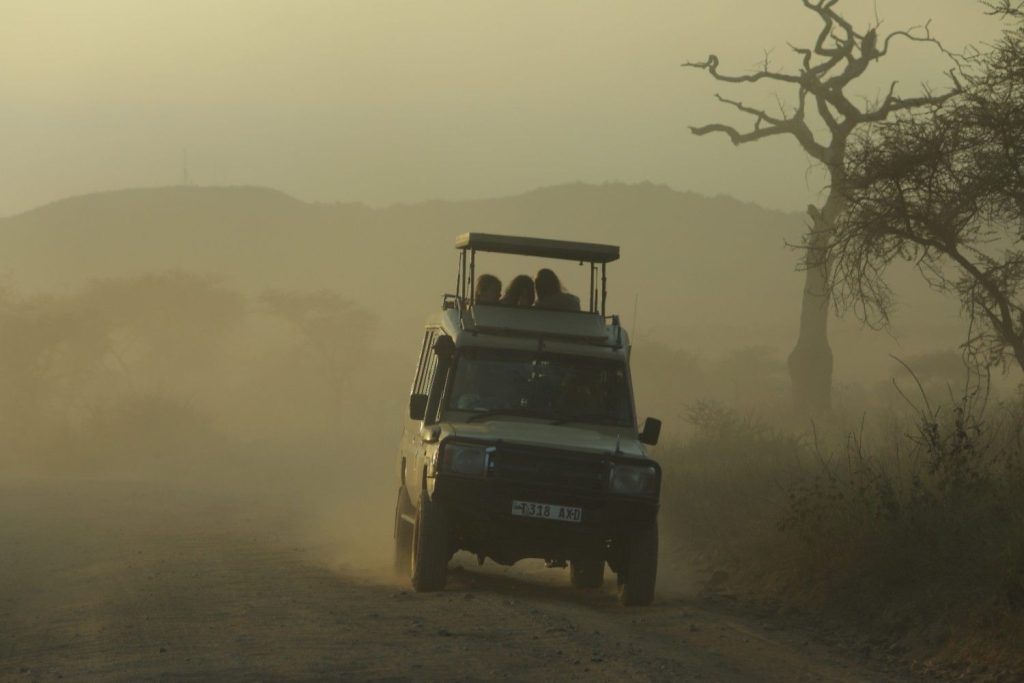
- 4×4 Safari vehicle with a pop-up roof for the best wildlife viewing
- Meals as specified in the day-by-day section
- All park fees
- All accommodation during the safari (As specified in the itinerary)
- Drinking water (on all days)
- Taxes/VAT
- Professional guide
- Electricity Sockets and refrigerators on our Safari Vehicle
- All transportations unless labeled as optional
- Government taxes
- Transfer to, and from Kilimanjaro international airport or Arusha airport
EXCLUDES:
- International and Domestic Flights
- Flying Doctors Coverage (Optional @ US$50 per person for a period of 14 days)
- Personal items (Souvenirs, Insurances, Visa fees etc.)
- Travel insurance, cancellation protection, vaccinations, and personal equipment
- Tips for the driver who is also the guide or a translator (recommended tip 20–30 US dollars per day)
- Alcoholic and Soft drinks
- Optional Activities
- Shopping
Frequently Asked Questions
What is the best time to go on safari in Tanzania?The best time to visit Tanzania is during the main dry season, from June to October. During this period, rainfall is minimal, making travel across national parks easier and ensuring excellent wildlife viewing as animals gather around remaining water sources. While the rainy seasons bring lush green landscapes, they can also make some roads and trekking trails more challenging due to mud and slippery conditions, especially in remote areas.
How many days do I need for a safari in Tanzania?
The ideal number of days for a safari in Tanzania depends on the experience you want, but here is a clear guide:
A minimum of 3–4 days is enough for a short safari, usually covering one or two parks such as Tarangire and Ngorongoro Crater. This is suitable for travelers with limited time. However, a more complete and rewarding safari experience is 6–10 days, which allows you to explore Tanzania’s top destinations at a relaxed pace, including Serengeti, Ngorongoro Crater, Tarangire, and sometimes Lake Manyara.
If you want to experience the Great Wildebeest Migration or go deeper into remote areas of the Serengeti, a longer itinerary of 10–12 days or more is highly recommended.
What Animals will I see on safari?
On a Tanzania safari, you can expect to see an incredible variety of wildlife, including the famous Big Five: lion, elephant, leopard, buffalo, and rhinoceros. In addition to these iconic animals, you will often encounter giraffes, zebras, wildebeest, hippos, crocodiles, cheetahs, hyenas, and jackals roaming freely in their natural habitats. Tanzania is also a paradise for bird enthusiasts, with over 1,000 species recorded, including flamingos, eagles, ostriches, and brightly colored kingfishers. The exact sightings depend on the park and season, but destinations such as the Serengeti, Ngorongoro Crater, and Tarangire National Park consistently offer some of the best and most diverse wildlife viewing experiences in Africa.
Is Tanzania safe for safari travel?
Yes, Tanzania is generally very safe for safari travel, especially when you book with a reputable tour operator like Safari ASAP and travel with experienced guides. Tourism is one of the country’s most important industries, and national parks are well managed with trained rangers and regulated visitor access. During game drives and lodge stays, safety standards are high, and guides are always there to ensure you follow park rules and stay safe around wildlife. As with any travel destination, it is always recommended to take normal precautions, but overall Tanzania is considered one of the safest and most rewarding safari destinations in Africa.
What should I pack for a safari?
For a safari in Tanzania, it’s best to pack light, practical, and comfortable clothing suited for changing temperatures. Neutral-colored clothes such as beige, khaki, green, and brown are ideal, as they help you blend into the environment and avoid attracting insects, especially tsetse flies. You should also bring comfortable walking shoes or boots, a wide-brim hat, sunglasses, and sunscreen for protection during game drives. A light jacket or fleece is important for early morning and evening drives, as it can get chilly. Other essentials include insect repellent, binoculars for wildlife viewing, a good camera, and personal medications. It’s also advisable to pack a small backpack for daily safari use and avoid heavy luggage due to vehicle space limitations.
Are Safari Asap safaris private or shared??
All Safari Asap safaris are private. We specialize in personalized experiences with dedicated guides, private vehicles, and itineraries tailored to your interests and pace. We do not offer shared or joining safaris, as they can be difficult to coordinate in Tanzania due to different accommodation choices, budgets, and travel preferences. Shared safaris often involve multiple hotel pick-ups, reducing valuable game-viewing time and affecting the overall experience. With a private safari, you enjoy greater flexibility, comfort, and a smoother, more rewarding wildlife experience.
Do I need a visa to visit Tanzania?
Yes, most international travelers need a visa to visit Tanzania. The visa can be obtained either online through the official e-visa system before arrival or on arrival at major entry points such as airports and border crossings, depending on your nationality. A standard tourist visa usually costs USD$ 50, and it is valid for up to 90 days and is suitable for safari and holiday travel. It is always recommended to check the latest visa requirements based on your nationality before traveling, as rules may change.
Can I see the Great Wildebeest Migration?
Yes, you can see the Great Wildebeest Migration in Tanzania or the Masai Mara in Kenya, and it is one of the most spectacular wildlife experiences in the world. The migration is a continuous movement of over a million wildebeest, along with zebras and gazelles, traveling through the Serengeti ecosystem in search of fresh grazing and water.
The exact location of the herds changes throughout the year, so different regions of the Serengeti offer different highlights depending on the season. For example, the southern Serengeti is famous for the calving season between January and March, while the western and northern Serengeti are known for dramatic river crossings around the Grumeti and Mara Rivers between June and October. Because the migration is year-round and always moving, with the right timing and planning, it is possible to witness this natural wonder in Tanzania at different stages throughout the year.
Is tipping expected on safari in Tanzania?
Yes, tipping is customary and appreciated in Tanzania’s safari industry, as it is a way to show gratitude for good service. While it is not compulsory, it is a widely accepted practice for guides, drivers, and lodge staff who work hard to make your experience enjoyable. As a general guide, many travelers tip their safari guide at the end of the trip, 20 USD per person per day for the guide, and smaller amounts are also often given to lodge or camp staff through a shared tipping box. The exact amount depends on the level of service and your satisfaction, but your tour operator can always advise you on appropriate and fair tipping guidelines.
What are safari vehicles like during a safari in Tanzania?
Our safari vehicles are 4×4 Toyota Land Cruisers equipped with charging sockets for phones and cameras, air conditioning for comfort, and a built-in cool box stocked with free drinking water for guests throughout the safari.
How can I personalize my Tanzania trip with your services?
At Safari Asap, every trip is tailor-made to match your interests, travel style, and budget. Whether you are interested in wildlife safaris, the Great Migration, cultural experiences, hiking, beach relaxation in Zanzibar, or a combination of activities, we can design an itinerary specifically for you. You can choose your preferred accommodation standard, travel pace, activities, and destinations, while our experienced local team takes care of all the logistics to create a seamless and memorable Tanzania experience.
What can I expect from a safari in Tanzania with Safari Asap?
Expect unforgettable wildlife encounters, breathtaking landscapes, and expert guidance throughout your journey. Your safari will include game drives in Tanzania’s famous national parks, opportunities to see the Big Five and other incredible wildlife, comfortable accommodations, and a private guide dedicated to your experience. At Safari Asap, we focus on personalized service, flexible itineraries, and authentic local knowledge to ensure your safari is both seamless and memorable from arrival to departure.
How sustainable is safari travel with Safari Asap?
At Safari Asap, sustainability is at the heart of every safari experience. We are committed to responsible tourism that protects Tanzania’s wildlife, preserves natural habitats, and supports local communities. Our safaris are designed to minimize environmental impact by working with eco-friendly lodges, reducing unnecessary waste, and encouraging respectful wildlife viewing practices. We also actively support community-based projects, cultural experiences, and local employment, ensuring that tourism directly benefits the people living near the parks. By traveling with Safari Asap, guests are not only experiencing the beauty of Tanzania but also contributing to conservation and long-term sustainability efforts.
What is a typical day like on safari?
A typical safari day in Tanzania follows the rhythm of nature. In the morning, you start early with a game drive when animals are most active, and the light is perfect for photography. Around noon, you can return to the lodge or camp for lunch and some rest or continue with a game drive. In the afternoon, you head back into the park for another game drive, exploring different areas and spotting more wildlife. In the evening, you enjoy sunset views over the savannah before returning to camp. At night, you have dinner and relax around the campfire or in your lodge, often listening to the sounds of the African bush under the stars.
Can I combine a Tanzania safari with Kenya’s Maasai Mara?
Yes, you can easily combine a Tanzania safari (Serengeti) with Kenya’s Maasai Mara in one trip. Both parks are part of the same Serengeti–Maasai Mara ecosystem, so wildlife, especially the Great Wildebeest Migration, moves between them depending on the season. Travelers usually connect the two destinations by flight between Serengeti airstrips and the Maasai Mara, or by road through the Isebania border. This combination offers a richer safari experience with diverse landscapes, cultures, and incredible wildlife sightings in both countries.
Which airport should I use to land for a safari in Tanzania?
The main airport to start your safari in Tanzania is Kilimanjaro International Airport (JRO), located between Arusha and Moshi. It is the most convenient gateway for safaris to Serengeti, Ngorongoro Crater, Tarangire, and Lake Manyara.
Alternatively, you can also fly into Julius Nyerere International Airport (DAR) in Dar es Salaam or Abeid Amani Karume International Airport (ZNZ) in Zanzibar, depending on your travel route. From these airports, you can connect to safari destinations via domestic flights or road transfers. For most safari itineraries, Kilimanjaro Airport is the best and most recommended entry point for a smooth and efficient start to your Tanzania adventure.
Let us create your tailor-made trip
Our local safari experts are happy to help you plan the perfect African safari.