
Table of Contents
- Ruaha National Park, Tanzania
- Udzungwe Mountains National Park, Tanzania
- Tarangire National Park, Tanzania
- Serengeti National Park, Tanzania
- Selous Game Reserve, Tanzania
- Saadani National Park, Tanzania
- Ngorongoro Crater, Tanzania
- Mikumi National Park, Tanzania
- Mahale National Park, Tanzania
- Lake Manyara National Park, Tanzania
- Katavi National Park, Tanzania
- Gombe Stream National Park, Tanzania
- Arusha National Park, Tanzania
- Frequently Asked Questions
To stay closer to the safari experience, we specialize in northern Tanzania in the Arusha region as well as the Dar es Salaam region in eastern Tanzania. This allows us to focus mainly on the most iconic national parks around Arusha, including Serengeti, Ngorongoro Crater, Lake Manyara, Tarangire, Arusha National Park, Mount Kilimanjaro, Lake Natron and Lake Eyasi.
The safari areas around Arusha are among the most wildlife rich regions in the world supported by excellent road networks and close access to Kilimanjaro International Airport JRO only about a 45 minute drive away. This airport is served by major international airlines such as KLM, Ethiopian Airlines, Qatar Airways and Turkish Airlines among others. Many travelers also choose to spend a night in Arusha to rest and recover after long international flights before starting their safari adventure.
Most guests combine several national parks within a single safari itinerary. For the best experience it is often recommended to begin with lighter wildlife areas such as Arusha National Park before continuing to highlights like the Serengeti and the Ngorongoro Crater. Each park however offers its own unique landscapes and character. For travelers with limited time or budget who still want maximum wildlife viewing the Ngorongoro Crater is a must visit it is often called Africa’s Noah’s Ark due to its dense and diverse animal population inside the crater.
Travelers with back issues or those who prefer more comfort should note that reaching the Serengeti can involve long journeys on rough roads. While safari jeeps are well equipped the drive can be demanding especially during or after the rainy season when dirt roads become more challenging. In such cases scheduled safari flights are a comfortable and time saving alternative. Inside the parks roads are unpaved by regulation and are maintained by grading but conditions can still become quite rough depending on the season.
Ruaha National Park, Tanzania
Between the Njombe and Ruaha Rivers in central Tanzania lies a truly unique corner of Africa known as Ruaha National Park. Protected since 1910, Ruaha remained largely inaccessible for many years, which has helped preserve its raw and untouched wilderness. Today it is known for its rugged beauty, dramatic landscapes, and is considered one of the most fascinating national parks in Africa.
Together with Rungwa Game Reserve and Usangu Game Reserve, Ruaha sits within an important ecological transition zone. This rare positioning allows both southern and northern African flora and fauna to coexist, making the ecosystem especially diverse and unique. Despite this richness, Ruaha National Park still receives relatively few visitors, offering an exclusive and remote safari experience.
The Ruaha River winds its way through the park, cutting through rocky formations and shaping the landscape. During the dry season, the river becomes a vital lifeline for wildlife, drawing animals from across the park. The scenery is a striking mix of mountain ranges, deep ravines, river systems, and vast open plains.
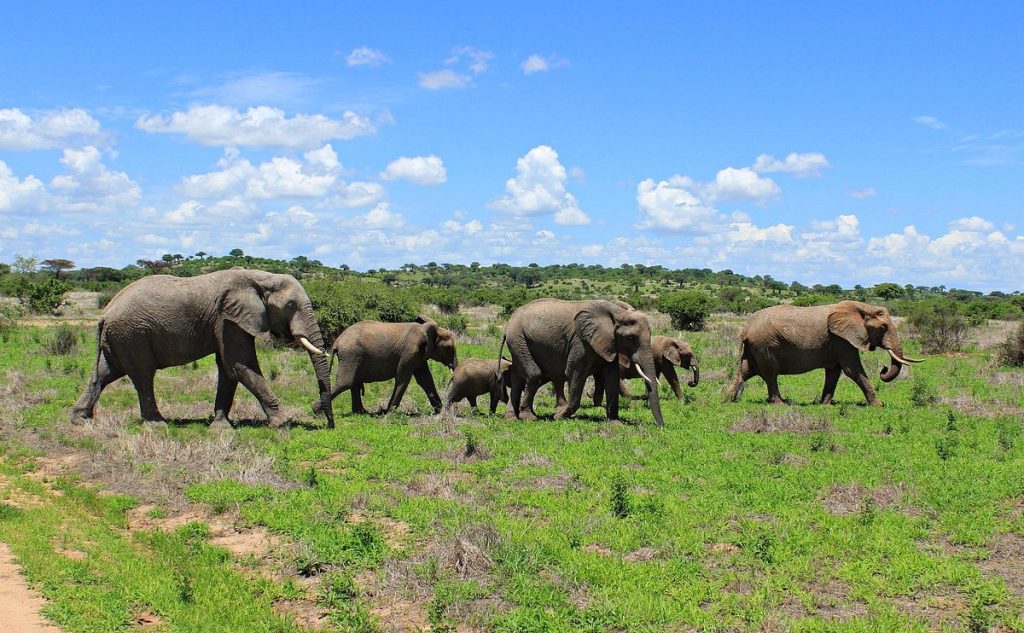
Ruaha is also home to around 10,000 elephants. Visitors may also encounter kudu, various antelope species, hippos, crocodiles, giraffes, lions, leopards, wild dogs, and an impressive diversity of birdlife with approximately 480 recorded bird species.
Distances
The southern parks of Tanzania are generally more remote and harder to reach by road compared to those in the north. Travel distances are longer and can be more tiring, which is why in many cases it is highly recommended to consider scheduled transfer flights. These flights save a significant amount of time and still allow enough time on arrival or departure days to enjoy activities depending on the flight schedule.
By road, it is not possible to travel directly between Ruaha and Selous. The journey must pass through Mikumi.
Duration of transfer by road
Ruaha to Mikumi approximately 6 hours or more depending on road and conditions
From Dar es Salaam or Selous, an overnight stay in Mikumi is usually required first
Dar es Salaam to Mikumi approximately 6 hours
Selous to Mikumi approximately 9 hours
Duration of transfer by flight
Ruaha to Dar es Salaam approximately 125 minutes
Ruaha to Mikumi approximately 65 minutes
Ruaha to Selous approximately 80 minutes
Udzungwe Mountains National Park, Tanzania
West of Dar es Salaam lie the Udzungwa Mountains, a stunning rainforest destination known for its rich biodiversity and unique primate species, including several endangered animals. This beautiful African mountain forest offers visitors the opportunity to explore nature through a variety of walking trails.
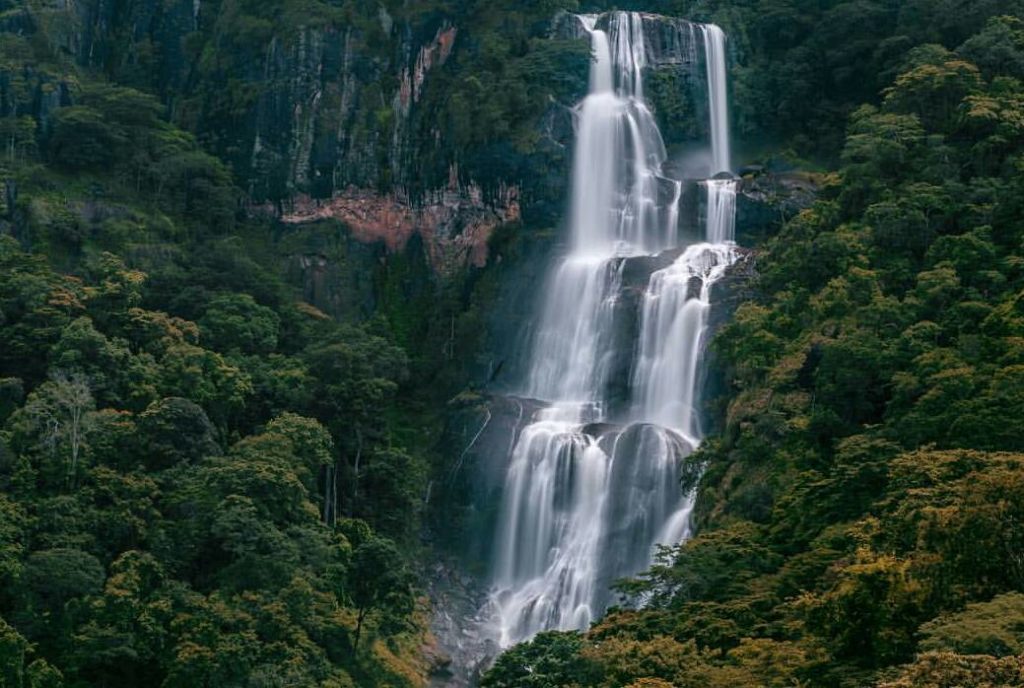
There are five main trails, each with different levels of difficulty, leading you through some of the most scenic parts of the Udzungwa Mountains. Along the way, you will pass winding paths, lush rainforest, impressive waterfalls, and breathtaking viewpoints.
The park provides a perfect contrast to traditional safari experiences in destinations such as Ruaha and Selous, adding a refreshing walking and hiking element to your journey. All hikes are conducted with experienced guides to ensure safety and a deeper understanding of the environment.
Tarangire National Park, Tanzania
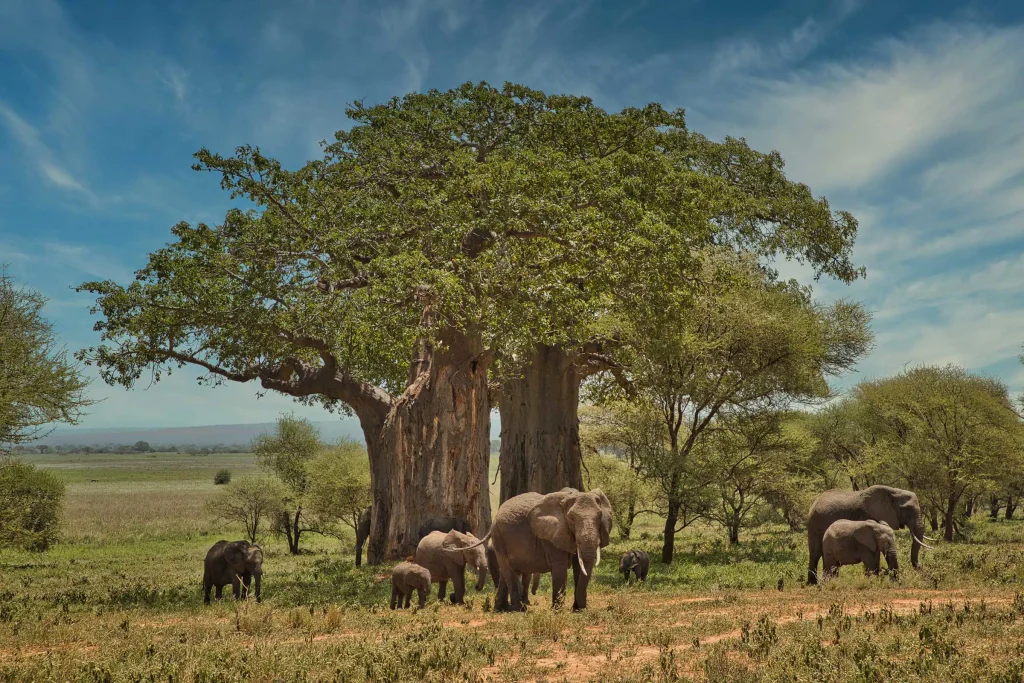
Tarangire National Park gets its name from the Tarangire River, which flows through the heart of the park. It is especially famous for its iconic baobab trees in the northern area, alongside acacia and palm-dotted landscapes that give the park a very distinctive character compared to other safari destinations.
Tarangire is well known for its rich and varied wildlife, with one of the largest elephant populations in northern Tanzania being a major highlight. The southern part of the park features a completely different landscape and becomes especially rewarding during the dry season.
Between June and November, wildlife concentrates around the wetlands and the Tarangire River, which becomes a vital water source. During this period, thousands of animals including large herds of elephants, wildebeest, zebras, gazelles, and antelopes migrate into the area in search of fresh water and greener grazing. With some luck, visitors may also spot wild dogs, while lions, leopards, and other predators are often seen taking advantage of the gathering herds.
Because water is scarce in the surrounding areas during the dry season, the Tarangire River becomes a crucial lifeline for migrating wildlife. Despite its incredible wildlife density, Tarangire generally receives fewer visitors than many other parks in northern Tanzania, making it a rewarding and less crowded safari experience.
Serengeti National Park, Tanzania
Serengeti National Park is widely regarded as the most famous game park in the world. It is home to one of the largest wildlife populations on Earth and protects one of the most complex and untouched ecosystems. The name Serengeti comes from the Maasai language and means “endless plains,” a description that perfectly reflects its vast open landscapes.
Each year, around one and a half million ungulates including wildebeest, zebras, and gazelles migrate across these plains in search of fresh grazing. This ancient movement, driven by instinct, creates one of the most spectacular wildlife events on the planet.
The Serengeti is especially famous for the Great Migration, a journey of approximately 3,200 km involving nearly two million animals as they move through the southern savannahs and beyond in search of fresh grasslands.
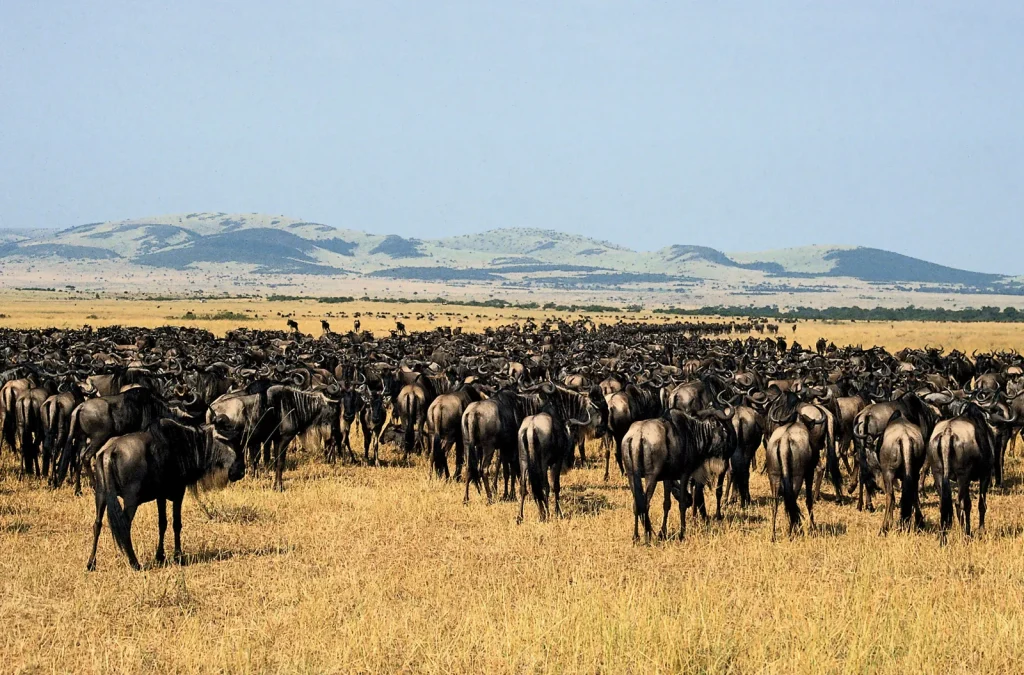
The enormous herds of wildebeest and zebra on the Ndutu Plains and around the Gol Kopjes near Naabi Hill create a truly unforgettable spectacle. One of the most dramatic moments of the migration occurs when these massive herds attempt to cross the Grumeti River in the western part of the Serengeti, often facing strong currents and waiting predators.
The herds eventually move north into the Masai Mara before returning later in the year through the eastern Serengeti. This cycle leads to a major calving season in the southern Serengeti, where thousands of newborn animals are born. This natural “baby boom” helps restore population numbers after the challenges and losses of migration.
Serengeti National Park is home to millions of wild animals, including elephants, rhinos, lions (approximately 1,500), leopards, and buffalos, collectively known as the Big Five. It also supports around 520 bird species, making it one of the richest wildlife ecosystems in Africa.
The landscape is defined by vast savannahs dotted with acacia trees and striking granite kopjes, which serve as perfect vantage points and hunting grounds for predators. These include not only the big cats but also smaller predators such as jackals and servals, all part of the Serengeti’s balanced and dynamic ecosystem.
Selous Game Reserve, Tanzania
With an area larger than Switzerland and about four times the size of the Serengeti, Selous Game Reserve/Nyerere National Park is the largest protected game reserve in Africa. It remains one of the most untouched wilderness areas on the continent, with vast regions where human presence has likely never been recorded. As a result, only a portion of the reserve is open and accessible to visitors.
The reserve is named after the British explorer, conservationist, and hunter Frederick Courteney Selous.
Nyerere National Park is a truly wild and magical destination, offering an incredibly diverse landscape. It features lakes, the Rufiji and Ruaha rivers, rocky formations, open savannahs, dense forests, and natural hot springs known as Maji Moto.
The park is home to a wide variety of wildlife including lions, wild dogs, cheetahs, elephants, rhinos, antelopes, various monkey species, and more than 440 bird species. Hippos and crocodiles are commonly found in the rivers and lakes, adding to the rich aquatic ecosystem.
Selous Game Reserve offers a range of safari experiences, including walking safaris, boat safaris, and traditional game drives, allowing visitors to explore its wilderness from different and exciting perspectives.
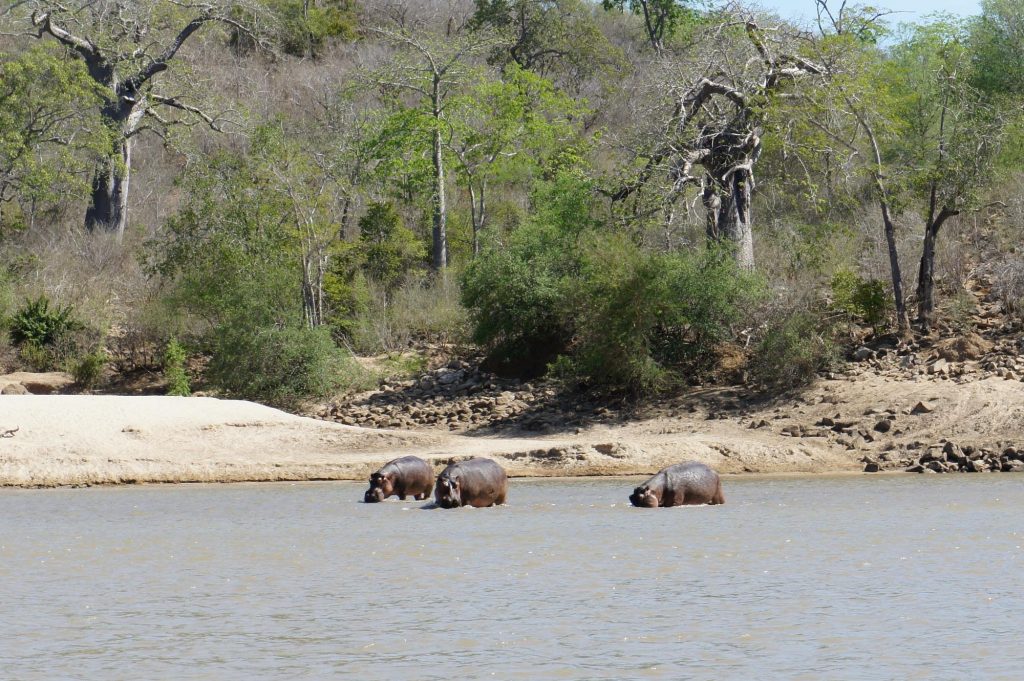
A river expedition in Selous Game Reserve is highly recommended, offering a unique and immersive way to experience the wilderness. In Selous, visitors can choose between camping safaris, lodge safaris, and fly-in safaris. Another exciting option is fly camping, where you go into the bush with a guide for several days and spend the nights in small tents under a clear, star filled sky. It is a true adventure that feels like taking part in an authentic expedition. After returning to your lodge or tented camp by the river, you can relax on the veranda, enjoy the peaceful surroundings, and watch the sunset while reflecting on your safari experiences.
Distances
The southern parks of Tanzania are generally more remote and harder to reach by road compared to those in the north. Travel distances are longer and more tiring, which is why it is often highly recommended to consider transfer flights. Flying saves a significant amount of time and still allows enough time on arrival or departure days to enjoy activities depending on the flight schedule.
By road, it is not possible to travel directly between Ruaha and Selous. The journey must go via Mikumi.
Duration of road transfer
Selous to Mikumi approximately 9 hours or more depending on road conditions, though the route is scenic and full of interesting views
Dar es Salaam to Selous approximately 5 hours or more depending on conditions
Duration of flight transfer
Dar es Salaam to Selous approximately 45 minutes
Mikumi to Selous approximately 30 minutes
Ruaha to Selous approximately 80 minutes
Saadani National Park, Tanzania
Saadani National Park is located along the Indian Ocean, in the shadow of Zanzibar and approximately 100 km northwest of Dar es Salaam. Covering an area similar in size to the IJsselmeer, the park is defined by its rare combination of beach, jungle, open plains, and river landscapes, a mix that cannot be found anywhere else in East Africa.
Saadani is an excellent choice for travelers who have already explored Tanzania’s more famous national parks and are looking for a quieter alternative to a busy Zanzibar beach holiday. It offers a unique and peaceful experience, making it a special destination for those seeking something different.
Here, a white sandy beach meets a protected national park, allowing visitors to enjoy both relaxing ocean views and traditional game drives in search of wildlife.
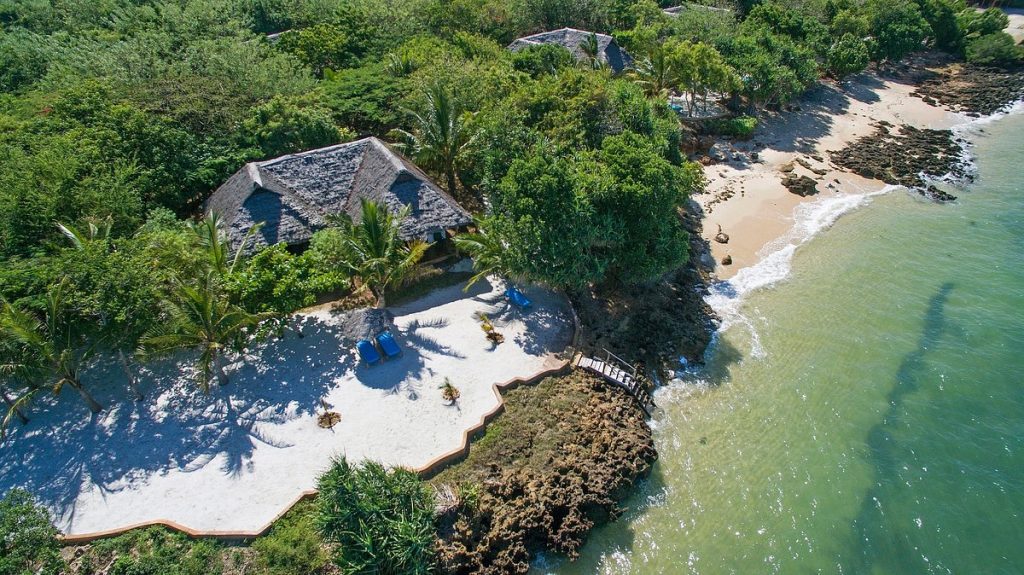
Saadani National Park offers a wildlife diversity comparable to many of Tanzania’s other parks. Buffalo, elephants, lions, zebras, and a variety of antelope species are just some of the animals that inhabit this unique coastal ecosystem. It is not uncommon to see wildlife in unexpected places, including the beach itself. One of the most remarkable sights in Saadani is elephants walking along the ocean or discovering lion tracks in the sand early in the morning.
This makes Saadani a truly special destination, where guests can enjoy early morning game drives in search of wildlife and then spend the afternoon snorkeling on a sandbank offshore or simply relaxing by the sea.
The Wami River flows through the park and adds another rich habitat where visitors may spot large populations of hippos, crocodiles, flamingos, and a wide variety of bird species. Wildlife sightings can be seasonal, depending on water levels and movement patterns.
In short, Saadani National Park is a unique final destination for any journey to Tanzania, offering an unforgettable blend of beach relaxation and authentic safari experiences.
Ngorongoro Crater, Tanzania
With a diameter of 18 kilometres, a surface area of 260 km², and a crater wall rising about 600 metres high, the Ngorongoro Crater is the largest intact volcanic caldera in the world. It forms part of the wider Ngorongoro Conservation Area, a unique region where wildlife and local communities such as the Maasai and Hadza coexist.
This conservation area is also an integral part of the greater Serengeti ecosystem, one of the most remarkable natural wonders on Earth. From the crater rim, where many visitors spend the night, you are treated to breathtaking panoramic views of this natural amphitheatre.
Inside the crater lies a rich and varied landscape of open grasslands, small rivers, woodlands, swamps, and the seasonal Lake Magadi, often appearing white with its soda deposits. This diverse environment supports approximately 30,000 animals living within the crater floor.
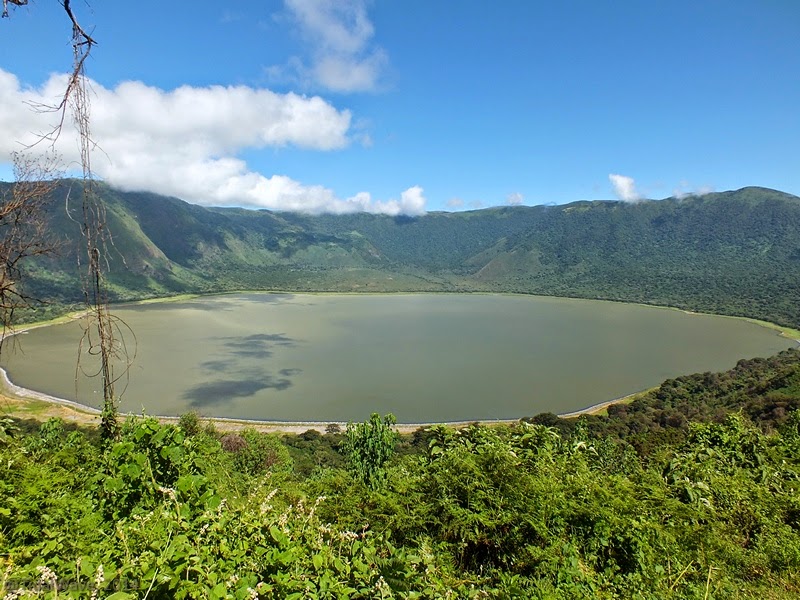
Many people travel here specifically to witness this natural wonder. As a result, recent regulations limit visitors to a maximum of one game drive per day, lasting up to 6 hours. This is still sufficient time to fully explore the crater and experience its incredible wildlife.
Often referred to as “Noah’s Ark,” the Ngorongoro Crater benefits from its fertile soils, which create an ideal environment for a dense and diverse ecosystem teeming with wildlife. Predators such as lions, leopards, and cheetahs are commonly seen, alongside elephants, monkeys, zebras, gazelles, rhinos, buffalos, wildebeest, and hippos.
Most of these animals are able, when they choose, to move in and out of the crater through the steep volcanic walls. It is also not unusual to see elephants, hyenas, or other wildlife passing close to campsites located along the crater rim, adding to the sense of living right on the edge of the wild.
Mikumi National Park, Tanzania
Surrounded by the Uluguru Mountains in the north and the Rubeho Mountains in the southeast lie the green plains of Mikumi National Park. It is the closest national park to Dar es Salaam and borders the largest game reserve in Africa, Selous.
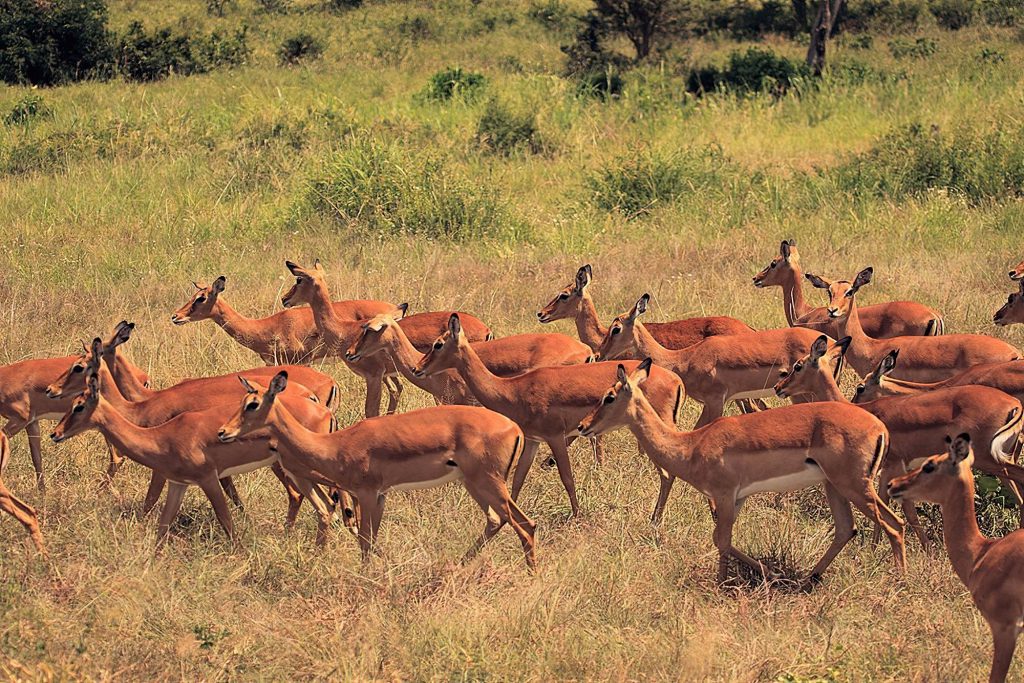
Mikumi is home to elephants, giraffes, buffalo, zebras, elands, wildebeest, and lions. The park is also rich in birdlife, with around 380 recorded species. A main road runs directly through the park, dividing it into northern and southern sections, offering unique wildlife viewing along the way.
The park can be reached from Dar es Salaam in approximately four hours. It also offers the opportunity for guided walking safaris and serves as an excellent stopover for one or two nights when traveling to the southern parks of Ruaha or Selous.
The open plains are often compared to the Serengeti, and during periods of good rainfall, large herds of buffalo and wildebeest are frequently seen gathering in the area.
Distances
The southern parks of Tanzania are generally more remote and harder to reach by road compared to those in the north. Travel distances are longer and more tiring, which is why in many cases it is worth considering transfer flights. Flying saves a significant amount of time and still allows enough flexibility to enjoy activities on the day of arrival or departure, depending on the flight schedule.
By road, it is not possible to travel directly between Ruaha and Selous. The route must pass through Mikumi.
Duration of transfer by road
Dar es Salaam to Mikumi approximately 6 hours or more depending on road conditions
Mikumi to Ruaha approximately 6 hours or more depending on conditions
Mikumi to Selous approximately 9 hours or more depending on conditions, though the route is scenic and adventurous
Duration of transfer by flight
Mikumi to Dar es Salaam approximately 85 minutes
Mikumi to Ruaha approximately 65 minutes
Mikumi to Selous approximately 30 minutes
Mahale National Park, Tanzania
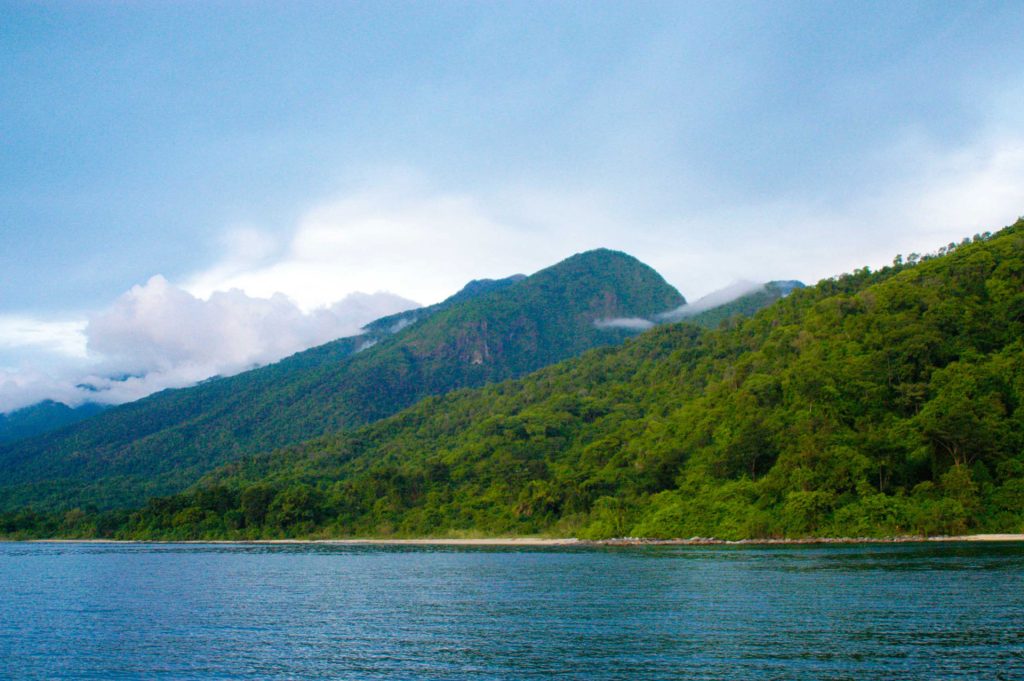
Most visitors to Mahale National Park come specifically for chimpanzee tracking. Mahale offers a rare and beautiful combination of the crystal clear blue waters of Lake Tanganyika, white sandy beaches, dramatic mountain ranges, and rich wildlife.
After the effort of tracking chimpanzees through the forest, it is incredibly rewarding to relax on the shores of Lake Tanganyika. As with any wildlife experience, sightings are never 100 percent guaranteed, and the same applies to chimpanzees. However, in most cases, visitors are successful in finding them.
For this reason, a stay of at least three nights is highly recommended, giving you the opportunity to go chimpanzee tracking twice and increase your chances of an unforgettable encounter.
Lake Manyara National Park, Tanzania
About a two hour drive from Arusha lies Lake Manyara National Park, covering an area of approximately 390 km². The park is nestled between the dramatic escarpments of the Great Rift Valley and the shores of Lake Manyara.
On entering the park, visitors are often surprised by the lush, tropical rainforest-like environment. Waterfalls, baboons, blue monkeys, and ancient fig and mahogany trees create a stunning gateway before the landscape opens up into grasslands, swamps, and the lake itself.
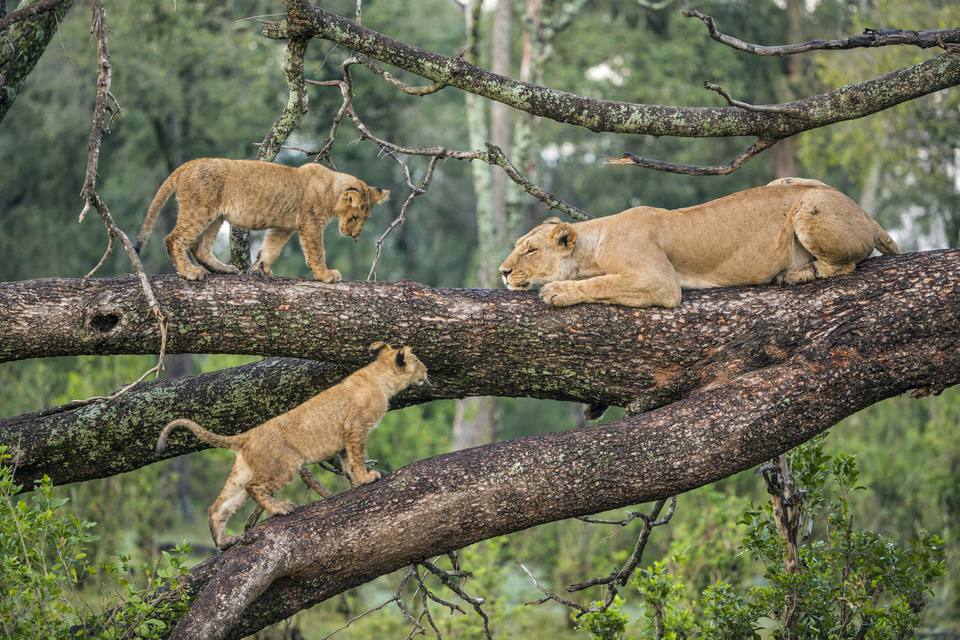
Lake Manyara National Park is home to a wide variety of wildlife, including elephants, giraffes, buffalo, impalas, hippos, and many other antelope species as well as smaller animals. It is also one of the few places in Tanzania where there is a chance to see the famous tree-climbing lions.
Bird lovers will also find Lake Manyara National Park highly rewarding, with nearly 500 recorded bird species living around the lake. Herons, fish eagles, flamingos, and pelicans are commonly seen, while the rare black eagle also inhabits the area.
The park takes its name from a plant traditionally used by the Maasai to enclose their villages. Located between the Serengeti ecosystem and Arusha, it serves as an ideal stopover destination for one or two nights, offering a rich combination of wildlife, scenery, and birdlife.
Katavi National Park, Tanzania
Katavi National Park is one of Tanzania’s most recent tourist discoveries. Due to its remote location, it is still rarely visited, making it a truly wild and exclusive safari destination.
An adventurous and authentic safari experience is almost guaranteed here. Katavi is the fourth largest national park in Tanzania by size, yet it remains one of the most untouched and pristine ecosystems in the country.
The best time to visit Katavi is between July and October, when wildlife viewing is at its peak. The park features a beautiful mix of forests, lakes, and vast open plains.
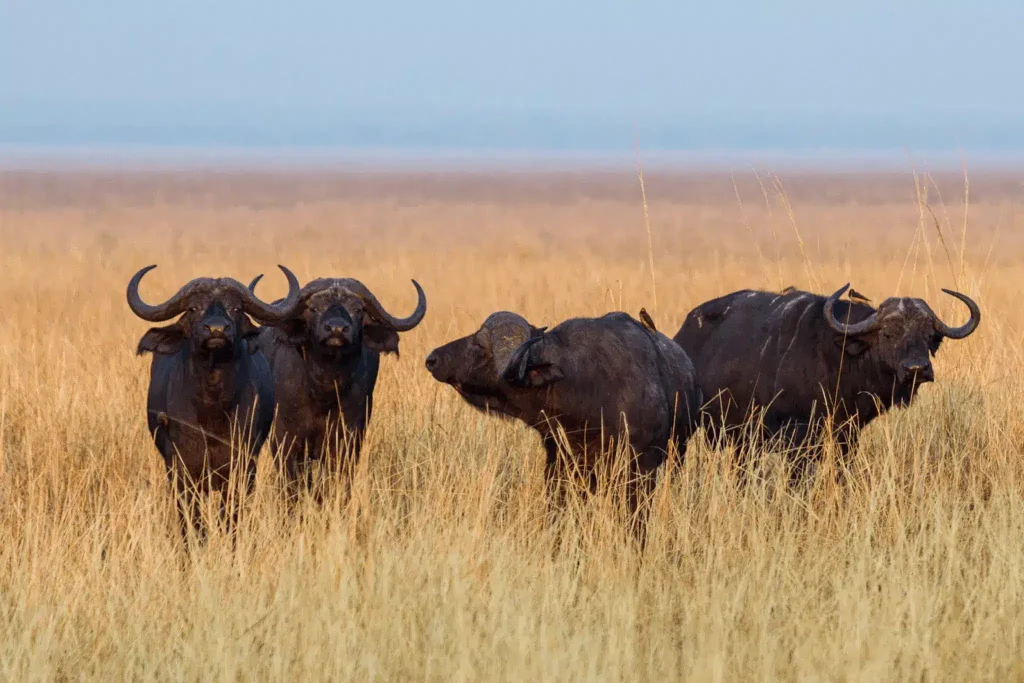
Wildlife is found in impressive numbers, including elephants, thousands of buffalo, lions, leopards, antelopes, zebras, and giraffes, among many other species.
Flying in is the best option for reaching Katavi National Park. Traveling by road takes a very long time, although it can be a rewarding and adventurous journey for those with extra time and a spirit of exploration.
Gombe Stream National Park, Tanzania
Gombe Stream National Park lies among steep mountains and deep valleys, where thirteen small rivers flow through strips of ancient forest down to Lake Tanganyika.
This park is world famous as the place where Dr Jane Goodall carried out her groundbreaking chimpanzee research, which brought global attention to chimpanzee behaviour and conservation.
Located about 16 kilometres north of Kigoma and stretching along the shores of Lake Tanganyika, Gombe Stream National Park covers just 52 km², making it the smallest national park in Tanzania.
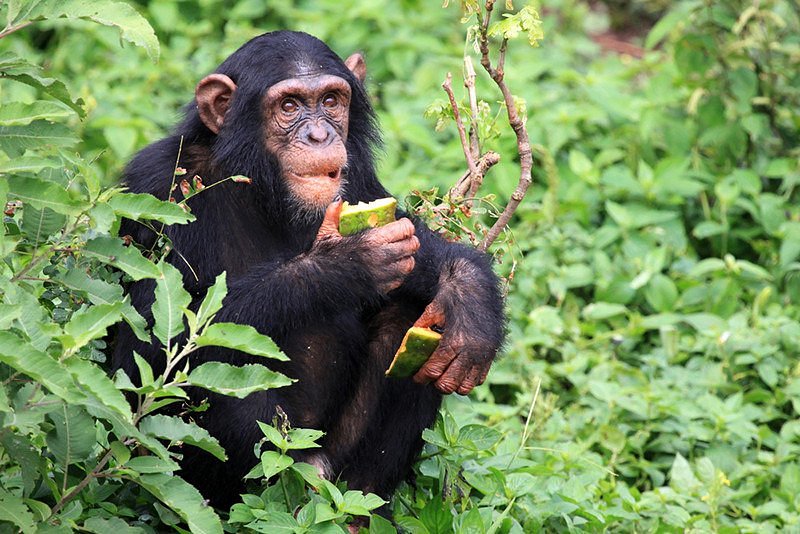
Today, the park is home to around 100 chimpanzees. Most visitors come here specifically for chimpanzee tracking and the chance to observe them living naturally in their forest habitat, creating a truly rare and intimate wildlife experience.
In addition to chimpanzees, Gombe is also home to other primates including baboons, vervet monkeys, blue monkeys, as well as red-tailed and red colobus monkeys.
Apart from the very shy leopard, there are no other major predators in Gombe Stream National Park. This makes the park ideal for adventurous forest walks and for cooling off in one of its thirteen rivers.
The park is also home to more than 200 bird species, including the African fish eagle and the palm-nut vulture. Due to the dense forest environment, many bird and animal species are often heard more easily than they are seen, adding to the park’s atmospheric experience.
Gombe Stream National Park is best visited during the dry seasons, from May to October and in January and February. The park is quite remote and is most easily reached by flying from Dar es Salaam to Kigoma. From Kigoma, visitors typically continue by boat after an overnight stay to reach Gombe.
Arusha National Park, Tanzania
Arusha National Park is a compact yet highly diverse park covering 137 km² and offering an impressive variety of landscapes and wildlife. Located close to Arusha, it features a small volcanic crater, several crater lakes, lush rainforest, and acacia woodland. On clear days, visitors can enjoy stunning views of both Mount Kilimanjaro and Mount Meru from within the park.
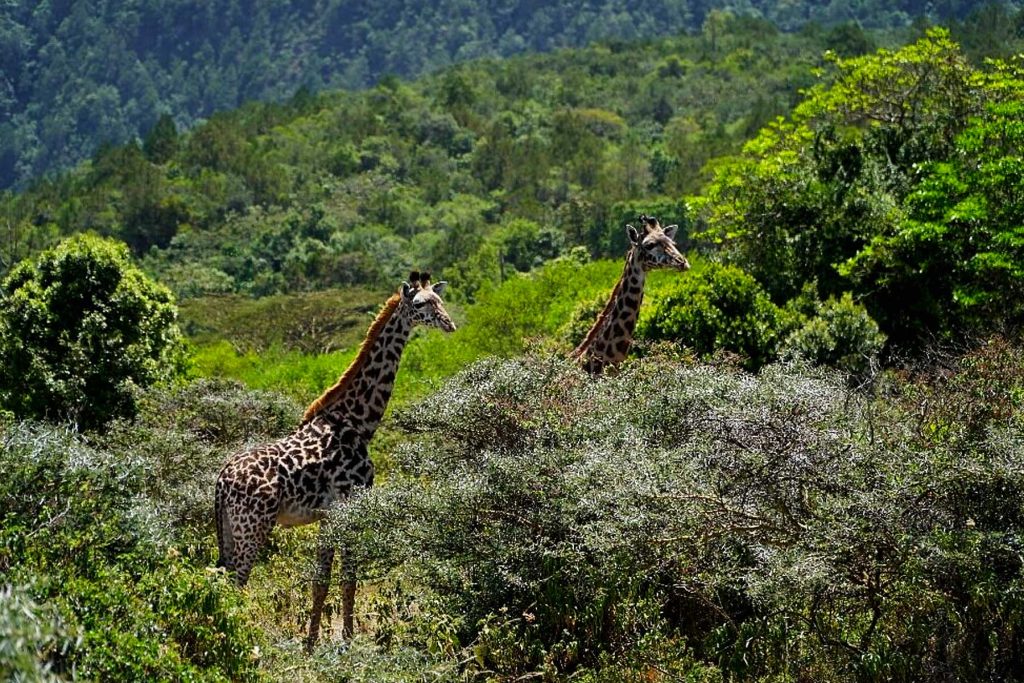
The park is especially known for its black and white colobus monkeys, which are among its most iconic inhabitants. It is also home to giraffes, buffalo, elephants, and smaller predators, making it a rewarding destination despite its size.
Arusha National Park is ideal for a short acclimatization visit after an international flight or before starting a longer safari or mountain trek. It also serves as a great starting point for climbs of Mount Meru, a dormant volcano surrounded by rainforest and rich biodiversity, often used as excellent preparation for climbing Mount Kilimanjaro.
Frequently Asked Questions
Which national park is the best to visit in Tanzania?
Many people choose the Serengeti National Park as the best safari destination in Tanzania. It is famous for its amazing wildlife and wide open plains. You can see lions, elephants, giraffes, and many other animals. The Great Migration also happens here every year. It is a perfect place for a first safari.
What animals can I see in Tanzania’s national parks?
Tanzania has a rich variety of wildlife. You may see the Big Five during your safari. Zebras, wildebeests, hippos, and crocodiles are also common. Many parks are home to colorful birds too. Every game drive offers something new to discover.
When is the best time to visit Tanzania’s national parks?
The dry season is the most popular time for a safari. It usually runs from June to October. Animals gather near rivers and waterholes, making them easier to spot. The weather is also pleasant for travel. However, each season has its own unique beauty.
Which Tanzania national parks should I include in my safari?
The Serengeti and the Ngorongoro Conservation Area are top choices. Tarangire National Park is known for its elephants and ancient baobab trees. Lake Manyara National Park is famous for its birdlife and tree climbing lions. Nyerere National Park is great for a quieter safari experience. Each park offers something special.
How many days should I spend visiting Tanzania’s national parks?
A safari of five to seven days is a great choice for most travelers. This gives you enough time to visit two or three parks. You can enjoy more game drives without feeling rushed. Longer trips let you explore different landscapes and wildlife. Your safari can be planned to match your budget and interests.
Still have questions?
Our local safari experts are happy to help you plan the perfect African safari.





