
Table of Contents
Are you about to go on your first African Safari? Deciding what you need to pack and what you should definitely leave behind can be quite daunting for first-timers. Many of you will be flying into your various Game Lodges by charter aircraft, and thus restricted to a very small amount of luggage in terms of both weight and dimensions, so it is essential to do some forward planning …
Tip: Personally, I am always tempted to take my whole wardrobe with me when I travel, so I find it very helpful to compile a checklist of the essentials, basics and maybe a few little luxuries; I do this well in advance, then weed-out the unnecessary items and stick to the final bare-bones list really carefully. Ladies beware … in most instances it all needs to fit into something the size of an average carry-on bag!
What Type of Luggage to Take on Safari
Fly-In Safari
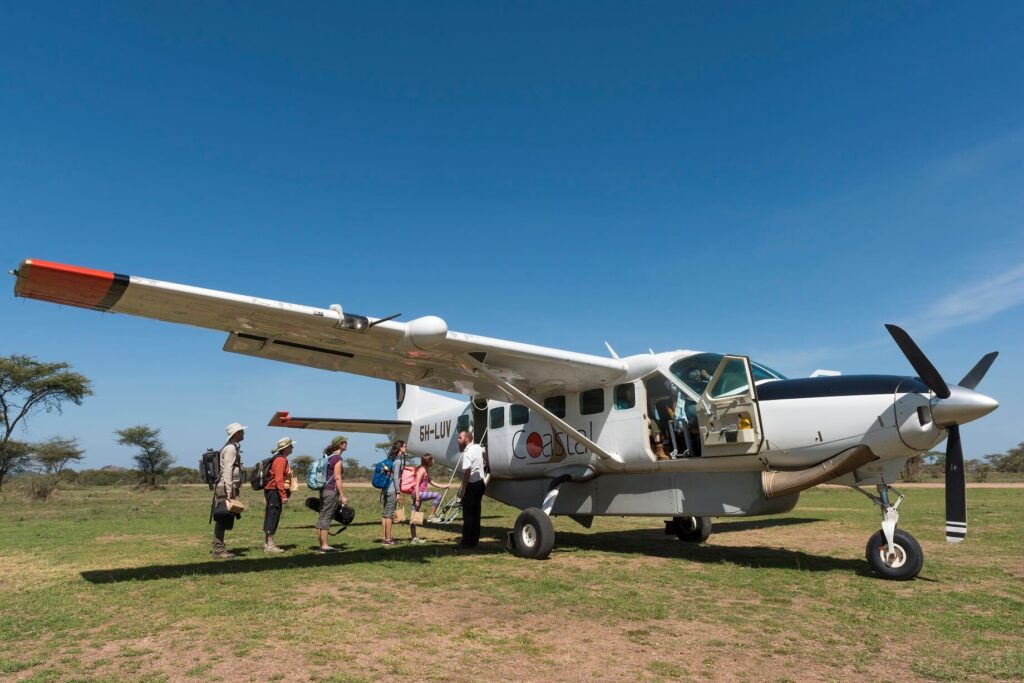
The light aircraft used by the Charter companies that will be flying you to your destination only allow you to take soft bags, preferably without wheels. No hard suitcases will be accepted as these cannot fit into the limited luggage container. The maximum dimensions of your soft bag are as follows:
25cm wide by 30cm high by 62cm long (about the size of an average duffle bag). The maximum weight allowance varies by country, but as a rule you will only be allowed 15kg, including your camera bag/hand luggage.
Tip: Make sure that your travel insurance covers all personal effects and luggage for loss or damage.
Drive-In Safari
Even if you are not going on a Fly-In Safari you will still need to limit your luggage. The luggage trailers used for road safaris will not be able to accommodate large rigid suitcases as they just take too much space, and could also get damaged; stick to a soft bag and you will be fine.
Tip: If you really cannot manage with this limited amount of space or are coming to Africa for an extended holiday, consider bringing a second suitcase for your non-safari clothing; this can be left with your Tour Operator or you may have to use the “Left Luggage” facility at your arrival.
The Essentials
The following is a check-list of the items you just cannot leave behind:
Documents
- Passport (with visa if necessary) and a couple of photocopies
- Proof of required vaccinations
- Health and Travel Insurance … make sure you have local contact numbers
- Credit Cards – remember to notify your bank that you will be travelling abroad
- Email address and local contact numbers for your Tour Operator
- Cash – ATMs are hard to come by in the wilderness! Please note that USD notes dated before 2004 will not be accepted, so bring some nice new notes with you!
Tip: It is wise to get a money pouch or fanny pack to keep your valuables in so that you can take them with you everywhere you go – (some lodges do not have personal safes).
Toiletry Bag
- Toothbrush and toothpaste
- Malaria medication (check with your GP what you need!)
- Prescription Medication – enough to last you for the duration of your holiday
- Meds for motion sickness, diarrhoea, colds and flu and aches and pains
- Insect repellent
- Antihistamine cream
- Sunscreen (at least SPF30 and preferably unscented)
- Deodorant
- Lip Balm (with sunscreen)
- Body Lotion (preferably unscented)
- The Lodges all supply basic toiletries but bring your own if you are fussy – try to find travel sizes of everything to save space.
TIP: Avoid drinking tap water while on safari – even when brushing your teeth. All the lodges sell bottled water (some give you a couple of bottles for free a day) or you can save some money by stocking up before you get to your camp or Lodge. Ask your driver where to find a vendor en route.
Other Essentials
- Comfortable walking shoes (hiking or trainers are best)
- Spare spectacles or contact lenses and lens solution
- Sunglasses – good sunglasses are essential
- A hat with a brim
- A good pair of binoculars per person
- Camera with lenses, spare battery and extra memory cards
- Chargers and adapters for your electronics find travel sizes of everything to save space.
I know… by now you are wondering where you are going to put all this and there is still plenty more to come…
In addition to your checked luggage you will need a light day-pack to carry on the safari vehicle to hold your camera, binoculars and other odds and ends that you need on the drive.
TIP: In Tanzania the power sockets are the G type 240V – the 3 pin square socket and you will need an adapter for any electronics that have two-pin plugs. In other countries the sockets may be different, so a good bet is to get a universal travel adapter.
The Basic
Clothes
You really do not need a lot of clothes for a safari. Most of the lodges have limited laundry facilities and will launder a set of clothes for you each day. (You will have to hand-wash your smalls so take a little hand-wash powder). When choosing your limited wardrobe, try and stick to neutral colours like khaki, beige, stone, browns and greens – white is particularly unsuited for a safari as it stands out in the bush and can startle the wildlife – it will also be dirty in two ticks! There can be quite significant fluctuations in temperature between early morning/evening and the midday heat, so wearing layers of clothing is the wisest choice. You will also need something to protect you from dusty or wet conditions. I find that the following checklist is perfectly adequate for the average safari:
- 2 pairs of neutral-coloured cotton trousers/chinos – jeans are not recommended as they can be too hot and take too long to dry
- 2 pairs of shorts
- 3 or 4 T-shirts or short-sleeved shirts
- 2 long-sleeved shirts or T-shirts
- 5 sets of underwear and socks
- Pajamas
- Swimming costume – many of the lodges have a pool
- 1 sweatshirt or fleece top
- 1 jacket/windbreaker, preferably waterproof
- 1 pair of casual trousers and long-sleeved top for the evenings to protect you from the mosquitoes. Ladies may prefer a long skirt; you may also need a pashmina if it is chilly
- Sandals or flip-flops – it’s great to take off those trainers at the end of the day
Other Basic Items
If you have packed carefully and still have a little space, here are some of the things that really help to make travelling a pleasure:
- A small torch – many lodges use generators for their energy; these are usually switched off during the daytime and after 10pm at night.
- Tissues and hand sanitizer
- Something to read – a great idea is to load your iPad with some great holiday reading material to avoid carrying heavy books. You can also upload guides about your safari destinations, bird calls, etc. In addition, you can keep a wonderful Safari journal on your iPad. Just be sure to check in advance that your destination has charging facilities – some of the remote bush camps may not be able to offer this facility.
Life’s Little Luxuries
If you have packed carefully and still have a little space, here are some of the things that really help to make travelling a pleasure:
- Goose-down travel pillow – this will fold into a tiny parcel the size of a tennis ball; it weighs nothing at all and can make such a difference!
- Travel munchies – bring your favourite energy bars, nuts and snacks … and Chocolate! And slip on something comfortable to wear in the evening and around the pool
TIP: Please do not take photographs of local people without getting their permission – in some instances, you may be required to pay for the privilege! And do not even think about photographing Government installations – this is forbidden.
Frequently Asked Questions
What are the essential items to pack for a safari?
When preparing for a safari, packing the right essentials can make the trip much more comfortable. Lightweight clothing in neutral colors like beige, green, and khaki works best in the safari environment. A hat, sunglasses, and sunscreen are also important for protection from the strong African sun. Comfortable walking shoes are useful for exploring lodges or going on short nature walks. Don’t forget a camera and binoculars to capture the incredible wildlife moments.
What type of clothing is best for a safari trip?
Comfortable and breathable clothing is ideal for safari travel. Early mornings and evenings can be cool, especially around areas like Arusha, so a light jacket or fleece is helpful. During the day, loose cotton shirts and trousers keep you cool and protected from the sun. Neutral colors help you blend into the environment and avoid attracting insects. Dressing in layers is the easiest way to stay comfortable throughout the day.
Should I pack light or bring many items?
It is usually best to pack light for a safari. Many safari vehicles and small planes have limited luggage space. Soft duffel bags are preferred because they are easier to store than hard suitcases. Bringing only the essentials helps make travel between parks smoother. A small daypack can also be useful for carrying personal items during game drives.
Do I need special equipment for wildlife viewing?
While it’s not required, a few pieces of equipment can improve your safari experience. Binoculars are very helpful for spotting animals that are far away across open areas like those in Serengeti National Park. A good camera with extra batteries and memory cards is also recommended. Some travelers bring a small notebook to record wildlife sightings. These items help you remember every exciting moment of the safari.
Are there any small items travelers often forget to pack?
Yes, there are a few small items that many travelers forget but later find very useful. Insect repellent is helpful, especially in the evenings around camps and lodges. A reusable water bottle helps you stay hydrated during long game drives. A flashlight or headlamp can be useful when walking around camps at night. Packing these simple extras can make your safari adventure in Tanzania much easier and more enjoyable.
Still have questions?
Our local safari experts are happy to help you plan the perfect African safari.





