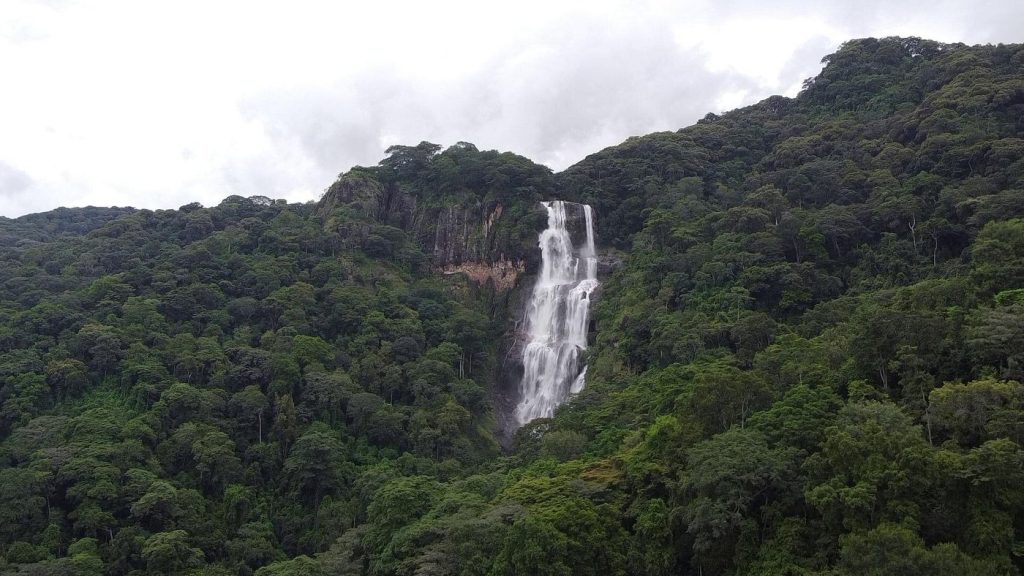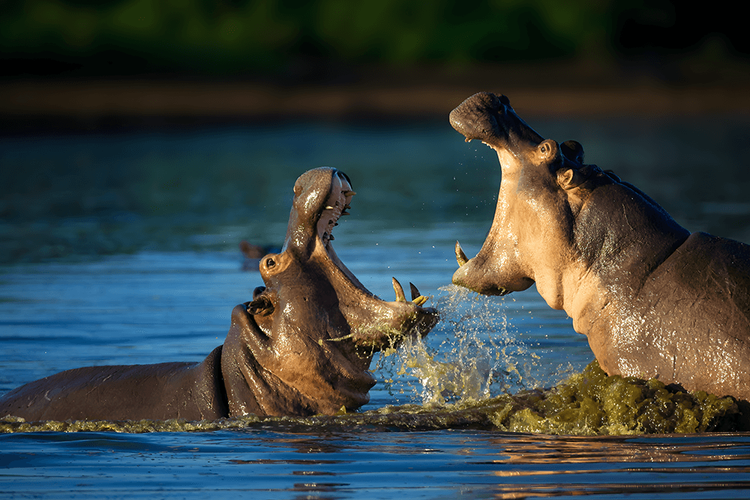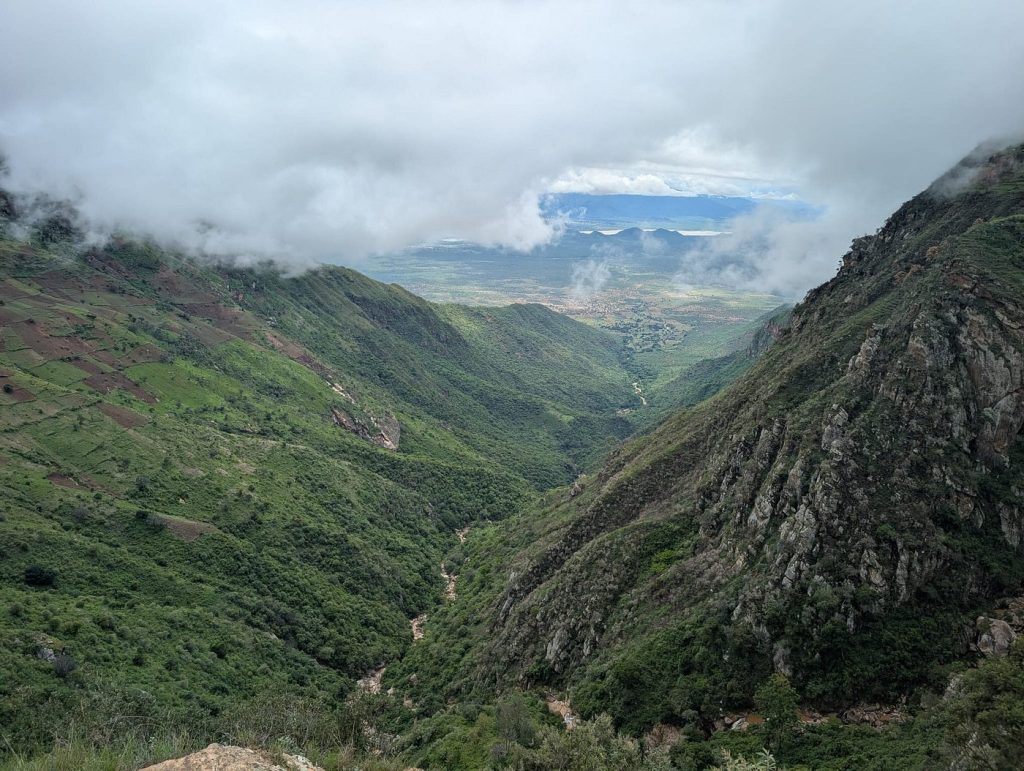
Following the formation of the Rift Valley 3 million years ago, tons of water began to descend along the walls of the gigantic escarpment to form a lake.
Although its greatest expansion took place 250 thousand years ago, the lake still exists today, and the protection of the rift, which receives water, has generated diverse habitats offering refuge to wildlife. Between the escarpment and the salt lake of Manyara, there are thick forests, acacia forests, savannas, and wetlands.
With its own particular flora and fauna, there are few places in Africa where one can find such a variety of ecosystems within scarcely 300 km² as in the Lake Manyara area, one of the most beautiful national parks in Tanzania.
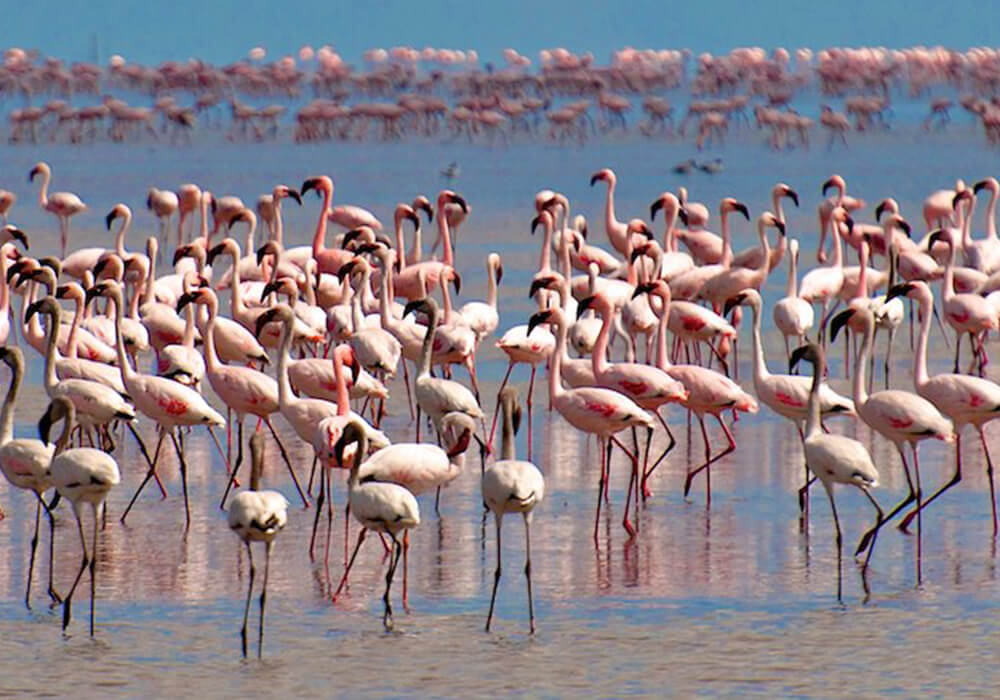
Lake Manyara, measuring 390 km², occupies 230 km² of the national park’s 330 km². The Manyara area has a variable rainfall pattern, which ranges between 250 mm and 1,200 mm per year, causing years of intense drought followed by heavy flooding.
With these fluctuations, it would be impossible to develop the jungle and rainforest bordering the lake. However, Manyara receives water from springs that emerge from the base of the ridge and are filtered through 600 m of the even land of the Ngorongoro Highlands.