About 120 km from Arusha, off the Arusha–Dodoma road, you will drive 7 km to reach the Tarangire National Park gate. Tarangire National Park was established in 1970 and is the fifth national park to be announced after Tanzania gained independence from British colonial rule in 1961.
With an area of about 2,850 km², Tarangire National Park is the sixth-largest national park in Tanzania.
Tarangire National Park was named after the river that flows through the park. The word Tarangire comes from a combination of two words: “Tara,” which means “river” in the Mang’ati tribal language, and “ngire,” which means “warthog.”
Origin of the name Tarangire
Many years ago, a large number of warthogs, or Pumbas, used to come to the river, especially during the dry season, where they would lie and play in the water to cool themselves down due to the high temperatures. At that time, the local tribe, the “Mang’ati,” witnessed this activity and eventually decided to give the river the name “Tarangire,” which means “the river of the warthogs.”
See the Warthogs
Warthogs are animals that eat different small leaves, depending on the season of the year. They are also famous for digging holes, and when they are eating grass, they always stand on their knees. Even though they are famous for digging holes to keep themselves safe from predators, they also use other holes abandoned by other animals.
When they rest in these holes, they always keep their heads facing outwards. This is because they are always ready to come out of the hole at high speed when an enemy approaches.
See the Baobab Trees
Baobab trees are always called the “Tree of Life” for many reasons. One of them is that they can provide water and food for animals, as well as medicine and shelter for human beings.
In Tarangire National Park, there is a very funny thing that you should witness between elephants and baobab trees. The baobab cortex contains some amount of water, and when you visit Tarangire National Park, you will see that the cortex of many baobab trees has been peeled off. You might think that this is how they naturally look, but it is not. The bark has been peeled off by elephants in search of water.
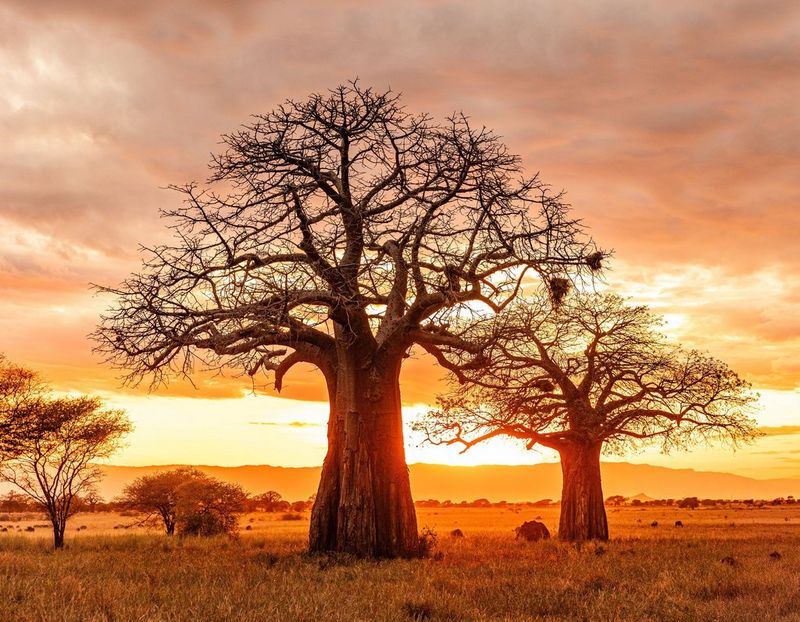
For a long period of the year, the baobab tree will not have leaves, making its branches look like roots.
Here is a funny story from the Mang’ati tribe. They say that the baobab tree used to complain a lot, so the gods changed its position, making its branches and leaves go back into the ground while its roots stood out like branches and leaves. That is what the Mang’ati people believe.
The Herds of Elephant
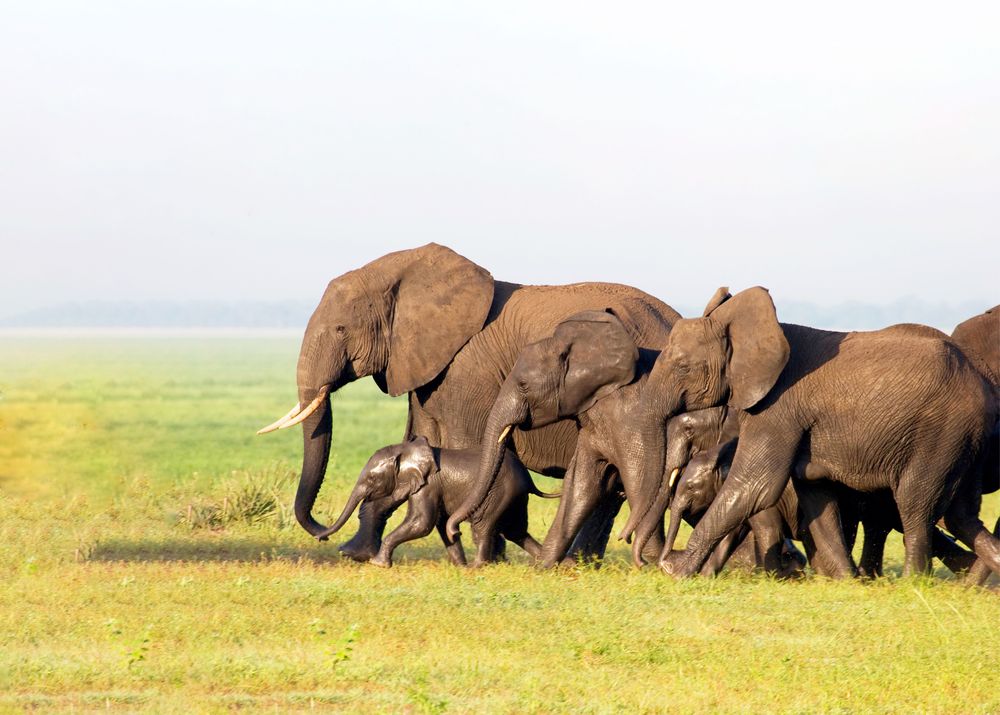
Tarangire National Park is home to many African elephants per km² compared to any other place in the world. The availability of a high number of elephants in Tarangire is caused by the presence of baobab trees. Baobab trees always help elephants, especially during the dry season, when elephants grab and eat the tree bark, which helps them obtain water.
A group of elephants will always be led by a female elephant, who will be the oldest in the group. Remember that elephants can live for up to 70 years in the park. An elephant can spend up to 16 hours eating grass and consume up to 250 kg per day.
Come Across Giraffe
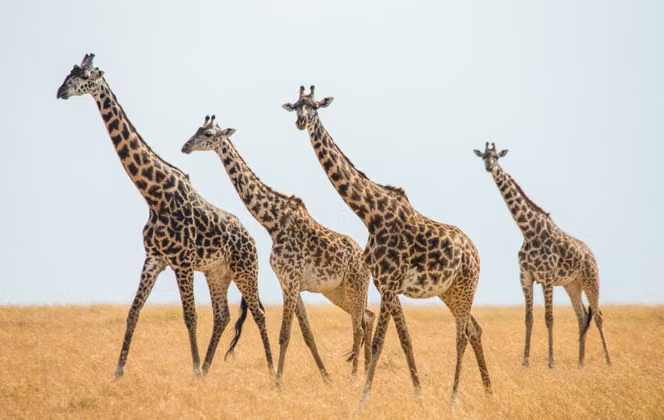
A giraffe is the tallest animal, with skin covered in beautiful, well-arranged spots that make it one of the most beautiful creatures on Earth. The way a giraffe walks makes it even more incredible and amazing. Giraffes will most of the time reach 16 to 20 feet in height, with males weighing up to 1,600 kg and females up to 830 kg. They love to live in savannah areas and places with trees, and their popular food is acacia trees, which other animals cannot reach because of their height.
Enjoy the Picnic Lunchtime
During noon, you will arrive at the picnic area, where you will have your lunch box for lunch. At the picnic area, you will have a great view of the Tarangire River, and you will also be surrounded by monkeys, so watch out for your food, as they can always steal it.
Learn about Ostrich
This is the biggest bird, and it does not fly. Its uniqueness lies in its neck and legs, and it is the bird with the highest speed on the ground, as it can run at up to 70 km per hour. The ostrich is the largest bird and can lay eggs that are larger than those of all other birds.
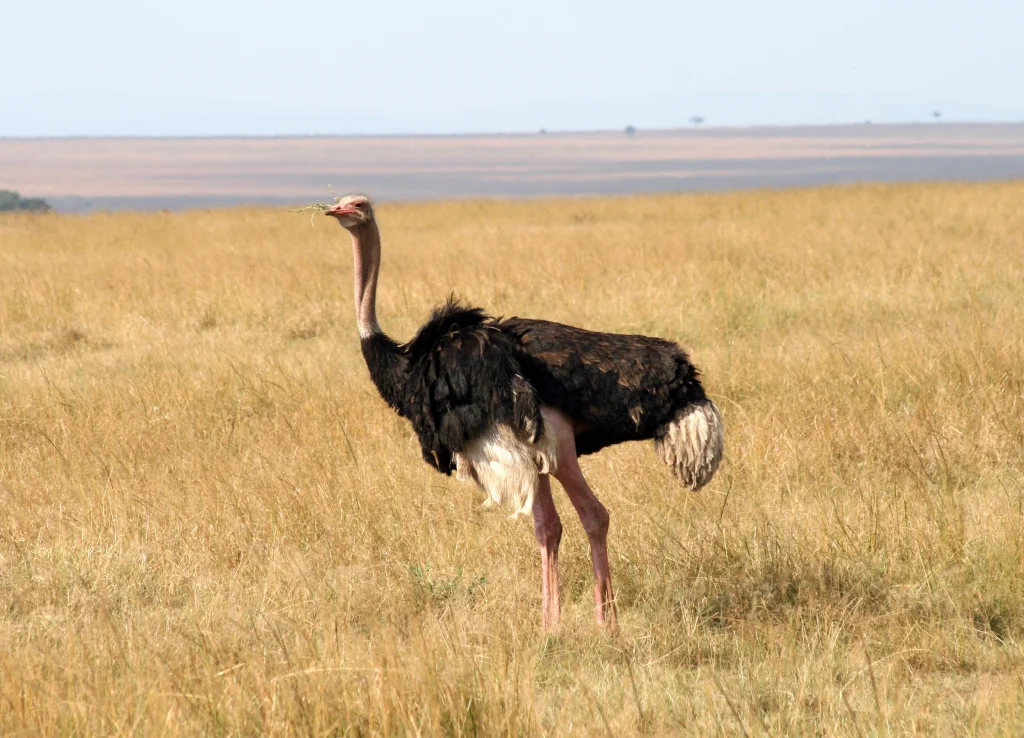
Ostriches eat different types of grass and will always stay in a group of 5 to 50. When there is any danger, an ostrich will lie down or run with its long legs. If this is not possible, it will fight with its feet. Most of the time, an ostrich will weigh between 63 kg and 145 kg.
A male ostrich can reach up to 9.2 feet in height and will have black feathers, while a female can reach up to 6.7 feet and will have gray feathers. Male ostriches always have more attractive colours than females, and they can live for up to 45 years.