
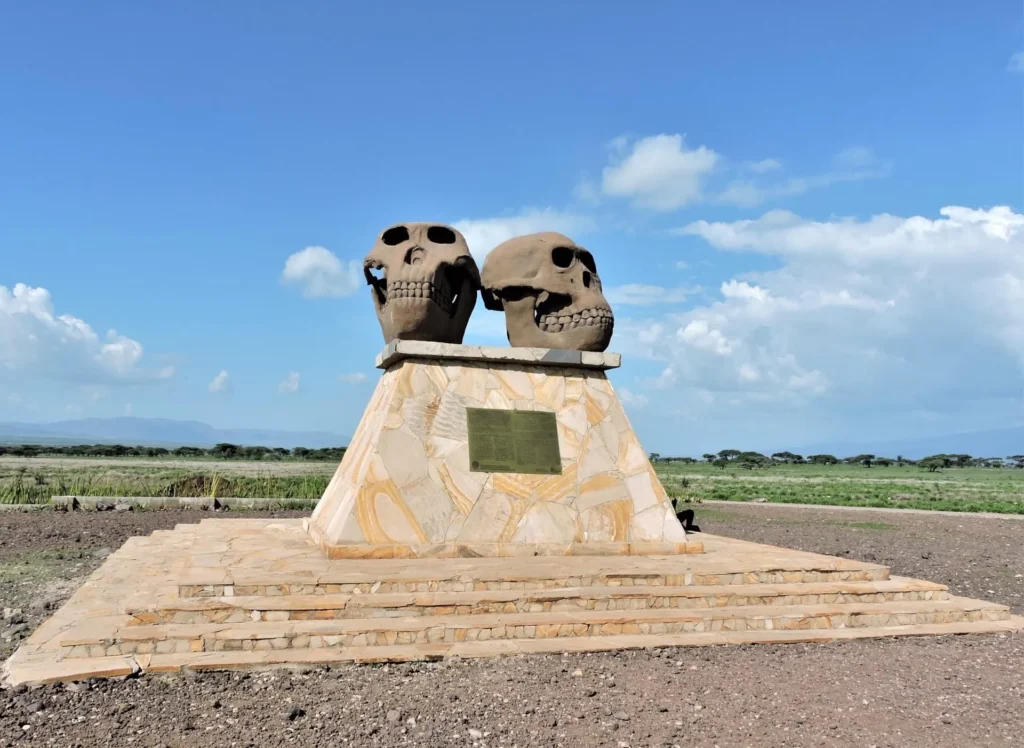
For the regular safaris going to and from Serengeti, visitors call in at the world famous Olduvai Museum for lunch and a comfort break this area is best known for Early Man. The museum was founded by Mary Leakey and includes maps of the original fossil excavation work. It is worthy of a much longer stop to explore this area.
But there is so much more, there are easily nine very good reasons to spend at least one night in this less visited part of the Conservation Area, we call Hidden Gems of Southern Serengeti.
The southern plains can be visited at any time of the calendar year. For most visitors, they are regarded to be at their very best when the wildebeest migration return to their calving ground. At this time of year the rains have brought fresh growth, the female wildebeest are calving and predators are abundant in all their gory glory!
The long-established and award-winning Olduvai Camp is the ideal base from which to explore the hidden gems of Southern Serengeti. There are gentle strolls near to camp, longer hikes to be enjoyed and even visit one of the local villages. Its fun to pop in to see the Masai neighbors, some of whom are relatives and friends of the team at Olduvai camp.
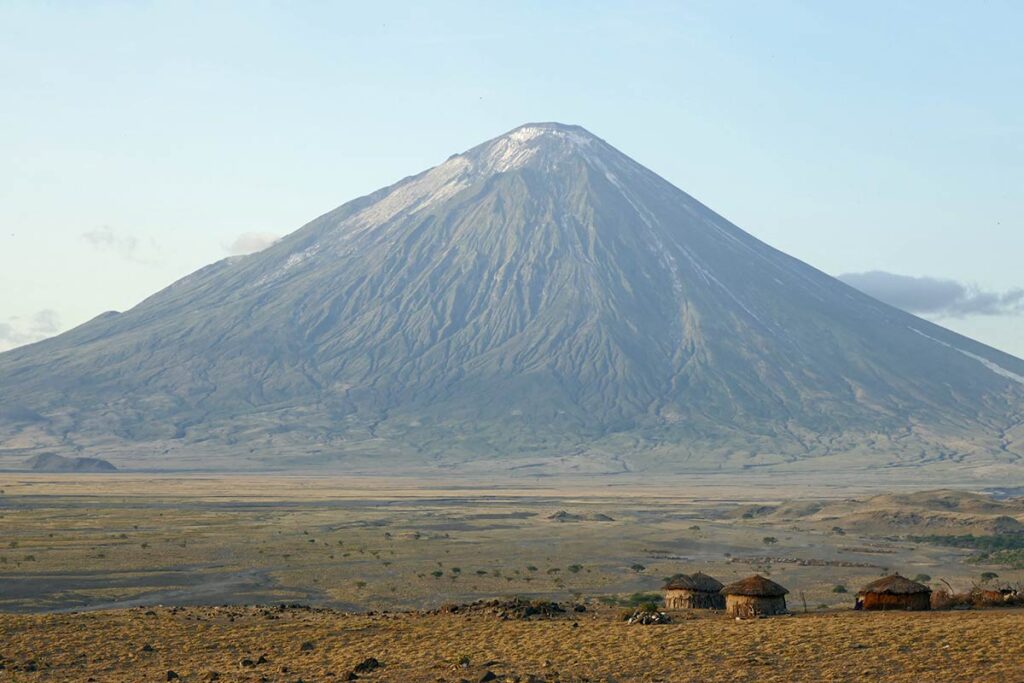
This camp has often been described as magical; the atmosphere; the authentic and natural welcome of the Masai staff and their wonderful hospitality all add to the genuine wilderness feel. The views are spectacular; north out over the Serengeti and 50 to 60 km to the north-east is the active volcano Oldonyo Lengai.
The summit of Oldonyo Lengai can be seen from Olduvai Camp and the distinctive cone-shaped profile from further north. Lengai is revered by the local Maasai tribe’s people and of great interest to the scientific community because of many unique features, including “white lava.” Treks to the summit can be arranged. Lengai is quite a tough climb in rugged terrain, but worth it for the sun rise over Masai land.
For the gentler adventurer wishing to be out of the vehicle and doing a bit of exploration on foot, Mount Makarot is a superb alternative to Lengai. This is a day trek. You would spend the night before at a “fly-camp” on the slopes of the mountain, fully serviced by our wonderful Masai camp staff and in the company of your guide. The next morning you would trek through Maasai villages to the summit of Makarot standing at 3,000 meteres. You would then descent to Olduvai Camp for “sundowner! The best way to finish the day!
Olduvai Gorge cuts its way across the plains deeper into the earth the closer it gets to the outer slopes of the Ngorongoro Crater and the Highlands. As the vehicle winds downstream along the steep sides of the canyon-like gorge, among the acacia and scrub, there is a chance of sightings of rarer mammals like steinbok and striped hyena, as well as many bird species.
Under the experienced eyes of the driver-guide, short walks and strolls down onto the gorge floor make for a nice break out of the safari 4×4.
Continuing onwards, you reach an open area known as Olbalbal Depression. During the rains it becomes a green swamp pasture, the Migration herds can be seen milling around this area in their thousands. In drier times, there is a dramatic feel to this area.
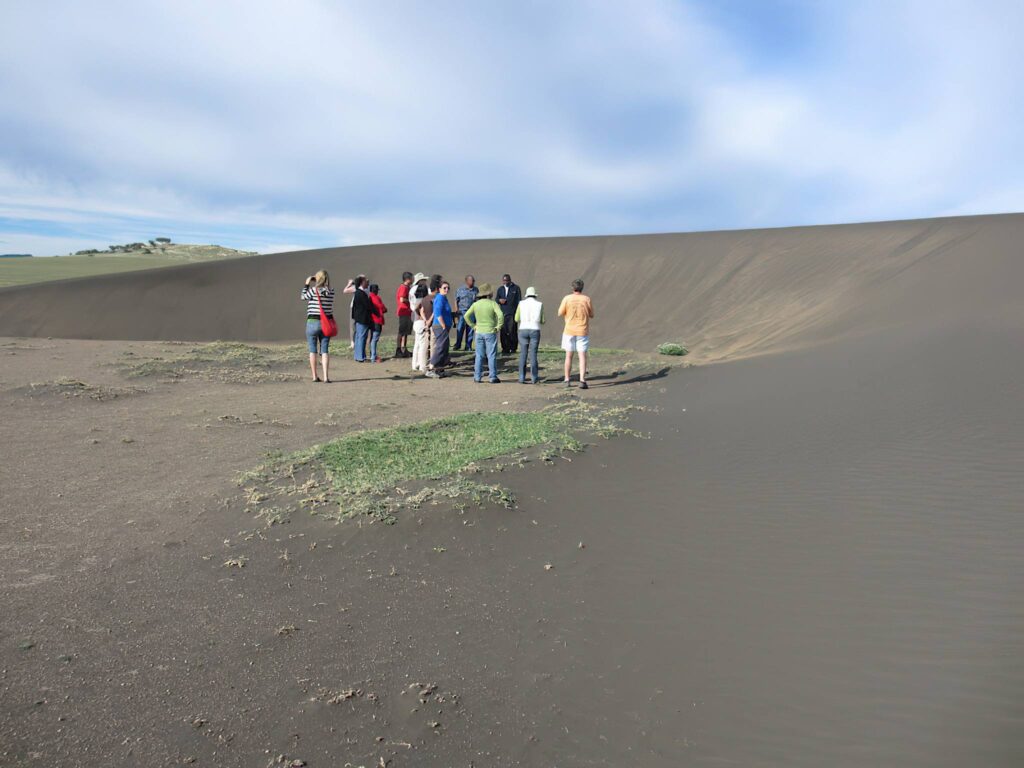
Turning north, back along the gorge, towards the ancient Gol Hills, the phenomenon of Shifting Sands come into view. The sands are formed from volcanic ash. They have the appearance of a sand dune and are formed when there is a non directional wind and sufficient ash on the ground to create movement. The ash accumulates around a rock and continues to move creating a dune. This dune moves continuously and it is said Shifting Sands move approximately 10 metres per annum. In Masai culture the sands came from the Mountain of God – Oldonyo Lengai.
Heading towards the hidden valley of Lemuta is Nasera Rock a huge monolith of 100m. It, is a superb stop for a picnic lunch and has an ancient atmosphere, and is well off the main track, between Ngorongoro and Serengeti.
Another secret gem, high up in the northern Ngorongoro Highlands is Empakaai Crater. It is well worth the bumpy track to get to the camp site. Views of the active volcano Oldonyo Lengai and surrounding mountains and forest are breathtaking. The small Crater Lake, called Ol Nairobi by the Maasai, is a short scramble down and up and the magical stillness is only broken by the cries of birds, including flamingo and rarer forest species.
Slightly further afield from Olduvai Camp is Olkarien Gorge. This would an enjoyable day trip north from Olduvai Camp. The gorge is a dramatic narrowing valley cut into the rock over the millennia. It is a world-famous nesting area for vultures as well as a water source for the cattle and goats of the local Maasai.
Continuing northwards from Olduvai Camp; there are adventurous and varied days out to enjoy. Essentially en route to Naabi Gate, the gateway to Serengeti National Park lays two lakes Ndutu and Masek.
Here the landscape changes to acacia forest due to the changes in soil and twisting and turning tracks lead to many marshy areas holding very different mammal and bird species, including Impala and, again in the Migration times, spectacular water crossings watched by the inevitable stalking predators. The soda lakes are fed by small fresher water streams – a vital water source for all.
In closing we offer you 10 of the Best Reasons to visit the “short grass” plains of the Southern Serengeti
Ol Donyo Lengai
Makarot Mountain
Olbalbal Depression
Shifting Sands
Lemuta & Nasera Rock
Empakai Crater
Olkarien Gorge.
Lake Ndutu
Lake Masek
And last but definitely NOT least Olduvai Tented Camp, our favourite hidden gems of Southern Serengeti.
Frequently Asked Questions
What makes the Southern Serengeti a hidden gem?
The southern part of Serengeti National Park is often considered a hidden gem because it’s quieter and less crowded than other regions. Areas like Ndutu Plains offer wide open landscapes that feel untouched and peaceful. The scenery is beautiful, especially during the green season when the plains are lush and full of life. You can enjoy wildlife viewing without the pressure of large crowds. It’s perfect for travelers looking for a more relaxed and authentic safari experience.
What wildlife can I see in the Southern Serengeti?
The Southern Serengeti is rich in wildlife, especially during the calving season. From January to March, thousands of wildebeest give birth on the plains, attracting predators like lions, cheetahs, and hyenas. You’ll also see zebras, gazelles, and a variety of bird species. The open landscape makes it easier to spot animals and observe their behavior. It’s one of the most dramatic and rewarding wildlife experiences in Tanzania.
When is the best time to visit the Southern Serengeti?
The best time to visit is during the calving season from January to March. This is when the Great Migration settles in the south, creating incredible wildlife action. The green season also brings fewer tourists and stunning scenery. While April and May can be rainy, they still offer a peaceful and beautiful safari experience. Timing your visit during these months gives you a chance to witness new life in the wild.
Is the Southern Serengeti good for photography?
Yes, the Southern Serengeti is a dream for photographers. The wide open plains provide clear views and perfect lighting, especially during sunrise and sunset. The calving season offers unique opportunities to capture newborn animals and predator interactions. The lush green landscapes during the rainy season add vibrant colors to your photos. It’s a place where every moment feels like a perfect shot.
What kind of accommodation can I expect in this region?
Accommodation in the Southern Serengeti ranges from mobile camps to comfortable tented lodges. Many camps move with the migration, allowing you to stay close to the wildlife action. These camps often provide a balance between comfort and an authentic safari feel. You’ll enjoy cozy tents, good food, and stunning views of the plains. It’s a unique way to experience the wilderness while still feeling well taken care of.
Still have questions?
Our local safari experts are happy to help you plan the perfect African safari.





