
Table of Contents
- 1. Coffee
- 2. All kinds of small wooden objects (Wooden trinkets)
- 3. Ebony wood carvings
- 4. Soapstone objects
- 5. Precious and Semi-precious Stones
- 6. Jewellery in colored glass beads
- 7. Musical Instruments
- 8. Basketry, pottery
- 9. The smoking pipes
- 10. Spices
- 11. Clothing, traditional fabrics
- 12. Children’s toys
- Conclusion
- Frequently Asked Questions
This breathtakingly beautiful country will take you back to the origins of man (Olduvai Gorge), to the sources of life. As much as a trip to space, a safari in Tanzania is an amazing experience in lifetime, an unforgettable foray into the animal world.
The national parks in Tanzania are much more extensive (especially the Serengeti national park) and the animals are born, grow up, and reproduce as in a kingdom of animals. After experience your safari in Tanzania you will always wish to bring something with as a memory of your experience.
Below we have listed number of things you can bring home from Tanzania as a souvenir:
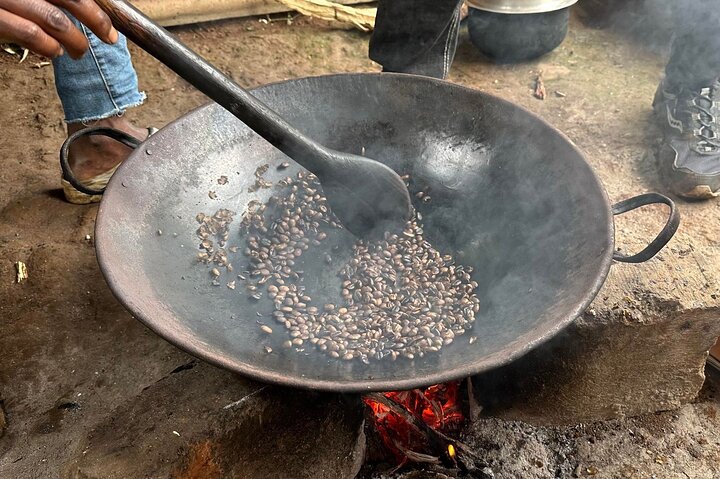
1. Coffee
Tanzanian coffee, which is grown in the large plantations of the northern part of the country (around Arusha and Kilimanjaro regions), is excellent. Try to consider buying it. Another thing is, Tanzanian tea, which is also as good as that from Kenya, they are significantly better.
2. All kinds of small wooden objects (Wooden trinkets)
Get one which is space-saving and light-weight, from the big five wildlife to the games of small animals for children, including key rings, you will find all kinds of figurines representing African fauna.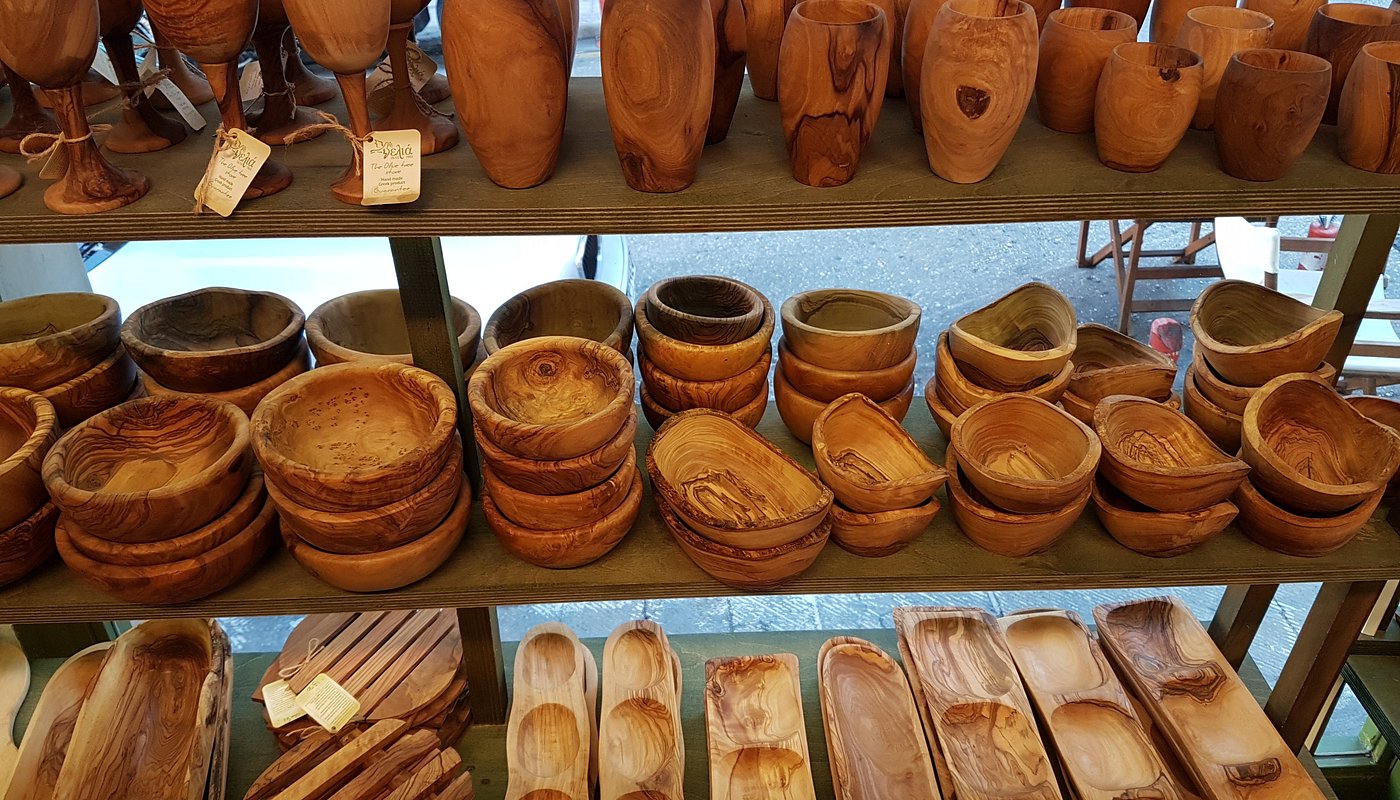
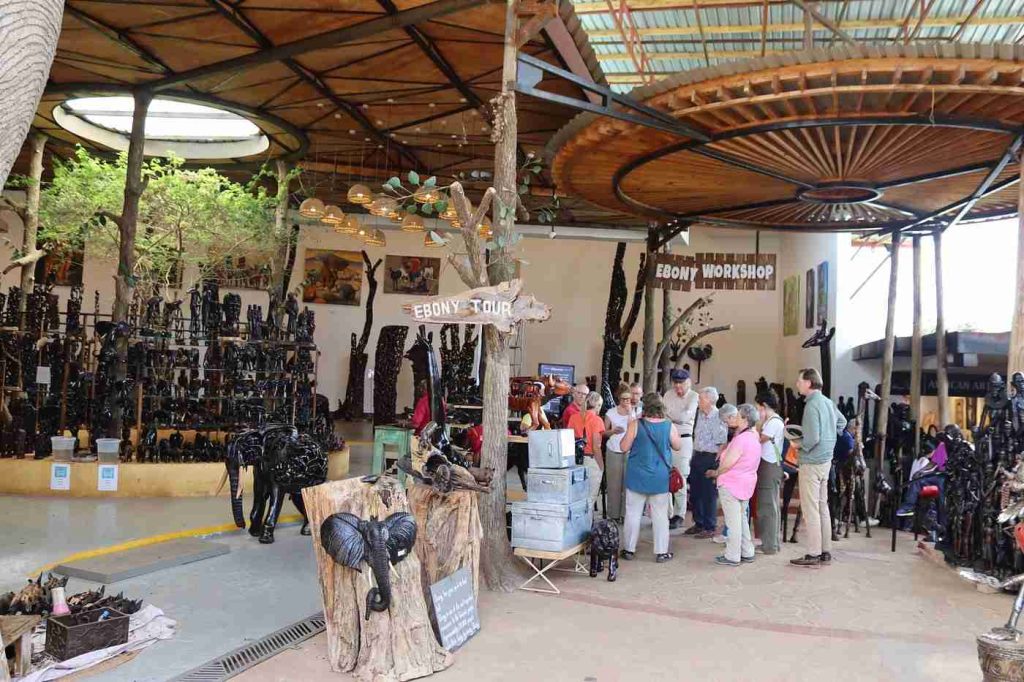
3. Ebony wood carvings
The most beautiful, the best known are the makonde carvings. The Makonde tribe group lives in southern Tanzania (Mtwara), the border region with Mozambique. These sculpted works from craftsman are often represent different style of human beings (Maasai tribes) wild animals, scenes of everyday life in the form of entwined figurines. Most of the sculptures sold in souvenir shops are mass-produced, which means that it is difficult to buy original sometimes.
4. Soapstone objects
Soapstone is a soft stone with a pinkish beige color (ivory-colored), which comes mainly from the Lake Victoria area. You can draw all the possible and imaginable objects from it, they are really exceptional and beautiful. Sculpted animals vary from a few grams to several kilograms. Among the best buys: boxes, ashtrays, vases, candle holders, some in rough stone, others dyed black and engraved with geometric patterns. The main downside, you guessed it, is the weight.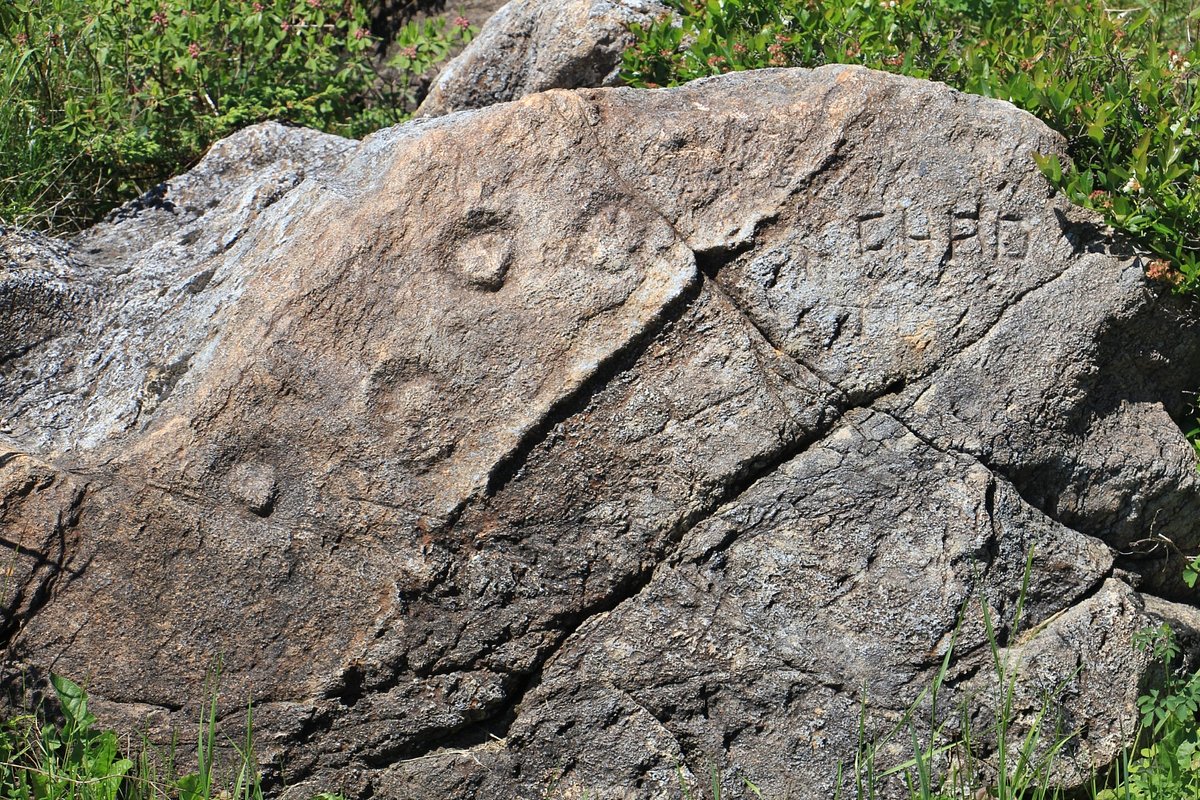
5. Precious and Semi-precious Stones
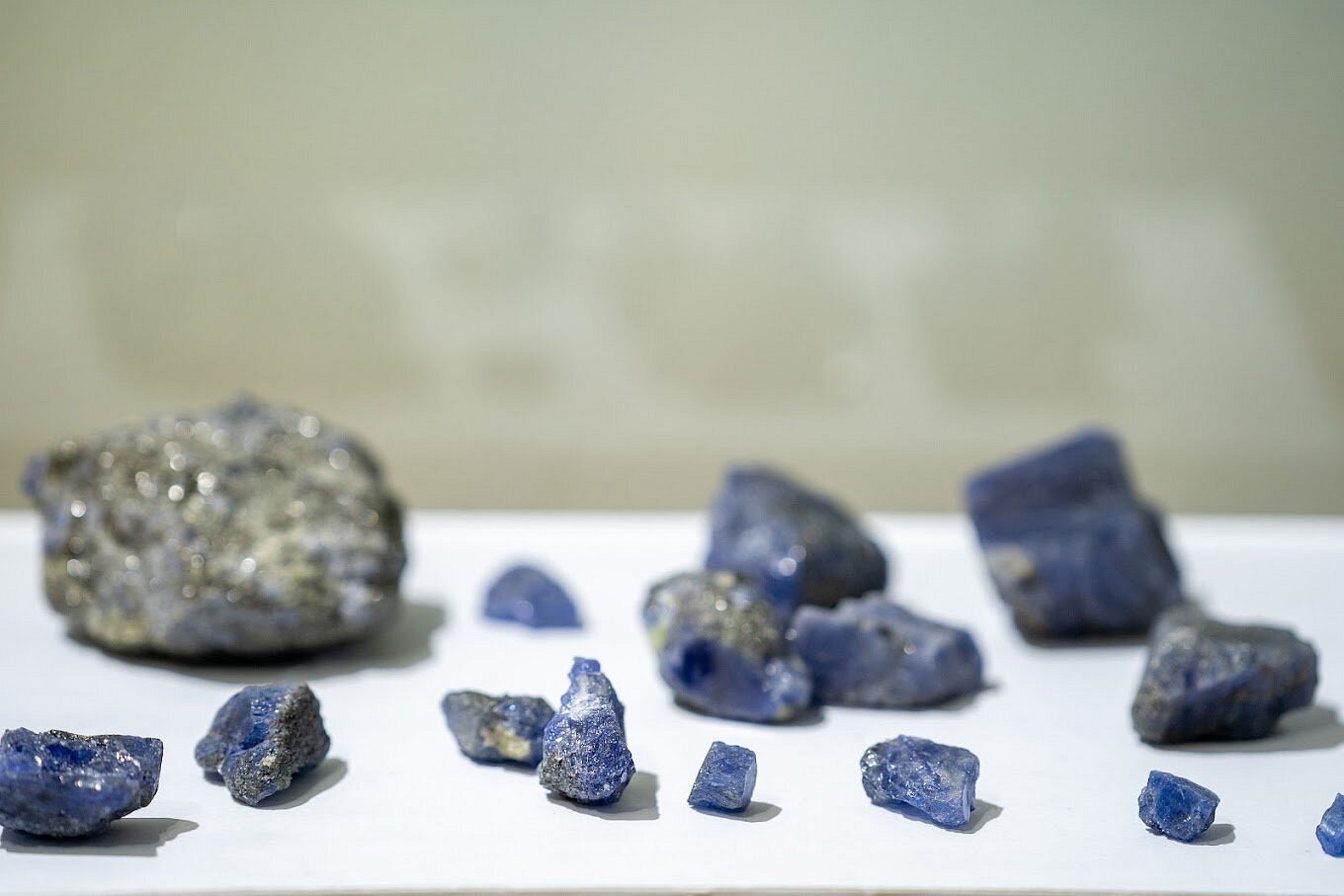
Tanzanite is the “favorite” stone of the country, from which its name is inspired elsewhere. Brown in color in its raw state, it turns blue, pink, and even purple after passing through heating. You can find, mounted or not, in jewelry stores run by the locals. Besides that, rubies, amethysts, malachites and many others can be bought retail or cut or already mounted.
In some well-stocked shops, you can find showcases divided into small boxes containing twenty or thirty samples of stones and minerals, which will real amuse the gems collectors. Gold is not very expensive in Tanzania. Among the good souvenir you can find is the little Africa Map as a pendant.
6. Jewellery in colored glass beads
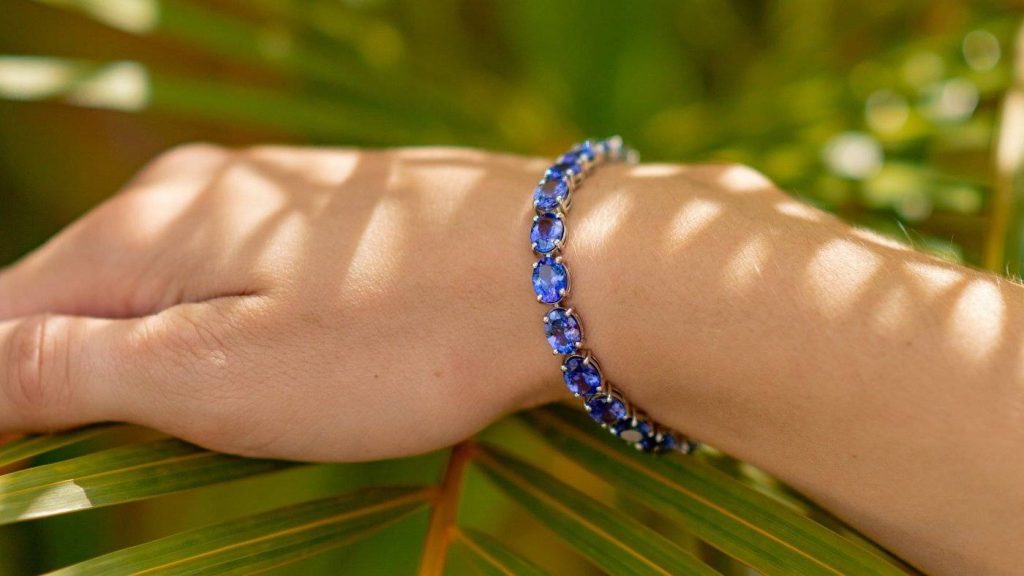
This you can find it in every roadside stall. We recommend bracelets, necklaces, belts, compact, light and inexpensive. The other items take up space and are quite expensive. The Maasai spears, the ornaments of the young Morans in ostrich feathers, the machetes, the shields, all these wonderful pieces from the Maasai culture, are today produced industrially, and are sold everywhere. Massais souvenirs are innumerable and inexpensive. Anything that looks like leather — untreated — is likely to be left with a stubborn smell sometimes.
7. Musical Instruments
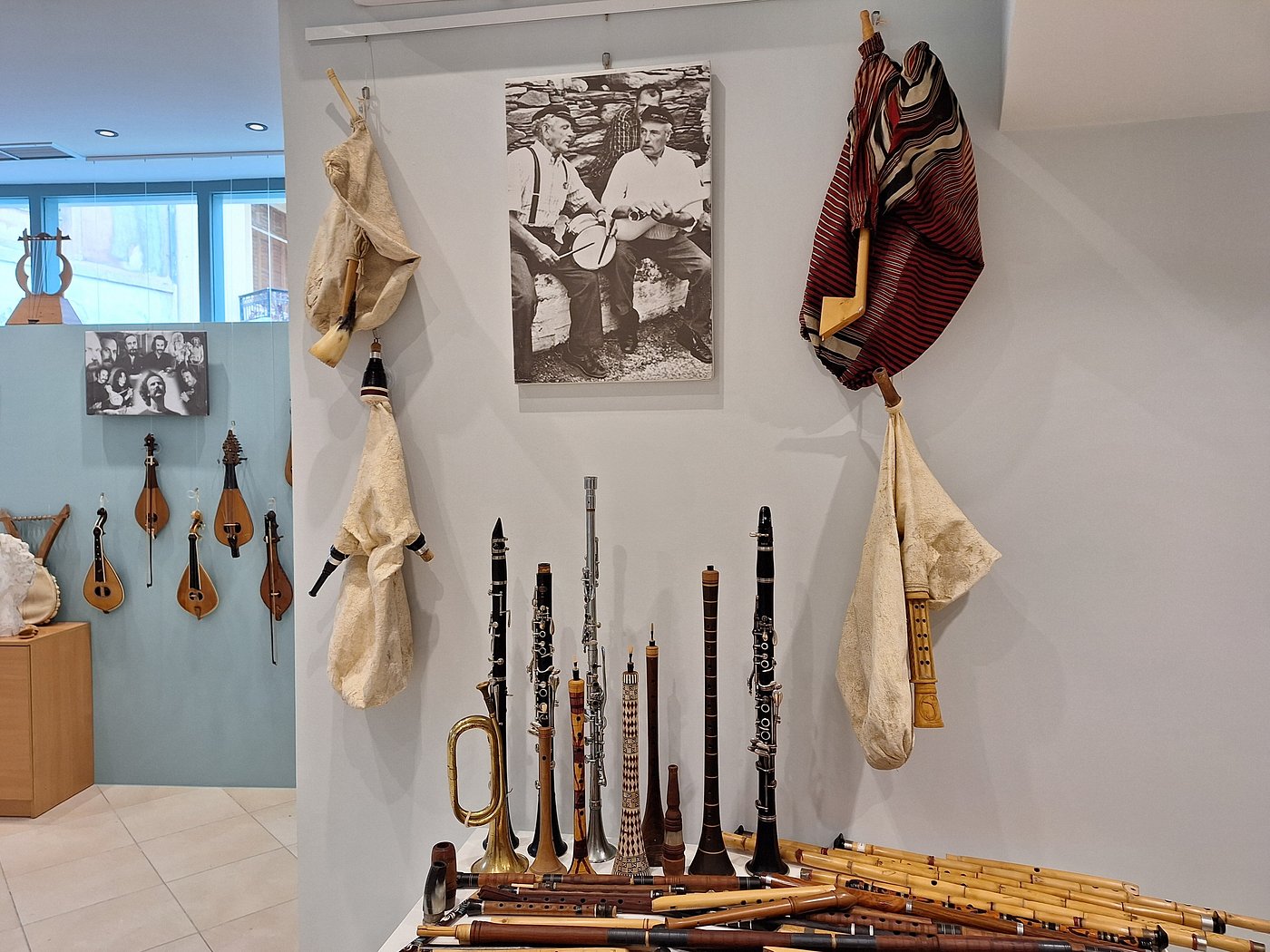
Drums come in different shapes and sizes. A tam-tam pointed downwards is intended to be planted in the ground. Otherwise, it is placed between the knees. The marimba is more original. It is a light wooden box, forming a small sound box. On the top, the craftsman fixes side by side a series of thin metal rods, of decreasing size, which, once activated, produce very nice tones.
To play, hold it with both palms and vibrate the rods with your thumbs. The size of the marimba varies depending on the number of metal rods it carries. The average is 8 to 12 stems. The largest marimbas can have about 50 stems. The price varies depending on the size. A great gift idea for friends.
8. Basketry, pottery
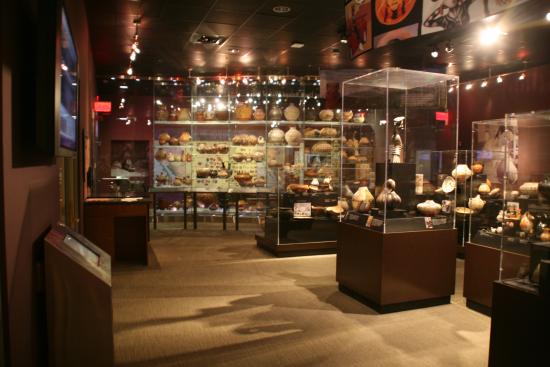
Bantu crafts. The most beautiful pottery comes from the Kisi ethnic group, in the Lake Nyasa region.
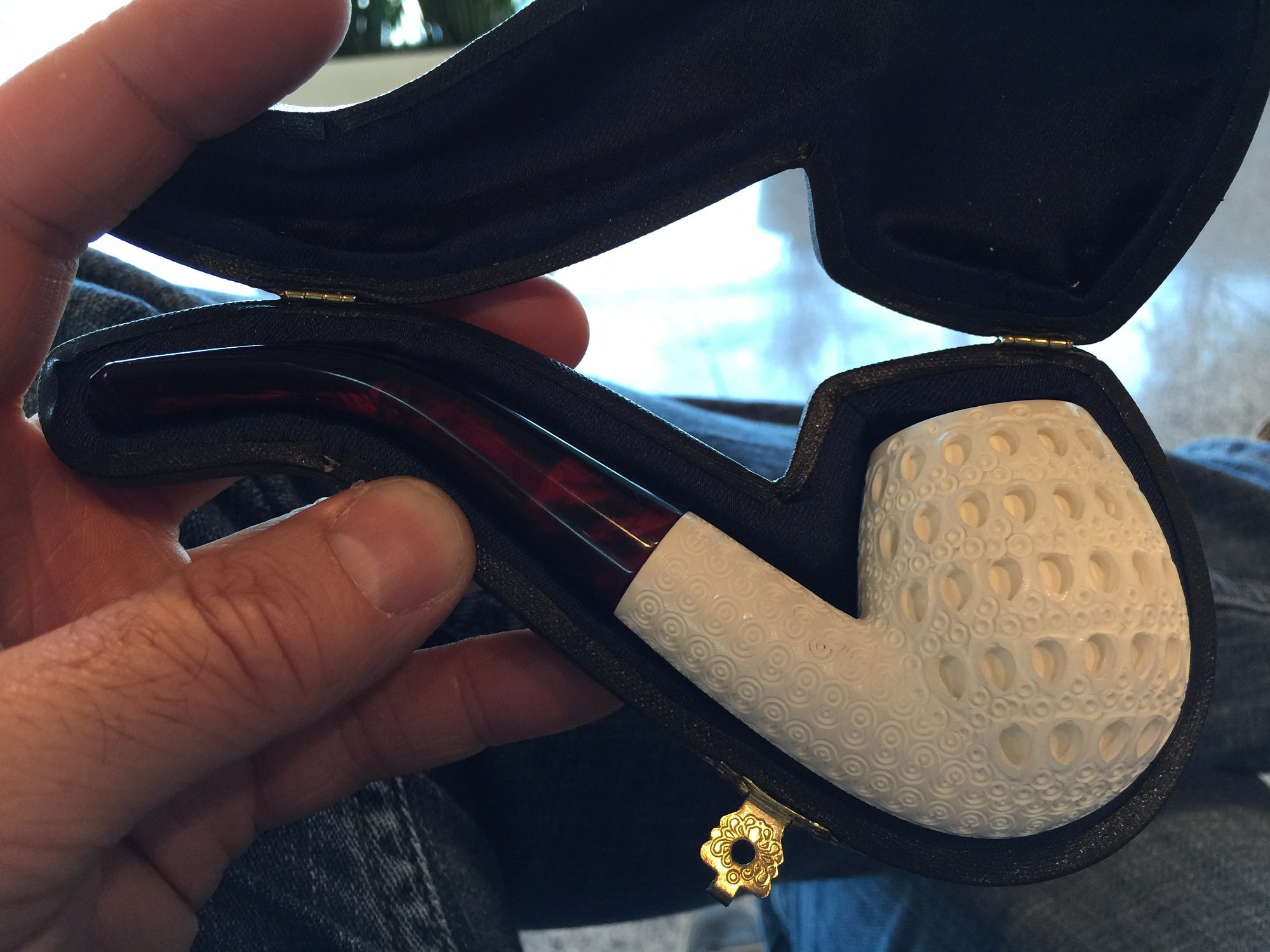
9. The smoking pipes
The famous “Meerschaum pipes”, simple, beautiful, not cumbersome. Some have stoves lined with a layer of foam
10. Spices
When visiting the island make sure you remember to bring back from Zanzibar your package of spices. Read more about Spices here.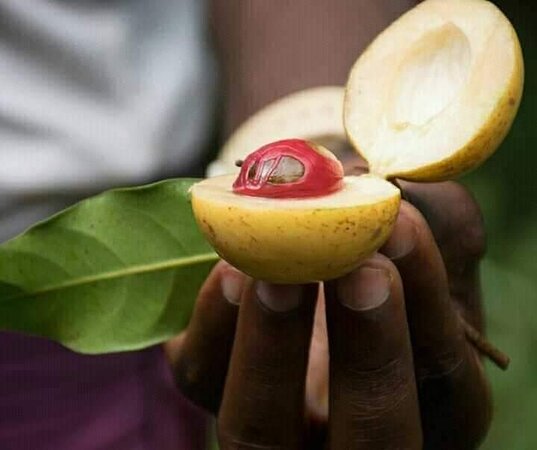
11. Clothing, traditional fabrics
Swahili cotton loincloths generally wear stripes of dark, almost dark colors. For women, there are kangas, rectangular fabrics in which African women are draped. Kitenges are colored fabric dress (and kitenge shirt for men). The kofia (barkashe) is the traditional headdress for Muslim men.
The kiondos: these are sisal fiber tote bags. Some are quite simple, others with a leather background. Most are striped. Convenient and pretty cool, although a bit expensive. Don’t hesitate to haggle.
Batiks: smaller (and very beautiful) like in Asia, they are generally covered with geometric patterns or animated representations.
The kikois and kangas: the sarongs of East Africa. The first come from the coast — they are slightly thicker — the others from the interior. They are always sold in pairs: one is used for clothing, the other for hanging a baby on the back. Most are illustrated with colorful designs and Swahili proverbs.
12. Children’s toys
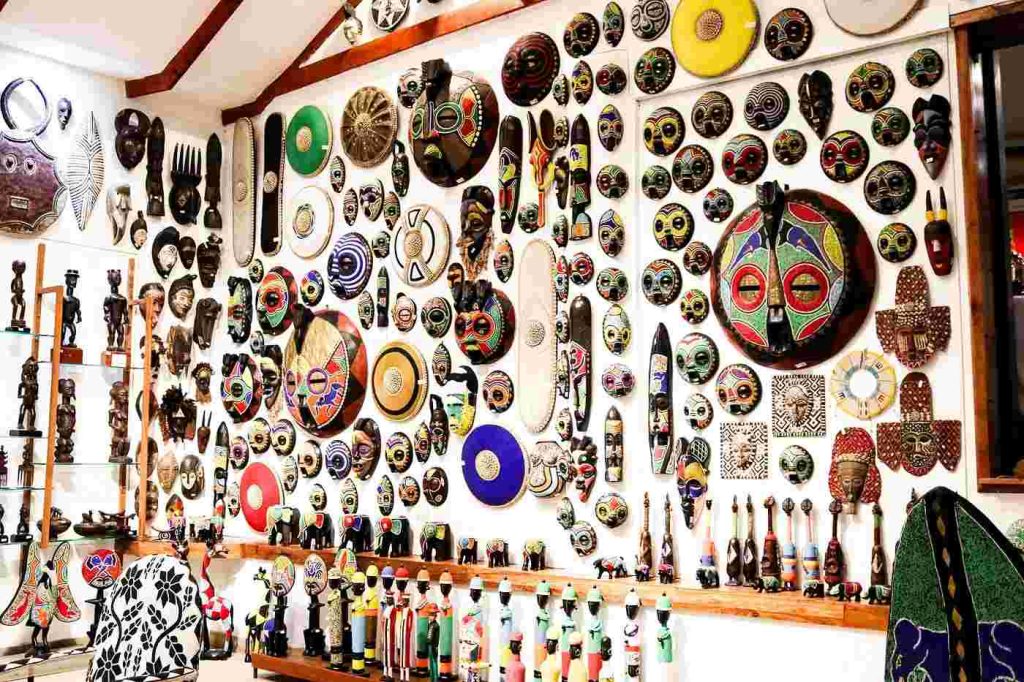
Cars made with pieces of salvaged wood, models, simple objects for collectors of naive art.

Conclusion
Objects or souvenirs from animals. Ostrich eggs, zebra skins, trophies, turtle shells, whatever else, all those pieces torn from the nobility of the wild life, which often only come after killing animals. This spirit disgusts us! Out of respect for nature and the animal world, do not buy these kind of souvenirs.
Frequently Asked Questions
What are the most popular souvenirs to buy in Tanzania?
Some of the most popular souvenirs visitors bring home from Tanzania include handmade crafts, colorful fabrics, and local artwork. Many travelers love buying traditional Maasai beadwork, wooden carvings, and paintings known as Tinga Tinga art. You can also find beautiful woven baskets, handmade jewelry, and decorative items made from natural materials. These souvenirs reflect the country’s rich culture and creativity. They are also meaningful reminders of your time exploring Tanzania.
Where is the best place to buy souvenirs in Tanzania?
You can find great souvenirs in local markets, craft shops, and cultural centers throughout Tanzania. Popular shopping spots include markets in Arusha, Dar es Salaam, and Zanzibar. These markets often offer a wide variety of handmade goods created by local artisans. Buying directly from local sellers also supports small businesses and communities. Just remember that bargaining is common, so don’t be shy about negotiating the price politely.
Is Maasai beadwork a good souvenir to bring home?
Yes, Maasai beadwork is one of the most meaningful souvenirs you can buy in Tanzania. The Maasai people create colorful necklaces, bracelets, and earrings using traditional bead patterns and designs. Each color often has a special meaning related to culture, nature, or daily life. These pieces are not only beautiful but also represent a long, standing cultural tradition. Wearing or displaying them at home can be a wonderful reminder of your safari adventure.
Can I bring wooden carvings from Tanzania back home?
Wooden carvings are another favorite souvenir among travelers visiting Tanzania. Skilled artisans carve animals like elephants, giraffes, and lions, as well as decorative masks and sculptures. Most of these carvings are made from local woods and showcase impressive craftsmanship. Before buying, it’s a good idea to check that the wood is legally sourced and allowed for export. When packed properly, these items can make unique and lasting keepsakes.
Are Tanzanian fabrics and clothing good souvenirs?
Tanzanian fabrics such as kanga and kitenge are wonderful souvenirs because they are colorful, practical, and culturally significant. These fabrics are often worn as clothing but can also be used as scarves, tablecloths, or home decorations. Many have beautiful patterns and Swahili sayings printed on them. They are lightweight, making them easy to pack in your luggage. Bringing one home is a great way to carry a piece of Tanzanian culture with you.
Still have questions?
Our local safari experts are happy to help you plan the perfect African safari.





