
Table of Contents
Tanzania is teeming with wildlife that you come to expect because you see images and mentions of them so often in the media. Zebra, hippo, giraffe, elephants and lions all get their fair share of their time in the spotlight and rightly so because they are all magnificent creatures. But there are many different species of wildlife that some have rarely been seen by most people, let alone even heard of!
We’d like to introduce you to just a few of the unique and unusual animals in Tanzania. Although if you want to see them up close and personal, then you’ll just have to book your trek or safari and come out.
Meet the Gerenuk
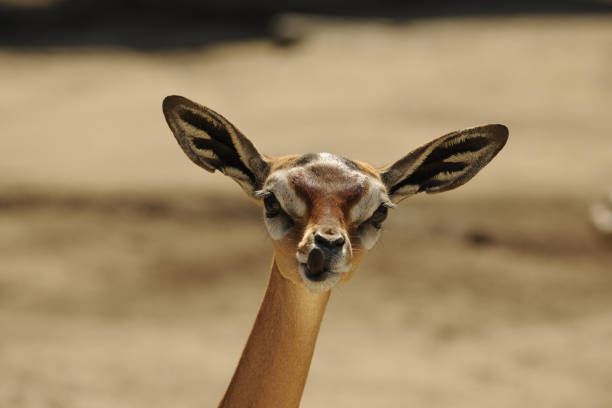
The Gerenuk is (Litocranius walleri) is a long necked species of antelope which is often referred to as a giraffe necked antelope as this is where the name stems from in the Somali language. They are an unusual looking creature because their head is rather small but their eyes and ears are big, giving them a very unusual appearance.
They like to live in dry areas and don’t need much water to survive because they get most of their
daily fluid intake from dew which they consume by eating leaves, shoot and flowers on trees. The famous acacia trees in Tanzania are a particular favourite of the Gerenuk and they can often be found standing on their back legs reaching their long necks up to enjoy the berries and buds.
The Gerenuk are similar to humans in that they will be active in the day and sleep through the night, choosing a place where they can keep themselves and their young safe from predators.

Because Gerenuks and Giraffes both enjoy the acacia trees, you will often find them eating from the same trees. The Gerenuk stretching up and the Giraffe bending down. The Gerenuk is considered Near Threatened so work has begun to monitor their species.
Meet the Bat Eared Fox
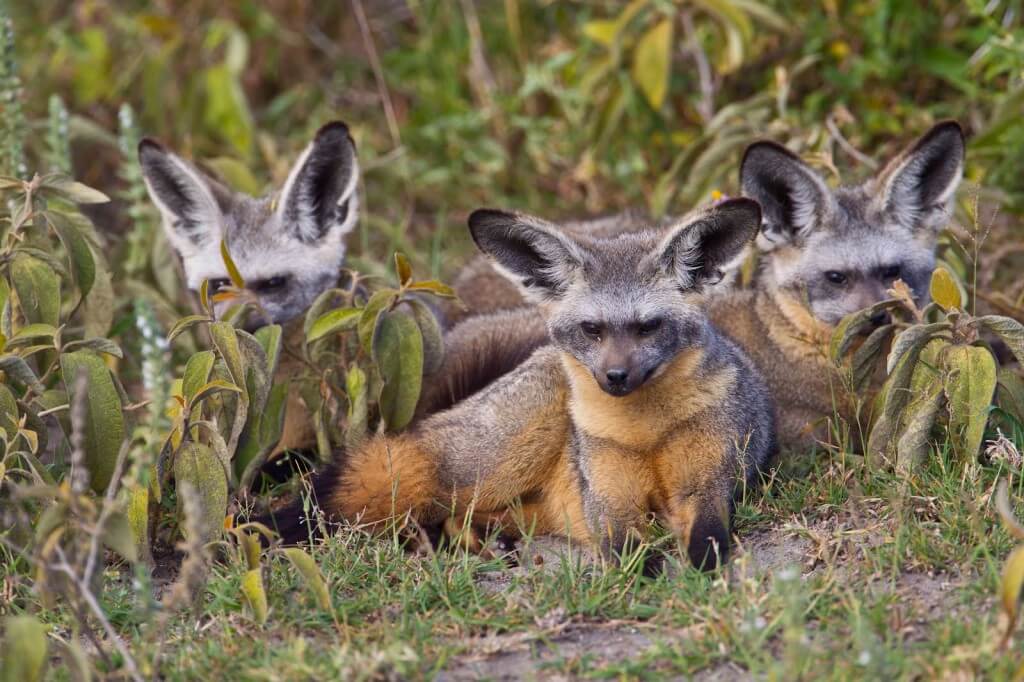
The Bat Eared Fox has been walking this earth for a very long time but they are not widely mentioned. Their unique ears are usually over 12 cm in length and are black which is why some refer to them as the black eared fox. They can be found in the grasslands and savannas of Tanzania where they create dens for themselves and their offspring. Their multiple dens contain several chambers and tunnels with multiple exits for a quick escape.
Their diet mainly consists of insects but occasionally they will feast on other small animals, eggs and even forna. They are also not big water drinkers because they get a lot of their daily fluid intake from the insects they consume.
The Bat Eared Fox is an excellent runner and can even run in reverse without losing speed in order to lose a predator. They have incredible dodging skills too which makes them hard to catch. The male does most of the work with the young and they are mostly monogamous but have been found to live in polygynous groups.
Meet the Black and Rufous Elephant Shrew

Just as its name suggests, the Black and Rufous Elephant Shrew is a mole like mammal which has a nose like the trunk of an elephant. They grow much larger than the average Shrew and adults can reach over 25 cm. This particular Shrew is quite striking in colour with its black and red/orange coat.
They live in forests and woodlands because they prefer the leafy habitat. There are four species of giant elephant shrew and they are endemic to Africa. They have a tongue like an aardvark which helps them eat ants, termites and spiders alongside beetles and nuts. They eat insects (beetles, termites, ants) and spiders, supplementing this with fruits and seeds.
Another fast runner, these little creatures can get up to great speeds in order to escape their predators and don’t scurry down burrows like other small mammals, they either run away or engage diversion tactics. These shrews are considered vulnerable so work has started to protect the species.
If you are fascinated by this small collection of African wildlife then you’ll be amazed by all the animals, birds and flora you can see and learn about on a trip to Tanzania.
Frequently Asked Questions
What are some unusual animals you can find in Tanzania?
Tanzania is full of wildlife surprises beyond the famous lions and elephants. One of the most unusual is the Gerenuk, an antelope that stands upright on its hind legs to reach leaves. Another is the Shoebill, known for its prehistoric look and massive bill. You might also encounter the Aardvark, which is rarely seen because it comes out only at night. Along the coast and forests, creatures like the Colobus Monkey add to the country’s uniqueness. These animals make Tanzania a fascinating destination for curious wildlife lovers.
Where can you see unusual animals in Tanzania?
Different regions of Tanzania offer different chances to spot unusual wildlife. The Serengeti National Park is not only for big cats but also home to lesser ,known species in its vast plains. In Tarangire National Park, you may spot rare antelopes and strange, looking birds among the baobab trees. The wetlands of Selous Game Reserve are perfect for unusual aquatic birds and elusive mammals. Forest areas like Mahale Mountains National Park offer sightings of unique primates. Each park gives a different experience, making exploration exciting.
Are unusual animals easy to spot on a safari?
Seeing unusual animals often requires patience and a bit of luck. Many of these creatures are shy, nocturnal, or live in less visited habitats. Unlike lions or giraffes, animals like the aardvark or shoebill don’t appear on every game drive. Experienced guides in Tanzania know where and when to look, which increases your chances. Early morning and evening safaris are usually the best times for sightings. Even if you don’t see them all, the search itself adds excitement to your trip.
Why does Tanzania have so many unique animals?
Tanzania’s rich ecosystems create the perfect environment for diverse wildlife. From savannahs and wetlands to mountains and coastal forests, each habitat supports different species. This variety allows both common and rare animals to thrive side by side. The country’s strong conservation efforts also help protect unusual and endangered species. Climate and geography play a big role in shaping animal behavior and appearance. All of this combines to make Tanzania one of Africa’s most biodiverse destinations.
Can unusual animals be seen all year round?
Many unusual animals can be seen throughout the year, but timing can affect your chances. During the dry season, animals gather around water sources, making them easier to spot. In the wet season, the landscape is lush, and some species become more active or visible. However, thick vegetation can make sightings slightly harder. Certain birds, like the shoebill, may be easier to find in specific seasons depending on water levels. Planning your safari with seasonal patterns in mind can improve your experience.
Still have questions?
Our local safari experts are happy to help you plan the perfect African safari.





