
Table of Contents
-
- Where to Visit for Safari in Tanzania
- Northern Circuit Tanzania Safari”>Northern Circuit Tanzania Safari”>Northern Circuit Tanzania Safari
- Central Circuit Tanzania Safari
- Southern Circuit Tanzania Safari
- Western Circuit Tanzania Safari
- Lake Zone Circuit Tanzania Safari
- Indian Shore Circuit Safari Excursion
- South Coast Circuit Safari Excursion
- When to Visit Tanzania for Safari Holiday?
- Few Facts About Tanzania before Going for Safari
- Visit Tanzania with Safari ASAP
- Frequently Asked Questions
Visiting Tanzania, the largest country in East Africa and one of the most fascinating places you should go. It is located just near the equator and is bordered by the Indian Ocean. A number of well-known tourist destinations can be found when visiting Tanzania, including Zanzibar with its dream white sand beaches, serene coral reefs, and ancient Stone Town, Mount Kilimanjaro, Africa’s highest peak, which can be hiked for 5 days; and a magnificent array of wildlife sanctuaries that occupy one-third of the nation and include Ngorongoro Crater and the endless Serengeti plains – the traditional African elephant. A trip of a lifetime can be arranged by combining these factors while visiting Tanzania’s extensive ethnic diversity, jungle walks, and possibly the best diving and snorkeling on the continent.
Tanzania’s greatest resource, despite all these headlines, is its population. Genuine friendships are simple to form because they are hospitable, modest, and laid back. They will treat you with extraordinary warmth and courtesy wherever you go. Tanzanians, unusually for people in Africa, have a strong and tranquil sense of dual identity; they are equally proud of their country as of their tribe.
A few tribes continue to practice their ancient ways of life despite the majority having abandoned them decades ago. The most well-known of them is the cattle-herding Maasai, whose fiercely proud, red-robed, spear-wielding warriors serve as a gorgeous traditional for East Africa. Nevertheless, there are around 125 other tribes, each with a wealth of traditions, histories, rituals, beliefs, and music, some of which you can experience firsthand through our Tanzanian cultural tourism programs.
Where to Visit for Safari in Tanzania
Most travelers head straight for Northern Tanzania’s national parks and reserves, which includes the Serengeti, where every year more than 2.5 million wildebeest, zebra, and antelope migrate, followed by lions and hyenas and are killed by crocodiles at river crossings. Another attraction is the nearby Ngorongoro Crater, a sizable volcanic caldera that serves as a year-round home for rhinos and a variety of predators. The only active volcano in Tanzania, Ol Doinyo Lengai, and Lake Natron, a vast salt lake popular with flamingos and desert enthusiasts alike, are both accessible from Ngorongoro.
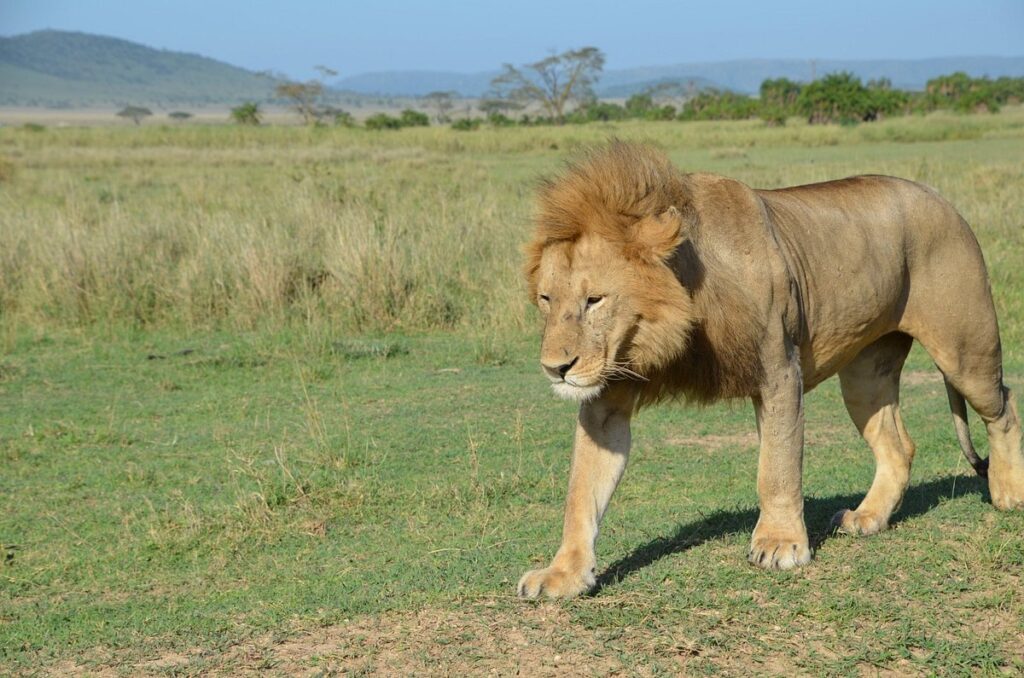
Northern Circuit Tanzania Safari
Arusha National Park is home to Mount Meru, the second-highest mountain in the nation, and Tarangire, a magnificent park for elephants whose immensity is well supplemented by forests of enormous baobabs, Lake Manyara, and Lake Manyara are less well-known parks.
The primary starting point for Northern Circuit safaris is Arusha, which is also a convenient location for a number of cultural tourist initiatives. Mount Kilimanjaro, which takes a week to climb, is to the east of here. which is a taxing but rewarding challenge, while to the south are the old formations of the Pare and Usambara mountains, repositories of some of the most biologically diverse rainforests in the world, particularly at Amani Nature Reserve near the coast, which justly earns its moniker of “the Galápagos of Africa.”
Central Circuit Tanzania Safari
Dodoma, Tanzania’s administrative capital, is located in the middle of this dry and semi-arid woods, which is a large portion of Central Tanzania. The Irangi Hills’ magnificent prehistoric rock drawings, the oldest of which dates back at least eighteen thousand years, are primarily what make it suitable as a starting point for exploration.
Hikers have access to the Uluguru Mountains near Morogoro, which are also known for their high animal richness and fascinating local culture. The Udzungwa Mountains are even more abundant; although their western side is a haven for birdwatchers, their eastern flanks are fantastic for observing primates.
Southern Circuit Tanzania Safari
A pair of parks cater to safari travelers. The Nyerere National Park, the largest in the nation and home to the most elephants, is the star. The northern region of the park, which receives water from the interior delta of the Rufiji River, is also very lovely. On the way to southern Tanzania, the national park of Ruaha is also excellent for wildlife. The Southern Highlands, which are largely unexplored by tourists, is a walker’s paradise of volcanic crater lakes, deep rain forests, jagged hills, and the flower-covered Kitulo Plateau, which is home to over fifty varieties of orchids. The highlands are best visited with a guide from Safari ASAP get in touch with us for more information.
Western Circuit Tanzania Safari
A port-hopping excursion on the weekly ferry is one of the country’s iconic journeys. Further south is Lake Nyasa, the southernmost of the Rift Valley lakes and home to hundreds of species of colorful cichlid fish. The world’s largest and second-deepest freshwater lake, Lake Tanganyika, is located in the West of the country and is the other major Rift Valley lake. It was the location of another spectacular ferry voyage. In addition, the lakeshore is a beautiful setting for the two far-flung national parks of the Mahale Mountains and Gombe Streams, both of which are chimpanzee habitats.
Lake Zone Circuit Tanzania Safari
The shallow Lake Victoria, the second-largest freshwater lake on earth, dominates northwest Tanzania. The sights are breathtaking, and the little-known Rubondo Island National Park, which is positively teeming with birds, is located in the southwest corner of the lake. Between Uganda, Rwanda, and the lake lies the equally distant but equally fascinating Kagera Region, where a cultural tourism program from Safari ASAP may take you to locations that few visitors have visited.
Indian Shore Circuit Safari Excursion
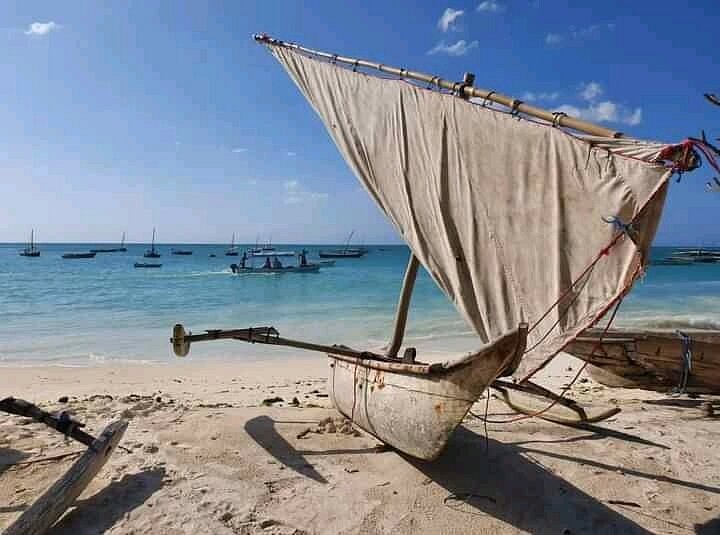
The Indian Ocean offers a completely unique experience. One of the most well-known and alluring places in Africa is Zanzibar, which comes highly recommended. It consists of the islands of Unguja and Pemba, which have long beaches and a variety of colorful coral reefs (ideal for diving and snorkeling), ancient ruins, and in the form of Stone Town, an intriguing escape in the style of Arabia that is filled with mansions, palaces, and bazaars from the 19th century. Dar es Salaam, the nation’s historic capital and current largest city, is the largest town on the mainland and is worth visiting to see the vibrant nightlife.
South Coast Circuit Safari Excursion
A number of beach resorts (Pangani being the greatest), the Saadani National Park, and various slave-trading villages, including the iconic Bagamoyo, which is crammed with historical structures, are located north of here. The south coast of Tanzania is more untamed; Kilwa’s remains, an ancient island state that was once one of the richest and most significant towns in all of Africa, add historical color. The Mafia archipelago features spectacular coral reefs and its fair share of medieval ruins offshore.
When to Visit Tanzania for Safari Holiday?
With the highlands (above 1500 m altitude) enjoying a temperate tropical climate and the flat coast experiencing a humid equatorial climate, Tanzania has roughly two very distinct climate zones in its interior. The temperature drops more quickly the higher you go. The temperature increases as you descend (towards the Indian Ocean) (sometimes very hot). It will appeal to you.
Tanzania Weather Seasons:
Dry season: May to October. Then, from December to February, are when it gets the hottest. Sunlight, a clear sky, deserted areas, and thirsty wildlife
The rainy season: From the beginning of March to the beginning of May, there is the “great rainy season.” About two months are involved (March-April). It can get chilly in the evenings. The temperature can fall below 10 degrees Celsius during the night time in the area surrounding the Ngorongoro crater (bring woolen clothing if you want to travel there during this period of time).
Early November to mid-December is the brief rainy season. Only at specific times during this season does it rain, and it is not uncomfortable. Naturalists and wildlife-loving artists enjoy the wet season since there are more animals and fewer visitors. Because of the extraordinary brightness, photographers also like humid times. Under charcoal-colored skies, the enormous, yellow savannah is rekindled by the light following the storm. The animals also roam more in quest of water sources. The pricing for trips and on-site services are less expensive during this low season than they are during the high season.
Regions and their particularities:
Northern circuit parks: hot, high-altitude climate. The heat that is present but never oppressive. The Serengeti, Tarangire, and Manyara national parks are situated on average 1500 meters above the Indian Ocean.
In Arusha, temperatures in January range from 14 °C (at night) to 28 °C (during the day). In terms of temperature, January, February, and March are the hottest months. The wettest month is April (239 mm), and the driest month is August (7 mm). Snowfall at night on Mount Kilimanjaro in January and February. Frosty evenings from July through August.
The eastern coast and Dar es Salaam experience an equatorial climate with considerable air humidity. The whole year-round, it is hot and stuffy. December, January, February, and March are the warmest months in Dar es Salaam (average daily temperature: 27 °C). In general, November and December as well as early March through early May bring rain to the shore.
The equatorial climate in the islands of Zanzibar, Pemba, and Mafia has the same temperatures and precipitation as in Dar es Salaam and along the coast. Therefore, it is extremely hot and humid, with the exception of the months of June through September when the trade winds from the Indian Ocean blow. Refer to the Zanzibar chapter for more information.
Which time of year should you visit Tanzania for a safari? At Safari ASAP we recommend that you avoid the months of July and August, Christmas, and school vacations if at all possible because these times see a high volume of visitors and automobiles in the parks. The months of January, June, September, and October are all favorable. The wet season is perhaps our favorite if you enjoy being outside in the rain. If not, get in touch with Safari ASAP for additional information.
Few Facts About Tanzania before Going for Safari
In 1964, Tanganyika on the continent and Zanzibar united to form Tanzania. Dodoma serves as the administrative center, although Dar es Salaam is the country’s social and economic hub.
Tanzania is twice the size of California and four times the size of the UK, with a total area of 945,203 square kilometers. 40 million people call it home. A multi-party democracy exists in Tanzania. Elections on the mainland are unimportant, but Zanzibar’s separate elections—the islands are partially autonomous—are immensely polarizing.
Tanzania is one of the four countries with the highest levels of natural diversity, and 30% of its land is designated as protected natural surroundings. More than 10,600 plant species, 320 different types of mammals, about 1200 different bird species, numerous butterflies, hundreds of different fish and coral species, and other marine life are all included in the species counts. Tanzania is next only to Congo in terms of ethnic diversity in Africa, with 128 officially recognized tribes plus a few more that were not counted. Kiswahili is widely spoken in Tanzania, which contributes to the country’s marvelously harmonious ethnic mix.
Visit Tanzania with Safari ASAP
Tanzania is a tropical country with two wet seasons and two dry seasons, which are mostly determined by the monsoon winds and currents of the western Indian Ocean. The heavier short rains should fall for about a month somewhere between October and December, depending on the location, but in southern Tanzania they tend to incorporate with the long rains, giving only one dry season, which is May or June to November. However, the lighter short rains are impossible to predict with certainty.
Highland regions have very pleasant weather, though it can get chilly in June and July because coastal and lakeside regions are hot and nearly always humid, making the air feel even hotter than it really is. The air temperature drops by about 6C (11F) for every 1000 meters you climb in highland regions.
Travel is often better during the dry season, especially from June to September when it’s less humid, easier to spot wildlife, and even the hardest unpaved roads are passable, unlike when it rains. Try to avoid the coast during rainy weather, especially in Zanzibar, as the heavy humidity and insects may make you uncomfortable. Ramadan, when most cafes are closed and the mood is not at its best during the day, is also not the ideal time for Zanzibar but has little effect on the mainland.
Do you wish to Climb Mount Kilimanjaro: Find out the best to trek Mount Kilimanjaro
Frequently Asked Questions
When is the best time to visit Tanzania for a wildlife safari?
The best time to visit Tanzania for a safari depends on what you want to see. The dry season, from June to October, is often considered ideal because animals gather around water sources and are easier to spot. This is also the time when the famous Great Migration river crossings happen in northern parks. The weather is generally sunny with less vegetation, making game drives more rewarding. However, the green season from November to May offers fewer crowds and beautiful landscapes. Both seasons provide unique and memorable safari experiences.
Where should I go for the best wildlife experience in Tanzania?
Tanzania has several top safari destinations, each offering something special. The Serengeti National Park is world, famous for its vast plains and incredible wildlife density. The Ngorongoro Crater provides a unique setting where animals live inside a natural volcanic caldera. Tarangire National Park is known for its large elephant herds and iconic baobab trees. For a more remote experience, Ruaha National Park offers wild and less crowded landscapes. Each location adds a different flavor to your safari journey.
Is it worth visiting Tanzania during the rainy season?
Visiting Tanzania during the rainy season can be surprisingly rewarding. The landscape becomes lush and green, creating stunning scenery for photography. This is also the best time for birdwatching, as migratory species arrive in large numbers. Fewer tourists mean more peaceful game drives and often better rates at lodges. While some roads may be challenging, many parks remain accessible and full of wildlife. It’s a great option for travelers looking for a quieter and more budget friendly safari.
Where can I see the Great Migration in Tanzania?
The Great Migration is one of the most spectacular wildlife events in the world. It mainly takes place in the Serengeti National Park, where millions of wildebeest and zebras move in search of fresh grazing. From December to March, the herds are usually in the southern Serengeti for calving season. Between June and October, they move north toward the Mara River, where dramatic crossings occur. Timing your visit carefully can help you witness different stages of this incredible journey. A knowledgeable guide can make all the difference in finding the herds.
Can I combine a safari with other experiences in Tanzania?
Tanzania offers much more than just traditional safaris. After your wildlife adventure, you can relax on the beautiful beaches of Zanzibar. You might also consider climbing Mount Kilimanjaro, Africa’s highest peak, for a completely different challenge. Cultural tours in local villages can give you insight into Tanzanian traditions and daily life. Some travelers also explore chimpanzee trekking in western parks for a unique wildlife encounter. Combining different experiences makes your trip more diverse and unforgettable.
Still have questions?
Our local safari experts are happy to help you plan the perfect African safari.





