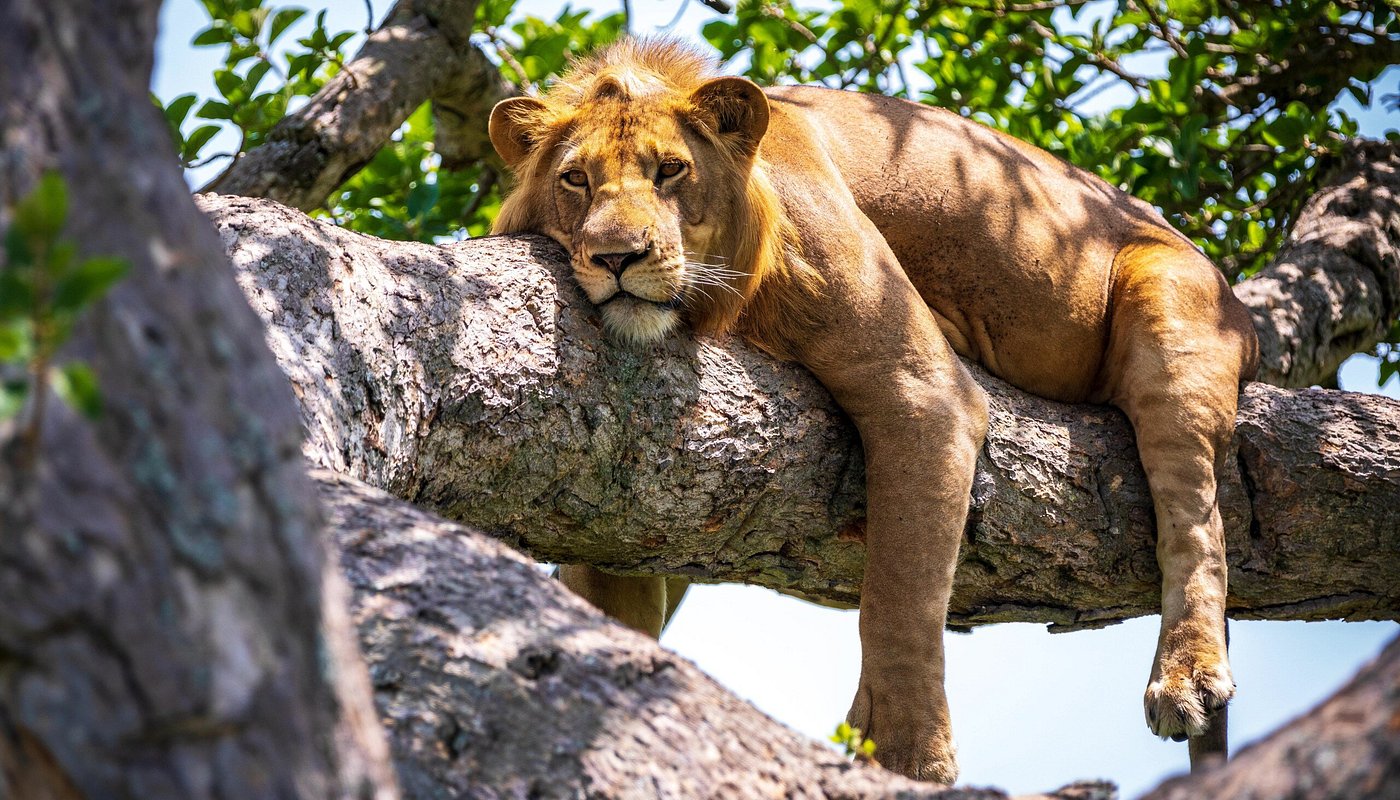
Lake Manyara National Park has the advantage of being near Arusha and as its surface area is relatively small (330 km²), you can only spend half a day there when arriving or leaving. But there is plenty to spend whole days there. The zoo fauna is particularly interesting there, with hornbills of all species, martins, bee-eaters. There are very beautiful large trees, mahogany, ficus, “classic” baobabs with wide and thick trunks or much more slender ones (a bit in the style of Malagasy baobabs). This park is known for its lions perched in the acacia trees and for its numerous elephants. A large lake occupies a large part of it which allows you to observe all the shore fauna, from the flamingo to the pelican, including lapwings, sandpipers, avocets, stilts and others. Since 2004, it has been possible during certain periods to canoe on the lake.
This park more than compensates for its small size with the beauty and variety of its landscapes as well as the richness of its fauna. This original space is well known for its concentrations of buffalo, its beautiful herds of elephants, but above all for the particularity of lions resting in the trees. The birds of the park deserve special attention; an attentive observer will count more than 200 species , the most numerous and perhaps the most beautiful of which is the pink flamingo. Best time to visit: all year round (from Arusha, allow 3 hours drive or 1 hour charter flight).
In conclusion, a park which we can do without, but which it would be a shame to neglect if we like birds and flora, the unusually very slender baobabs (a bit like those of Madagascar) which grow on the hillside are remarkable.
Frequently Asked Questions
What makes Lake Manyara National Park special?
Lake Manyara National Park is known for its incredible diversity despite being relatively small. It stretches along the base of the Great Rift Valley escarpment, creating a dramatic backdrop. The park is famous for its tree, climbing lions, which are a rare sight in Africa. It also features a mix of habitats, including forest, grassland, and the alkaline lake itself. This variety makes it a great introduction to Tanzania’s wildlife.
What animals can you see in Lake Manyara National Park?
Lake Manyara is home to a wide range of animals, making every game drive exciting. You can see elephants, giraffes, zebras, and large troops of baboons moving through the forest. The park is also known for its hippos, often seen in pools near the lake. Birdlife is especially impressive, with flamingos and many other species depending on the season. It’s a great place for both wildlife lovers and bird enthusiasts.
Is Lake Manyara good for birdwatching?
Yes, Lake Manyara is one of the best birdwatching destinations in Tanzania. The lake attracts thousands of birds, including flamingos, pelicans, and storks. Over 400 species have been recorded in the park, making it a paradise for bird lovers. Even if you’re not an expert, you’ll notice the variety and beauty of the birds around you. The changing seasons bring different species, so there’s always something new to see.
When is the best time to visit Lake Manyara National Park?
Lake Manyara can be visited throughout the year, but the dry season from June to October is often preferred. During this time, animals are easier to spot as they gather around water sources. The wet season, however, brings lush greenery and is excellent for birdwatching. Flamingos are more likely to be seen when water levels are suitable. Each season offers a different but equally enjoyable experience.
How do you get to Lake Manyara National Park?
Lake Manyara National Park is easily accessible from Arusha, making it a popular stop on the northern safari circuit. The drive takes about two to three hours and passes through scenic landscapes and local villages. Many travelers visit it as part of a larger safari that includes Ngorongoro and Serengeti. You can travel by private safari vehicle or as part of a guided tour. Its convenient location makes it a great addition to any itinerary.
Still have questions?
Our local safari experts are happy to help you plan the perfect African safari.