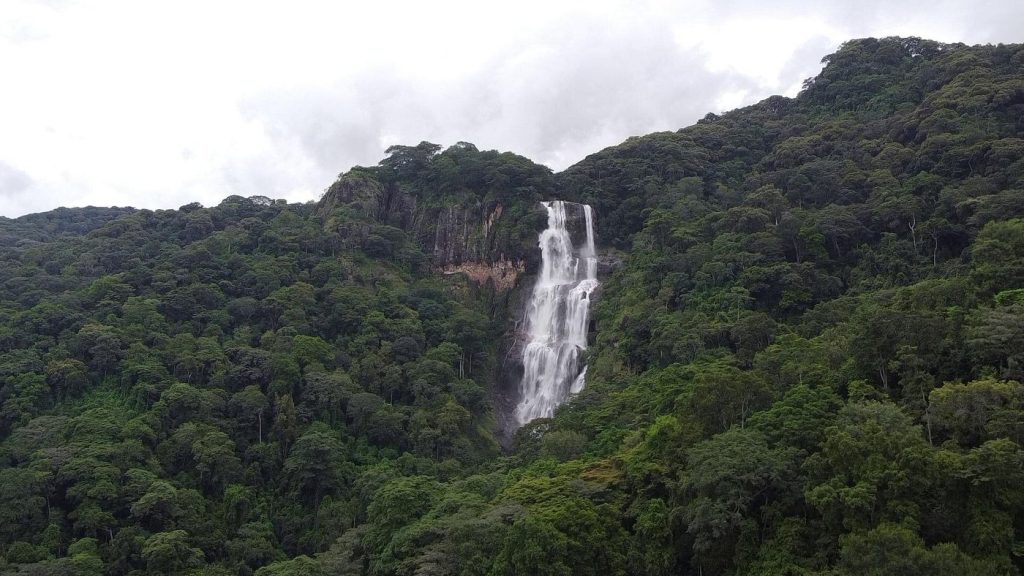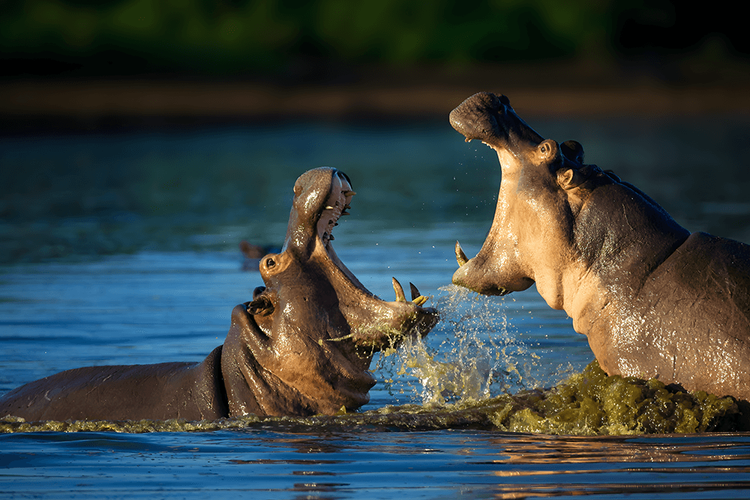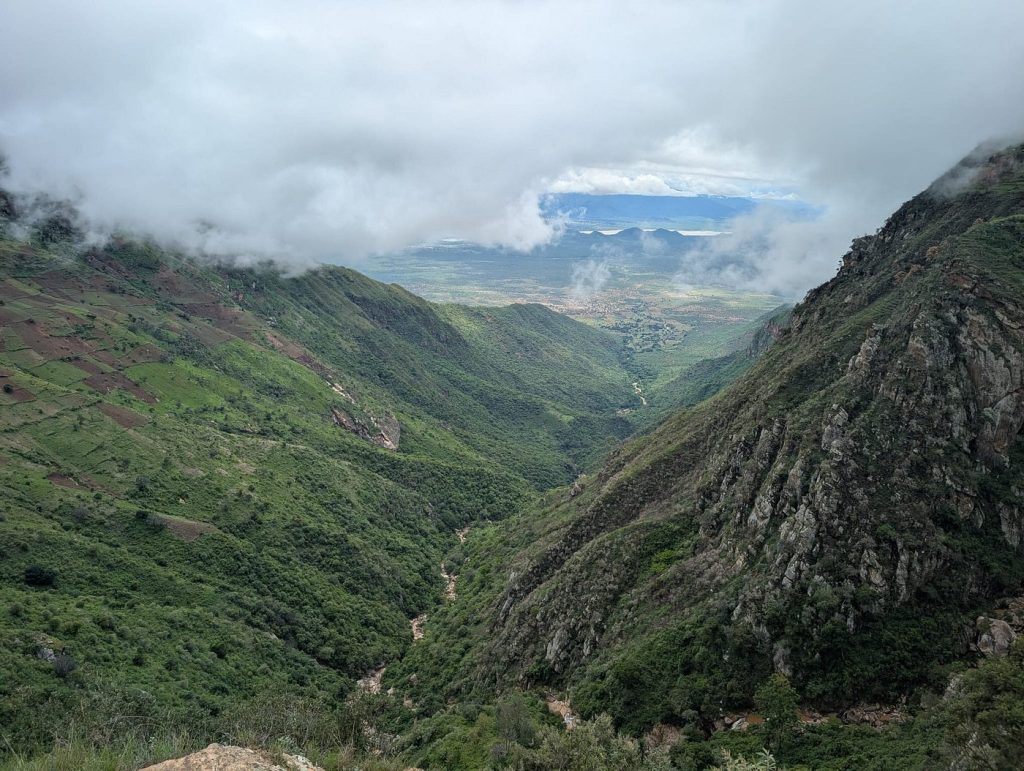
Zanzibar Island : The mere name of Zanzibar conjures up exciting images of coral sand beaches and of palm trees, of the exotic spice trade and of Arab dhows. It’s all there, together with warm temperatures, all year round. Add to this, the fascinating architectural heritage of Zanzibar’s Swahili culture, and you have a truly remarkable holiday destination. The term Zanzibar may refer to the political entity, to the main island or to the main town. In this introduction, we will be thinking of the whole archipelago. You will almost certainly arrive by air, probably from Dar es Salaam, Arusha or from an airport in Kenya. Most visitors are European, with about three to four times as many Italians as any other national group, followed by British, Scandinavians, Americans and Germans.
Time to Visit
Most people tend to come during the dry seasons, but there is no reason why you should not visit Zanzibar at any time of year. The dry seasons are December to February and June to October. Rain occurs in November (short rains) and April to May (long rains) but is rarely continuous for long, and there is the advantage of fewer visitors and cheaper prices. Zanzibar’s climate is monsoonal, with winds reversing at different seasons, the northeast monsoon from November to March and the southwest monsoon from June to October. Being on the windward side of the island is often preferable, as it gives you the benefit of the moderating sea breezes. It is never very hot, with temperatures in the range of 26-28°C (79-82°F). However, the humidity can, at times, be uncomfortably high, especially from December to February, and your ‘beach cottage in paradise’ might come minus either air-conditioning or a fan, making sleeping difficult inside a mosquito net. At these times an onshore breeze is very welcome.
Busy holiday times may also be best avoided, as these are the periods when expatriates from Dar es Salaam, Nairobi and presently Arusha flock to the coast and the islands, making available accommodation scarce. Also avoid Ramadan, the Muslim month of daytime fasting. Although locals certainly live it up at night, restaurants, bars and even shops may be closed during the day. Ramadan moves eleven days earlier in the calendar annually. It is from March to April of 2023.
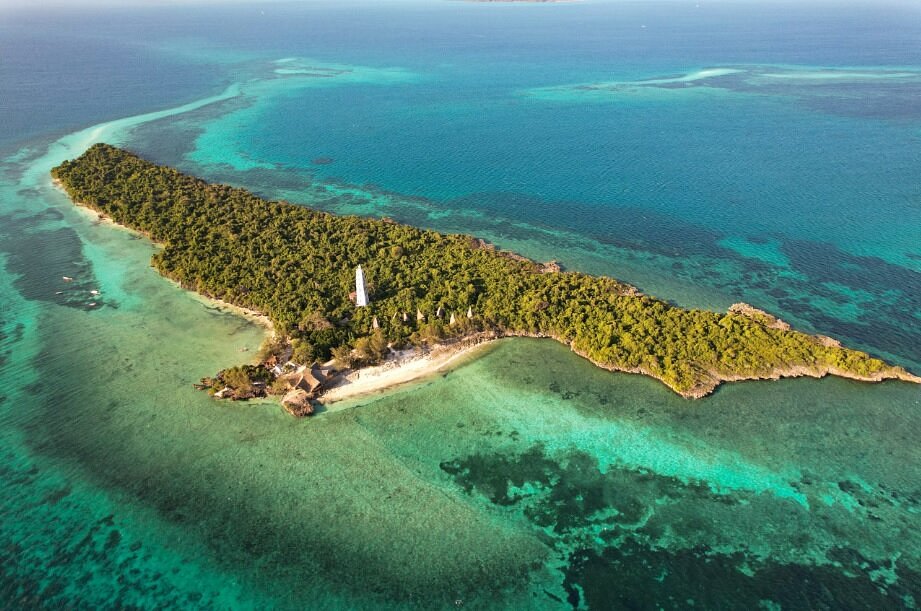
Zanzibar Island is about 40km (25 miles) off the mainland coast and is roughly 85 x 30km (53 x 18 miles). Pemba, to the north, is about 75 x 20km (46 x 12 miles). Also, there are dozens of small islands, such as Mnembe and Uzi, many of which are superb diving locations. All islands are fairly flat, with the maximum altitude on Zanzibar (Unguja) being only 120m (393ft). The land is generally formed from former coral, some of which is relatively unweathered and is visible on the surface. Coral is the main building stone. There are fringing coral reefs all around the coast, broken in a few places.
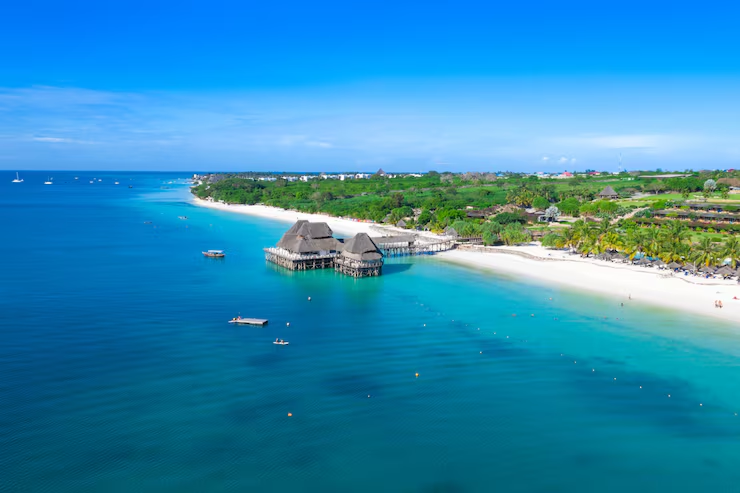
The reef is generally a kilometre or so off the coast, and there is usually a shallow lagoon between the reef and the mainland. Many areas have gorgeous white sandy beaches. Beyond the reef, the seabed plunges into the depths of the Indian Ocean. With the coral sand, the lagoon and the reef, normally fringed with coconut palms, for many the Zanzibar coastline is the nearest they will get to their idea of paradise. Cloves are still the major export of Zanzibar, although seaweed collection has recently become increasingly important. Tourism is still less important than one might expect. In 2022 Zanzibar had 544,500 tourist visitors.