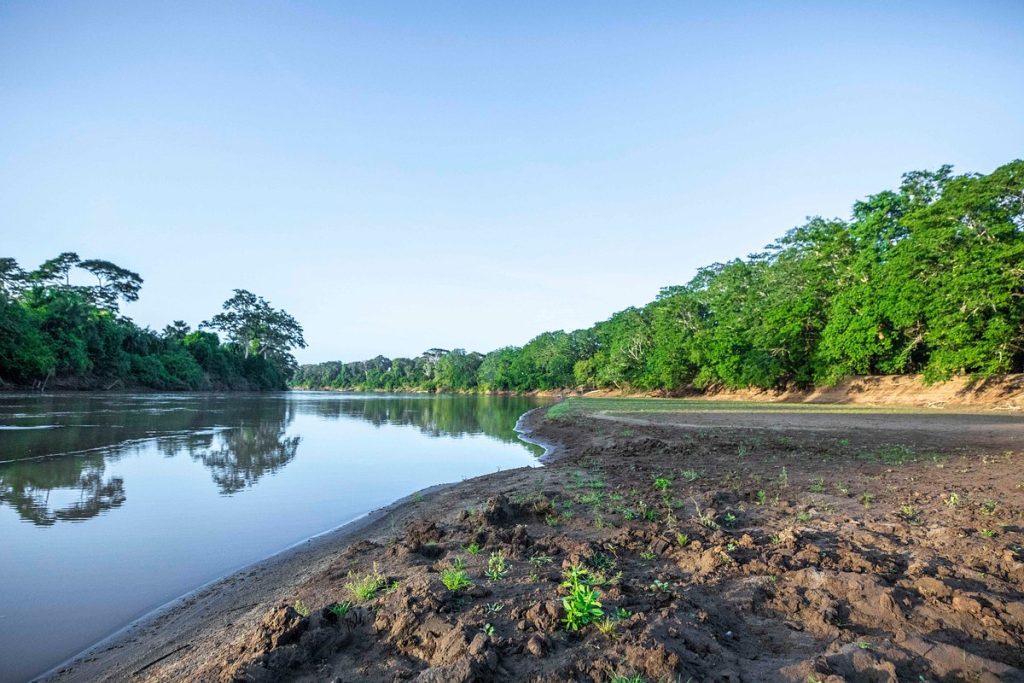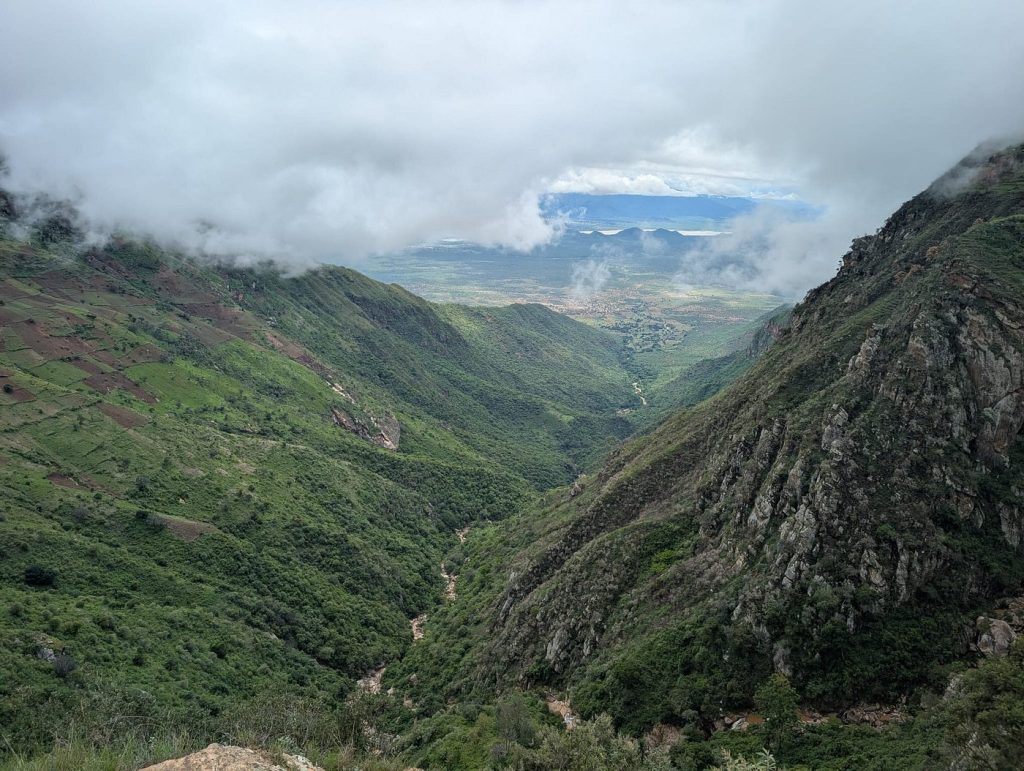
Like the north of Kenya, the north-east, extending to the border with Somalia, covers a vast area of desert and semi-desert, with very few centres of population and limited public transport possibilities. The main towns are Garissa and Wajir. Most of the area is relatively flat, yet one of Kenya’s major rivers, the Tana, flows through it. The river enters the ocean about halfway between Malindi and Lamu and is the territory of the Orma, Pokomo and Bajun tribes. Straddling this river just north of Garsen is the Tana River Primate Sanctuary, which is included in a few safari companies’ itineraries but is otherwise difficult to reach. The reserve was established to protect the red colobus and crested mangabey monkeys, both of which are endangered species. The other main river, the Ewaso Nyiro, which flows through Samburu and Buffalo Springs National Reserves, eventually peters out into the Lorian Swamp, never reaching the ocean.
Few travellers come this way, except those taking the back route to Lamu via Garissa and Garsen. The area north and east of Garissa has been described as the domain of gun-toting ‘refugees’ from Somalia. When the UN and American troops went into Somalia in late 1992 to help with the distribution of food aid, many of those carrying guns sought shelter in Kenya, where they could rustle cattle and create havoc with relative impunity. It is not a safe area to venture into unless you are with one of the aid agencies, and even then, your safety is not guaranteed. Although the Somali border is still open, the country itself is pretty much a no-go area for the average traveller.
Other than a visit to Meru National Park, which would be worthwhile if security could be guaranteed, and the Tana River area, the north-east is not a particularly interesting region, even for desert fans. However, Wajir, with its predominantly Somali population, Beau Geste fort and market, would definitely have the edge over Garissa, itself a rather nondescript town hardly worth visiting for shopping.
Meru National Park
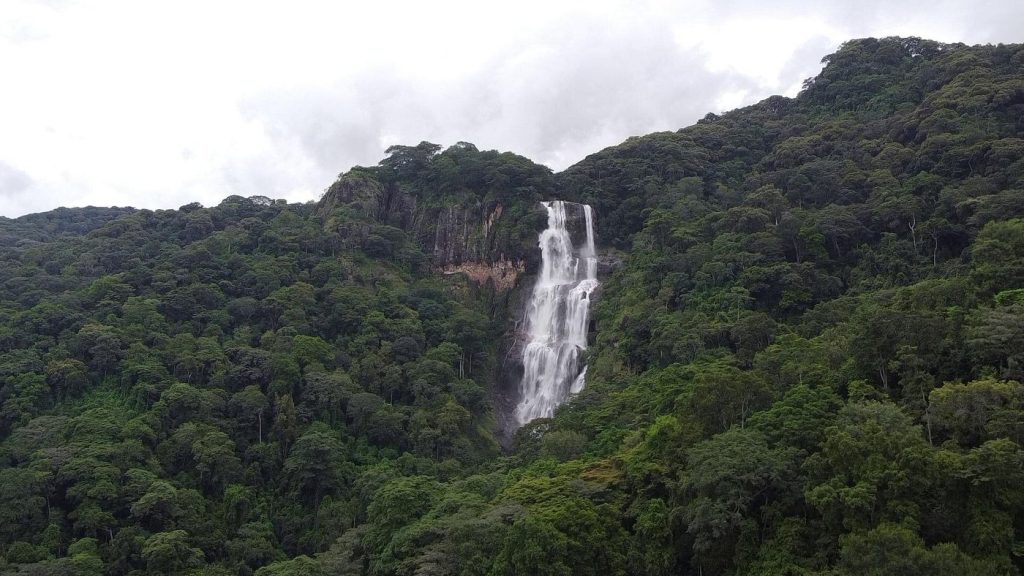
On the lowland plains east of the town of Meru, Meru National Park is a complete contrast to the more northerly reserves of Samburu, Buffalo Springs and Shaba, where open bush is the norm. In Meru, abundant rainfall and numerous permanent streams flowing down from the Mount Kenya massif support a luxuriant jungle of forest, swamp and tall grasses which, in turn, provide fodder and shelter for a wide variety of herbivores and their predators. As in other parks, such as Marsabit, where the vegetation is dense, wildlife is not so easily sighted, so you need to spend a few days here to fully appreciate what the park has to offer.
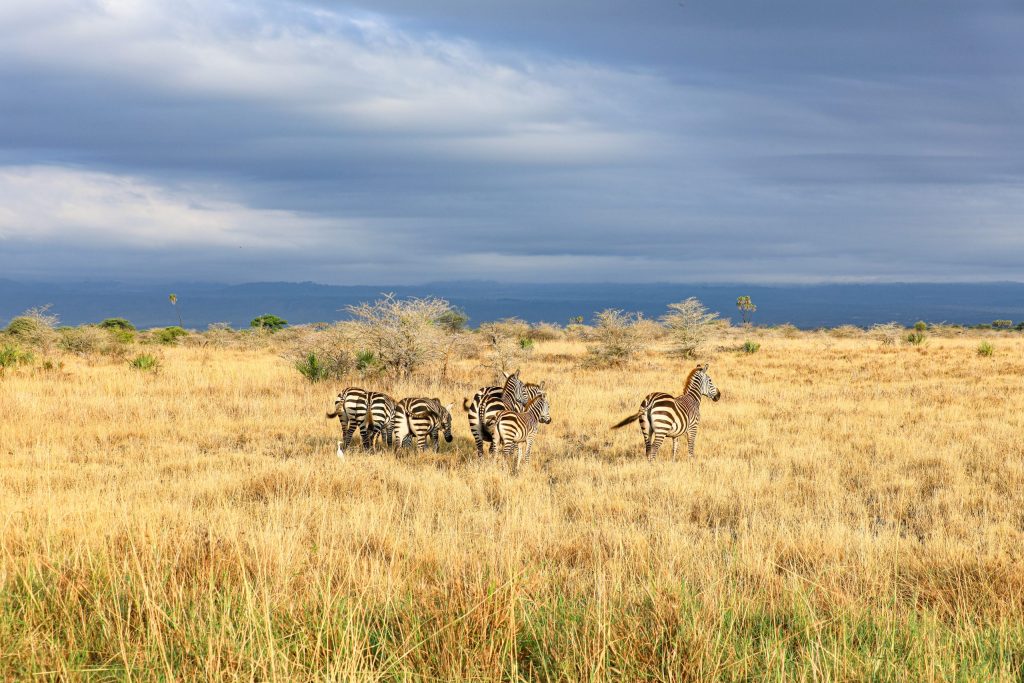
Unfortunately, this area was one of the worst hit by poachers and shifta, and so it does not have the abundance of wildlife found in other parks. With some difficulty, elephants, lions and cheetahs can all be seen. Buffaloes and giraffes are more common, while eland and oryx are the main antelope to be seen. Monkeys, crocodiles and a plethora of bird species are common in the dense vegetation alongside the watercourses.
Meru National Park was also home to Kenya’s only herd of white rhinos, which were imported from the Umfolozi Game Reserve in South Africa. Jealously guarded around the clock by rangers to protect them from poachers, these huge animals were quite unlike their more cantankerous cousins, the black rhinos, as they were remarkably docile and willing to allow their keepers to herd them around the campsites and park headquarters area during the day and pen them up at night. Sadly, that is all gone now. Heavily armed poachers shot all of them and, for good measure, killed their keepers too.
The park is also famous for being Joy and George Adamson’s former base, where they raised orphaned lion and leopard cubs until they were old enough to be returned to the wild. Both paid for their efforts with their lives: Joy was murdered in Meru National Park by poachers several years ago, and George met the same fate in 1989, along with two of his assistants, in the nearby Kora National Reserve.
Security in the park has been strengthened since George Adamson was murdered, but there is still a small risk of encountering poachers and bandits here, so you need to bear this in mind, especially if you’re driving your own vehicle. It is fair to say, however, that the chances of running into bandits are just as great in the Masai Mara or Tsavo as they are in Meru. The one major advantage of Meru National Park is that you’re unlikely to come across another safari vehicle anywhere in the park, except outside the lodges.
The tracks through the park are well maintained and signposted, though it’s a good idea to have a copy of the Survey of Kenya’s Meru National Park map with you.
Tana River Primate Sanctuary
Well south of Garissa and not too far north of Garsen lies the Tana River Primate Sanctuary which, as its name suggests, is a reserve for a number of endangered monkey species. It is possible to get close to the sanctuary by public transport, but there is still a lot of walking involved, and the facilities have long fallen into disrepair, so you need to take everything with you. Very few safari companies include the reserve in their itineraries. Few Kenyan agencies arrange safaris for a seven-day trip that takes in Tsavo, the Tana River and Lamu.