Fort Portal
Fort Portal, a small, pleasant and quiet town at the north-eastern end of the Ruwenzori Mountains, is the centre of a tea-growing area. It’s also the base from which to explore the Semliki Valley (hot springs and Pygmy villages) and the Kibale Forest Primate Reserve. Many travellers stay here overnight en route to Murchison Falls National Park.
Kibale Forest Primate Reserve
This recently established reserve some 30 km south-east ofFort Portal is home to chimpanzees, baboons, red and white colobus monkeys, and larger mammals such as bushbuck, sitatunga, duiker, civet, buffaloes and elephants. It’s said to have the highest density of primates in the world, including an estimated 500 chimpanzees, and Uganda’s third-largest population of elephants. The star attraction is the chimpanzees, five groups of which have been partially habituated to human contact. Nevertheless, you have only a 25% chance of seeing them on any particular day, though you’ll almost certainly hear them as they scamper off into the bush on your approach. They’ll obviously become tamer as time goes on, so the chances of seeing them will increase. If you want to be sure of sighting them, plan on spending a few days here.
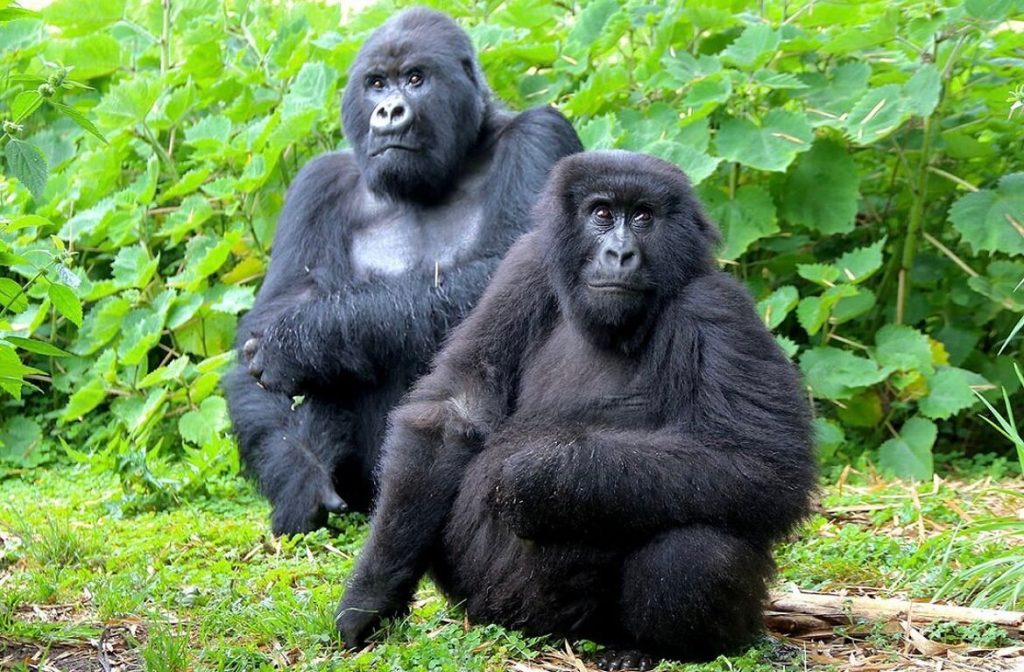
The reserve headquarters is at Kanyanchu River camp, Fort Portal, signposted on the left-hand side about six km before you reach the village of Bigodi coming from Fort Portal. It’s from here that guided walks can be arranged along well-marked tracks (about a three-km round trip) in search of the chimps. There are daily walks from 7 to Il am (the best time to go). The price includes a guide. The group size is limited to six people but any number of groups can set off, as long as they go off in different directions. Even if you don’t see the chimps, you will see the colobus monkeys and the incredible number of butterflies and birds which live in this forest. The vegetation is equally lush. If you want to go on this adventure, there are different safari companies from Kampala who can arrange group fixed departures as well as private tours, to find a professional but very good company to go with from Kampala please contact us for more details.
Semliki Valley
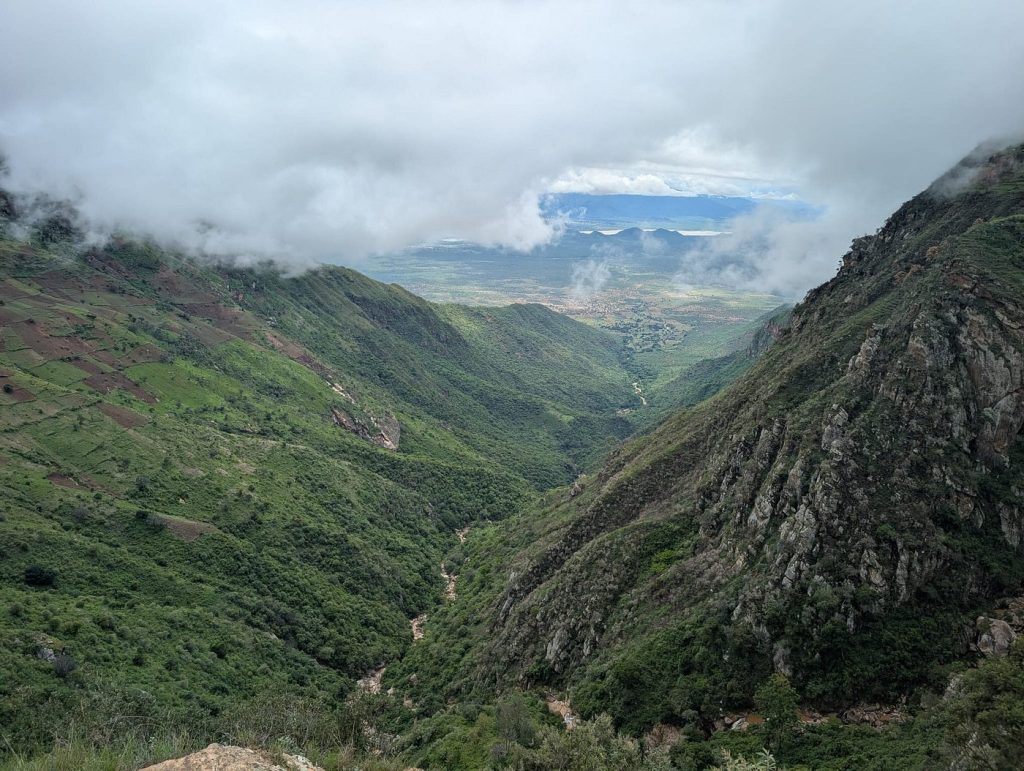
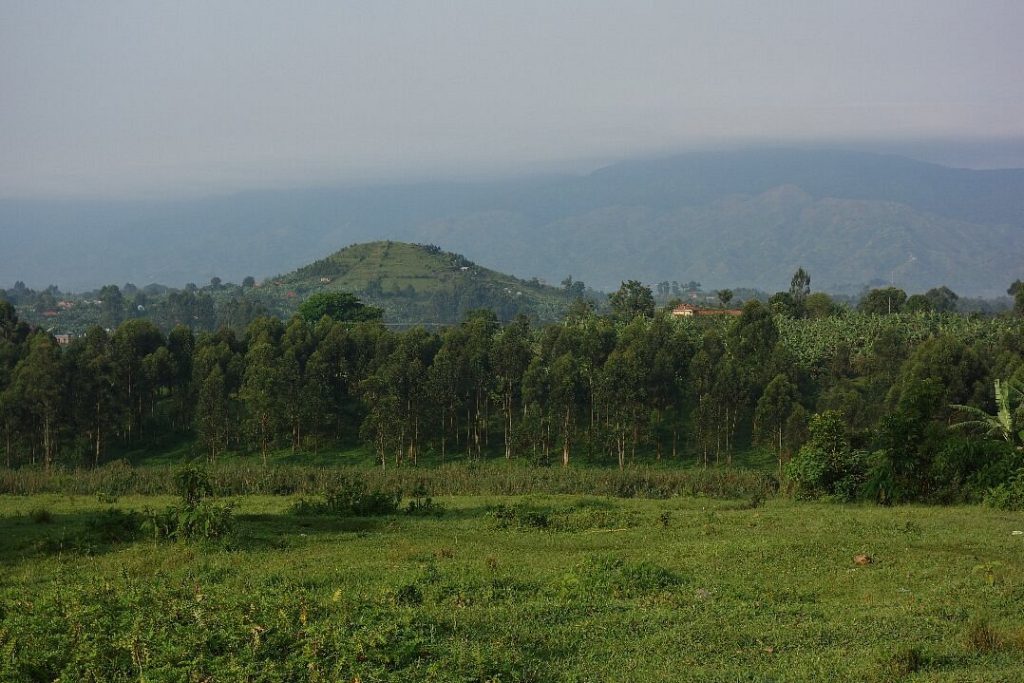
Just about everyone who comes to Fort Portal makes a day trip (at least) to the Semliki Valley and to Bundibugyo on the other side of the Ruwenzoris. The two main attractions are the hot springs near Sempaya and the Pygmy villages near the village of Ntandi in the forest of the Semliki Valley, a few km before Bundibugyo, but the best part of this trip are the magnificent views over the rainforest and savannah of the Semliki Valley and into Zaire. Unfortunately, the Pygmy villagers have gone the way of those in eastern Zaire and are now horribly
commercialised, their culture moribund. The other ‘attraction’ is the hot springs. At least you won’t get hassled here but the place is very much a let-down. This is not Bogoria National Park (Kenya) and it’s worlds away from the geysers of Rotorua (New Zealand) and Iceland.
Toro Game Reserve
This is a small game reserve to the north of Fort Portal in the Semliki Valley. It stretches as far as Ntoroko on the shores of Lake Mobutu Sese Seko. You really need your own transport to see this reserve. The best way to see it is to go on an organised safari from Fort Portal, taking in the fishing village of Ntoroko.
Ssese Islands
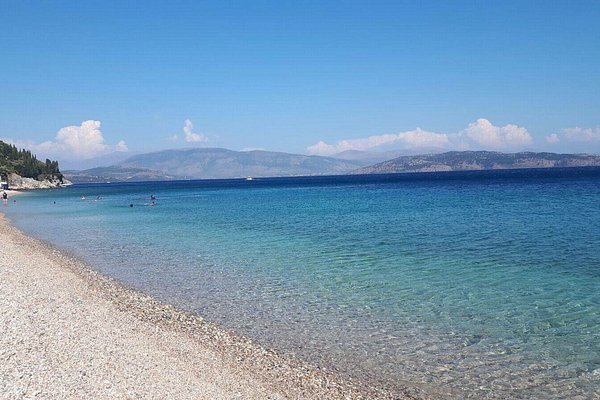
This group of 84 islands lies off the northwestern shores of Lake Victoria, east of Masaka and south of Entebbe. The islands are connected to the mainland by ferries from Bukakata to Luku and from Port Bell to Kalangala. Although rarely visited by travellers, the islands offer an interesting and refreshingly different facet of Uganda which is worth exploring, but don’t come here looking for ‘action’ – this is rest and recreation time.
Unlike the mainland, these islands escaped the ravages of the civil wars and so remain largely unspoiled. The people, known as the Basese, form a distinct tribal group, with their own language, culture and folklore. As so few foreigners visit the islands, you’re assured of a warm welcome.
Most islanders are members of one or other of the various Christian sects. A minority are Muslims. Communities are tightly knit and there are no dangers associated with wandering around the islands on foot. In fact, this is the best way to see them. The Basese are primarily fishers, and farmers of coffee, sweet potato, cassava, yams and bananas. As you might expect, fish forms a major part of their diet.
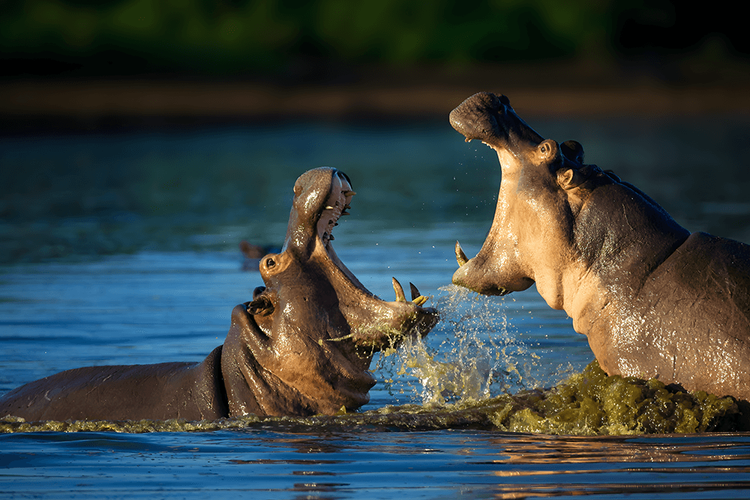
The main islands of Buggala, Bufumira, Bukasa, Bubeke and Kkome are hilly and, were not cultivated, are forested with a wide variety of trees. Animals you’re likely to come across include various species of monkey, hippos, crocodiles and many different types of bird, but there are no large predators (other than crocodiles).
Many spots afford beautiful views over the lake and across to the other islands. You’ll have no problems persuading the fishers to take you out on their boats. Swimming is also possible off most of the islands, as long as you observe the usual precaution about avoiding reedy areas (where the snails which carry the bilharzia parasite live).
All up, you’re looking at a very mellow and peaceful time on these islands. There is a plentiful variety of food and, most of the time, there’s not another tourist in sight.