
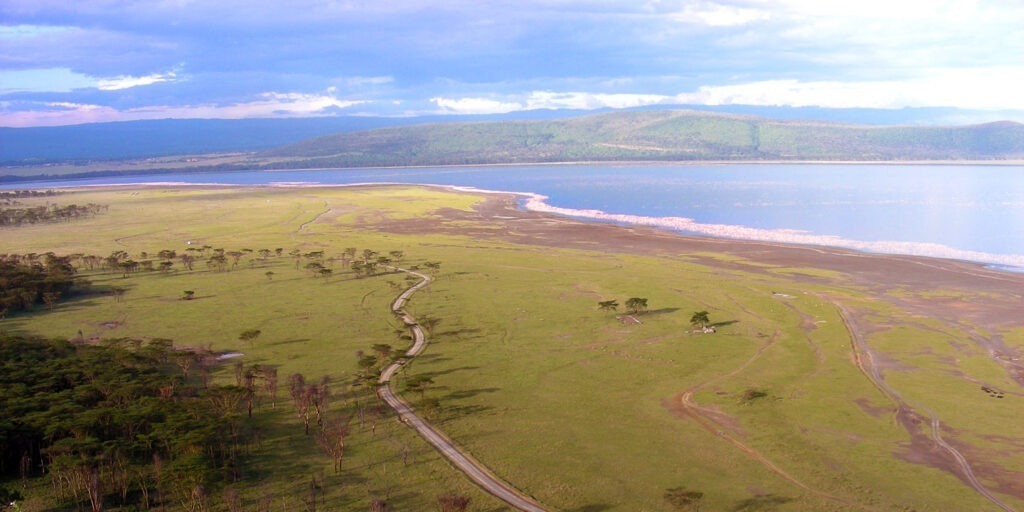
Great things sometimes come in small packages. At 329sqkm, this game reserve is small, but you will find it truly beautiful and easy to tour. If you visit at the best time, when water levels are high, Lake Manyara takes up 200sqkm – two thirds of the park! With such an impressive range of flora and fauna, Lake Manyara National Park has been awarded World Biosphere Reserve. Ernest Hemingway was so moved by his experience here that he called Manyara “the loveliest lake in Africa”. Come decide for yourself, you won’t be disappointed.
Contrasting Habitats, Secrets of the South and other Highlights
Lake Manyara National Park is your ideal, gentle introduction to safaris. You can cover the whole park in a day, experiencing probably the most diverse concentration of habitats and game in Tanzania. Don’t be put off by the small size of this game reserve, it is well worth a visit even if just for an enchanting picnic lunch on the shores of the pink, soda water lake.
Contrasting Habitats
One of the great things about this park is the mix of habitats in such a compact area. You will experience at least 5 different environments, which means you will be lucky enough to see a unique and diverse collection of species within just one small park. The shallow alkaline lake is adjoined by mud flats and a narrow stretch of grassy floodplains leads you to a band of mixed acacia woodland. Pass through the dense, jungle-like evergreen forest to hot groundwater springs that bubble and steam beneath the rocky escarpment of the Great Rift Valley.
The Wildlife
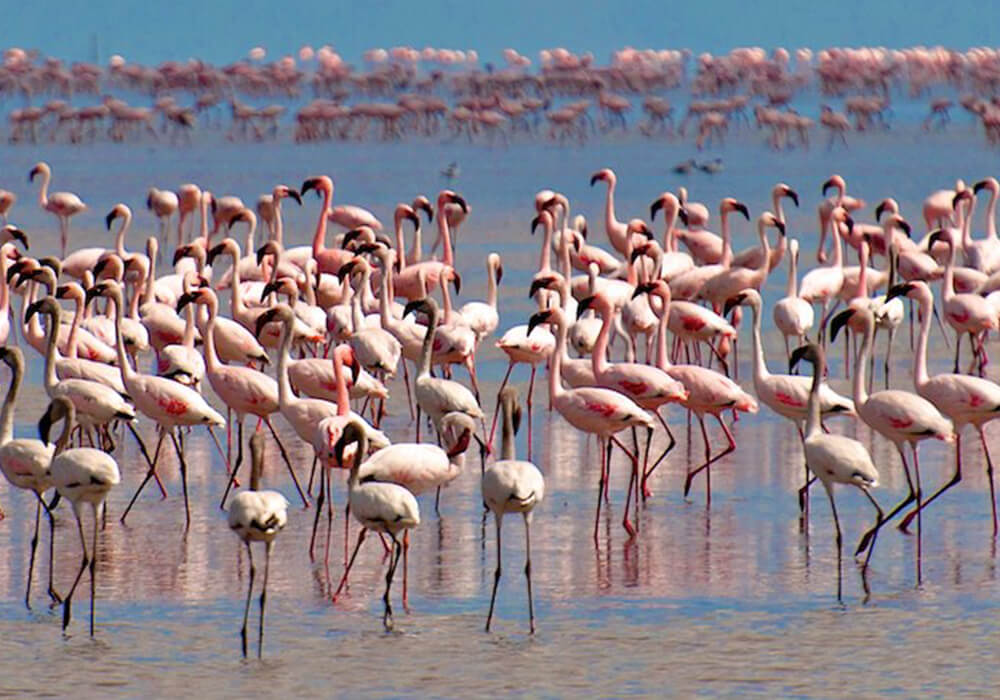
Lake Manyara National Park gives you a perfect introduction to Tanzania’s birdlife and it is seasonal home to over 100 species of birdlife, including colonies of flamingos, pelicans, herons, cormorants and stalks. You’ll see thousands of flamingos – so many that the lake looks pink – and hippo pods bobbing up and down in cool pools. Most of the big game can be found on the shores of the lake or grazing the grassy floodplains – elephants, giraffes, zebra, wildebeest, impala and many more, depending on migration patterns and the time of year you visit. You’re guaranteed to see baboons and blue monkeys in the evergreen forest. Try to enter the park as early as possible in the morning if you want to seek out the big cats.
Explore the South of the Park
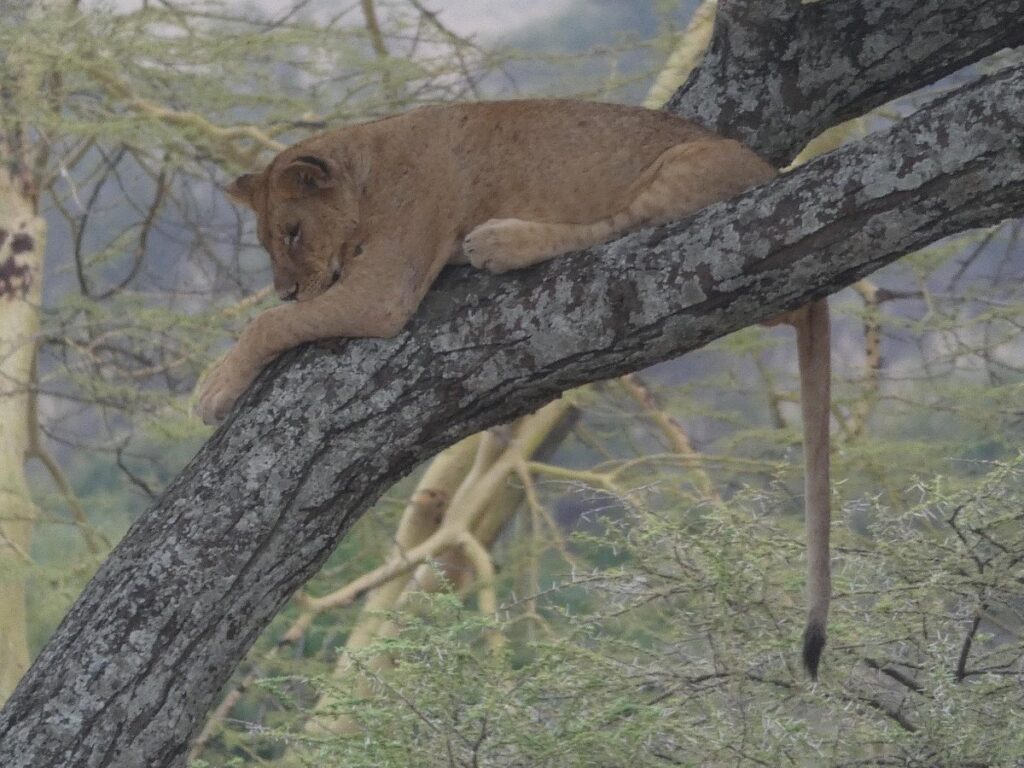
Most visitors spend just half a day in the busy northern quarter of the park en route to the larger game reserves close-by in northern Tanzania. We don’t want you to miss out on the hidden gems of the south so, if you have time, it is well worth taking a full day to enjoy the more southerly areas of the park which are seldom visited by tourists. You’ll find the Rift Valley escarpment at its most dramatic here, adjoined by the largest area of evergreen forest. The lake shore in the far south is peppered with hot groundwater springs. This wet, wooded landscape is home to troops of olive baboons, blue monkeys and crowned eagles. In the tranquil south of the park, you are more likely to catch sight of the illusive leopards and a pride of lions relaxing in the branches of an Acacia tree – the infamous tree-climbing lions of Lake Manyara.
What Activities Are Available?
Game driving by day is the most popular activity at Lake Manyara National Park, but a night safari can also be arranged. The Lodge inside the Park offers short guided walks. If you choose to stay just outside the Park on the Rift Valley escarpment, there are more activities available, such as mountain biking, hiking and village tours.
Half Day, Full Day or Just a Picnic Lunch?
A half-day safari will take you to the park’s busy northern quarter with only a narrow strip of grassland at the lake’s shores for game-driving. A full day’s game driving in Lake Manyara National Park is an ideal introduction to safaris, since you can explore the hidden gems of the more remote southern quarter. If you are not able to give up a full day, Manyara is still an idyllic place to stop, even if just for a special picnic lunch overlooking the flamingo-lined lake by the Hippo Pool, listening to the cacophony of birdlife and monkeys.
Accommodation
Accommodation is limited within the actual park itself, the only place to stay being a very beautiful lodge in a quiet area of the Park. There are numerous luxurious lodges on the northern circuit, if you fancy treating yourself and benefiting from being first on safari in the morning. Outside the park, on the way to Ngorongoro, you will find mid-range tented camps, lodges and hotels in elevated positions overlooking Manyara National Park. Some have truly magnificent views, swimming pools and a warm, friendly atmosphere. First choice would of course be to stay within the Park itself for one or two nights in the Lodge. If finances won’t allow, we recommend staying in more economical accommodation just outside the park gate for two nights. This means you could enter the park early in the morning to make the most of a full day’s safari.
Best Time to Visit
Best game viewing is December to February and May to August. July and August are ideal as the lake should be full to the brim and migration patterns mean the game is at its peak. Afternoons tend to be busy.
How to Get There
Lake Manyara National Park is in Northern Tanzania, a 90 minute drive from Arusha along a reasonably good road and just one hour from the Ngorongoro Crater. The main entrance is the northern gate; the southern gate has restricted access.
Visitors can enjoy a variety of activities that go beyond the typical game drive. Canoeing on the lake (when water levels allow) offers a unique perspective of wildlife and scenery. Guided walking safaris provide a closer, more intimate experience with nature and the park’s ecosystems. You can also explore cultural tours in nearby communities to learn about local traditions. Photography is especially popular here thanks to the park’s stunning landscapes and rich wildlife. Whether you want relaxation or adventure, Lake Manyara offers a well-rounded safari experience.
Frequently Asked Questions
What makes Lake Manyara National Park so special compared to other parks in Africa?
Lake Manyara National Park is often described as one of Africa’s most beautiful parks because of its incredible diversity packed into a relatively small area. Within a short drive, you can see lush groundwater forests, open grasslands, and the shimmering alkaline lake itself. The park is famous for its scenic beauty, especially with the Great Rift Valley escarpment forming a dramatic backdrop. It’s also one of the best places to experience a mix of wildlife and birdlife without long travel times. Many visitors fall in love with its peaceful atmosphere and stunning views rather than just the “big game” experience.
Why is Lake Manyara called the “loveliest lake in Africa”?
The nickname comes from the lake’s ever, changing beauty and its vibrant surroundings. Depending on the season, the lake can appear pink with thousands of flamingos or reflect the blue sky in a calm, mirror, like surface. The combination of water, forest, and wildlife creates a picture, perfect setting that feels almost magical. Early morning and sunset are especially breathtaking times to visit. It’s this harmony of colors, light, and life that earns Lake Manyara its reputation as one of the loveliest lakes on the continent.
What animals can I expect to see in Lake Manyara National Park?
Despite its size, the park is rich in wildlife and offers a rewarding safari experience. You may spot elephants moving gracefully through the forest, troops of baboons along the roadside, and hippos lounging in the water. The park is also famous for its tree, climbing lions, although sightings require a bit of luck. Giraffes, zebras, and buffalo are commonly seen grazing across the plains. For bird lovers, the park is a paradise with hundreds of species, especially around the lake.
When is the best time to visit Lake Manyara National Park?
Lake Manyara is a year, round destination, but the experience changes with the seasons. The dry season, from June to October, is ideal for wildlife viewing because animals gather around water sources and vegetation is thinner. The wet season, from November to May, transforms the park into a lush green paradise with excellent birdwatching opportunities. This is also when the lake often attracts large flocks of flamingos. While roads can be muddy during heavy rains, the scenery is incredibly rewarding. Choosing the best time really depends on whether you prefer wildlife concentration or vibrant landscapes.
What activities can visitors enjoy in Lake Manyara National Park?
Visitors can enjoy a variety of activities that go beyond the typical game drive. Canoeing on the lake (when water levels allow) offers a unique perspective of wildlife and scenery. Guided walking safaris provide a closer, more intimate experience with nature and the park’s ecosystems. You can also explore cultural tours in nearby communities to learn about local traditions. Photography is especially popular here thanks to the park’s stunning landscapes and rich wildlife. Whether you want relaxation or adventure, Lake Manyara offers a well, rounded safari experience.
Still have questions?
Our local safari experts are happy to help you plan the perfect African safari.





